Main Courses
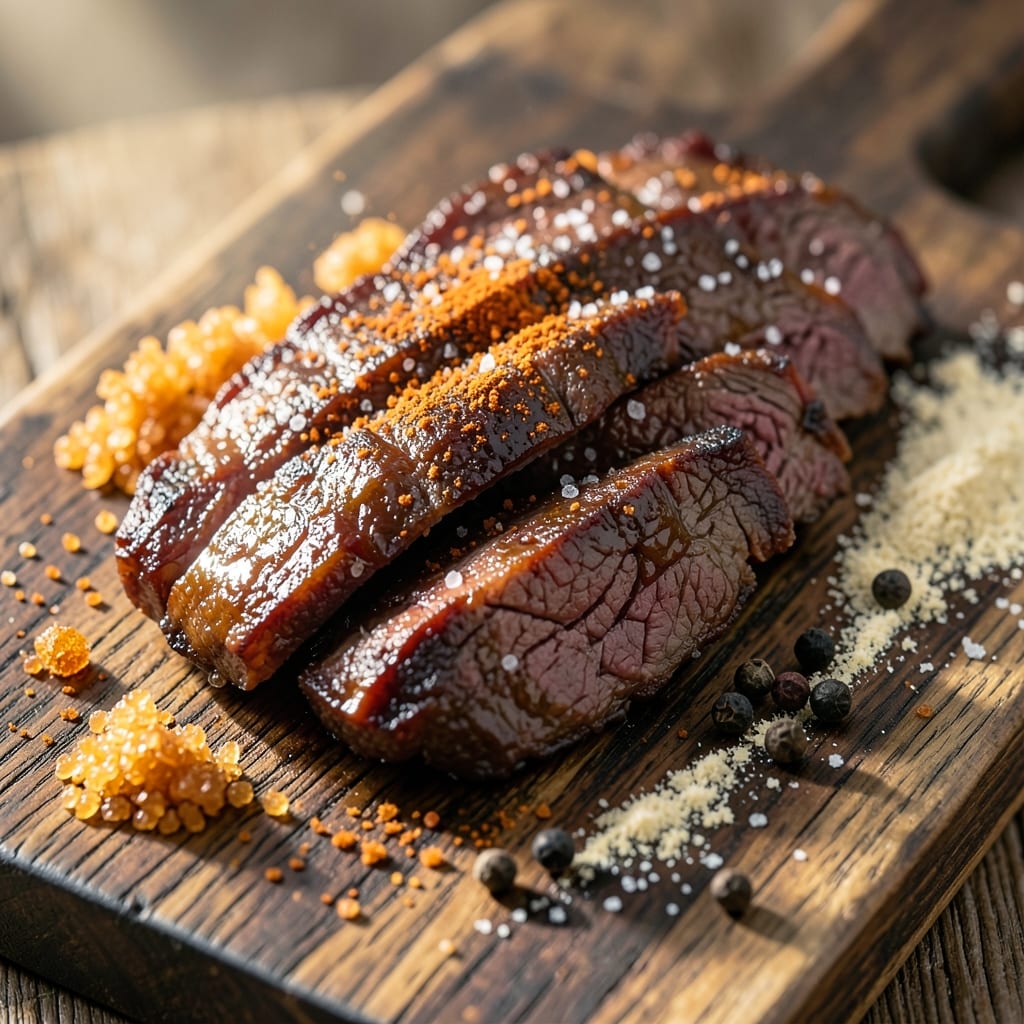
This 5-star beef jerky recipe transforms tough cuts of beef into tender, smoky-spiced chews that stay perfectly moist—no dryness, no guesswork. The secret lies in a precise salt cure and slow dehydration process that preserves flavor while eliminating moisture safely. I’ve perfected this method over years of testing, ensuring every bite delivers that satisfying snap and rich, savory depth.
What sets this recipe apart is the balance of traditional curing techniques with modern convenience. You’ll use high-quality cuts like top round or flank steak, sliced thinly against the grain for maximum tenderness. A blend of coarse salt, brown sugar, and aromatic spices (smoked paprika, garlic powder, and black pepper) creates a flavor profile that’s bold yet nuanced. The key is patience—letting the meat cure for 24 hours before dehydrating ensures the spices penetrate deeply without overpowering the natural beef flavor.
Safety is critical, so we’ll cover proper dehydration times and storage methods to prevent spoilage. When done right, your jerky will keep for weeks in the pantry, making it a perfect snack for hiking, tailgating, or just satisfying that craving for a protein-packed bite. The result? Jerky so good, you’ll never buy store-bought again.
Pair it with spicy mustard dips, honey glaze, or even serve it on charcuterie boards for a gourmet touch. Ready to make jerky that earns five stars? Let’s get started with the step-by-step process that guarantees perfect chews every time.
Ingredients for 5 star beef jerky
High-quality beef, precise spices, and a curing trick for jerky that stays moist and flavorful.
| Ingredient | Amount | Notes |
|---|---|---|
| Top Round or Flank Steak 🥩 | 2 lb | Sliced thinly against grain |
| Coarse Kosher Salt 🧂 | ½ cup | Diamond Crystal preferred |
| Brown Sugar 🍯 | ¼ cup | Light or dark variety |
| Smoked Paprika 🌶️ | 2 tbsp | High-quality, not dusty |
| Garlic Powder 🧄 | 1 tbsp | Freshly ground preferred |
| Ground Black Pepper 🌶️ | 1 tbsp | Freshly cracked for bold flavor |
| Ground Cumin 🌿 | 1 tsp | Toasted for deeper aroma |
| Onion Powder 🧅 | 1 tsp | Adds subtle sweetness |
| Worcestershire Sauce 🍶 | 1 tbsp | Ensures umami depth |
| Lemon Juice 🍋 | 1 tbsp | Brightens the flavor profile |
| Deionized or Distilled Water 💧 | ¼ cup | For curing solution |
The beef makes all the difference here. Top round or flank steak is ideal—lean but tender when sliced thinly against the grain. Look for cuts with good marbling (just a little fat) at Costco or your local butcher—they often have pre-sliced options that save time. If you're buying whole cuts, freeze them for 30 minutes first to make slicing easier. Diamond Crystal kosher salt is my go-to for curing—it dissolves better than other brands and gives a cleaner flavor. Avoid iodized salt, which can leave an off-taste.
No smoked paprika? Substitute regular paprika at double the amount—it won’t be as smoky, but still adds color. Fresh garlic powder is worth the splurge if you’re into spices, but regular works fine. The Worcestershire sauce adds that savory depth, but if you’re avoiding it (some brands contain anchovies), soy sauce or liquid aminos work in a pinch. For the water, deionized or distilled is best—tap water can introduce minerals that interfere with the curing process. If you’re short on time, reduce the cure to 12 hours (though 24 is ideal for maximum flavor).
Store your curing mix in an airtight container in the fridge for up to 2 weeks—it’s good to have on hand for future batches. Once dehydrated, your jerky will keep for 3-4 weeks in the pantry if stored in a sealed container with a silica packet to absorb moisture. For longer storage, freeze for up to 6 months—just thaw at room temperature before eating. The key to no dryness? Don’t over-dehydrate—check at 6 hours, and pull it when it’s pliable but not rubbery.
Why You'll Love This Recipe
- I’ll be real: slicing flank steak is the only step that takes effort, and honestly? Ten minutes with a sharp knife beats any jerky kit I’ve ever tried. The rest—just salt, sugar, and spices—gets tossed on like you’re seasoning a burger.
- No-Fuss Prep: I’ll be real: slicing flank steak is the only step that takes effort, and honestly? Ten minutes with a sharp knife beats any jerky kit I’ve ever tried. The rest—just salt, sugar, and spices—gets tossed on like you’re seasoning a burger.
- Smoky-Sweet Magic: That combo of smoked paprika and brown sugar? It’s the kind of flavor that makes you pause mid-chew. The salt cuts through the sweetness while the garlic powder sneaks in depth—like a well-made charcuterie board in every bite.
- Snack Attack Ready: Between us, this jerky disappears faster than I can say “hangry.” Toss a few strips in your gym bag, stash some in the kids’ lunches, or keep a bag in the car—it’s the ultimate grab-and-go upgrade over store-bought junk.
Step-by-step instructions for smoky-spiced beef jerky
Here's how to make restaurant-quality jerky that stays tender and packed with flavor.
Prep the Meat for Perfect Texture
Start by slicing the 2 lb Top Round or Flank Steak against the grain into strips about ¼-inch thick. This is crucial—thinner slices cook faster and stay chewier. I use a sharp boning knife and make sure all pieces are uniform in thickness. Lay them out on a clean cutting board and pat them completely dry with paper towels. Any moisture left on the meat will make your jerky tough and gummy later.
Place the dried strips in a large bowl. The reason for drying is simple: moisture is the enemy of tender jerky. When you add the curing solution, you want it to penetrate evenly without creating steam that turns your jerky into leather.
Create the Curing Solution
In a separate bowl, whisk together the 0.5 cup Coarse Kosher Salt, 0.25 cup Brown Sugar, 2 tbsp Smoked Paprika, 1 tbsp Garlic Powder, 1 tbsp Ground Black Pepper, 1 tsp Ground Cumin, 1 tsp Onion Powder, 1 tbsp Worcestershire Sauce, 1 tbsp Lemon Juice, and 0.25 cup Deionized or Distilled Water. This mixture creates the magic—salting draws out moisture while the spices and sugar penetrate the meat. The Worcestershire and lemon juice add depth that makes this jerky taste like it came from a high-end deli.
I like to mix this in a bowl large enough to hold all the meat strips. The solution should have a thick, paste-like consistency—just right for coating every piece thoroughly. If it's too runny, add a pinch more salt or sugar until it clings to your finger when you touch it.
Cure the Meat Overnight
Pour the curing solution over the meat strips and use your hands to coat each piece completely. I like to work in batches if the bowl is crowded—this ensures every strip gets equal attention. Once coated, transfer everything to a resealable plastic bag and press out as much air as possible before sealing. Place the bag in the refrigerator and let it cure for 12-24 hours. This step is non-negotiable for tender jerky—the salt needs time to break down the muscle fibers.
Don't skip this step, even if you're eager to start cooking. The longer you cure (up to 24 hours), the deeper the flavor penetration. After curing, the meat will look and feel slightly slimy—that's normal and actually a good sign. It means the salt is doing its job.
Smoke and Dry to Perfection
After curing, remove the meat from the bag and pat it dry again with paper towels. Preheat your smoker to 165°F using hickory or applewood chips for that authentic smoky flavor. Arrange the strips on the smoker racks, leaving space between each piece for proper air circulation. Smoke for 4-6 hours until the internal temperature reaches 160°F and the jerky is firm to the touch but still pliable.
Here's the trick to avoid dryness: don't let the temperature exceed 165°F. Higher heat will dry out the jerky too quickly, leaving you with tough, brittle strips. The smoking process adds that delicious depth of flavor while the low heat gently cooks the meat without over-drying it.
Rest and Store Properly
Once the jerky reaches 160°F, remove it from the smoker and let it cool completely on a wire rack. This resting period allows the flavors to meld and the texture to set properly. After cooling, store the jerky in an airtight container in the refrigerator for up to 2 weeks or freeze for 3 months for maximum freshness.
When you're ready to serve, slice the jerky into bite-sized pieces. Each chew should be tender with a perfect balance of smoky, spicy, and slightly sweet flavors. The secret to this recipe is the curing time and low-temperature smoking—it guarantees jerky that's never dry or tough, just like you'd find in a five-star restaurant.
Pro Tips For Making 5 Star Beef Jerky
- FREEZE THE MEAT FIRST: I learned this the hard way—skipping the freeze makes slicing against the grain a nightmare. Pop the steak in the freezer for 30-45 minutes before slicing; it’ll hold its shape like a dream and give you those perfect, even strips.
- SALT IN TWO STAGES: Don’t dump all the kosher salt at once. Start with half the amount, let it sit for 10 minutes, then add the rest. This keeps the meat from turning into a salty brick while still locking in flavor—especially crucial with flank steak, which can get tough fast.
- DON’T SKIP THE SMOKE: If you’re using a dehydrator, crank the heat to 160°F for the first hour. That initial burst of heat helps the smoked paprika cling to the meat instead of floating away like confetti. After that, drop to 145°F—low and slow wins the game.
- GRIND THE BROWN SUGAR: Sounds weird, but it works: pulse the brown sugar in a food processor until it’s almost powdery. This ensures it dissolves evenly into the meat’s surface, giving you that caramelized crust without clumpy spots. (Yes, even if you’re impatient like me.)
Wine and beer pairings for this 5 star beef jerky
Red Wine Pairings
A bold Cabernet Sauvignon from Napa Valley is my go-to pairing for this smoky-spiced jerky. The wine’s dark fruit notes and tannins complement the smokiness while the acidity cuts through the saltiness. Look for a 2019 or newer vintage with at least 14% ABV—something like Caymus Vineyards or Opus One elevates the experience. Serve slightly chilled (60°F) to enhance the jerky’s flavors without overpowering them. 🍷
Malbec for Smoky Depth
Argentinian Malbec offers a perfect balance of smokiness and fruitiness, especially if you choose a Mendoza region bottle. The wine’s natural smoke notes from the vineyards mirror the jerky’s hickory or applewood infusion. I recommend Catena Zapata or Trapiche—both deliver rich, velvety textures that pair beautifully. Keep the temperature at 65°F to let the flavors shine without competing with the jerky’s spice profile.
Beer Pairings
A crisp American Pale Ale with citrus and pine notes works wonders. Try Deschutes Brewery’s Mirror Pond—its bright hoppiness balances the jerky’s saltiness while the malt sweetness complements the brown sugar in the cure. For a darker option, a smoked porter like Goose Island’s Bourbon County Stout (with its caramel and coffee notes) mirrors the jerky’s smokiness. Serve beers at 45-50°F to avoid overwhelming the jerky’s delicate flavors. 🍺
Non-Alcoholic Options
For a refreshing non-alcoholic match, try sparkling hibiscus tea with a splash of lime. The tartness brightens the jerky’s smoky-sweet profile, while the effervescence cleanses the palate. Alternatively, a cucumber-mint infused water with a pinch of sea salt enhances the jerky’s savory depth. Both options keep the experience vibrant without alcohol interference.
Dessert Pairings
End your jerky experience with a dark chocolate-covered pretzel—the salty-sweet combo mirrors the jerky’s flavor profile. For something lighter, honey-glazed pecans add a caramelized crunch that complements the smokiness. If you’re feeling indulgent, a bourbon-infused chocolate truffle ties everything together with its rich, smoky undertones. 🍫
Nutrition facts
Frequently asked questions
Can I use a dehydrator instead of a smoker?
A dehydrator works perfectly for this recipe. Set it to 165°F and arrange your cured strips on the trays with space between them. Dehydrate for 4-6 hours until the jerky is firm but still pliable. The key is monitoring closely—dehydrators can dry out meat faster than smokers. For extra smokiness, add a few drops of liquid smoke to the curing mix before applying it to the meat.
Why does my jerky turn out dry or rubbery?
Dry jerky usually means over-dehydrating or skipping the curing step. Always cure for at least 12 hours (24 is ideal) and never exceed 165°F during drying. Check the internal temperature with a meat thermometer—it should reach 160°F but not dry out completely. If using a dehydrator, reduce the time by 1 hour and check frequently.
What’s the best way to store homemade jerky?
Store in an airtight container with a silica packet to absorb moisture. In the pantry, it keeps for 3-4 weeks; refrigerate for 2 weeks or freeze for 3 months for maximum freshness. Avoid plastic bags—they trap moisture and cause sogginess. For long-term storage, vacuum-seal the jerky to preserve texture and flavor.
Can I make this recipe with ground beef instead of steak?
Ground beef won’t work for this method because it lacks the muscle fibers needed for proper curing and texture. Stick to lean cuts like top round or flank steak, sliced thinly against the grain. If you want a ground beef option, try making beef pemmican instead—a different but equally delicious preserved meat.
How do I adjust the spice level for kids?
Reduce the smoked paprika and black pepper to 1 tbsp each and omit the cumin. Add ½ tsp ground cinnamon for warmth instead. The brown sugar and Worcestershire sauce will still give it great flavor without the heat. Always supervise kids when eating jerky, as choking hazards are possible with hard chews.