
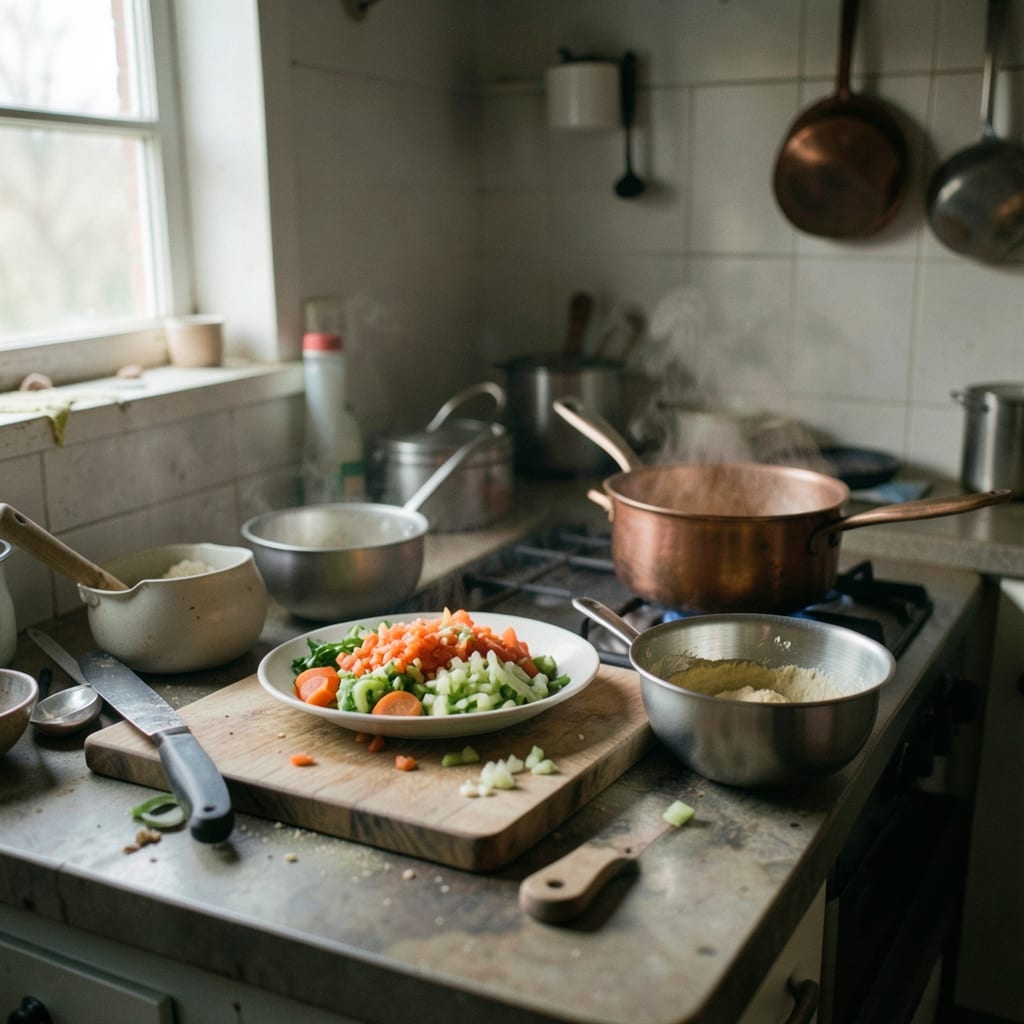
You have read a hundred of these
Most recipe sites don’t tell you what they leave out. We do. Every recipe here skips the steps that feel like busywork—the ones that turn cooking into a chore instead of a meal. That doesn’t mean we cut corners.
It means we ask: *What’s the fastest way to get this right?*
The other thing you’ve noticed? We don’t pretend this is the only way. A lot of beef dishes get turned into ‘perfect’ versions that taste like they were made in a lab. Here, you’ll find the ones that still feel like they came from someone’s kitchen table—maybe even yours.
The kind where the crust is crispy but the inside stays juicy, or the sauce is rich but not so thick you need a fork to cut it.
If you’ve ever burned a steak because the recipe said ‘medium-rare’ without telling you how to tell the difference, or followed a ‘foolproof’ method that still left you guessing, you’ll find the answers here. No guesswork. Just the parts that matter.
You’re right—it’s easy to promise bold flavors when the photos are bright and the reviews are polished.
Anyone can write that they test things
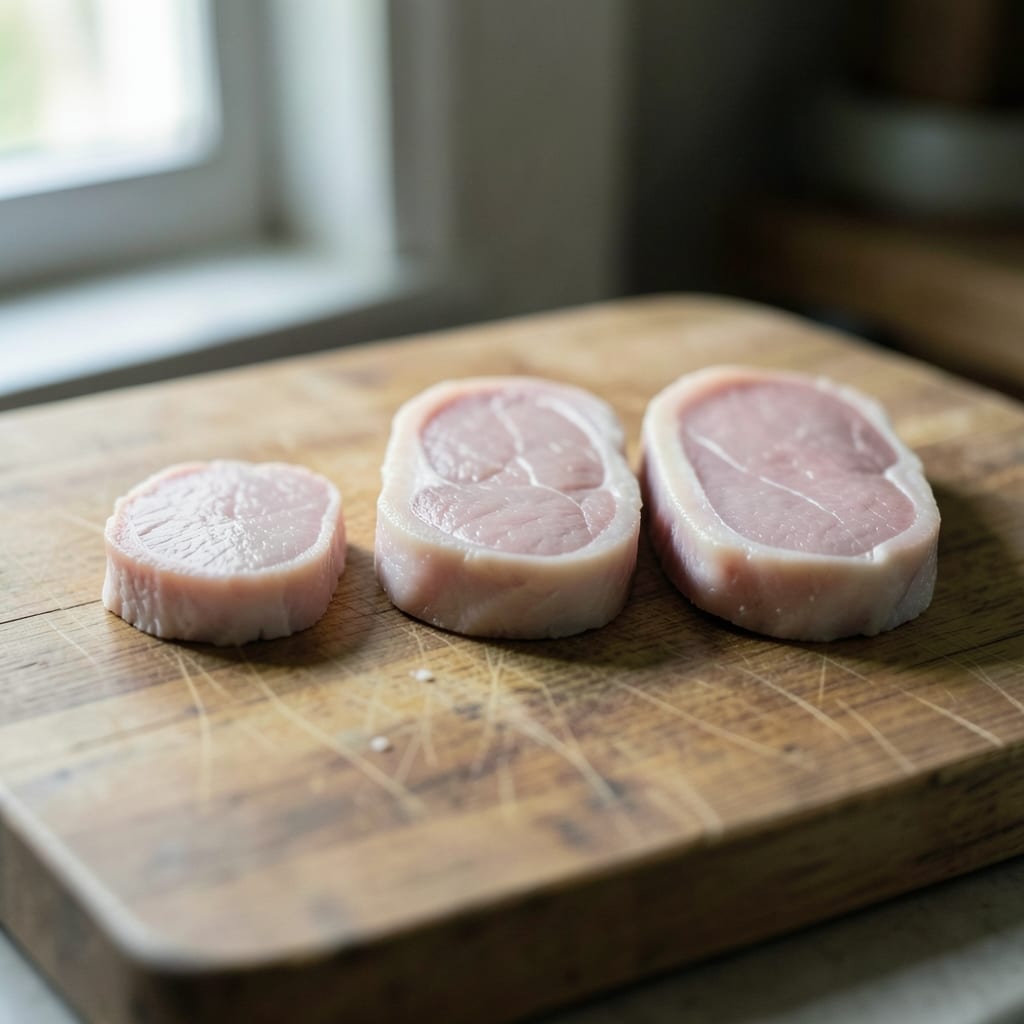
We test every recipe at least three times, and we throw out the first two. That’s not a typo.
The first attempt is always to learn what *not* to do—the pan temperature that scalds the meat, the marinade that sits too long and turns the beef to mush, the resting time that leaves it dry as a shoe. The second time, we adjust for those mistakes. The third?
That’s when we start writing.
Some recipes take six tries. The coffee-rubbed brisket took eight, because the first five either burned the crust or left the inside like leather.
We keep notes on every one: how long the meat rested before slicing, whether we used a meat thermometer or guessed, and what happened when we skipped a step ‘just to see.’ The failures stay in those notes.
What makes it to the page is what worked *reliably*, not just once.
We also test the ‘what if’ questions you don’t see in other recipes. What if you don’t have a meat mallet? What if your oven runs hot? What if you’re cooking for one? Those answers aren’t just footnotes—they’re the reason a recipe works in your kitchen, not just ours.
You’re right—most people don’t test enough, and the ones who do often don’t write about the failures.
About the author

Marguerite Mercado is the founder and editor of *Top Beef Recipes*, where she writes about the dishes that taste like home—even when they’re made in a tiny Brooklyn apartment.
The rules i work by
- 1No shortcuts that hide flaws
If a recipe skips resting the meat because ‘it’s not necessary,’ we’ll tell you why that’s a bad idea—and what to do instead. The goal isn’t to save you time; it’s to save you from regret. That means no ‘almost medium-rare’ or ‘close enough’ temperatures. If it’s not perfect, we’ll say so.
- 2Every ingredient has a job
We don’t include ingredients just to sound fancy. If you see ‘smoked paprika’ in a recipe, it’s because we tested it and knew it would make the dish taste different—not because it’s a trend. And if we say ‘optional,’ it’s because we tried it both ways and the difference is small. No filler, no fluff.
- 3The kitchen is not a laboratory
We use the tools most people have: a cast-iron skillet, a baking sheet, a sharp knife. If a recipe requires a sous-vide machine or a special grill, we’ll tell you why it’s worth it—and how to do it without one. The point is to feed you, not to impress you with gear.
- 4Taste is the final judge
If a dish doesn’t taste better than takeout after three tries, it doesn’t stay. That means saying no to recipes that are ‘supposed’ to be good but aren’t, or techniques that sound impressive but deliver nothing. We’d rather serve you something simple that’s *actually* delicious than something complicated that’s just confusing.
- 5You’ll see the mistakes
If a recipe fails in testing, we’ll tell you how—and why it matters. That’s not to scare you; it’s to prepare you. Cooking is about adapting, and the best cooks learn from what *didn’t* work. So if you see ‘Note: The first two attempts were dry,’ that’s not a mistake. It’s proof we’re not lying to you.
The only time we break these rules is when a recipe *has* to bend them—and even then, we’ll tell you why. For example, if we’re adapting a traditional dish for a modern kitchen, we’ll note where we simplified it, where we kept the original method, and why.
But we’ll never pretend a shortcut is the same as the real thing. If you see ‘We skipped the overnight brine here because…’, trust us: there’s a good reason.
This will not be right for everyone
Close this page if you’re looking for recipes that treat beef like a blank canvas—something to dress up with whatever’s in your spice rack. We’re not here to teach you how to make ‘beef’ in the abstract.
Our focus is on the dishes where beef is the star: the ones where the cut matters, the texture matters, and the way it’s cooked changes everything.
This site is also not for people who want ‘foolproof’ recipes that work the same way every time.
If you’re the kind of cook who likes to eyeball measurements or adjust seasoning by taste, you’ll find that here—but you’ll also find why some recipes *can’t* be eyeballed. (Looking at you, sous-vide.) If you’d rather not think about doneness temperatures or fat caps, there are plenty of other places to go.
You could just be told what you want to hear
We could say we’ve been featured in *Food & Wine* or that our methods are ‘revolutionary,’ but those things don’t matter if the recipe doesn’t work.
Instead, we tell you what actually happens: the times we overcooked a cut, the spices that didn’t blend right, and the dishes that took longer than we expected.
If we say a recipe is ‘easy,’ it’s because we’ve done it three times and know where it can go wrong—and how to fix it.
Worth telling us
- The ingredients you *can’t* substitute without ruining the dish—and which ones you *can* swap for something you have on hand.
- Why a recipe works the way it does, not just how to do it. (Example: ‘We use a Dutch oven because it holds heat better than a skillet, but if you don’t have one, a heavy pot with a lid will work—just don’t walk away from it.’)
- The things that *won’t* make a difference, so you don’t waste time or money. (Example: ‘You don’t need a $200 knife for this—any sharp knife will do, and we’ll tell you how to sharpen it if yours isn’t.’)
The recipes are grouped by category: Appetizers, Beverages, Breakfast & Brunch, Main Courses, Salads and Sauces & Condiments.