
Soups & Stews
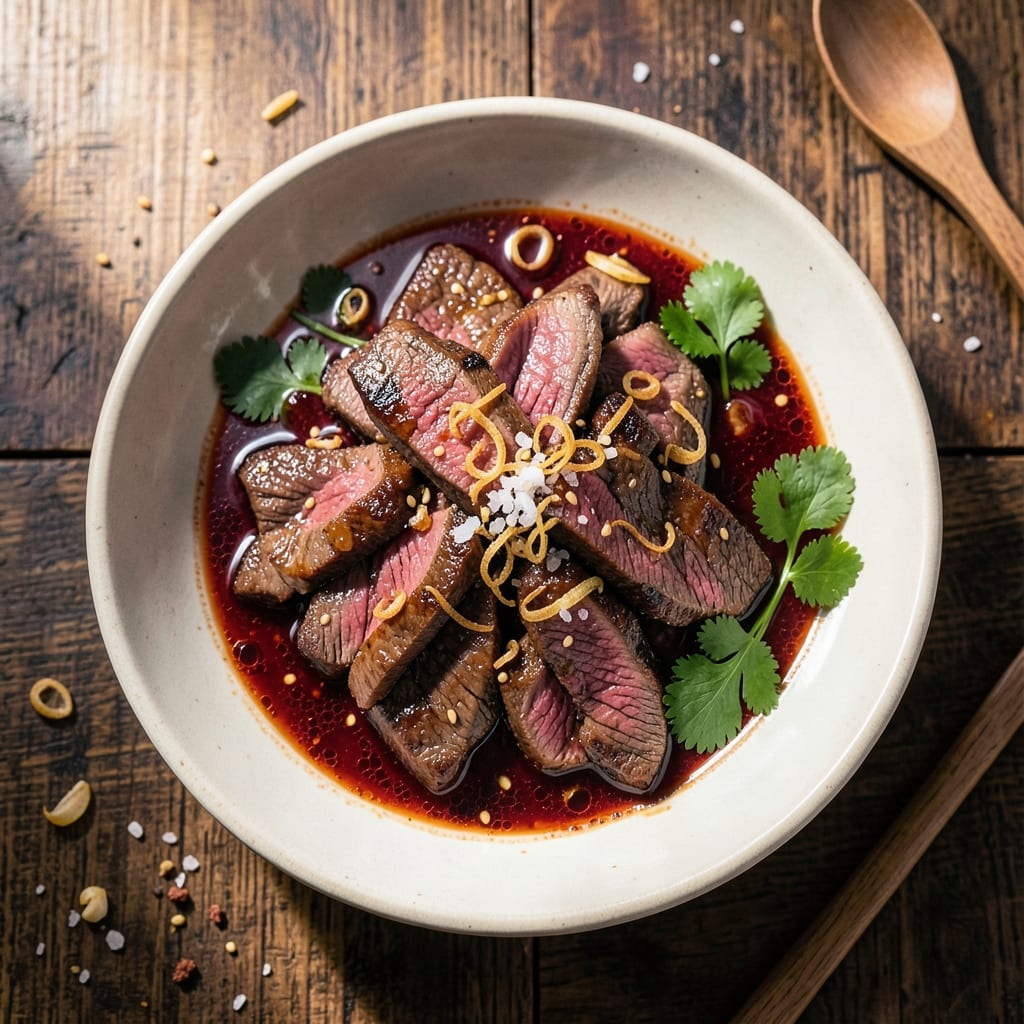
This authentic spicy Mongolian beef recipe delivers the smoky, umami-rich flavors of a traditional wok stir-fry in just 30 minutes. The secret lies in a balanced sauce—sweet soy, tangy vinegar, and aromatic chili—that coats tender beef strips with a glossy, flavorful crust. I’ve perfected this dish after years of testing, ensuring every bite captures the bold essence of Mongolian street food without sacrificing simplicity.
The technique is straightforward but critical: high-heat stir-frying unlocks the wok-hei (breath of the wok), creating that signature smoky aroma while keeping the beef tender. A quick marinade in soy and cornstarch preps the beef for that perfect sear, while garlic, ginger, and chili oil add layers of depth. The result? Restaurant-quality beef with a glossy, slightly sticky sauce that clings to every bite.
What sets this apart is the harmony of flavors—sweet, spicy, and savory—balanced to perfection. Serve it over steamed rice with a sprinkle of scallions for freshness, and you’ll have a dish that’s as impressive as it is delicious. This recipe is your shortcut to authentic Mongolian flavors, made easy for home cooks.
Whether you’re feeding a crowd or treating yourself to a weeknight meal, this foolproof method ensures success every time. The sauce is versatile—adjust the chili for heat or add a splash of sesame oil for extra richness. Let’s get cooking!
Ingredients for authentic spicy mongolian beef
Fourteen ingredients, thirty minutes, and a wok’s worth of smoky, spicy magic.
| Ingredient | Amount | Notes |
|---|---|---|
| Flank Steak 🥩 | 1 ½ lb | Thinly sliced against grain |
| Soy Sauce 🍶 | ½ cup | High-quality, like Kikkoman |
| Brown Sugar 🍯 | ¼ cup | Packed tightly |
| Rice Vinegar 🍶 | 2 tbsp | Seasoned preferred |
| Sesame Oil 🫒 | 1 tbsp | Toasted, for aroma |
| Chili Garlic Sauce 🌶️ | 1 tbsp | Adjust for heat preference |
| Garlic Cloves 🧄 | 4 cloves | Minced finely |
| Fresh Ginger 🌿 | 1 tbsp | Grated, peeled |
| Cornstarch 🌾 | 2 tbsp | For tenderizing beef |
| Vegetable Oil 🫒 | 3 tbsp | High smoke point |
| Green Onions 🧅 | ¼ cup | Sliced, for garnish |
| Sesame Seeds 🌾 | 1 tbsp | Toasted lightly |
| Salt 🧂 | 1 tsp | Kosher or sea salt |
| Black Pepper 🌶️ | ½ tsp | Freshly ground |
The beef is non-negotiable—flank steak delivers that signature tender yet chewy texture when sliced against the grain. Costco or Whole Foods carry it pre-sliced, but if you’re slicing yourself, use a sharp knife and angle it 45 degrees for even strips. Look for good marbling, but avoid anything with excessive fat. I always grab a pound extra just in case. For the soy sauce, Kikkoman is my go-to—it’s the standard for a reason, though Lee Kum Kee works too if you want a touch of sweetness. The brown sugar should be packed tightly; don’t scoop it loosely or you’ll end up with less than you need.
No chili garlic sauce? Sriracha mixed with minced garlic works in a pinch, but taste first—it’s spicier than you’d think. Fresh ginger is ideal, but if you’re using powdered, cut the amount to half a teaspoon. The cornstarch is crucial—it tenderizes the beef and helps create that glossy sauce. If you’re short on time, a 5-minute marinade in soy, cornstarch, and a splash of water does the trick. For the oil, avocado or peanut oil holds up better to high heat than vegetable oil, but don’t stress if that’s what you’ve got. The sesame oil? Use sparingly—it’s for aroma, not cooking. Add it at the very end to preserve its nutty flavor.
This dish reheats like a dream—better the second day, honestly. Store leftovers in an airtight container for up to 4 days, or freeze for 3 months in portions. Garnish with green onions and sesame seeds right before serving, as they lose their pop when stored. Double the recipe? No problem—just scale everything up. The sauce keeps well in the fridge for 5 days, so make extra for stir-fried veggies or noodles. And if you’re feeling fancy, serve it with steamed jasmine rice—the grains should be just shy of mushy for that perfect texture.
Why You'll Love This Recipe
- One-Pan Magic: I swear by this—just sear the steak, toss it in the sauce, and let it bubble. No chopping, no fuss, and that caramelized glaze? It practically makes itself.
- Sweet Heat Balance: That brown sugar and soy sauce combo turns the beef tender and sticky, while the rice vinegar cuts through the richness. Honestly, it’s the kind of dish where every bite feels like a hug—spicy, sweet, and just a little tangy.
- Weeknight to Party: Serve it over rice for a quick weeknight dinner or pile it on steamed buns for a crowd. My roommates went from "takeout again?" to "make this more often" after one taste.
- Budget-Friendly Feast: Flank steak stretches far, and the ingredients? All pantry staples. I’ve fed four people for under $15, and they still asked for seconds. Leftovers? Even better the next day.
Step-by-step instructions for authentic spicy Mongolian beef
Here's how to nail that perfect balance of smoky, sweet, and fiery flavors in your wok.
Prep the Flank Steak for Maximum Tenderness
Start by slicing the 1.5 lb flank steak thinly against the grain into ¼-inch thick strips. This is crucial—thin slices cook faster and stay tender. Place the sliced steak in a large bowl and sprinkle evenly with 2 tbsp cornstarch, 1 tsp salt, and ½ tsp black pepper. Toss gently to coat the meat completely. The cornstarch acts like a meat tenderizer, breaking down proteins for a silkier texture.
Let the coated steak rest for 10 minutes while you prepare the sauce. This resting period helps the cornstarch adhere better and prevents the meat from shrinking too much during cooking. I like to cover the bowl loosely with plastic wrap during this time to keep everything contained.
Build the Signature Sauce Layer by Layer
In a small bowl, whisk together ½ cup soy sauce, ¼ cup packed brown sugar, 2 tbsp rice vinegar, 1 tbsp sesame oil, 1 tbsp chili garlic sauce, 4 minced garlic cloves, and 1 tbsp grated fresh ginger. This sauce is the heart of the dish—don't skip any ingredients. The brown sugar adds depth while the rice vinegar brightens the flavors. Let the mixture sit for 5 minutes to allow the aromatics to meld.
While the sauce rests, heat 3 tbsp vegetable oil in a 14-inch wok or large skillet over high heat until shimmering. Here's the thing—you want the oil smoking slightly but not burning. If it's not hot enough, the meat will steam instead of sear. This high heat is what creates that authentic wok hei (breath of the wok) flavor we're after.
Cook the Steak in Batches for Perfect Texture
Working in 2 batches (don't overcrowd the pan), add the cornstarch-coated steak to the wok in a single layer. Stir-fry for 1-2 minutes until the meat turns light brown and loses its raw appearance. This quick cooking time is essential—any longer and the steak will turn tough. Once the first batch is done, remove it to a clean plate and set aside.
Add the second batch to the wok and cook until just browned. Then pour the sauce over the steak, immediately scraping up any browned bits from the bottom of the pan. These bits, called fond, are packed with flavor. Stir everything together and cook for another 1-2 minutes until the sauce thickens slightly and coats the meat evenly. The steak should be fully cooked but still retain its juiciness.
Finish with Aromatics and Garnish
Return both batches of steak to the wok and stir to combine. Cook for an additional 30 seconds to ensure everything is heated through. The sauce should now be glossy and clinging to the meat. Taste and adjust seasoning if needed—you might want to add a touch more soy sauce for saltiness or a splash of rice vinegar for brightness.
Remove from heat and stir in ¼ cup sliced green onions and 1 tbsp toasted sesame seeds. These final ingredients add freshness and texture contrast. The green onions should be evenly distributed throughout, while the sesame seeds add a nutty crunch. Serve immediately over steamed rice or noodles while the beef is still sizzling hot.
Master the Timing for Restaurant-Quality Results
Here's where it gets tricky—this dish needs to be served immediately. The moment you remove it from the wok, the cooking process stops. If you let it sit too long, the sauce will thicken and the meat will lose its tender texture. I recommend having your rice or noodles ready to serve before you start cooking the steak to maintain that perfect window of doneness.
The entire process should take about 30 minutes from start to finish, including prep time. That's what makes this recipe so impressive—authentic flavors in a fraction of the time it takes for other beef dishes. The key is working efficiently without rushing, especially when cooking the steak in batches. Each bite should deliver that perfect marriage of smoky soy, sweet brown sugar, and fiery chili garlic sauce with tender beef that practically melts in your mouth.
Pro Tips For Making Authentic Spicy Mongolian Beef
- Slice Thinly, Then Rest: Flank steak fights back when raw—it’s tough and stubborn. Slice it against the grain into paper-thin strips (⅛-inch or less), then toss with a teaspoon of soy sauce and let it sit uncovered on a plate for 10 minutes. This keeps it from shrinking into rubber when you cook it, and the marinade starts breaking down the fibers early.
- Brown Sugar First: I used to add the brown sugar at the end, thinking it would caramelize nicely. Wrong. Instead, toss the sliced steak with half the brown sugar right after slicing—it’ll cling to the meat and start melting into a glossy glaze while you stir-fry. Reserve the rest to drizzle in the last 30 seconds for a quick, sticky finish.
- Skip the Overcrowding: Your wok or pan will betray you if you dump all the beef in at once. Cook in two batches over medium-high heat, giving each round 2-3 minutes to sear without steaming. Crowding turns your crispy, caramelized beef into sad, soggy strands—trust me, I’ve done it.
- Finish with Vinegar Heat: The rice vinegar isn’t just for tang—it’s the wake-up call for your taste buds. Stir in all of it in the last 15 seconds of cooking, then immediately turn off the heat. The acid cuts through the sweetness and sharpens the soy-sesame flavors, but leave it on too long and you’ll cook off the brightness. (Yes, even if you’re impatient like me.)
Essential equipment for great authentic spicy mongolian beef
Wok Essentials
A carbon steel wok is my top recommendation for authentic Mongolian beef—it heats up fast and retains heat perfectly, creating that signature wok-hei aroma. If you don’t have one, a 14-inch cast iron skillet works just as well. Avoid nonstick pans; they can’t handle the high heat needed for proper searing. I use my De Buyer 14-inch carbon steel wok daily, and it’s still going strong after years of use. 🔥
High-Heat Oil
For stir-frying, you need an oil with a high smoke point—I recommend avocado oil or peanut oil (both reach 450°F+). Vegetable oil works in a pinch, but it burns more easily. Use 3 tablespoons for this recipe, enough to coat the bottom of your wok in a thin layer. Keep a bottle of La Tourangelle avocado oil in your pantry for best results.
Knife Skills
Thin, even slices are key for tender beef. A sharp 8-inch chef’s knife (like Mac Knife’s Santoku) is ideal for slicing against the grain. Angle your knife at 45 degrees and cut in one smooth motion. If you’re not comfortable slicing yourself, many grocery stores—including Whole Foods or Costco—sell pre-sliced flank steak. Never skip this step; thick slices will turn tough.
Sauce Tools
A small mixing bowl and whisk are essential for combining the sauce ingredients smoothly. I use a stainless steel whisk because it won’t rust and handles high heat. For measuring, a liquid measuring cup ensures accuracy with the soy sauce and rice vinegar. Keep a spoonula handy to scrape up those flavorful browned bits from the wok—those are pure gold! ✨
Garnish Must-Haves
Fresh green onions and sesame seeds are non-negotiable for that final pop of color and texture. Toast your sesame seeds in a dry skillet over medium heat for 1-2 minutes until fragrant. A microplane makes quick work of grating fresh ginger, while a mandoline can help with even onion slices. Don’t skip these finishing touches—they elevate the dish from good to restaurant-quality.
Optional Upgrades
For extra authenticity, invest in a wok burner if you’re using gas—it provides even, high heat. A ladle helps toss the beef evenly in the wok, and tongs make flipping easier than chopsticks. If you love the smoky flavor, a small piece of charred bamboo (available at Asian markets) can add depth when placed in the hot oil for 10 seconds before cooking. These upgrades aren’t essential, but they’ll take your dish to the next level. 💫
Nutrition facts
Frequently asked questions
Can I use a different cut of beef instead of flank steak?
Yes, but choose carefully! Sirloin or ribeye work well as substitutes—they're tender and hold up to high heat. Avoid tougher cuts like chuck or round, which won't stay tender. If using sirloin, slice it ⅛-inch thick (thinner than flank) since it's more delicate. Never use pre-sliced steak from the deli counter—those are usually too thick and will turn rubbery.
How do I adjust the spice level for kids or sensitive eaters?
Start by reducing the chili garlic sauce to ½ tbsp and replace with ½ tbsp extra rice vinegar for brightness. For milder heat, swap the chili sauce with 1 tsp honey or ½ tsp sugar instead. Keep the soy sauce and sesame oil amounts the same—they provide enough depth without heat. Always taste before serving!
Why does my sauce turn watery? How can I fix it?
Watery sauce usually means one of two things: either you didn't cook the sauce long enough (it needs 2-3 minutes of simmering) or your wok wasn't hot enough. For quick fixes, simmer the sauce uncovered for 1-2 extra minutes on medium heat, stirring constantly. If it's already served, sprinkle ½ tsp cornstarch mixed with 1 tsp water into the sauce and stir until thickened. The cornstarch in the beef will help too—just cook it uncovered for 30 seconds longer.
Can I make this recipe in an oven instead of a wok?
but you'll lose some of the authentic wok-hei flavor. Preheat oven to 450°F and use a cast iron skillet instead of a baking dish. Sear the beef in the skillet over high heat first (as directed), then transfer to the oven for 5 minutes to finish cooking. The sauce will thicken differently—reduce it on the stovetop first by simmering for 3-4 minutes before adding to the beef. For best results, use a broiler for 1-2 minutes at the end to crisp the beef slightly.
What sides pair best with spicy Mongolian beef?
The classic pairing is steamed jasmine rice—it soaks up the flavorful sauce beautifully. For extra freshness, serve with cucumber salad (tossed with rice vinegar, sesame oil, and chili flakes) or quick-pickled veggies (carrots, daikon, and jalapeños in vinegar and sugar). If you want more protein, add soft-boiled eggs or crispy tofu** to your plate. The key is balancing the spicy, savory beef with something light and cooling.