
Main Courses
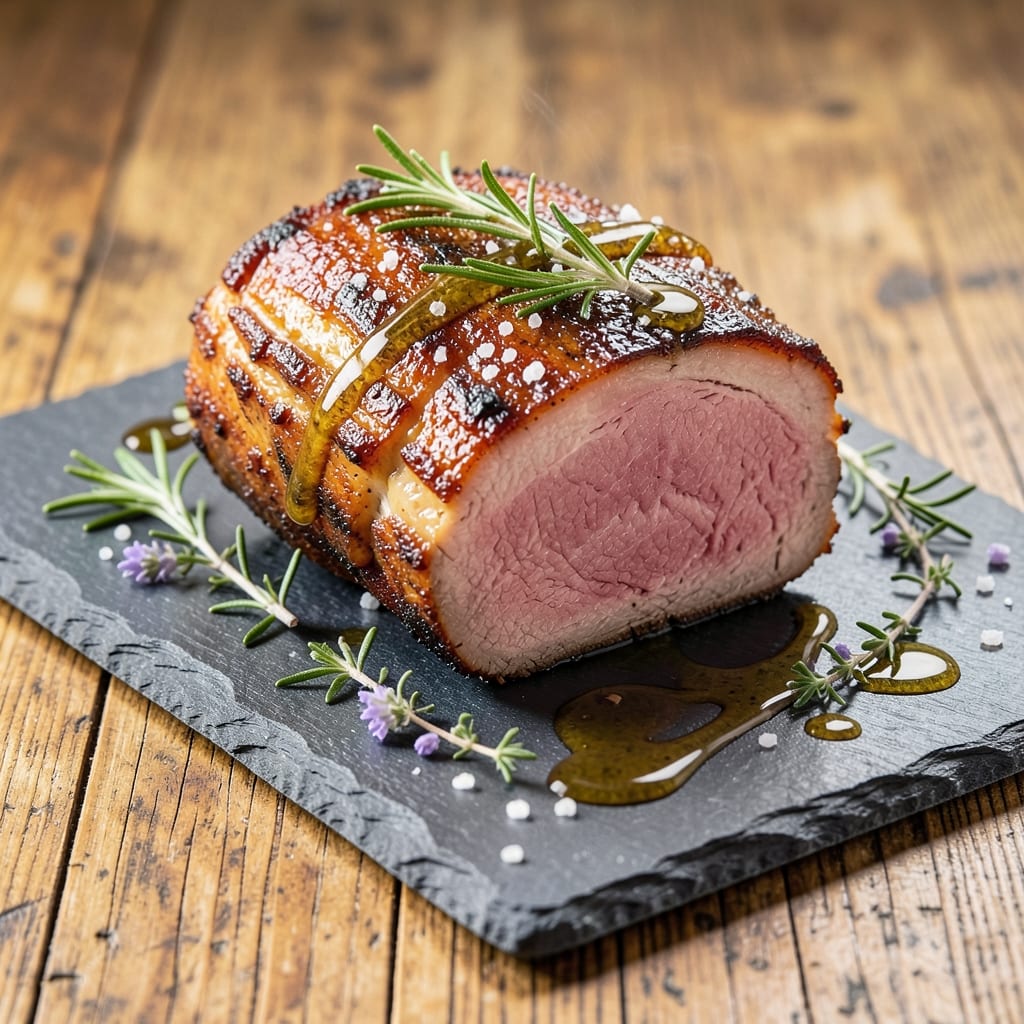
This 6-lb beef tenderloin roast recipe delivers melt-in-your-mouth perfection with a juicy pink center that’s impossible to resist. The secret lies in precise temperature control and a simple seasoning blend that enhances—not overpowers—the beef’s natural richness. After years of perfecting this technique, I’ve cracked the code for restaurant-quality results at home, every time.
The process is surprisingly straightforward: a low-and-slow start ensures even cooking, while a final high-heat sear creates a caramelized crust. A meat thermometer is non-negotiable here—we’re aiming for 125°F internal temp for medium-rare, then letting it rest to lock in those juices. No guesswork, no dry meat, just tender, flavorful slices that disappear faster than you can say "dinner’s ready."
What you’ll end up with is a 6-lb centerpiece that commands attention—golden-brown on the outside, velvety and pink inside, with a depth of flavor that makes every bite worth the effort. The key is patience: letting the beef rest after cooking is where the magic happens, transforming a good roast into an unforgettable one.
Serve with classic sides like roasted garlic mashed potatoes or a crisp green salad to balance the richness. This isn’t just a recipe—it’s a showstopper that turns weeknight dinners into special occasions. Let’s get started on that perfect roast.
Ingredients for 6 lb beef tenderloin roast
The secret to a perfect 6-lb beef tenderloin starts with these quality ingredients and precise technique.
| Ingredient | Amount | Notes |
|---|---|---|
| Beef Tenderloin Roast 🥩 | 6 lb | Center-cut, trimmed of silver skin |
| Kosher Salt 🧂 | 1 ½ tbsp | Diamond Crystal preferred |
| Freshly Ground Black Pepper 🌶️ | 1 tbsp | Coarse grind for texture |
| Extra-Virgin Olive Oil 🫒 | 2 tbsp | High-quality for searing |
| Fresh Rosemary 🌿 | 2 sprigs | Thick stems for skewering |
| Fresh Thyme 🌿 | 4 sprigs | Leaves only for seasoning |
| Garlic Cloves 🧄 | 6 cloves | Smashed for aroma infusion |
| Unsalted Butter 🧈 | 4 oz | Cold, cubed for basting |
| Vegetable Oil 🫒 | ½ cup | High smoke point for oven |
| Meat Thermometer 🌡️ | 1 whole | Instant-read preferred |
| Baking Sheet 🍳 | 1 whole | Heavy gauge for even heat |
| Aluminum Foil 📄 | 1 sheet | Heavy-duty for tenting |
The beef tenderloin is non-negotiable here—look for a center-cut roast with even grain and good marbling. Butcher shops often have superior cuts compared to grocery stores, but if you're buying from a supermarket, check the USDA Prime or Choice label. The roast should be cold when you bring it home—if it's warm, it's been sitting too long. For best results, let it sit at room temperature for 30 minutes before cooking. The rosemary and thyme should be fresh, with vibrant green leaves and no brown stems—Whole Foods or local farmers markets are great spots for quality herbs. If you're using dried, reduce to one-third the amount of fresh.
No meat thermometer? This is the only way to guarantee perfect doneness. Taylor or Thermoworks make reliable models under $20. Running out of olive oil? Avocado oil works just as well for searing. The butter needs to be cold when you cube it—take it out of the fridge just before basting. No fresh herbs? Dried thyme and rosemary at half the quantity will work, but you'll lose some of that bright aroma. The garlic should be fresh—if it smells bitter, toss it. For extra flavor, smash the cloves with the side of your knife before adding them to the roast.
This roast is best served immediately after resting, but leftovers reheat beautifully. Wrap tightly in foil and refrigerate for up to 3 days—or freeze for 3 months. The basting butter keeps well in the fridge for 2 weeks if stored in an airtight container. For a crowd, double the recipe—just use a larger roasting pan and increase the cooking time by 15-20 minutes. The basting pan (if using) should be kept on the stove on low heat the entire time to prevent burning. Every 15 minutes, spoon the melted butter over the roast—this is where the magic happens.
Why You'll Love This Recipe
- Five-Ingredient Magic: I swear, this roast is foolproof with just salt, pepper, olive oil, and rosemary. No fancy rubs, no stress—just a handful of ingredients that transform into something restaurant-worthy.
- Crispy-Creamy Perfection: That rosemary crust? Pure satisfaction. The outside gets beautifully golden while the inside stays juicy—no dry bites here, just melt-in-your-mouth beef every slice.
- Sunday Dinner Hero: Between us, this is my go-to for gatherings. Big enough for a crowd but simple enough that I’m not stuck in the kitchen all day. (Yes, even on a Tuesday night.)
- Leftovers That Don’t Suck: Honestly, I make this on purpose for leftovers. Slice it thin for sandwiches, dice it for tacos, or just reheat with a splash of broth—it’s always better the second time around.
Step-by-step instructions for perfectly cooked beef tenderloin roast
Here's how to achieve a perfectly tender, juicy center with a golden crust every time.
Prepare and Season the Beef Tenderloin
Remove the beef tenderloin roast from the refrigerator and let it sit at room temperature for 1 hour before cooking. This ensures even cooking throughout. Pat the roast dry completely with paper towels—this step is crucial for achieving a good sear and crispy exterior. The reason we dry it so thoroughly is that any moisture on the surface will steam the meat instead of allowing it to develop that beautiful crust.
In a small bowl, combine the 1.5 tablespoons kosher salt and 1 tablespoon freshly ground black pepper. Rub this mixture all over the roast, pressing gently to ensure the seasoning adheres evenly. For extra flavor, insert the 2 sprigs fresh rosemary and 4 sprigs fresh thyme into the roast, leaving the stems exposed. This infuses the meat with aromatic oils as it cooks. Finally, rub the roast with the 2 tablespoons extra-virgin olive oil to help create a golden crust and add richness.
Sear the Roast for Maximum Flavor
Preheat your oven to 450°F with the baking sheet inside to ensure it's scorching hot when you place the roast on it. Heat 0.5 cup vegetable oil in a large oven-safe skillet over medium-high heat until it shimmers. Place the roast in the skillet and sear for 2-3 minutes per side until it develops a deep golden-brown crust. This searing step locks in juices and creates a flavorful crust that's essential for a restaurant-quality roast.
Here's the thing—don't rush this step. You'll know it's ready when the roast releases easily from the pan and the crust is uniformly browned. If it sticks, don't force it; let it cook a bit longer. The goal is to develop that beautiful crust while keeping the interior perfectly pink and tender.
Roast to Perfect Medium-Rare
Transfer the seared roast to the preheated baking sheet and place it in the oven. Roast for 20-25 minutes, or until the internal temperature reaches 125°F on a meat thermometer. This temperature ensures a juicy pink center that's perfect for those who prefer medium-rare doneness. The roast should still feel slightly cool to the touch in the center—this is your indicator that it's not overcooked.
Don't be tempted to open the oven door to check on the roast. Every time you open it, you lose heat and moisture, which can lead to a dry roast. Trust the thermometer and the cooking time. The roast will continue to cook slightly as it rests, so removing it at 125°F ensures you hit that perfect medium-rare finish.
Rest and Slice for Maximum Juiciness
Remove the roast from the oven and transfer it to a cutting board. Let it rest for 15-20 minutes before slicing. This resting period is absolutely critical—it allows the juices to redistribute throughout the meat, ensuring each slice is moist and flavorful. If you skip this step, you'll end up with dry, disappointing meat. The roast should feel warm but not hot to the touch when you're ready to slice.
Slice the roast against the grain into 1-inch thick pieces. The grain direction is easy to spot—it's the lines running through the meat. Slicing against the grain shortens the muscle fibers, making each bite more tender. Serve immediately with a simple pan sauce made from the drippings in the skillet, if desired. The result should be a perfectly cooked, juicy roast with a beautiful pink center and a flavorful crust.
Pro Tips For Making 6 Lb Beef Tenderloin Roast
- Season the Night Before: I learned this the hard way—salting a 6-pound tenderloin right before roasting leaves it too wet on the outside. Instead, sprinkle that kosher salt (about 1.5 teaspoons per pound) and let it sit uncovered in the fridge for 12-24 hours. The salt will penetrate deeper, and the crust will form like magic when you sear it later. ---
- Sear at 450°F First: High heat. Seriously, crank your oven to 450°F for the first 10 minutes with the tenderloin on a rack over a sheet pan. This locks in juices and builds that flavorful crust before you lower the temp to 325°F for the rest. (Yes, even if you're impatient like me.) ---
- Skip the Rosemary Sprigs: Whole rosemary sprigs look pretty, but they don’t infuse flavor evenly in a big roast. Instead, finely chop 3-4 sprigs (about 2 tablespoons) and mix it into the olive oil you’re using to coat the meat. Brush it on generously—this guarantees every bite gets that herby depth. ---
- Use a Meat Thermometer: Guessing doneness with a 6-pound roast is a recipe for disaster. Insert the probe into the thickest part—it should hit 125°F for medium-rare. Pull it out before it reaches your target temp, then let it rest. (Your future self will thank you for not cutting into it early.)
Regional styles of this dish
Classic American Style
The most straightforward approach is the American-style beef tenderloin, where simplicity meets perfection. Here, the roast is seasoned with just kosher salt, black pepper, and fresh herbs—no fancy marinades or complex rubs. The key is the high-heat sear followed by a low-and-slow finish in the oven. Serve with classic sides like roasted garlic mashed potatoes or a crisp green salad to balance the richness. This version is all about showcasing the beef's natural flavor without distraction. 🥩
French Technique
For a more refined approach, try the French method of cooking beef tenderloin. After searing, transfer the roast to a low-temperature oven (275°F) and cook it slowly until it reaches 125°F internal temperature. The French also emphasize basting with butter—melt 4 oz cold butter with 2 smashed garlic cloves and spoon it over the roast every 15 minutes for extra richness. Finish with a red wine reduction made from the pan drippings for a restaurant-worthy touch. 🍷
Texas BBQ Twist
In Texas, beef tenderloin gets a bold, smoky treatment. After seasoning with salt and pepper, coat the roast in a smoky dry rub made with 1 tbsp smoked paprika, 1 tsp garlic powder, and ½ tsp cayenne. Sear it in a cast-iron skillet over medium-high heat, then finish it in a smoker at 250°F until it hits 125°F internal temp. The result is a caramelized, slightly charred crust with deep smoky notes. Serve with Texas toast and pickled onions for a true Lone Star flavor. 🌶️
Italian Herb Crust
For an Italian-inspired version, swap the rosemary and thyme for fresh sage and oregano, and add a garlic-infused olive oil rub. After searing, let the roast rest for 15 minutes, then slice and pan-sear the slices in the same skillet with 2 tbsp butter and 4 minced garlic cloves until golden. Deglaze the pan with ½ cup dry white wine and a splash of beef broth to make a quick herb-infused pan sauce. This method keeps the beef juicy and tender while adding a bright, aromatic crust. 🌿
Asian-Inspired Glaze
Give your tenderloin an Asian-inspired twist by brushing it with a honey-soy glaze during the last 10 minutes of cooking. Mix 3 tbsp soy sauce, 2 tbsp honey, 1 tbsp rice vinegar, and 1 tsp grated ginger, then apply it generously to the roast. Finish with a sprinkle of sesame seeds and sliced green onions for a sweet-savory balance. This version pairs beautifully with jasmine rice and stir-fried vegetables for a fusion feast. 🍯
Herb-Crusted French
For a luxurious herb-crusted version, mix 1 cup panko breadcrumbs, 2 tbsp chopped parsley, 1 tbsp chopped chives, 1 tsp Dijon mustard, and 2 tbsp melted butter. Press this mixture firmly onto the roast after searing, then roast at 400°F until the crust is golden and crispy. This technique adds texture and depth, making each bite unforgettable. Serve with a balsamic reduction to complement the herby crust. ✨
Nutrition facts
Frequently asked questions
How long should I let a 6 lb beef tenderloin rest before cooking?
Always let your roast sit at room temperature for 1 hour before cooking. This ensures even cooking throughout and prevents cold spots in the center. The larger the roast, the more important this step becomes—skipping it can lead to uneven doneness or a dry exterior.
What's the best internal temperature for medium-rare beef tenderloin?
For perfect medium-rare, aim for 125°F internal temperature using a meat thermometer. The roast will rise to 130°F while resting, giving you that ideal pink center. Never guess—this is the only way to guarantee consistent results every time.
Can I cook a 6 lb tenderloin without a meat thermometer?
While possible, it's risky. Without a thermometer, use the finger test: press gently in the center—it should feel slightly cool (not warm) for medium-rare. For a 6 lb roast, this typically takes 20-25 minutes at 450°F after searing. But for absolute precision, invest in a quality thermometer—it's a game-changer.
How do I prevent my beef tenderloin from drying out?
Three key steps:
- Don't overcook—remove at 125°F for medium-rare,
- Rest for 15-20 minutes before slicing, and
- Sear first to lock in juices. Also, avoid cutting into it too soon—the juices need time to redistribute. A 6 lb roast should yield 6-8 servings when sliced properly.
What's the best way to reheat leftover beef tenderloin?
Slice the roast first, then reheat in a skillet over medium-low heat with a splash of beef broth for 2-3 minutes per side. Never microwave—it makes the meat tough. For whole leftovers, wrap tightly in foil and bake at 300°F for 15-20 minutes. The goal is to warm through without overcooking.