Main Courses
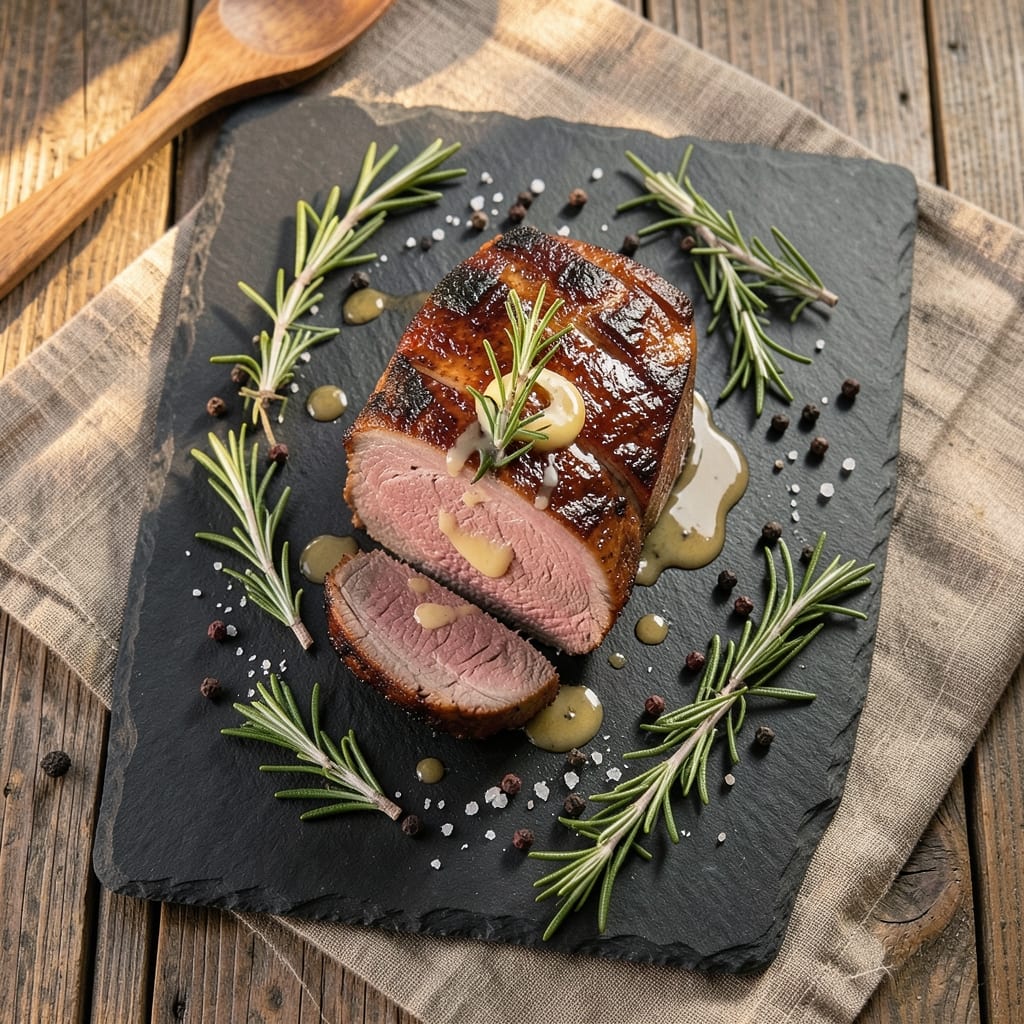
Mastering a 7 lb beef tenderloin transforms any dinner into an unforgettable centerpiece, where every slice delivers buttery tenderness and perfect medium-rare juiciness. The secret lies in precise temperature control—starting with a dry brine overnight to lock in moisture, then searing over high heat to build a flavorful crust before finishing in a carefully monitored oven. This method ensures restaurant-quality results at home, with a herb-crusted exterior that adds depth without overpowering the beef's natural elegance.
The process begins with trimming the tenderloin to even thickness, ensuring consistent doneness, and seasoning it generously with coarse salt and freshly cracked black pepper. A blend of rosemary, thyme, and garlic butter forms the flavorful crust that seals in juices during cooking. Using a meat thermometer is non-negotiable—aim for an internal temperature of 125°F for medium-rare, then let it rest for 20 minutes before slicing to retain those precious juices. This patience pays off in every succulent bite.
Pairing this showstopper with complementary sides like garlic mashed potatoes and roasted asparagus creates a harmonious plate that balances richness and freshness. The herb crust adds visual appeal, making it perfect for special occasions or when you want to impress guests without stress. With this technique, even novice cooks can achieve professional-level results that taste like they came from a high-end steakhouse.
For those who prefer alternative methods, a reverse sear or sous vide approach can also deliver exceptional tenderness, though the oven-roast technique remains the most accessible for home cooks. The key to success lies in attention to detail—temperature control, proper resting, and precise slicing—all of which elevate this dish from ordinary to extraordinary. Let’s get cooking!
Ingredients for 7 lb beef tenderloin
Restaurant-quality beef tenderloin starts with precise ingredients and technique for flawless medium-rare perfection.
| Ingredient | Amount | Notes |
|---|---|---|
| Beef Tenderloin 🥩 | 7 lb | Center-cut, trimmed even thickness |
| Coarse Kosher Salt 🧂 | ½ cup | Diamond Crystal preferred, for dry brine |
| Freshly Cracked Black Peppercorns 🌶️ | 2 tbsp | Coarsely ground, not pre-ground |
| Unsalted Butter 🧈 | ½ cup | Cold, cubed, for herb crust |
| Fresh Rosemary 🌿 | ¼ cup | Finely chopped, stems removed |
| Fresh Thyme 🌿 | ⅛ cup | Leaves only, finely chopped |
| Garlic Cloves 🧄 | 8 whole | Minced, for butter compound |
| Extra-Virgin Olive Oil 🫒 | ¼ cup | For searing and basting |
| Vegetable Oil 🫒 | ½ cup | High smoke point for searing |
| Fresh Parsley 🌿 | 0.1 cup | Chopped, for garnish |
| Meat Thermometer 🌡️ | 1 whole | Instant-read preferred |
The beef tenderloin is the star—look for a center-cut roast with even thickness for consistent doneness. Whole Foods Market or high-end butchers like D'Artagnan carry premium cuts, but most grocery stores stock quality tenderloins. Trim any silver skin or uneven edges before brining; this ensures even cooking and a clean presentation. The herb crust relies on fresh rosemary and thyme—organic varieties from the grocery store's produce section work best, as they retain their aromatic oils better than dried substitutes. For the butter compound, use European-style unsalted butter like Plugrá for superior flavor development during searing.
No fresh rosemary? Substitute with 1 tablespoon dried rosemary leaves, but reduce to one-third the amount. Pre-ground pepper loses potency quickly—crack fresh peppercorns using a mortar and pestle for maximum flavor. The olive oil should be extra-virgin with a fruity aroma—avoid heavily filtered brands that lack character. For the vegetable oil, avocado oil or refined sunflower oil works best for high-heat searing. If you're short on time, a reverse sear method (sous vide to 115°F followed by sear) delivers equally impressive results. The parsley garnish is optional but adds a pop of color and freshness that elevates the presentation.
Prep the tenderloin the night before by applying the dry brine—this step is non-negotiable for juicy results. Store the brined tenderloin uncovered on a wire rack in the fridge for 12-24 hours, allowing excess moisture to evaporate. The herb butter compound should be made 2 hours ahead and chilled until ready to use. For serving, slice the tenderloin against the grain into 1-inch thick medallions for optimal tenderness. Leftovers reheat best in a 350°F oven for 10-15 minutes, covered with foil, though this dish is best enjoyed fresh. Portion any extra into vacuum-sealed bags for freezing up to 3 months—thaw overnight in the fridge before reheating.
Why You'll Love This Recipe
- Hands-Off Roast: I swear by the reverse sear method here—just salt, pepper, and a low oven. No basting, no fussing. The rosemary butter bastes itself while you sip wine and pretend you’re a fancy chef.
- Herb-Crusted Magic: That crispy, golden crust from the butter and rosemary? It’s the kind of flavor that makes people ask, “What’s in this?” while you smile and say, “Just love.” The peppercorns add a sharp bite that cuts through the richness perfectly.
- Leftovers for Days: A 7-pound roast means dinner for a crowd and lunches for the week. Slice it thin for sandwiches, dice it for tacos, or just reheat it in the oven—it stays juicy and delicious. (Yes, I’ve done this. It works.)
- Weeknight Hero: No fancy prep, no stress. You season, you roast, you rest. That’s it. It’s my go-to for birthdays, game days, or when I’m too tired to care about cooking. The butter keeps it moist, and the salt makes everything taste better. (Science.)
Step-by-step instructions for herb-crusted beef tenderloin
Master this technique and you'll achieve a perfectly tender, herb-infused center-cut roast with flawless medium-rare doneness every time.
Prepare the Dry Brine Overnight
Place the 7 lb beef tenderloin on a wire rack set inside a rimmed baking sheet. In a small bowl, combine the 0.5 cup coarse kosher salt and 2 tbsp freshly cracked black peppercorns. Generously coat the entire surface of the beef with this mixture, pressing it into the meat so it adheres evenly. This dry brine process is crucial—it seasons deeply and helps create that perfect crust while keeping the interior incredibly tender.
Cover the beef loosely with plastic wrap and refrigerate for 24 hours. The cold, dry environment allows the salt to penetrate deeply into the meat fibers, which enhances flavor and moisture retention. Don't skip this step; it's what transforms good beef into exceptional beef. After brining, remove the tenderloin from the refrigerator and let it sit at room temperature for 1 hour before cooking to ensure even cooking throughout.
Create the Herb Butter Compound
While the beef comes to room temperature, prepare the herb butter compound. In a food processor, combine the 0.5 cup cold unsalted butter, 0.25 cup finely chopped fresh rosemary, 0.125 cup finely chopped fresh thyme leaves, and 8 minced garlic cloves. Pulse until the mixture is evenly combined and resembles coarse crumbs. The butter should be cold but not frozen—this ensures it will form a flavorful crust when applied to the hot beef.
Spread this herb butter mixture evenly over the entire surface of the beef, pressing gently to adhere. This step creates both flavor and a protective barrier that helps lock in juices during cooking. The herb butter will melt slightly as the beef cooks, creating that beautiful crust we're after while infusing the meat with aromatic flavors.
Sear the Beef for Maximum Flavor
Preheat your oven to 425°F. Heat 0.25 cup extra-virgin olive oil and 0.5 cup vegetable oil in a large oven-safe skillet over medium-high heat until the oil shimmers. Carefully place the beef in the skillet, fat-side down, and sear for 4 minutes per side until you achieve deep golden-brown color. This searing step is critical—it develops the Maillard reaction, creating complex flavors and that beautiful crust.
Transfer the skillet to the preheated oven and continue roasting for 15-20 minutes, or until the internal temperature reaches 120°F when measured with the meat thermometer. The beef will continue to cook as it rests, so we're aiming for slightly under medium-rare at this stage. Rotate the skillet halfway through cooking to ensure even heat distribution around the beef.
Rest and Slice for Perfect Texture
Remove the beef from the oven and transfer it to a cutting board. Tent loosely with aluminum foil and let it rest for 20-30 minutes. This resting period is absolutely essential—it allows the juices to redistribute throughout the meat, ensuring each slice is moist and tender. During this time, the internal temperature will rise to your desired medium-rare finish of 125-130°F.
Once rested, slice the beef against the grain into 12 equal portions. Garnish each slice with the 0.1 cup chopped fresh parsley for a pop of color and freshness. Serve immediately with the pan juices strained and reduced slightly if desired. The result should be a perfectly tender, herb-infused beef tenderloin with a beautiful crust and juicy interior that melts in your mouth.
Pro Tips For Making 7 Lb Beef Tenderloin
- CRACK THE PEPPER FIRST: Take 5 minutes to crush those black peppercorns in a mortar or rolling pin—don’t just sprinkle whole ones. I used to skip this, and while it didn’t ruin the dish, the flavor was noticeably less vibrant. The tenderloin’s surface deserves that fresh, sharp bite right from the start.
- SALT THE MEAT BEFORE SEARING: Pat the tenderloin dry, then season it generously with kosher salt at least 30 minutes before cooking. I learned this the hard way—salting after searing means the crust absorbs moisture and turns sad. Trust me, the salt needs time to work its magic.
- USE THE BUTTER CRUST WISELY: Melt the unsalted butter in a pan until it’s golden and foamy, then pull it off the heat right before adding the meat. If you keep it on high heat, the butter burns before the tenderloin gets that perfect crust. Sounds counterintuitive, but it guarantees a rich, glossy finish.
- REST IT UNDER FOIL: After roasting, don’t just plop the tenderloin on a cutting board—wrap it loosely in foil and let it rest for 20-30 minutes. I used to slice it immediately, and the juices pooled on the plate instead of staying in the meat. This step keeps every slice moist and tender.
Perfect pairings for 7 lb beef tenderloin
Classic Side Dishes
Garlic mashed potatoes are a must—their creamy texture and rich flavor complement the beef's tenderness beautifully. I make mine with 4 lbs Yukon Gold potatoes, ½ cup heavy cream, and ½ cup unsalted butter, then fold in 4 roasted garlic cloves for extra depth. Roasted asparagus with lemon zest adds a fresh contrast, while duchesse potatoes bring an elegant touch for special occasions. 🥔
For a heartier option, try creamy polenta with a sprinkle of Parmigiano-Reggiano and black pepper. The silky texture soaks up the pan juices beautifully. If you prefer vegetables, roasted Brussels sprouts with balsamic glaze and crispy pancetta add a satisfying crunch and tangy brightness.
Wine Pairings
A bold Cabernet Sauvignon from Napa Valley—like Opus One or Caymus Vineyards—cuts through the richness with its dark fruit and earthy notes. For something more approachable, a Merlot with its softer tannins and plum flavors works beautifully. I always open the bottle 30 minutes before serving to let it breathe and complement the herb crust's aromatics. 🍷
If you prefer white wine, a Chardonnay with noticeable oak—such as Kendall-Jackson Vintner's Reserve—adds a buttery contrast that enhances the dish. For a budget-friendly option, Pinot Noir from Oregon offers bright acidity that cleanses the palate between bites.
Beer Pairings
A malty amber ale like Fat Tire or Samuel Smith's Nut Brown Ale balances the beef's richness with its caramel and toasted malt notes. The slight bitterness helps cut through the fat, making each bite more enjoyable. For a lighter option, a pilsner like Pilsner Urquell provides crisp refreshment. 🍺
Craft beer lovers should try a Belgian-style dubbel—its dark fruit and spice notes complement the herb crust beautifully. If you prefer hoppier beers, an American pale ale with citrusy hops adds a bright contrast to the dish's richness.
Sauce Enhancements
Strain and reduce the pan juices with a splash of dry sherry and a pat of butter for a silky red wine reduction. Deglaze the skillet with ¼ cup red wine and 1 tbsp balsamic vinegar to create a tangy sauce that elevates every bite. For a creamier option, whisk in ½ cup crème fraîche and a pinch of Dijon mustard at the end. 🧂
Add a touch of truffle oil (just ½ teaspoon) to the pan juices for an earthy, luxurious finish. Alternatively, a sprinkle of fresh thyme leaves and a drizzle of aged balsamic glaze adds a sophisticated touch without overpowering the beef's natural flavors.
Nutrition facts
Frequently asked questions
How long should I let the 7 lb beef tenderloin rest before slicing?
Always rest the beef for 20-30 minutes after removing it from the oven. This crucial step allows the juices to redistribute, ensuring each slice stays moist and tender. Skipping this will result in dry, stringy meat that falls apart when cut. The internal temperature will rise about 5°F during resting, so don't worry if it's slightly under your target when you pull it from the oven.
Can I cook a 7 lb beef tenderloin without a meat thermometer?
While possible, using a meat thermometer is highly recommended for precision. Without one, you risk overcooking the center or undercooking the edges. For medium-rare, aim for about 20-25 minutes in a 425°F oven after searing, but this varies by oven. A good alternative is to cut into a small piece of chicken breast cooking alongside it—when the chicken reaches 165°F, your beef will be close to 125°F (medium-rare).
What's the best way to reheat leftover beef tenderloin?
Reheat slices in a 350°F oven for 10-15 minutes, covered with foil, until reaching 135°F internally. Microwaving is not recommended as it can make the meat tough. For maximum tenderness, slice leftovers into 1-inch medallions before reheating. Store in vacuum-sealed bags for up to 3 months in the freezer—thaw overnight in the fridge before reheating.
Should I trim the silver skin off my beef tenderloin?
Yes, always trim the tough silver skin before cooking. This connective tissue doesn't add flavor and can make the meat chewier. Use a sharp knife to carefully peel it away—it should come off easily. Trimming also ensures even cooking and a cleaner presentation when slicing. For a 7 lb tenderloin, aim for 1.5-2 inches of even thickness to promote consistent doneness throughout.
How do I adjust cooking time for a smaller tenderloin?
Cooking time scales roughly linearly with weight. For every 1 lb less than 7 lb, reduce oven time by about 4-5 minutes after searing. For example, a 5 lb tenderloin would cook about 15-18 minutes instead of 20-25 minutes. Always use a meat thermometer to verify doneness—smaller roasts may cook faster due to less mass to retain heat. Adjust searing time proportionally too (about 3-4 minutes per side for smaller cuts).