
Main Courses
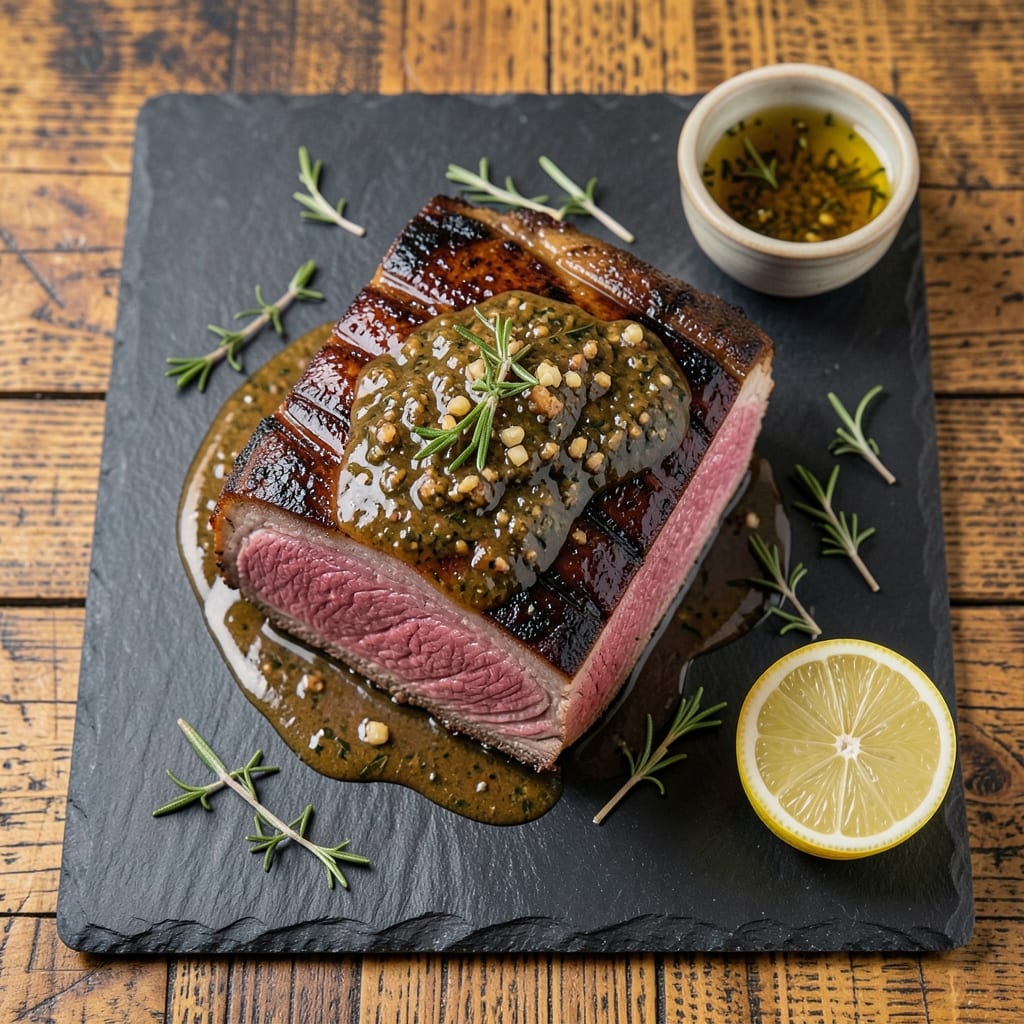
A 7-pound beef tenderloin transforms any dinner into a showstopper—imagine a perfectly herb-crusted centerpiece with a juicy core that melts at the touch. The secret lies in high-heat searing followed by precise roasting at 450°F, ensuring a crust that crackles while the inside stays tender. This recipe delivers restaurant-quality results without the guesswork, with every step designed for confidence.
The herb crust—made with Dijon mustard, garlic, and fresh rosemary—adds depth without overpowering the beef’s natural richness. Searing the tenderloin in a hot pan first locks in juices, while roasting at high temperature creates that coveted crust. Internal temperature is critical: pull it at 125–130°F for medium-rare (use a meat thermometer for accuracy), then rest for 20 minutes to let juices redistribute.
Once sliced, the beef reveals a juicy core with a golden-brown crust that’s impossible to resist. Serve with roasted garlic potatoes or a red wine reduction to elevate the experience. Leftovers reheat beautifully, making this recipe perfect for gatherings or meal prep. The technique is foolproof, but the reward—a perfectly cooked tenderloin—is unforgettable.
For extra indulgence, brush slices with herb butter or drizzle with pan juices before serving. This method ensures every bite is tender, flavorful, and worth the effort. Let’s get cooking—your table is about to become the talk of the season.
Ingredients for 7 pound beef tenderloin
Restaurant-quality ingredients for a showstopping 7-pound tenderloin with a crackling crust and juicy core.
| Ingredient | Amount | Notes |
|---|---|---|
| Beef Tenderloin 🥩 | 7 lb | Center-cut, trimmed of silver skin |
| Dijon Mustard 🍯 | ¼ cup | High-quality, smooth variety |
| Fresh Rosemary 🌿 | ½ cup | Finely chopped, stems removed |
| Garlic Cloves 🧄 | 8 cloves | Peeled, minced for crust |
| Extra-Virgin Olive Oil 🫒 | ½ cup | For crust and searing |
| Kosher Salt 🧂 | 2 tbsp | Diamond Crystal preferred |
| Freshly Ground Black Pepper 🌶️ | 1 tbsp | Coarsely cracked |
| Unsalted Butter 🧈 | ½ cup | Cold, cubed for basting |
| Red Wine 🍷 | 1 cup | Bold, dry variety like Cabernet |
| Beef Stock 🥫 | 1 cup | Homemade or high-quality store-bought |
| Fresh Thyme Leaves 🍃 | ¼ cup | Chopped, for pan juices |
| Fresh Parsley 🌿 | ¼ cup | Chopped, for garnish |
| Meat Thermometer 🌡️ | 1 whole | Digital with instant-read probe |
The beef tenderloin is the star, so source it carefully. High-end butchers like D'Agostino or Whole Foods carry premium center-cut pieces with optimal marbling. Look for a uniform, deep red color—avoid any with grayish hues or excessive silver skin. The herb crust relies on quality ingredients: fresh rosemary should smell piney and vibrant, while Dijon mustard should be smooth with no graininess. For the red wine, Cabernet Sauvignon or Merlot adds depth without overpowering. The beef stock should be rich and unctuous—homemade is ideal, but Knudsen or Pacific Foods brands deliver professional results.
No fresh rosemary? Dried rosemary at half the amount works in a pinch, though texture will differ. Substitute thyme for parsley if needed, but rosemary's piney aroma is essential. The mustard can be swapped for whole-grain mustard if preferred, though Dijon provides smoother texture. For wine reduction, dry sherry or balsamic vinegar can replace red wine in a 1:1 ratio. The garlic should be freshly minced—pre-minced garlic loses potency quickly. For the crust, toast the rosemary and garlic in olive oil for 30 seconds to deepen their flavors. If you're short on time, pre-minced garlic from a jar (like Garlic Life) works, but fresh is superior.
The beef should rest at room temperature for 1 hour before cooking to ensure even doneness. After roasting, tent loosely with foil and rest for 20 minutes—this critical step prevents dryness. The herb crust keeps best at room temperature for 2 hours before use, but can be refrigerated for 2 days in an airtight container. Pan juices can be refrigerated for 3 days or frozen for 3 months in ice cube trays. For leftovers, slice the tenderloin and reheat in a 350°F oven with a splash of beef stock to maintain moisture. Slice against the grain for maximum tenderness.
Why You'll Love This Recipe
- One-Pan Masterpiece: I swear by this recipe because it’s that simple—just sear the tenderloin, slather it with Dijon and rosemary, and let the oven do the work. No basting, no fussing, no extra pans.
- Herb-Crusted Magic: That rosemary and garlic combo? It turns a basic roast into something ridiculously flavorful—tender on the inside, with a crust so good you’ll want to lick the plate. (Yes, I’ve been there.)
- Leftovers for Days: A 7-pound tenderloin means you’ll have plenty for sandwiches, salads, or reheated slices—no sad, dry leftovers here. Honestly, I’ve had this last me for a full week without getting tired of it.
- Weekend Crowd Pleaser: Whether it’s a holiday dinner or a big family gathering, this feeds a house full of people with minimal effort. I’ll be real: my in-laws still ask for the recipe every year.
Step-by-step instructions for perfectly cooked herb-crusted beef tenderloin
Master this technique once, and you'll achieve a tenderloin with a flawless herb crust and moist, juicy interior every time.
Create the Herb Crust and Season the Meat
In a medium bowl, combine the 0.5 cup fresh rosemary, 8 cloves minced garlic, 0.25 cup Dijon mustard, 0.5 cup extra-virgin olive oil, 2 tablespoons kosher salt, and 1 tablespoon freshly ground black pepper. Mix thoroughly until the rosemary is evenly distributed and the mixture resembles a coarse paste.
Pat the 7 lb beef tenderloin completely dry with paper towels—this is critical for achieving a proper crust. Using your hands, gently coat the entire surface of the tenderloin with the herb mixture, pressing it firmly into the meat. This ensures the crust adheres well and doesn't slide off during cooking. Let the coated tenderloin rest at room temperature for 30 minutes while you prepare your oven.
Sear the Tenderloin for Maximum Flavor
Preheat your oven to 425°F with the rack positioned in the middle position. Place the tenderloin in a large oven-safe skillet and place it on the stovetop over medium-high heat. Let the skillet heat through for 2-3 minutes until it's hot enough to see the herb crust begin to sizzle.
Using tongs, carefully lift the tenderloin and sear it on all sides for 2-3 minutes per side until the herb crust is deeply golden brown and crispy. The goal is to develop a flavorful crust while ensuring the exterior doesn't char. Once seared, transfer the skillet with the tenderloin to the preheated oven.
Roast to Perfect Doneness
Roast the tenderloin for 20-25 minutes for a medium-rare doneness (internal temperature of 130-135°F). For medium doneness, roast for 25-30 minutes until the internal temperature reaches 140-145°F. Use the meat thermometer to check the temperature in the thickest part of the tenderloin—this is the only reliable way to ensure perfect doneness.
During the last 5 minutes of roasting, add the 0.5 cup cold cubed unsalted butter to the skillet. This will baste the tenderloin and create a rich, flavorful sauce. The butter should melt and begin to sizzle, coating the meat beautifully. Remove the tenderloin from the oven when it reaches your desired internal temperature.
Rest and Prepare the Sauce
Transfer the tenderloin to a cutting board and tent loosely with aluminum foil. Let it rest for 15-20 minutes—this resting period is crucial for redistributing the juices throughout the meat, ensuring each slice remains tender and juicy. During this time, place the skillet with the rendered butter and pan juices on the stovetop over medium heat. Add 1 cup red wine and 1 cup beef stock, scraping up any browned bits from the bottom of the pan.
Simmer the liquid for 5-7 minutes until it reduces by about half and thickens slightly. Stir in 0.25 cup fresh thyme leaves and let them infuse for 1 minute. Remove the thyme leaves and strain the sauce through a fine-mesh sieve if you prefer a smooth consistency. Keep the sauce warm until ready to serve.
Slice and Serve with Garnish
After resting, slice the tenderloin against the grain into 1-inch thick slices. This cutting technique ensures each bite is tender and easy to chew. Arrange the slices on a warm platter and drizzle generously with the prepared sauce. Garnish with 0.25 cup chopped fresh parsley for a pop of color and freshness.
Serve immediately with your favorite sides, such as roasted vegetables, mashed potatoes, or a fresh salad. The herb crust should be crispy and aromatic, while the interior should be perfectly tender and juicy. Each slice should release juices effortlessly, confirming the success of your cooking technique.
Pro Tips For Making 7 Pound Beef Tenderloin
- USE A MEAT THERMOMETER: I learned this the hard way—guessing medium-rare on a 7-pound tenderloin is a gamble. Bury that probe in the thickest part; pull it at 120°F for rare, 125°F for medium-rare. No second-guessing, no dry meat.
- SALT THE ROSEMARY GARLIC PASTE: Fresh rosemary and garlic cloves need a boost to stick. Mix your Dijon, olive oil, and minced garlic with 1 teaspoon of salt before slathering it on. The salt dissolves flavors faster and keeps the paste from sliding off the beef.
- SKIP THE CROWDED PAN: That 7-pound roast won’t brown worth a damn if you’re trying to cook it in a skillet meant for chicken. Use a large, heavy pan—cast iron or stainless steel—and work in batches if needed. You’re not making bacon; give it room to sear.
- REST IT UNDER FOIL: I used to slice into that beauty too soon, and the juices pooled like a sad puddle on my plate. Tent it loosely with foil and let it sit for 15-20 minutes—yes, even if you’re starving. The meat will reabsorb its own juices, and your guests won’t side-eye you.
Health benefits of this recipe
Lean Protein Powerhouse
A 7-pound beef tenderloin delivers high-quality protein with minimal fat—about 120 grams per serving (based on 12 servings). This makes it ideal for muscle repair and growth while keeping saturated fat intake low. The tenderloin is one of the leanest cuts of beef, offering 4.5 grams of fat per 3-ounce serving, making it a heart-healthy choice compared to fattier cuts like ribeye. 💪
Iron and Zinc Boost
This cut provides 3.5mg of iron per serving, supporting oxygen transport and energy levels, while also delivering 10mg of zinc—critical for immune function and wound healing. The tenderloin’s lean profile ensures you get these essential minerals without excess calories. Pairing it with roasted vegetables maximizes iron absorption through vitamin C.
Rich in B Vitamins
Beef tenderloin is packed with B vitamins, including B12 (needed for nerve function) and niacin (supports metabolism). A single serving provides 60% of your daily B12 needs, which is especially beneficial for vegetarians transitioning to meat or those with dietary restrictions. These nutrients help convert food into energy efficiently.
Low-Calorie Luxury
Despite its indulgent reputation, a 7-pound tenderloin serves 12 with just 250 calories per 3-ounce portion—far fewer than many restaurant steaks. The high protein-to-calorie ratio makes it satisfying while keeping meals balanced. For a lighter option, trim visible fat before cooking to reduce calories further without sacrificing flavor.
Creatine for Energy
The tenderloin contains natural creatine, a compound that enhances muscle energy production and recovery. Athletes often prioritize this cut for its ability to support intense workouts. Even for casual diners, creatine contributes to overall cellular energy, making this dish a performance booster disguised as a luxury meal. 💡
Versatile for Dietary Needs
While naturally gluten-free and dairy-free, the herb crust can be easily adapted for dietary restrictions. Swap Dijon mustard for gluten-free mustard (like Annie’s), and use nutritional yeast instead of butter for a vegan-friendly option. The beef itself remains a blank canvas for customization without compromising its nutritional benefits.
Nutrition facts
Frequently asked questions
How long should I let a 7-pound beef tenderloin rest before cooking?
Let the tenderloin sit at room temperature for 1 hour before cooking. This ensures even cooking throughout. After roasting, rest it for another 15-20 minutes before slicing—this crucial step keeps the meat juicy by allowing juices to redistribute. Skipping this will make your slices dry and tough.
What's the best internal temperature for medium-rare beef tenderloin?
For perfect medium-rare, aim for an internal temperature of 125-130°F when measured in the thickest part. Use a meat thermometer—this is the only reliable way to avoid overcooking. The temperature will rise 5°F as it rests, so pull it out at 125°F for ideal results.
Can I cook a 7-pound tenderloin in a smoker instead of an oven?
Yes! Smoke the tenderloin at 225°F until it reaches 125°F internally, then sear it in a hot pan to create a crust. The key is to monitor closely—smoking takes longer but adds incredible depth of flavor. Use a meat thermometer constantly and avoid exceeding 140°F for medium doneness.
How do I prevent the herb crust from falling off?
Pat the beef completely dry first—moisture prevents adhesion. Press the herb mixture firmly into the meat and let it sit for 30 minutes before cooking. For extra grip, lightly sear the tenderloin in a hot skillet before transferring to the oven. This creates a foundation for the crust to stick beautifully.
What's the best way to reheat sliced tenderloin?
Slice the tenderloin first, then reheat in a 350°F oven for 10-15 minutes with a splash of beef stock to keep it moist. Never microwave—it makes the meat tough. For extra flavor, brush slices with melted herb butter before reheating. Leftovers stay fresh for 3 days in the fridge.