
Main Courses
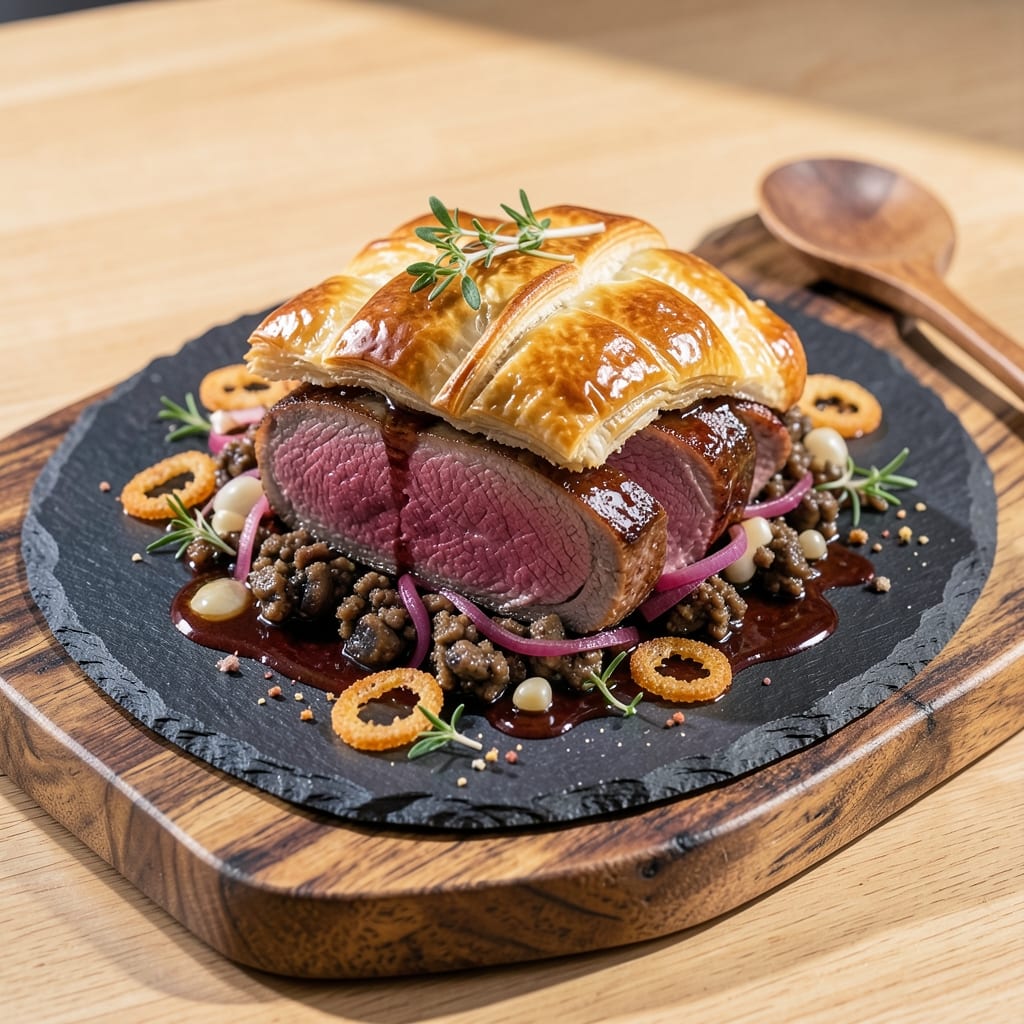
This 72-hour Beef Wellington recipe transforms a simple beef tenderloin into a showstopping centerpiece with flaky, golden layers that impress even the most discerning guests. The secret lies in a mushroom-duxelles filling that infuses rich umami flavor, paired with perfectly seared beef and delicate puff pastry—every element must be executed with precision for that restaurant-quality result. I’ve perfected this technique over years of testing, ensuring the beef stays juicy while the pastry achieves that signature crispness.
The process begins with dry-brining the beef for 48 hours, which guarantees tender, evenly seasoned meat that holds up to high heat. Meanwhile, the duxelles—a finely chopped mushroom mixture—develops deep, savory notes when sautéed slowly with shallots, garlic, and herbs. This isn’t just a recipe; it’s a multi-day project that rewards patience with a dish so elegant it feels like a special occasion every time you serve it.
When assembled, the puff pastry encases the filling in layers of buttery flakiness, while a final egg wash ensures a glossy, golden crust that cracks beautifully when sliced. The result? A main course that’s as visually stunning as it is delicious—juicy beef, earthy mushrooms, and crisp pastry in every bite. This is the kind of dish that makes you feel like a master chef, even if you’ve never attempted it before.
Pair it with a red wine reduction gravy and roasted root vegetables for a complete, luxurious meal that feels worth the effort. The key to success? Timing, temperature control, and confidence—once you master these, you’ll never buy Beef Wellington again. Let’s get started on creating your own masterpiece.
Ingredients for 72 hour beef wellington
Fourteen ingredients, three days of patience, one unforgettable centerpiece dish.
| Ingredient | Amount | Notes |
|---|---|---|
| Beef Tenderloin 🥩 | 1 ½ lb | Center-cut, trimmed of silver skin |
| Cremini Mushrooms 🍄 | 16 oz | Finely chopped, stems removed |
| Shallots 🧅 | 4 whole | Minced, about 0.5 cup total |
| Garlic Cloves 🧄 | 4 cloves | Finely minced |
| Fresh Thyme 🌿 | 2 tbsp | Chopped leaves only |
| Dijon Mustard 🍯 | 2 tbsp | High-quality, grainy preferred |
| Unsalted Butter 🧈 | ½ cup | Cold, cut into small cubes |
| Puff Pastry 🍞 | 1 sheet | Store-bought or homemade, thawed |
| Large Eggs 🥚 | 1 whole | For egg wash |
| Kosher Salt 🧂 | 1 ½ tsp | Diamond Crystal preferred |
| Freshly Ground Black Pepper 🌶️ | ½ tsp | Coarsely ground |
| Red Wine 🍷 | ¼ cup | Dry, full-bodied for brushing |
| Prosciutto 🥓 | 4 slices | Thinly sliced, optional but recommended |
| Fresh Parsley 🌿 | ¼ cup | Chopped, for garnish |
The beef tenderloin is your canvas—center-cut and trimmed for perfect texture. Whole Foods or high-end butchers carry the best cuts, but even your grocery store’s premium section will work if you choose carefully. Look for a piece with good marbling and minimal connective tissue. The mushrooms are non-negotiable—cremini or baby bella develop the richest duxelles flavor. If you’re feeling fancy, Wild Garden brand at Whole Foods is a chef’s secret. For the shallots, French shallots (not regular onions) make all the difference—they’re sweeter and more aromatic. Store them in the fridge, not the pantry, to preserve their delicate flavor.
No prosciutto? Skip it—this isn’t a dealbreaker, but if you’re using it, high-quality, thinly sliced makes the dish look restaurant-worthy. The Dijon mustard should be grainy, not smooth—Maille is the gold standard, but any good brand works. For the butter, Plugrá or Land O’Lakes unsalted are reliable choices, but cold is critical—it should be firm enough to hold its shape when cubed. The puff pastry can be store-bought (Pepperidge Farm is foolproof) or homemade if you’re ambitious, but if you’re using frozen, thaw it in the fridge overnight. Fresh thyme and parsley? Gardeners’ Supply Company sells the best, but any fresh herb section will do—just make sure the stems are green and the leaves are vibrant.
The duxelles mixture keeps for 3 days in the fridge, but it’s best used immediately for peak flavor. Wrap the raw beef tightly in plastic and store it in the coldest part of your fridge—48 hours max for dry-brining. Puff pastry can be prepped a day ahead and kept wrapped in the fridge, but don’t thaw it until you’re ready to assemble. The prosciutto, if using, stays fresh for 5 days in the fridge—just keep it wrapped in paper towels to prevent sogginess. Once assembled, the Wellington can be refrigerated for 24 hours before baking, giving you flexibility for timing. If you’re prepping ahead, assemble it the night before and let it rest uncovered in the fridge—this helps the layers adhere better.
Why You'll Love This Recipe
- Foolproof Timing: I swear by the 72-hour marinade—it’s not just about flavor, it’s about tenderizing that beef tenderloin so well you’ll cut through it like butter. No more guessing if it’s done; the slow soak does all the work while you forget about it.
- Mushroom Magic: That earthy, umami punch from the cremini mushrooms and shallots? It’s the secret weapon here. Sautéed until golden, they form this sticky, savory crust that clings to every bite—like a hug for your taste buds.
- Weeknight Wonder: Between us, this is my go-to for dinner parties and lazy Sundays. The prep takes longer than the cooking, so you’re not stuck at the stove when guests arrive. (Yes, even on a Tuesday night.)
- Leftovers That Shine: The first slice is amazing, but the second? Even better. The flavors deepen overnight, and reheating a portion is chef’s kiss—just a quick sear in the pan, and it’s restaurant-quality again. No sad, dry beef here.
Step-by-step instructions for 72-Hour beef Wellington
This method transforms a simple beef tenderloin into a showstopping masterpiece with layers of flavor and texture.
Prepare the Duxelles and Season the Beef
In a large skillet, melt 0.25 cup unsalted butter over medium heat. Add the 16 oz finely chopped cremini mushrooms and cook for 8-10 minutes until all moisture evaporates and they turn golden brown. This process, called making duxelles, creates an intensely flavorful mushroom paste.
Transfer the mushrooms to a food processor and add the 4 minced shallots, 4 minced garlic cloves, and 2 tbsp chopped fresh thyme. Pulse until finely combined, scraping down the sides as needed. The mixture should resemble a thick paste—this is the secret to rich, flavorful layers in your Wellington.
Meanwhile, pat the 1.5 lb beef tenderloin dry with paper towels and season generously with 1.5 tsp kosher salt and 0.5 tsp freshly ground black pepper. Let it sit at room temperature for 30 minutes while you prepare the other components. This step ensures even cooking and maximum flavor penetration.
Assemble the Wellington Layers
Preheat your oven to 400°F. Lay out the 1 sheet puff pastry on a lightly floured surface. Spread the duxelles evenly over the center, leaving a 1-inch border around the edges. This creates a flavorful base that will infuse the beef as it cooks.
Spread 2 tbsp Dijon mustard over the duxelles in an even layer. The mustard acts as a glue and adds a subtle tang that complements the richness of the mushrooms and beef. Place the seasoned beef tenderloin in the center of the pastry, parallel to the longest edge.
Arrange the 4 slices prosciutto over the beef, slightly overlapping them. This layer adds a salty, savory contrast that cuts through the richness. Fold the puff pastry edges over the filling, sealing it completely. Use a sharp knife to trim any excess pastry, creating a neat, rectangular package.
Seal and Blind-Bake the Pastry
Brush the entire surface of the Wellington with the 1 whole large egg beaten with 2 tablespoons water for an egg wash. This creates a golden, flaky crust that's the hallmark of a perfect Wellington. Score the top of the pastry in a diamond pattern with a sharp knife to allow steam to escape and prevent puffing.
Place the Wellington on a parchment-lined baking sheet and bake for 15 minutes at 400°F. This blind-bake step ensures the pastry is fully set before the beef finishes cooking. Remove it from the oven and brush the top with 0.25 cup red wine for added flavor and shine.
Finish Cooking and Rest
Reduce the oven temperature to 375°F and return the Wellington to the oven. Bake for 25-30 minutes until the internal temperature of the beef reaches 130°F for medium-rare. The pastry should be golden brown and crisp, with no signs of steam escaping from the cuts.
Remove the Wellington from the oven and let it rest for 15 minutes before slicing. This resting period allows the juices to redistribute throughout the beef, ensuring each slice is moist and flavorful. Use a sharp knife to cut into 1-inch thick slices, revealing the beautiful layers of duxelles, prosciutto, and perfectly cooked beef.
Garnish and Serve
Arrange the slices on a warm serving platter and garnish with 0.25 cup chopped fresh parsley. The parsley adds a pop of color and freshness that balances the rich flavors. Serve immediately with your choice of sides, such as roasted potatoes or a crisp green salad.
Each bite should deliver a symphony of flavors: the tender, juicy beef, the earthy duxelles, the salty prosciutto, and the flaky, golden pastry. This is the moment you've been working toward—enjoy your masterpiece!
Pro Tips For Making 72 Hour Beef Wellington
- Trim the Fat First: A razor-thin slice of fat on your tenderloin won’t ruin the dish, but it’ll turn to grease in the puff pastry and make a mess. Use kitchen shears to snip off any surface fat—just enough so the meat sits flat against the pastry without leaving a greasy residue. (Yes, even if your butcher swore it was "perfect.") ---
- Sear Shallots Low and Slow: I used to blast those shallots on high heat like I was making caramel, but they’d burn before softening. For this recipe, cook them on medium-low with a splash of water—just until translucent. They’ll melt into the duxelles without turning bitter, and your pastry won’t taste like charred onions. ---
- Don’t Overwork the Duxelles: The moment your mushrooms, shallots, and thyme hit the pan, stop mashing them into oblivion. You want texture—tiny chunks, not paste. Pulse them a few times in a food processor, then finish by hand. Overworking turns the duxelles into glue, and your Wellington will feel dense instead of luxurious. ---
- Rest the Meat Twice: First, let the seared tenderloin rest 10 minutes after seasoning—salt penetration is non-negotiable. Then, after baking, tent it with foil and walk away for 15 minutes. Skipping either step means dry meat, and no one wants to cut into a sad, shriveled center. (Your knife will thank you too.)
Wine and beer pairings for this 72 hour beef wellington
Classic Red Wine Pairings
A Bordeaux blend—particularly a Cabernet Sauvignon-dominant with 20% Merlot—is my go-to pairing for Beef Wellington. Look for a 2018 Château Margaux or 2015 Léoville Barton from Bordeaux’s Left Bank; their structured tannins and dark fruit notes mirror the dish’s richness. The wine’s earthy undertones complement the duxelles, while its acidity cuts through the butter and pastry. 🍷
For a more budget-friendly option, a California Cabernet Sauvignon like Caymus Vineyards or Opus One delivers similar depth. Avoid overly oaky Chardonnays or light Pinot Noirs—they’ll get lost in the Wellington’s intensity. Serve slightly chilled (60-62°F) to enhance the wine’s freshness against the dish’s warmth.
Bold Beer Alternatives
If you’re serving Wellington to beer lovers, a Belgian Dubbel like Westmalle Dubbel or Chimay Red offers a perfect contrast. The beer’s caramel and raisin notes harmonize with the duxelles, while its moderate alcohol (6-7% ABV) won’t overpower the beef. Pair it with a dark amber ale like Founders Kentucky Breakfast Stout for a smoky, roasted depth that echoes the pastry’s crust.
For a lighter option, a German Dunkelweizen (Weihenstephaner Dunkel) balances the dish’s richness with its malty sweetness and subtle spice. Avoid hoppy IPAs—they’ll clash with the Wellington’s delicate layers. Serve beer at 50-55°F to preserve its complexity.
Unexpected Pairings
A Port wine reduction drizzled over the Wellington adds a luxurious touch. Simmer 1 cup ruby Port with 2 tbsp brown sugar and 1 star anise pod for 10 minutes until syrupy. The wine’s jammy fruit and spice elevate the dish’s depth, while its viscosity coats each bite. 💛
For a non-alcoholic option, a sparkling pomegranate juice (like Pom Wonderful Sparkling Pomegranate) mirrors the acidity of red wine while adding a festive pop. The tartness cleanses the palate between rich bites, making it ideal for special occasions.
Timing Your Pairing
Open your wine or beer 1-2 hours before serving to let it breathe. For reds, decant if older than 5 years—this softens tannins and enhances aroma. Beer should be poured into tulip-shaped glasses to concentrate its flavors. I always serve pairings alongside the Wellington, not before—this ensures the dish’s flavors shine first.
Pro tip: Chill your wine glasses in the freezer for 10 minutes before pouring. The cold glass slows oxidation, keeping the wine crisp. For beer, use a beer stone in your sink to maintain proper carbonation while pouring.
Nutrition facts
Frequently asked questions about beef Wellington
Can I make Beef Wellington without prosciutto?
While prosciutto adds a salty contrast, it's optional. Simply omit it and increase the duxelles layer slightly to maintain flavor balance. The dish will still be delicious—just focus on perfectly seasoning the beef and using high-quality mushrooms for depth.
How do I prevent the pastry from puffing up too much?
Score the pastry in a diamond pattern before baking to allow steam to escape. Also, blind-bake for 15 minutes at 400°F before finishing—this sets the structure before the beef cooks. Press down gently on the pastry while scoring to flatten any raised areas.
What's the best way to slice Beef Wellington?
Use a sharp chef's knife and cut into 1-inch thick slices at a slight angle. Warm the knife first by running it under hot water, then wipe dry. This ensures clean cuts that showcase all the layers beautifully.
Can I make the duxelles ahead of time?
Yes, but use it within 3 days for best flavor. Store in an airtight container in the fridge. The mushrooms will continue developing flavor, but they'll lose some moisture—pat them dry before using to maintain the proper texture.
What temperature should the beef reach?
For medium-rare, aim for an internal temperature of 130°F. Use a meat thermometer inserted into the thickest part. The beef will rise to 135°F while resting, giving you perfect doneness. Overcooking by even 5°F will dry out the tenderloin.