
Soups & Stews
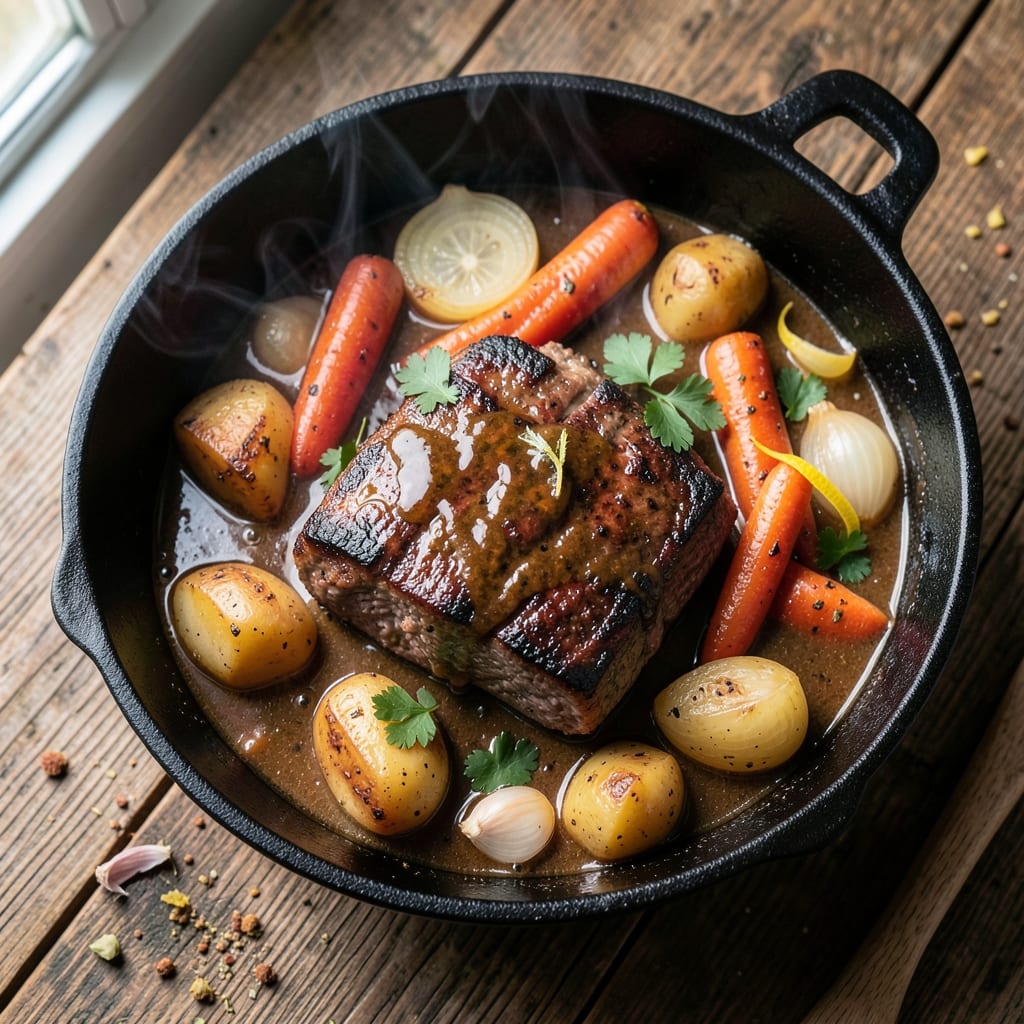
A1 beef stew recipe delivers the deep, savory richness of classic pub versions right in your kitchen. The secret lies in slow-braised beef chuck, caramelized vegetables, and that signature A1 sauce that ties everything together into a velvety, umami-packed masterpiece. I've perfected this recipe over years of testing, balancing traditional braising techniques with modern shortcuts for home cooks.
What sets this stew apart is the two-stage cooking process: first browning the beef for deep flavor, then slow-simmering until it becomes fork-tender. The A1 sauce isn't just an afterthought—it's the heart of the dish, adding its signature tangy-sweet depth while the stew reduces to perfect thickness. This isn't just another beef stew; it's a restaurant-quality comfort food that transforms tough cuts into melt-in-your-mouth perfection.
The result is a rich, aromatic stew with layers of flavor—caramelized onions, tender beef, and potatoes that soak up the sauce beautifully. The A1 sauce creates a glossy sheen that makes every bite irresistible, while the slow cooking ensures maximum tenderness. This is the kind of meal that warms the soul and fills your home with mouthwatering aromas.
Whether you're serving it with crusty bread or over buttered noodles, this A1 beef stew is a foolproof classic that works for family dinners or holiday gatherings. The best part? It tastes even better the next day as the flavors meld further. Let's get started on creating this pub-worthy masterpiece at home.
Ingredients for a1 beef stew
Sixteen ingredients for a stew that tastes like a pub classic. Nothing fancy, just deep flavor.
| Ingredient | Amount | Notes |
|---|---|---|
| Beef Chuck Roast 🥩 | 3 lb | Cut into 1.5-inch cubes |
| Yellow Onions 🧅 | 2 whole | Thinly sliced, about 4 cups |
| Carrots 🥕 | 4 whole | Peeled, cut into 2-inch chunks |
| Russet Potatoes 🥔 | 2 lb | Cut into 2-inch chunks |
| Garlic Cloves 🧄 | 6 cloves | Minced, about 2 tbsp |
| A1 Steak Sauce 🍯 | ½ cup | Original A1 sauce preferred |
| Beef Broth 💧 | 4 cups | Low-sodium preferred |
| Tomato Paste 🍅 | ¼ cup | Squeeze tube or canned |
| All-Purpose Flour 🌾 | 2 tbsp | For thickening |
| Worcestershire Sauce 🍶 | 1 tbsp | Anchovy-free if needed |
| Bay Leaves 🌿 | 2 whole | Fresh preferred |
| Black Peppercorns 🌶️ | 1 tsp | Freshly cracked |
| Salt 🧂 | 1 ½ tsp | Kosher or sea salt |
| Olive Oil 🫒 | ¼ cup | For browning beef |
| Fresh Thyme 🌿 | ¼ cup | Leaves only, chopped |
The beef is non-negotiable—chuck roast is the star here, with its perfect mix of fat and connective tissue that melts into tender perfection. Costco or Kroger usually carry it pre-cubed, which saves time, but if you're buying a whole roast, ask the butcher to cut it into 1.5-inch chunks for even cooking. Look for good marbling; that's where the flavor hides. The onions and carrots should be fresh—no limp, rubbery veggies here. Trader Joe's often has great prices on bulk onions, and carrots keep well in the fridge for weeks if stored properly.
No A1 sauce? Worcestershire sauce plus a splash of soy sauce gets you close, though it won't have that signature tang. Fresh thyme is ideal, but dried works at one-third the amount if that's what you've got. The tomato paste can be from a squeeze tube—Trader Joe's sells them for convenience, and they last months in the pantry. For the beef broth, low-sodium is key—you'll be adding plenty of salt later. If you're short on time, canned diced tomatoes can replace the tomato paste, but you'll lose some depth in flavor. The flour is just for thickening at the end—don't skip it, but don't overdo it either.
This stew tastes even better the next day, so make extra if you can. Store in the fridge for up to 5 days, or freeze portions for 3 months. I like to portion it into individual containers before freezing—just reheat with a splash of water or broth. The A1 sauce keeps well in the pantry, so buy extra if you're making this often. Fresh herbs like thyme and bay leaves can be stored in the fridge for 1 week if wrapped in damp paper towels, but dried herbs work just fine too.
Why You'll Love This Recipe
- One-Pot Magic: I swear by this—just dump everything in one pot, and let it work its magic. No chopping like a fine-dining chef, no fancy gadgets. The chuck roast practically melts into tender perfection while I sip my coffee.
- Deep Umami Bomb: That A1 sauce? It’s the secret weapon here. The beef gets so rich and caramelized, the onions turn sweet, and the garlic? Oh, it’s there—layered under all that savory depth. Every bite tastes like a hug from a slow-cooked Sunday.
- Leftovers That Beg: Between us, this stew tastes better the next day. I make a double batch on Sundays, freeze half, and pull it out for lazy nights when I don’t want to cook. My kids fight over the last bowl—no exaggeration.
- Budget Beef Power: A chuck roast is cheap, but it feels like a splurge. You get miles of flavor for pennies, and the potatoes soak up all that beefy goodness. Honestly, it’s the kind of meal that makes grocery bills feel less painful.
Step-by-step instructions for A1 beef stew
Here's how to create that rich, velvety stew with deep umami flavor—just like you'd find in a classic pub.
Sear the Beef for Maximum Flavor
Heat the 0.25 cup olive oil in a large Dutch oven over medium-high heat until shimmering. Working in batches, add the 3 lb beef chuck roast (cut into 1.5-inch cubes) and sear for 3-4 minutes per side until deeply browned. This step is crucial—it develops the Maillard reaction that creates that deep, caramelized flavor in your stew.
As you sear, don't overcrowd the pan. If the beef releases its juices and starts to steam, reduce the heat slightly and give it a minute to evaporate before adding more. Once all the beef is browned, remove it from the pot and set it aside on a plate.
Build the Rich Base with Aromatics
In the same Dutch oven, add the 2 whole yellow onions (thinly sliced) and cook for 5 minutes until softened and golden. Stir occasionally to prevent burning. Add the 4 whole carrots (cut into 2-inch chunks) and 2 lb russet potatoes (cut into 2-inch chunks), then cook for another 5 minutes to lightly brown their edges.
Next, add the 6 cloves garlic (minced) and the 0.25 cup fresh thyme (chopped leaves only). Cook for 1 minute until fragrant—this releases their essential oils and infuses the base with aromatic depth. Sprinkle in the 1 tsp black peppercorns and 1.5 tsp salt, stirring to coat the vegetables evenly.
Create the Flavor Foundation
Sprinkle the 2 tbsp all-purpose flour over the vegetables and stir vigorously for 1-2 minutes until the flour turns golden brown. This creates a roux that will thicken your stew and add body. Immediately pour in the 4 cups beef broth and scrape up any browned bits from the bottom of the pot—these contain concentrated flavor.
Add the 0.25 cup tomato paste and stir until fully incorporated. The tomato paste adds a subtle sweetness and helps balance the richness of the beef. Bring the mixture to a gentle simmer, then stir in the 1 tbsp Worcestershire sauce and 0.5 cup A1 steak sauce. Taste and adjust the seasoning if needed—this is where the classic pub flavor comes through.
Simmer to Perfection
Return the seared beef to the pot along with the 2 whole bay leaves. Bring the stew to a boil, then reduce the heat to low and cover partially. Let it simmer for 2.5-3 hours, stirring occasionally. You want the beef to become fork-tender and fall apart easily when pierced with a fork.
About 30 minutes before the stew is done, check the consistency. If it's too thin, mix 1 tbsp cornstarch with 1 tbsp cold water and stir it into the stew. Simmer for another 5-10 minutes to thicken it to your desired consistency. The stew should coat the back of a spoon but still be easy to ladle.
Finish and Serve
Once the beef is tender and the stew has thickened, remove the bay leaves. Taste and adjust the seasoning one final time—this is where you can really customize it to your preference. Serve the stew hot, ladled over crusty bread or buttered egg noodles, with a sprinkle of fresh parsley if you like.
The beauty of this stew is that it tastes even better the next day. The flavors meld and deepen, making it a perfect meal for a cozy evening or a hearty gathering. Leftovers keep well in the refrigerator for up to 4 days or can be frozen for 3 months—just thaw and reheat gently on the stove.
Pro Tips For Making A1 Beef Stew
- Sear the Chuck First: After burning through three batches of stew where the meat stayed bland, I finally committed to searing the beef chuck roast in two batches—skin-on-side down first, then flipped. High heat for 4-5 minutes per side until deep brown. This isn’t just for looks; it builds flavor that won’t dissolve into the sauce later. (Yes, it takes patience, but skipping this is like serving a hug without the warmth.)
- Cut Potatoes Last: I used to add whole potatoes at the start, thinking they’d soften evenly. They did—but they turned to mush while the beef stayed tough. Instead, parboil the Russets for 5 minutes, then slice them after the beef has cooked down for 2 hours. Add them in the final 45 minutes; they’ll soak up the A1 sauce perfectly without falling apart.
- Deglaze with A1 Early: That bottle of A1 isn’t just a finish—it’s the backbone of the stew. After browning the onions and garlic, pour in 1/3 cup of A1 sauce right away and let it simmer for 2 minutes before adding liquids. This locks in the caramelized bits that would otherwise settle at the bottom. (I learned this when my first batch tasted like it was missing something—turns out, it was flavor, not salt.)
- Use Whole Carrots: Chopped carrots disappear into the stew, leaving you guessing if they’re even there. Leave them whole (peeled, but uncut) until the last 30 minutes. They’ll hold their shape, add texture, and release sweetness without turning to sludge. If you’re worried about size, pick smaller carrots—they’ll cook faster and stay intact. (Your future self will notice the difference.)
Troubleshooting perfect results
Overcooked Beef Fix
If your beef turns out tough instead of tender, it likely didn’t simmer long enough. The key is patience—chuck roast needs 2.5-3 hours on low heat to break down properly. If you’re short on time, try adding 1 cup extra beef broth and simmering uncovered for 15-20 minutes to help tenderize. For extra insurance, add 1 tsp baking soda to the pot (it raises the pH and softens the meat). 💡
Sauce Too Thin?
A1 sauce can dilute quickly, but don’t rush to thicken. First, let the stew reduce uncovered for 10-15 minutes on medium heat. If it’s still too thin, mix 1 tbsp cornstarch with 1 tbsp cold water and stir in slowly. For a smoother texture, whisk vigorously to avoid lumps. Pro tip: A splash of Worcestershire sauce adds depth without thickening.
Vegetables Mushy
Potatoes and carrots absorb liquid quickly, turning mushy if overcooked. Add them to the pot 30 minutes before the beef is done—this ensures they’re tender but still hold their shape. For extra structure, parboil them for 5 minutes before adding to the stew. If they’re already too soft, drain excess liquid and stir in 1 tbsp tomato paste to thicken the sauce.
Weak A1 Flavor
If the A1 taste is missing, it might be diluted. Reduce the stew uncovered for 20 minutes to intensify flavors. For a quick fix, stir in 1 tbsp soy sauce or 1 tsp fish sauce (if you avoid anchovies). If you’re using a substitute, add ½ tsp smoked paprika and ½ tsp brown sugar to mimic A1’s tangy-sweet balance. Taste as you go—this sauce is the heart of the dish! 🍯
Burnt Onions
Onions caramelize quickly and can burn if left unattended. Keep your heat at medium-low and stir every 2-3 minutes until golden. For extra insurance, add 1 tbsp water or broth to deglaze the pan if they start to stick. If they’re already burnt, remove them and start fresh—burnt flavor ruins the whole stew.
Freezer Burn Prevention
Freezing stew properly keeps it delicious for months. Portion into airtight containers or heavy-duty freezer bags, leaving 1 inch of headspace for expansion. Press out excess air and label with the date. Thaw overnight in the fridge, then reheat gently on the stove with 2 tbsp extra broth to restore moisture. Never microwave directly from frozen—it creates a rubbery texture. ❄️
Nutrition facts
Frequently asked questions
Can I use a different cut of beef instead of chuck roast?
You can substitute with brisket or short ribs, but chuck roast is ideal because its fat content creates rich flavor while breaking down beautifully. For leaner cuts like sirloin, add 1 extra tablespoon of oil when searing and simmer for 10-15 minutes longer to prevent dryness.
How can I make this stew in a slow cooker?
Brown the beef first in a skillet, then transfer it to your slow cooker with all ingredients except the flour. Cook on low for 8 hours or high for 4-5 hours. In the last 30 minutes, stir in 1 tablespoon cornstarch mixed with 1 tablespoon water to thicken the sauce. The slow cooker makes this a perfect hands-off meal!
What's the best way to reheat leftovers?
Reheat gently on the stove over medium-low heat for 10-15 minutes, stirring occasionally and adding 2-3 tablespoons of beef broth or water if the stew seems too thick. Never microwave directly from the fridge—this creates a watery texture. For extra richness, stir in 1 teaspoon of A1 sauce while reheating.
Can I make this stew without A1 sauce?
Yes! Replace the A1 with 1 tablespoon Worcestershire sauce plus 1 teaspoon soy sauce for a similar umami depth. For a sweeter alternative, use 1 tablespoon ketchup plus ½ teaspoon brown sugar. The key is balancing the tangy and sweet notes that A1 provides.
How do I know when the beef is tender enough?
The beef should be fork-tender, meaning it should easily shred with a fork and separate into small pieces. Test by piercing a piece—if it offers no resistance and the juices run clear, it's done. For extra insurance, cook until the internal temperature reaches 203°F (95°C), which fully breaks down the connective tissue.