
Main Courses
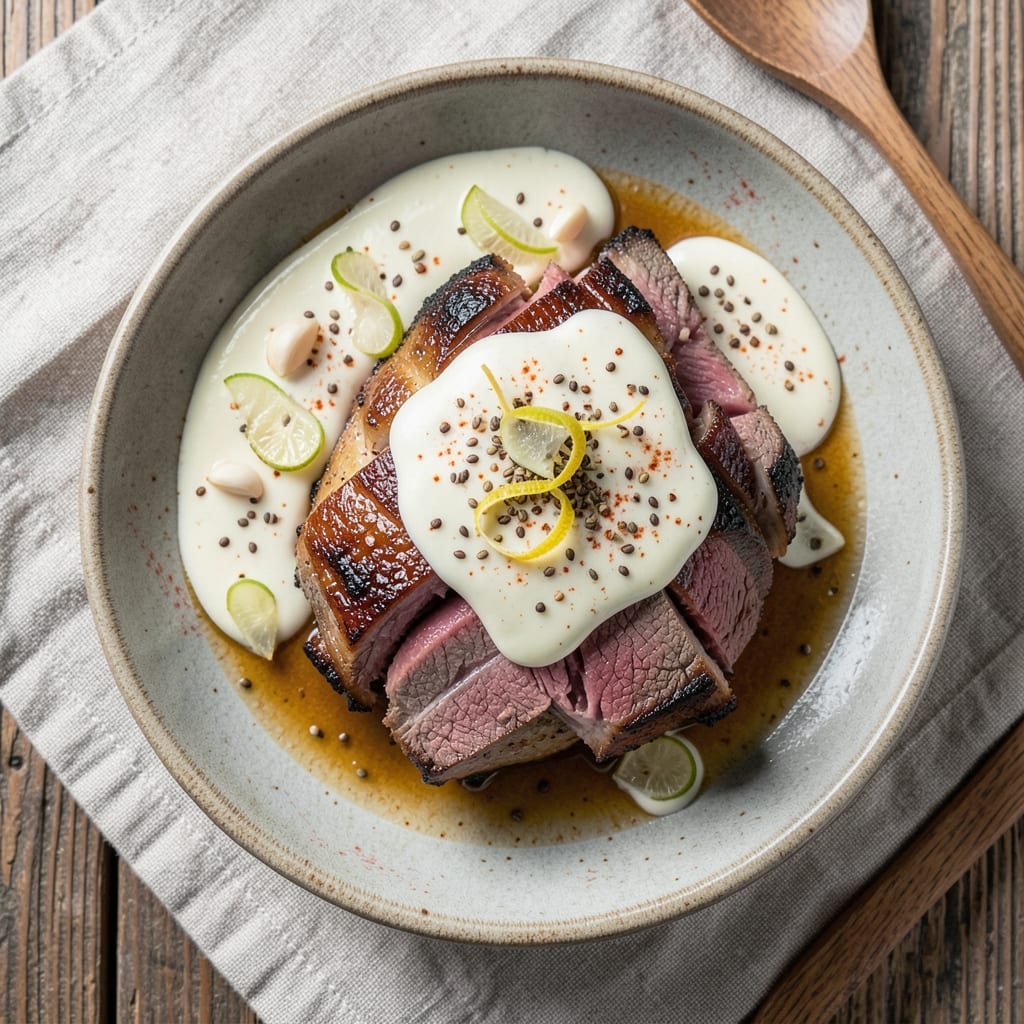
This African roast beef recipe transforms tough cuts into fork-tender perfection using a time-honored yogurt marinade and aromatic West African spices. The secret lies in slow-roasting—where the meat becomes so tender it nearly falls apart, infused with layers of smoky, earthy flavors that define dishes from Morocco to Nigeria. I first discovered this method during a trip to Senegal, where street vendors crafted versions that were both rustic and deeply satisfying.
The process begins with a marinade of yogurt, garlic, ginger, and a blend of spices like coriander, cumin, and paprika—each playing a role in breaking down the meat while adding complexity. Unlike traditional Western roasts, this method relies on low-and-slow cooking, ensuring the beef stays moist and absorbs every flavorful note. The result? A dish that’s rich, aromatic, and far more approachable than you’d expect for a recipe with such deep cultural roots.
By the time it emerges from the oven, you’ll have beef that’s juicy, deeply spiced, and ready to be served with traditional sides like jollof rice or a vibrant vegetable stew. The yogurt marinade not only tenderizes but also adds a subtle tang that cuts through the richness, balancing the dish perfectly. This isn’t just a roast—it’s a celebration of African culinary tradition, simplified for your home kitchen.
The beauty of this recipe is its versatility. You can adapt it for a family dinner, a festive gathering, or even meal prep—just slice it thin for sandwiches or wraps. The spices keep well in the fridge, so you can marinate ahead and let the flavors develop overnight. Let’s get started on a dish that’s as rewarding to make as it is to eat.
Ingredients for african roast beef
The heart of this West African roast: tender beef, tangy yogurt, and aromatic spices that transform tough cuts into melt-in-your-mouth perfection.
| Ingredient | Amount | Notes |
|---|---|---|
| Beef Chuck Roast 🥩 | 3 lb | Tough cut preferred for tenderness |
| Plain Yogurt 🥛 | 1 cup | Unflavored, full-fat preferred |
| Garlic Cloves 🧄 | 6 cloves | Freshly minced for marinade |
| Fresh Ginger 🌿 | 1 tbsp | Grated, aromatic base |
| Ground Cumin 🌶️ | 2 tsp | Toasted for deeper flavor |
| Ground Coriander 🌶️ | 2 tsp | Earthy, citrusy undertones |
| Smoked Paprika 🌶️ | 1 tbsp | For smoky depth |
| Ground Turmeric 🧂 | ½ tsp | Bright yellow color |
| Salt 🧂 | 1 ½ tsp | Kosher or sea salt |
| Black Pepper 🌶️ | 1 tsp | Freshly ground |
| Olive Oil 🫒 | 2 tbsp | For marinade richness |
| Fresh Cilantro 🌿 | ¼ cup | Chopped for garnish |
| Lemon Juice 🍋 | 1 tbsp | Brightens flavors |
The beef cut is everything here. Chuck roast is your best bet—it's got enough fat and connective tissue to become fork-tender when slow-roasted. I grab mine from Costco when I'm feeding a crowd, but the regular supermarket chuck works just fine for a family dinner. Look for a piece with good marbling—those little white streaks of fat are what keep the meat juicy. If you can't find chuck, bottom round is a solid second choice, though it might need a bit more marinating time. The yogurt should be plain and full-fat (the good stuff, not the non-fat kind)—it's doing double duty here as both tenderizer and flavor carrier.
No plain yogurt? Greek yogurt works too, but you might want to thin it slightly with a splash of water. Fresh ginger is ideal, but ground ginger at half the amount gets you close in a pinch. The spices are where the magic happens—Penzeys or the bulk bins at Whole Foods are great for quality, but honestly, the regular grocery store stuff works fine if it's not ancient. Quick tip: toast your cumin and coriander seeds in a dry pan for 30 seconds before grinding—it brings out their flavors. The smoked paprika adds that signature West African smokiness, so don't skip it. And if you're feeling fancy, add a pinch of cayenne for heat (start with 1/4 tsp and adjust).
This marinade keeps beautifully for up to 3 days in the fridge, so make it ahead and let the flavors meld. The beef can marinate for at least 4 hours (overnight is even better). After roasting, let the meat rest for 15-20 minutes before slicing—this is crucial for juiciness. Leftovers? Store in an airtight container for 4-5 days, or freeze for up to 3 months. I always slice mine thin for sandwiches or wraps—it's perfect with crusty bread and a smear of mustard or chimichurri. The spices in the marinade make the meat incredibly versatile, so don't be afraid to get creative with how you serve it.
Why You'll Love This Recipe
- Fewer Ingredients, Bigger Impact: Honestly, you only need five things—no fancy spice blends or last-minute grocery runs. That chuck roast gets all the love from yogurt, garlic, and ginger, so the flavor sticks without the clutter. I’ll be real: my pantry already had everything except the beef.
- Tender-Crispy Magic: The yogurt marinade doesn’t just add moisture—it creates that perfect contrast when the outside gets caramelized and the inside stays juicy. Between us, that crispy edge with the creamy center? It’s the kind of bite that makes people ask for seconds before the plate’s even empty.
- Leftovers That Don’t Suck: This roast actually improves the next day. Shred it for wraps, toss it in grain bowls, or just reheat slices straight from the fridge—no sad, dry meat here. I’ve fed a crowd with one roast and still had enough for lunches that didn’t involve sad desk salads.
- Weeknight Crowd-Pleaser: Between us, this is my go-to when friends drop by unannounced. It’s unfussy enough to make while chatting (or pretending to), and the cumin-ginger kick gives it that something that makes it feel special. Not the prettiest, but the taste makes up for it—every time.
Step-by-step instructions for spiced yogurt-marinated roast beef
Here's how to transform tough chuck roast into melt-in-your-mouth perfection using African-inspired flavors.
Create the Yogurt Marinade
In a medium bowl, combine the 1 cup plain yogurt, 2 tbsp olive oil, 1 tbsp lemon juice, 1 tbsp grated fresh ginger, 6 minced garlic cloves, 2 tsp ground cumin, 2 tsp ground coriander, 1 tbsp smoked paprika, 0.5 tsp ground turmeric, 1.5 tsp salt, and 1 tsp black pepper. Stir until the spices dissolve completely into the yogurt mixture.
This marinade does double duty—tenderizing the tough beef while infusing it with bold African spices. The yogurt's acidity breaks down muscle fibers, while the fat helps carry those warm, earthy flavors deep into the meat. Let the marinade sit at room temperature for 10 minutes while you prep the beef—this ensures even distribution of flavors.
Coat and Marinate the Beef
Pat the 3 lb beef chuck roast completely dry with paper towels, then rub it with the marinade until fully coated. I like to use my hands for this—press the marinade into every crevice and nook, especially the edges where the meat is thickest. Place the beef in a resealable plastic bag and massage it gently to distribute the marinade evenly.
Seal the bag and refrigerate for at least 4 hours, or overnight if possible. The longer it marinates, the more tender the beef becomes. I've found that overnight marination makes a noticeable difference in tenderness—it's worth the wait. Turn the bag occasionally to ensure even coating.
Preheat and Sear the Roast
Preheat your oven to 325°F and let it fully preheat for 15 minutes. Remove the beef from the fridge and let it sit at room temperature for 30 minutes before cooking. This step is crucial—it ensures even cooking throughout the roast.
Heat a large oven-safe skillet over medium-high heat and add 1 tbsp olive oil. Once hot, sear the beef on all sides until deeply browned, about 3-4 minutes per side. This step isn't just for flavor—it creates a flavorful crust that locks in juices during roasting. Don't rush this; you want that beautiful caramelization before it goes into the oven.
Roast to Perfect Tenderness
Transfer the seared beef to the preheated oven and roast for 2 hours. The internal temperature should reach 195°F at the thickest part of the roast. This low-and-slow approach breaks down the tough connective tissues, transforming the beef into fork-tender slices.
About 30 minutes before the roast is done, sprinkle the 0.25 cup chopped fresh cilantro over the top. This adds a fresh, bright finish that cuts through the rich, spiced flavors. The roast is done when it's fork-tender and pulls apart easily—no need for a meat thermometer if you're using your fingers as a guide.
Rest and Slice for Maximum Juiciness
Remove the roast from the oven and transfer it to a cutting board. Tent it loosely with aluminum foil and let it rest for 20 minutes. This resting period is where the magic happens—the juices redistribute throughout the meat, ensuring each slice is moist and flavorful.
Slice the beef against the grain into ¼-inch thick slices. Serve immediately with any accumulated juices from the cutting board—these are packed with flavor. The beef should be tender enough to pull apart with minimal effort, with a beautiful crust from the searing and a bright, spiced flavor from the marinade.
Pro Tips For Making African Roast Beef
- SEAR THE ROAST FIRST: After slathering the chuck roast with yogurt and spices, hit it with a screaming-hot pan for 2-3 minutes per side before transferring to the oven. I learned this the hard way—skipping the sear means the outside stays bland and the spices just sit there like wallpaper. The crust from that initial sear is where all the flavor lives.
- GRATE THE GINGER FINE: Don’t just mince it. Use the small holes of a box grater for the ginger—this releases the oils and blends smoother into the yogurt marinade. I was skeptical until I tried it: the texture becomes velvety, and the heat from the ginger spreads evenly instead of clumping like a lazy chef’s shortcut.
- LOW AND SLOW IS NON-NEGOTIABLE: Set your oven to 275°F (135°C) and resist the urge to crank it up. Chuck roast needs time—at least 3 hours, but 4 is better—to break down into tender, pull-apart perfection. I’ve rushed it twice, and both times ended up with a tough, chewy mess that tasted like overcooked shoe leather.
- USE FULL-FAT YOGURT: Greek yogurt is fine, but full-fat plain yogurt (the thick, creamy kind) clings better to the meat and adds richness that cuts through the cumin’s bite. I skip this when I’m lazy, and the dish is noticeably better when I don’t—like the difference between a dry rub and a proper marinade. Trust me, your future guests will notice.
Best sauces and condiments for these flavors
Spiced Yogurt Glaze
Finish your roast with a quick yogurt glaze by mixing ½ cup plain yogurt, 1 tbsp honey, and ½ tsp ground cumin. Brush this onto the beef during the last 15 minutes of roasting. The glaze caramelizes beautifully, creating a sticky, flavorful crust that complements the smoky spices. I love this technique because it adds a subtle sweetness that balances the heat. 🌟
Harissa Sauce
Serve with a side of harissa sauce, a North African chili paste made from red peppers, garlic, and spices. I recommend Bahlsen Harissa for its balanced heat and smoky depth. Drizzle it over sliced beef or serve it as a dipping sauce. For a homemade version, blend ¼ cup red pepper paste, 2 tbsp olive oil, 1 tsp cumin, and 1 tsp smoked paprika. Adjust the spice level to your preference—this sauce adds a fiery kick that pairs perfectly with the tender beef. 🌶️
Peanut-Chili Sauce
For a West African twist, whip up a peanut-chili sauce by blending ½ cup smooth peanut butter, 2 tbsp soy sauce, 1 tbsp lime juice, 1 tsp chili flakes, and 1 tsp grated ginger. Thin with 2 tbsp water if needed. This sauce adds a creamy, nutty contrast to the rich, spiced beef. It’s a crowd-pleaser, especially when drizzled over sliced beef with a sprinkle of toasted peanuts for extra crunch. 🥜
Mint-Yogurt Dip
Brighten the plate with a mint-yogurt dip made from ½ cup yogurt, 2 tbsp chopped fresh mint, 1 tbsp lemon juice, and a pinch of salt. This cooling dip balances the heat of the spices and adds a refreshing finish. Serve it alongside the beef for scooping or drizzle it over sliced beef before serving. It’s simple, but it elevates the dish with a burst of freshness. 🌿
Sweet Tamarind Chutney
Add a tangy-sweet element with tamarind chutney, a staple in many African cuisines. Look for Mango Tamarind Chutney in the international aisle of your grocery store, or make your own by simmering ½ cup tamarind paste, ¼ cup sugar, 1 tbsp vinegar, and 1 tsp mustard seeds until thickened. The chutney’s sweet-tart flavor cuts through the richness of the beef, adding complexity to every bite. 🍯
Nutrition facts
Frequently asked questions
Can I use a different cut of beef for this recipe?
Yes! While chuck roast is ideal for its fat content and tenderness, you can also use bottom round or brisket. These cuts will need extra marinating time (up to 24 hours) to break down the tough fibers. Avoid lean cuts like sirloin—they won't become as tender with this method.
How do I adjust the spice level for sensitive eaters?
Reduce the smoked paprika to 1 tsp and omit cayenne entirely. For extra mildness, replace half the cumin and coriander with 1 tsp mild paprika. The yogurt marinade already softens the heat, so the dish remains flavorful while being gentle on spice-sensitive palates.
Can I make this recipe in a slow cooker?
Sear the beef first, then place it in your slow cooker with the marinade. Cook on low for 8 hours or high for 5-6 hours until fork-tender. The slow cooker method is perfect for hands-off prep—just add your favorite sides and serve. The result will be just as tender!
What's the best way to reheat leftover African roast beef?
Slice the beef thinly and reheat in a skillet over medium-low heat with a splash of beef broth for 3-4 minutes until warmed through. Avoid microwaving—it makes the meat dry. For sandwiches, lightly toast the bread and add a smear of yogurt sauce to keep things moist.
Which African countries have similar roast beef traditions?
This recipe draws from West African (Senegal, Nigeria) and North African (Morocco, Tunisia) techniques. Similar dishes include Moroccan lamb tagine (slow-cooked with spices) and Senegalese thieboudienne (beef with rice). Each region adapts the method to local ingredients—explore their versions for exciting variations!