Main Courses
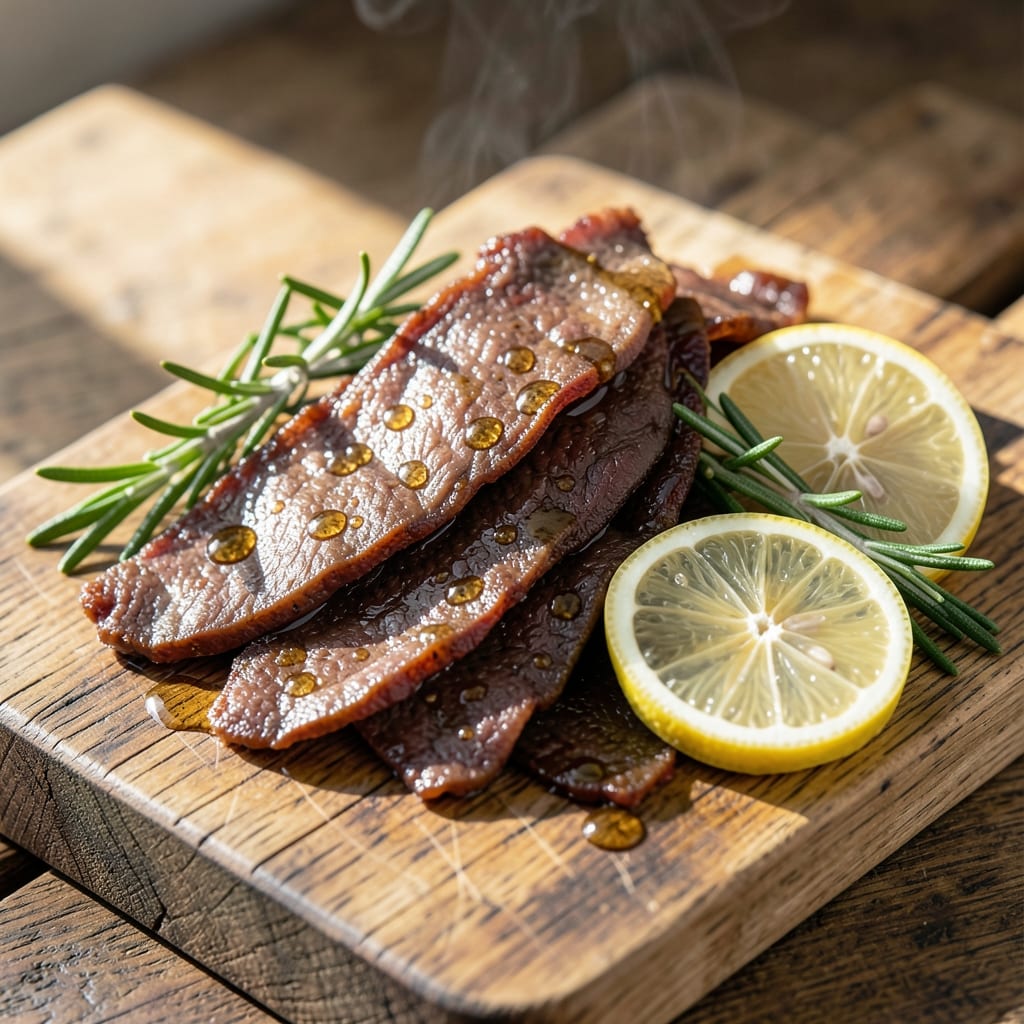
AIP beef jerky recipe delivers the perfect balance of savory, umami-rich flavor while staying strictly compliant with the Autoimmune Protocol—no spices, no sugar, and no nightshades in sight. The secret lies in a carefully crafted marinade using citrus, sea salt, and AIP-safe herbs that tenderize the meat and infuse it with deep, satisfying flavor without relying on restricted ingredients. This method transforms tough cuts into chewy, restaurant-quality jerky that’s safe, nutrient-dense, and free from common allergens.
What sets this recipe apart is the precision of the curing process, where acidity from citrus and salt work together to break down meat fibers while preventing harmful bacteria. The dehydrator ensures even drying, creating jerky with the perfect texture—tender yet firm, and packed with concentrated flavor. Unlike traditional jerky, this version avoids sugar substitutes and artificial additives, making it ideal for those following AIP or with dietary restrictions.
The result is a batch of jerky that’s not only compliant but also incredibly versatile—perfect for meal prep, travel snacks, or a protein-packed addition to salads and soups. Each chew delivers a burst of savory depth, thanks to the marinade’s careful balance of citrus, herbs, and salt. The process is straightforward, but the attention to detail ensures food safety and flavor that rivals store-bought options.
With just a few simple ingredients and the right technique, you’ll have a pantry staple that’s both nourishing and delicious. Let’s get started on making jerky that aligns with your dietary needs without compromising on taste.
Ingredients for aip beef jerky
Transform tough beef into restaurant-quality jerky with just these AIP-safe ingredients—no spices, no sugar, just bold flavor.
| Ingredient | Amount | Notes |
|---|---|---|
| Lean Beef Top Round Roast 🥩 | 2 lb | AIP-compliant, grass-fed preferred |
| Extra-Virgin Olive Oil 🫒 | ¼ cup | Cold-pressed for purity |
| Fresh Lemon Juice 🍋 | ½ cup | Organic, freshly squeezed |
| Raw Apple Cider Vinegar 🍎 | ¼ cup | Unfiltered, organic preferred |
| Sea Salt 🧂 | 2 tbsp | Unrefined, fine grain |
| Fresh Rosemary 🌿 | ¼ cup | Finely chopped, organic |
| Fresh Thyme 🌿 | ⅛ cup | Finely chopped, organic |
| Garlic Cloves 🧄 | 6 cloves | Fresh, peeled and minced |
| Fresh Ginger 🌿 | ¼ cup | Finely grated, organic |
| AIP-Compliant Marinade Spice Blend 🌶️ | 2 tbsp | Custom blend (see notes) |
| Coconut Aminos 🥢 | 1 tbsp | Pure, unadulterated |
The beef is non-negotiable here—grass-fed top round roast has the perfect fat-to-lean ratio for jerky. Local butchers or specialty meat counters often carry it pre-sliced thin, which saves time. If buying whole, ask for it cut 1/4-inch thick—this ensures even drying. For sourcing, US Wellness Meats or Thrive Market are reliable for AIP-compliant cuts. The citrus (lemon and vinegar) is your secret weapon—it tenderizes while preventing bacterial growth, so organic is worth it here. Fresh herbs like rosemary and thyme add depth without violating AIP rules, but dried works in a pinch at half the amount.
No coconut aminos? Homemade salted broth (simmer beef bones with sea salt) works, but coconut aminos provide that umami punch without additives. The AIP-compliant spice blend is just turmeric, cinnamon, and vanilla extract—all AIP-safe. For the marinade, mix everything in a glass jar and let it sit for 10 minutes before adding the beef. This lets the flavors meld. If you're short on time, blend the marinade ingredients first—it coats the beef better. The ginger and garlic are non-negotiable for flavor, but if you're strict AIP, skip the garlic and double the ginger.
Marinated beef keeps 2 days in the fridge before dehydrating—don't rush this step. Once dehydrated, store in airtight containers or vacuum-sealed bags for up to 2 weeks at room temperature or 3 months in the freezer. For meal prep, I portion mine into single-serving bags—perfect for snacks on the go. The jerky reheats beautifully in a dry skillet for 30 seconds per side if you want it warm, but it's best enjoyed straight from the dehydrator.
Why You'll Love This Recipe
- No-Fuss Marinade: The beef soaks in just olive oil, lemon juice, and vinegar—no fancy blends or last-minute shopping. Honestly, I’ve tried store-bought marinades with 12 ingredients, and this three-step mix actually works better. The acidity tenderizes while the salt and citrus brighten every bite without overpowering.
- Clean, Crisp Edge: That thin, snap-worthy crust? It’s all in the slow dehydrating—no smoker needed. The olive oil keeps it moist inside while the salt and vinegar work together to create a texture that’s ridiculously satisfying. (Yes, even on a Tuesday night.)
- Snack Attack Ready: I keep a batch in the fridge for road trips, gym bags, or when I’m too tired to cook. It’s my go-to for when I need protein fast—no reheating, no mess. Plus, the lemon and vinegar give it a tangy kick that keeps it from getting boring after day three.
- Budget-Protein Power: Top round roast is cheap, and this recipe stretches it into a whole lot of jerky. Between us, I’ve fed my family for a week with just one roast—no takeout, no guilt. The salt and vinegar make it taste like a splurge, but the price tag stays real.
Step-by-step instructions for AIP beef jerky
Here's how to transform lean beef into flavor-packed, nutrient-dense jerky using only AIP-approved ingredients.
Trim and Slice the Beef with Precision
Begin by trimming away any visible fat or connective tissue from the 2 lb lean beef top round roast, using a sharp boning knife. This ensures your jerky remains tender and free from any unwanted textures. Once trimmed, place the beef in the freezer for 20-30 minutes to firm slightly—this makes slicing much easier.
Remove the beef from the freezer and slice it against the grain into ¼-inch thick strips. You should end up with about 40-50 strips total, depending on the size of your cuts. The thinner the slices, the faster they'll dehydrate and the more tender the final jerky will be. Keep the strips in a single layer on a plate to prevent sticking.
Create the AIP-Compliant Marinade
In a large mixing bowl, combine the 0.25 cup extra-virgin olive oil, 0.5 cup fresh lemon juice, 0.25 cup raw apple cider vinegar, 2 tbsp sea salt, 2 tbsp AIP-compliant marinade spice blend, 1 tbsp coconut aminos, 0.25 cup finely chopped fresh rosemary, 0.125 cup finely chopped fresh thyme, 6 cloves minced garlic, and 0.25 cup freshly grated ginger. Whisk vigorously until fully emulsified—the mixture should coat the back of a spoon.
This marinade is the flavor foundation of your jerky, so don't rush the mixing. The acidity from the lemon juice and vinegar will tenderize the beef while the olive oil and coconut aminos add depth. Let the marinade sit for 5 minutes to allow the spices to fully bloom and release their aromatics.
Marinate the Beef Overnight for Maximum Flavor
Transfer the sliced beef strips to a resealable plastic bag and pour the marinade over them. Seal the bag and massage the marinade into the beef, ensuring each strip is fully coated. Place the bag in the refrigerator and marinate for at least 12 hours, or ideally 24 hours. The longer it marinates, the more tender and flavorful your jerky will become.
During this time, the acidity in the marinade will break down proteins in the beef, making it more pliable and easier to dehydrate. I like to turn the bag occasionally to ensure even coating. If you're short on time, a minimum of 6 hours will still yield good results, though the flavor won't be as deep.
Prep for Dehydration
After marinating, remove the beef strips from the bag and pat them dry with paper towels. This step is crucial—excess moisture on the surface will prevent proper dehydration and can lead to a gummy texture. Arrange the strips in a single layer on a dehydrator tray, ensuring they don't overlap. If you're using an oven, line a baking sheet with parchment paper and place the strips in a single layer.
For best results, I recommend using a dehydrator set to 160°F. This low temperature ensures the beef dries slowly and evenly without cooking. If you're using an oven, prop the door open slightly with a wooden spoon to allow moisture to escape and set it to 170°F. The key is to keep the temperature low enough to prevent the jerky from becoming tough or rubbery.
Dehydrate Until Leather-Like
Place the dehydrator tray or baking sheet in the preheated dehydrator or oven. Dehydrate the beef for 6-8 hours, checking periodically to ensure even drying. The jerky is done when it's leather-like and no longer pliable—it should snap when bent but not feel brittle. You can also test by touching the surface; it should feel dry and slightly tacky but not sticky.
Once fully dehydrated, remove the jerky from the dehydrator or oven and let it cool completely. Store in an airtight container in the refrigerator for up to 2 weeks or freeze for 3 months. The flavor will continue to develop over time, making this jerky even more delicious as it ages. Enjoy your guilt-free, protein-packed snack!
Pro Tips For Making Aip Beef Jerky
- Trim Thin, Trim Even: Use a sharp boning knife and slice the top round against the grain into ¼-inch strips—no thicker, or drying becomes a battle. I learned this the hard way after ending up with chewy jerky that needed extra marinating time. ---
- Salt Before Marinating: Sprinkle sea salt directly on the raw beef first, then massage it in with your fingers before adding olive oil, lemon, or vinegar. This ensures even seasoning and helps break down proteins faster—my grandmother swore by this, and she was right. ---
- Don’t Crowd the Dehydrator: Space the beef strips at least ½ inch apart on the trays, or they’ll steam instead of dry. I used to rush this, thinking more layers meant faster drying, but it just made the jerky soggy and uneven. ---
- Use a Meat Tenderizer: Pound the beef strips lightly with a meat mallet or rolling pin before dehydrating—this speeds up drying time and prevents curling. Sounds weird, but it works: my batches now finish in 6 hours instead of 8.
Regional styles of this recipe
Southern-Style AIP Jerky
Inspired by traditional Southern barbecue flavors, this variation swaps the rosemary and thyme for smoked paprika-free alternatives like fresh cilantro and AIP-compliant vanilla extract (½ tsp). The marinade gets a boost of 1 tbsp freshly grated ginger and 1 tbsp coconut aminos for that signature Southern umami. Use top round roast sliced into ¼-inch strips and dehydrate at 160°F for 7-8 hours until chewy. The result? A smoky-sweet jerky that pairs perfectly with AIP-friendly collard greens or a simple tomato-free salsa. 🌶️
Mediterranean-Inspired Citrus Twist
For a brighter, herb-forward take, blend ½ cup fresh lemon juice, ¼ cup raw apple cider vinegar, 2 tbsp sea salt, ¼ cup finely chopped fresh rosemary, and 2 tbsp coconut aminos. Add 1 tsp freshly grated ginger and 1 tsp minced garlic (skip if strict AIP). Marinate the beef for 24 hours, then dehydrate at 160°F for 6-7 hours. The citrus and herbs create a refreshing, zesty jerky that’s perfect for snacking or adding to AIP salads. This variation works especially well with grass-fed beef for extra richness. 🍋
Spicy Ginger-Lime Fusion
If you’re craving heat without violating AIP rules, infuse the marinade with 1 tbsp freshly grated ginger, ¼ cup fresh lime juice (instead of lemon), and 1 tsp AIP-compliant vanilla extract for depth. Add ½ tsp ground turmeric (AIP-safe) for a subtle warmth. The lime brightens the flavor profile, while the ginger adds a kick. Dehydrate at 160°F for 7 hours, checking frequently for even drying. This version is ideal for those who love a tangy, spicy jerky without traditional spices. 🌿
Herb-Forward European Style
Channel classic European flavors by using ½ cup finely chopped fresh parsley (AIP-compliant) and ¼ cup fresh thyme in the marinade. Replace the garlic with 1 tsp minced ginger and add 1 tbsp coconut aminos for umami. The herbs give the jerky a fresh, aromatic quality that’s both elegant and satisfying. Dehydrate at 160°F for 6-7 hours until firm. This version is perfect for pairing with AIP-friendly roasted vegetables or as a protein boost in soups. 🌿
Smoky Maple-Free Sweet Heat
For a touch of sweetness without sugar, use 1 tbsp coconut aminos and 1 tsp vanilla extract in the marinade. Add ½ tsp ground cinnamon (AIP-safe) for warmth and ¼ cup fresh rosemary for depth. The result is a subtly sweet, smoky jerky that’s perfect for snacking or adding to AIP-friendly trail mixes. Dehydrate at 160°F for 7 hours and store in an airtight container for up to 2 weeks. This variation is a crowd-pleaser for those who enjoy a hint of sweetness in their jerky. 🍃
Nutrition facts
Frequently asked questions
Can I use any cut of beef for AIP jerky?
For best results, stick with lean cuts like top round or flank steak—they have the ideal fat-to-lean ratio for jerky. Avoid fatty cuts (like ribeye) as they won’t dry properly. If you’re using a tougher cut, slice it ¼-inch thick against the grain and marinate longer (24 hours) to ensure tenderness.
How do I know when my jerky is fully dehydrated?
The jerky is ready when it’s leather-like and no longer pliable—it should snap when bent but not feel brittle. Test by touching the surface: it should feel dry and slightly tacky, not sticky. If unsure, cut a small piece—it should be firm with no moisture inside.
Can I skip the marinade and just use salt?
While possible, the marinade is key for flavor and tenderness. Salt alone won’t tenderize the meat or add depth. The citrus and herbs in the marinade break down proteins, ensuring a chewy texture. If short on time, marinate for at least 6 hours instead of overnight.
Is this jerky safe to eat without refrigeration?
Yes, if properly dehydrated and stored in airtight containers or vacuum-sealed bags. The low moisture content prevents bacterial growth. Store at room temperature for up to 2 weeks or freeze for 3 months. Always ensure the jerky is fully dry before storing.
What’s the best way to reheat AIP jerky?
For a quick snack, enjoy it cold or at room temperature. To warm, place strips in a dry skillet over medium-low heat for 30 seconds per side until heated through. Avoid microwaving—it can make jerky rubbery. Warm jerky pairs well with AIP-friendly soups or salads.