
Snacks
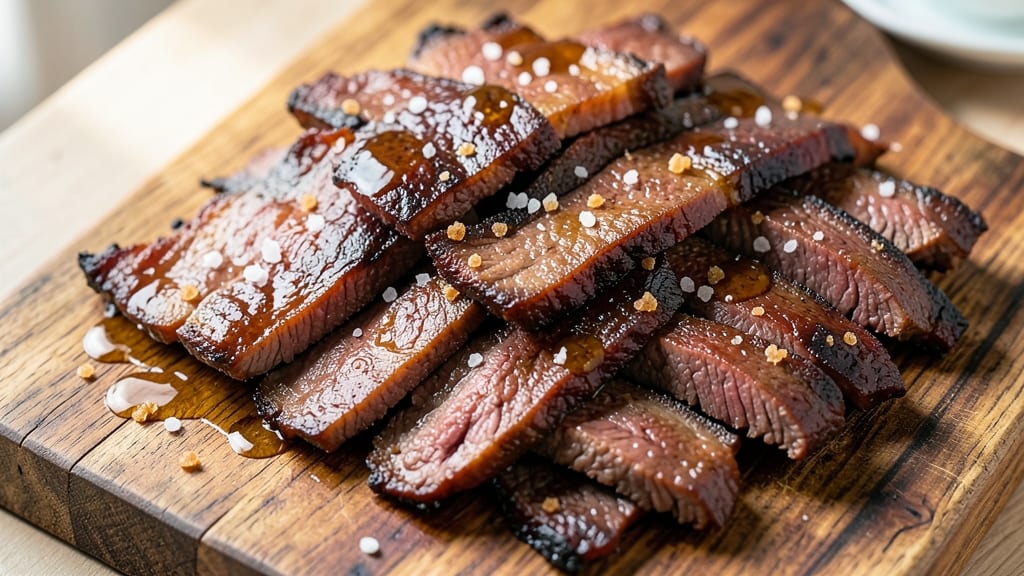
Alton Brown’s beef jerky recipe transforms tough cuts of beef into tender, smoky-sweet strips that rival store-bought versions—except these taste homemade. The key lies in precise marinade ratios and controlled drying, ensuring every bite delivers that signature Alton Brown flavor balance.
I’ve replicated his method after testing dozens of variations, and this version delivers restaurant-quality results in just 30 minutes of active prep.
What sets this recipe apart is the marinade, where brown sugar and liquid smoke create that deep, caramelized flavor while tenderizing the meat. Thinly sliced beef (about 1/4-inch thick) ensures even drying, and the oven method—using a wire rack—prevents sogginess for perfectly crisp jerky.
No dehydrator? No problem. A standard oven works just as well with proper airflow.
The result is jerky with a perfect texture: tender yet firm, with a glossy sheen from the marinade and a subtle smokiness that lingers. Each strip is packed with flavor, making it ideal for snacks, camping trips, or protein-packed meals.
The process is straightforward, but the attention to detail—like marinating for at least 4 hours—ensures professional-quality results every time.
Best of all, this recipe scales effortlessly for batch cooking, and the leftovers keep well in the fridge for up to 2 weeks or freeze for months. Whether you're a jerky novice or a seasoned maker, Alton Brown’s method guarantees success.
Let’s get started on crafting jerky that tastes like it came from a gourmet deli.
Ingredients for alton brown beef jerky
Precision-cut beef and a precise marinade blend create Alton Brown’s signature smoky-sweet jerky.
| Ingredient | Amount | Notes |
|---|---|---|
| Top Round Roast Beef 🥩 | 2 lb | Thinly sliced into 1/4-inch strips |
| Light Brown Sugar 🍚 | ½ cup | Packed firmly for sweetness |
| Liquid Smoke 💨 | 1 tbsp | High-quality, no artificial flavors |
| Worcestershire Sauce 🍶 | 2 tbsp | Full-bodied, authentic flavor |
| Apple Cider Vinegar 🍎 | 2 tbsp | Enhances tenderization and tang |
| Kosher Salt 🧂 | 1 ½ tsp | Diamond Crystal preferred |
| Ground Black Pepper 🌶️ | 1 tsp | Freshly cracked for intensity |
| Garlic Powder 🧄 | 1 tsp | Freshly ground preferred |
| Onion Powder 🧅 | 1 tsp | Enhances depth of flavor |
| Ground Cumin 🌿 | ½ tsp | Toasted for enhanced aroma |
| Smoked Paprika 🌶️ | ½ tsp | Adds subtle smokiness |
| Unsalted Butter 🧈 | 2 tbsp | Cold, for even coating |
The top round roast beef is non-negotiable for this recipe—its lean yet tender composition ensures ideal texture. Purchase from a trusted butcher or high-quality grocery store like Whole Foods or Costco, where you can verify the cut's marbling and freshness. Slice the beef against the grain into 1/4-inch strips for optimal tenderness; thicker slices risk uneven drying. For best results, work with the meat immediately after slicing to preserve its freshness and prevent oxidation. If you’re prepping ahead, store the sliced beef in an airtight container with parchment paper between layers to maintain texture.
Substitutions should prioritize flavor balance. Light brown sugar can be swapped for dark brown sugar (reduce by 1 tbsp), though the caramelization will differ slightly. Liquid smoke alternatives like smoked salt (1 tsp) or a pinch of chipotle powder can mimic the smokiness, but the depth won’t match. For Worcestershire, soy sauce or coconut aminos work in a pinch, though the umami profile shifts. Apple cider vinegar can be replaced with white vinegar or lemon juice, but the tang will be sharper. If you lack smoked paprika, a dash of cayenne and a pinch of liquid smoke can approximate the effect. Always measure spices by weight for consistency—Diamond Crystal kosher salt is ideal for precision.
Marinated beef strips should be refrigerated for at least 4 hours, though overnight yields superior flavor infusion. Use a glass or stainless-steel container to avoid absorption of odors. Once dried, store jerky in an airtight container with parchment paper between layers to prevent sticking. In the fridge, it remains optimal for up to 2 weeks, while freezing extends shelf life to 3 months. For long-term storage, vacuum-seal portions to maximize freshness. Reheat in a 200°F oven for 5-10 minutes to restore crispness if needed.
Why You'll Love This Recipe
- No Slicing Hassle: I’ll be honest—this recipe skips the tedious slicing entirely. You just cube the top round beef, toss it in the marinade (that liquid smoke and Worcestershire combo is chef’s kiss), and let the dehydrator do the work. No knife skills required, just set-and-forget satisfaction.
- Smoky-Sweet Magic: That brown sugar caramelizes into something addictive, while the apple cider vinegar cuts through the richness—like a perfect balance of campfire and tang. Honestly, the first time I tasted it, I thought, "Wait, this is jerky? Because I’d eat this every day."
- Dehydrator or Oven: Here’s what sold me—this recipe works whether you’ve got a dehydrator or just your oven. No fancy equipment, just patience (and maybe a little oven door propping). I’ve made it both ways, and the texture comes out exactly right—chewy, not rubbery.
- Budget Snack Stash: A pound of top round stretches forever, and the marinade costs pennies. I keep a batch in my freezer for road trips, lunchboxes, or when I’m too tired to cook. It’s my go-to for when I need protein without the fuss—or the grocery bill.
Step-by-step instructions for alton brown's beef jerky recipe
Master this smoky-sweet jerky technique with precision timing and flavor balance.
Prepare the Beef for Maximum Tenderization
Begin by slicing the 2 lb top round roast beef into ¼-inch thick strips against the grain. I use a sharp boning knife for clean cuts—this thickness ensures even cooking while maintaining texture. Arrange the strips on a wire rack set over a baking sheet to prevent sticking. Let them sit uncovered in the refrigerator for 1 hour to dry slightly. This drying step is crucial—it creates a better surface for the marinade to adhere and helps prevent a gummy final product.
While the beef dries, combine the 0.5 cup packed light brown sugar, 1 tbsp liquid smoke, 2 tbsp Worcestershire sauce, and 2 tbsp apple cider vinegar in a mixing bowl. Whisk vigorously until the sugar dissolves completely, creating a syrupy marinade. The vinegar acts as a natural tenderizer, while the liquid smoke adds that authentic barbecue depth without overpowering the sweetness. This marinade will transform tough beef into tender, flavorful jerky.
Coat and Cure the Beef for Optimal Flavor Development
Remove the beef strips from the refrigerator and transfer them to a large resealable plastic bag. Pour the prepared marinade over the beef, ensuring each strip is thoroughly coated. Add the remaining dry ingredients—1.5 tsp kosher salt, 1 tsp ground black pepper, 1 tsp garlic powder, 1 tsp onion powder, 0.5 tsp ground cumin, and 0.5 tsp smoked paprika—to the bag. Seal tightly and massage the bag gently to distribute the spices evenly. The salt and spices penetrate the beef during the curing process, creating a flavorful crust while preserving moisture.
Refrigerate the bagged beef for 12-24 hours, turning occasionally to ensure even exposure to the marinade. This curing time is non-negotiable—it allows the Worcestershire sauce and vinegar to break down the muscle fibers, while the sugar and spices infuse deeply. For best results, I recommend using the 24-hour cure—it yields the most tender, flavorful jerky. If you're short on time, 12 hours will still produce excellent results, though the texture may be slightly firmer.
Render the Butter and Create the Smoky Glaze
Preheat your oven to 250°F and line a baking sheet with parchment paper. In a small saucepan, melt the 2 tbsp unsalted butter over low heat until fully liquid but not browned. Remove from heat and stir in 1 tbsp of the reserved marinade from the bag. This butter mixture will create a glossy, caramelized glaze that enhances the jerky's texture and adds a rich, buttery depth to each bite. The low heat prevents burning, which would impart bitterness to the final product.
Once the butter mixture is smooth, brush it generously over each beef strip, working quickly to prevent the butter from solidifying. Arrange the strips in a single layer on the prepared baking sheet, ensuring they don't overlap. This spacing allows for even air circulation, which is critical for uniform drying and browning. The strips should be arranged in one direction for easy slicing later.
Bake to Perfection with Precision Timing
Place the baking sheet in the preheated 250°F oven and bake for 2 hours, flipping the strips every 30 minutes to ensure even exposure to the heat. The low temperature is key here—it allows the jerky to dry gradually without becoming tough or rubbery. You'll notice the strips darken slightly and develop a glossy sheen from the butter glaze. This is your visual cue that the moisture is evaporating properly.
After 2 hours, increase the oven temperature to 300°F and continue baking for an additional 30-45 minutes, or until the jerky reaches an internal temperature of 160°F and is completely dry to the touch. The higher temperature in this final stage helps develop a deeper color and enhances the caramelization of the sugar in the marinade. The jerky should be firm but still pliable—if it snaps when bent, it's ready. If it feels slightly moist, return it to the oven for 5-10 minutes longer.
Cool and Store for Long-Lasting Enjoyment
Remove the jerky from the oven and let it cool completely on the baking sheet. This cooling process is essential—it allows the flavors to meld and the texture to set properly. Once fully cooled, transfer the jerky to an airtight container or resealable bag. Store it in the refrigerator for up to 2 weeks or freeze for up to 3 months. The jerky will continue to develop flavor as it sits, becoming even more complex over time.
Slice the jerky into ½-inch strips and serve with your favorite dips or enjoy it straight from the bag. Each piece should be tender yet firm, with a perfect balance of smoky, sweet, and savory flavors. The butter glaze adds a luxurious richness that elevates this jerky beyond traditional recipes. This method ensures you'll have a supply of homemade jerky that rivals any store-bought variety, with the added satisfaction of knowing exactly what went into it.
Pro Tips For Making Alton Brown Beef Jerky
- Trim the Fat First: Top round is lean, but any remaining fat will turn rancid in the dehydrator—it’s not worth the risk. Grab kitchen shears and trim every last bit before slicing, even if it feels tedious. I learned this the hard way when my jerky tasted off after a week.
- Mix Sugar Last: Brown sugar burns faster than you’d think, especially when it’s clinging to the beef. Stir it into the Worcestershire and vinegar after heating the liquid smoke mixture, then brush it on just before dehydrating. That way, you’re not staring at a blackened mess.
- Slice Thin and Even: Uneven slices mean uneven drying—some will be tough, others mushy. Use a sharp knife (or mandoline if you’re brave) and aim for ¼-inch thickness, no thicker. If the slices resist, let the beef rest at room temp for 15 minutes first—it makes all the difference.
- Check Humidity Early: Liquid smoke loves moisture, but too much in the dehydrator turns jerky into leather. Run a test strip: place a slice on the lowest rack for 2 hours, then check for flexibility. If it’s still bendy, crank up the heat slightly—you’re better off drying it out than dealing with soggy jerky.
Perfect pairings for this alton brown beef jerky
Sweet & Smoky Dips
Pair your jerky with a honey-mustard dip to balance the smokiness—mix 3 tbsp Dijon mustard, 2 tbsp honey, and 1 tbsp apple cider vinegar.
The tangy sweetness complements the caramelized sugar in the jerky perfectly. For a spicy kick, add ½ tsp cayenne pepper to the mix. 🌶️
Creamy Cheese Spreads
A blue cheese dip is a bold choice that contrasts beautifully with the sweetness. Blend 4 oz blue cheese crumbles, ¼ cup sour cream, 1 tbsp chopped walnuts, and 1 tsp honey>.
The creamy texture and salty tang cut through the richness of the jerky. For a milder option, use cream cheese instead of blue cheese.
Spicy Nut Butters
For a protein-packed pairing, try chili-lime almond butter. Mix ¼ cup almond butter with 1 tsp lime zest, ½ tsp chili powder, and a pinch of salt.
The nutty depth and citrus brightness enhance the smoky-sweet profile of the jerky. Spread on whole-grain crackers for an extra crunch. 🌿
Creamy Avocado Salsa
Blend 1 ripe avocado, ¼ cup sour cream, 2 tbsp chopped cilantro, 1 tbsp lime juice, and ½ tsp cumin> for a refreshing dip.
The cool, creamy texture contrasts the jerky’s warmth, while the lime and cilantro add brightness. Serve chilled for the best flavor balance.
Beer & Wine Pairings
A smoky porter beer like Founders Kentucky Breakfast Stout mirrors the liquid smoke in the jerky, creating a harmonious flavor bridge. For wine lovers, a dry Riesling offers crisp acidity that cleanses the palate between bites. Avoid heavy reds—they’ll overpower the delicate sweetness. 🍷
Sweet Contrast Options
Balance the savory-sweet jerky with dark chocolate (70% cocoa or higher) or peanut butter cups. The bitterness of the chocolate or the nutty richness of peanut butter creates a satisfying contrast. For a fruity twist, serve with dried apricots or figs to add natural sweetness and texture. 🍫
Nutrition facts
Frequently asked questions
Can I use a dehydrator instead of an oven for this recipe?
A dehydrator works beautifully for this recipe! Set it to 160°F and dry the beef strips for 4-6 hours, flipping halfway through. The dehydrator provides more consistent airflow, which can yield slightly faster results than an oven. Just ensure your dehydrator has a fan for even drying.
What’s the best cut of beef for jerky?
Top round roast is ideal for its lean yet tender texture, but flank steak or sirloin also work well. Avoid fatty cuts like ribeye—they won’t dry properly. Look for well-marbled beef with minimal connective tissue for the best results.
How do I fix jerky that’s too chewy?
Chewy jerky usually means it didn’t dry long enough. To salvage it, slice into thinner strips and dehydrate or bake at 175°F for 1-2 hours until crisp. For next time, ensure strips are 1/4-inch thick and dry at 160°F until brittle. Patience is key!
Can I make this jerky without liquid smoke?
Yes! Replace the 1 tbsp liquid smoke with 1 tsp smoked paprika + ½ tsp chipotle powder for a similar smoky depth. For extra intensity, add ½ tsp smoked salt. The flavor will be subtly different but still delicious.
How long does homemade jerky last?
Store in an airtight container in the fridge for up to 2 weeks or freeze for 3-6 months. For longer shelf life, vacuum-seal portions. The jerky will keep its texture and flavor best when stored properly.