
Main Courses
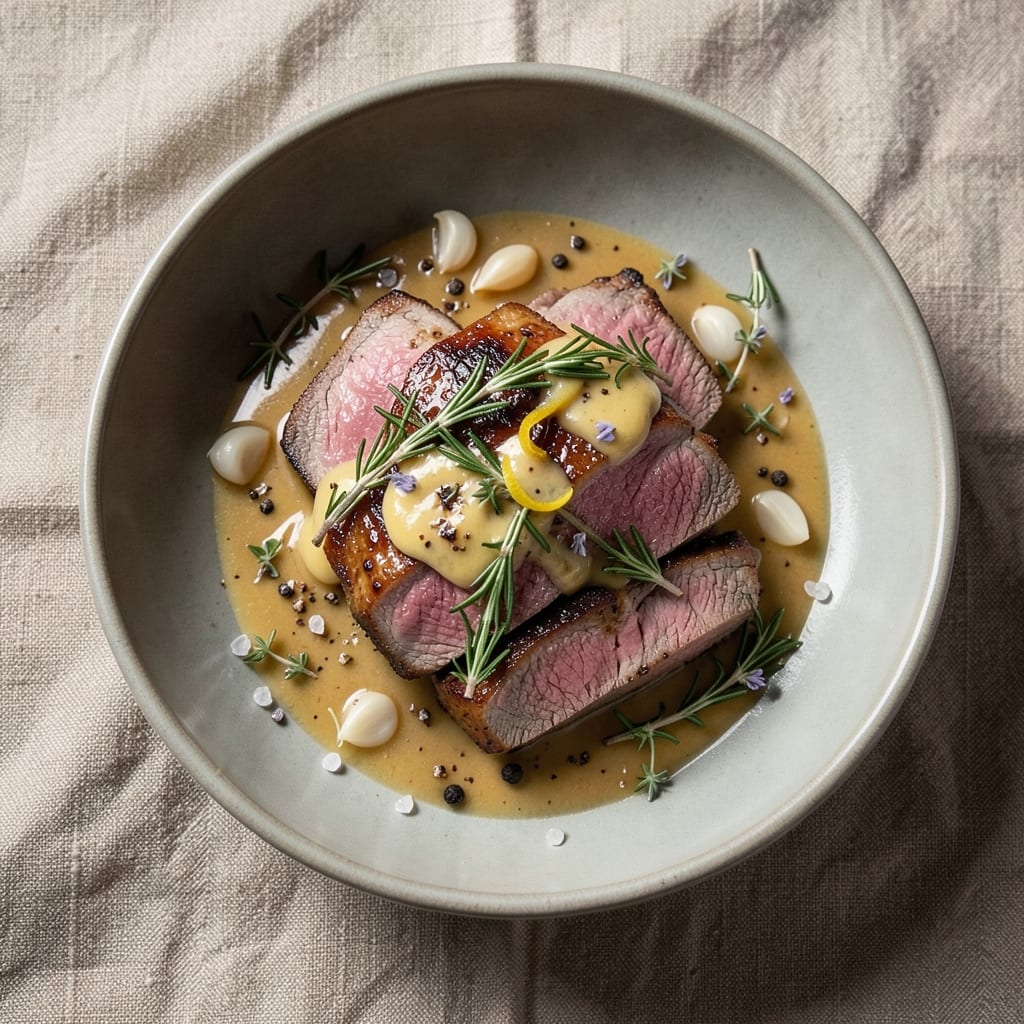
This amazing beef tenderloin recipe delivers melt-in-your-mouth tenderness with a perfectly caramelized crust—no fancy techniques required. I perfected this method after years of overcooked, dry tenderloin disasters, and now it’s my go-to for special occasions. The secret? A simple herb crust that seals in juices while creating that coveted bark, plus a precise cooking method that guarantees success every time.
What makes this recipe truly foolproof is the combination of searing and roasting—first, we get that deep, flavorful crust by searing the meat in a screaming-hot pan, then finish it in the oven to cook through evenly. This method ensures your tenderloin stays juicy in the center while developing that irresistible caramelized exterior. No more guessing games with internal temperatures or resting times—I’ve got you covered with exact timings and techniques.
By the time you serve this, you’ll have a centerpiece-worthy cut of beef that’s tender enough to cut with a fork, with a rich, savory crust that’ll have everyone asking for seconds. The herb crust adds layers of flavor without overpowering the natural beef taste, and the juices? They’ll be so abundant, you’ll want to spoon them up. This is the kind of dish that makes you look like a pro, even if you’re just starting out.
Pair it with roasted garlic mashed potatoes, a crisp green salad, or sautéed asparagus to round out the meal. The presentation is just as important as the flavor—think of that beautiful caramelized bark contrasting with the pink center, and you’ll have a restaurant-quality dinner without the restaurant price tag. Let’s get cooking!
Ingredients for amazing beef tenderloin
Six ingredients transform ordinary beef into restaurant-quality tenderloin with perfect crust and juicy center.
| Ingredient | Amount | Notes |
|---|---|---|
| Beef Tenderloin 🥩 | 4 lb | Center-cut, trimmed of silver skin |
| Unsalted Butter 🧈 | ½ cup | Cold, cut into 1-inch pieces |
| Fresh Rosemary 🌿 | ¼ cup | Finely chopped, stems removed |
| Fresh Thyme 🌿 | ¼ cup | Leaves only, finely chopped |
| Garlic Cloves 🧄 | 6 cloves | Minced, not pre-minced jarred |
| Diamond Crystal Kosher Salt 🧂 | 1 ½ tbsp | For crust, plus extra for searing |
| Freshly Ground Black Pepper 🌶️ | 1 tbsp | Coarsely cracked peppercorns |
| Extra-Virgin Olive Oil 🫒 | 2 tbsp | High-quality, fruity variety |
| All-Purpose Flour 🌾 | 2 tbsp | For dredging sear pan |
| Dry White Wine 🍷 | ½ cup | Bold, like Sauvignon Blanc |
| Beef Bone Broth 💧 | 1 cup | Homemade or high-quality store-bought |
| Fresh Parsley 🌿 | ⅛ cup | Chopped, for garnish (optional) |
The beef tenderloin is non-negotiable—center-cut, bone-in for maximum flavor and tenderness. Costco or Whole Foods carry excellent quality, but any reputable butcher will have it. Look for bright red color and good marbling—this cut should feel firm but yield slightly to pressure. The herb crust relies on fresh rosemary and thyme, so skip the dried stuff here (it won't have the same impact). I always buy extra herbs—half goes on the crust, half gets minced for the pan juices. For the garlic, freshly minced makes all the difference; jarred garlic tastes like sawdust in comparison.
No fresh rosemary? Fresh sage at half the amount works in a pinch, but the flavor profile changes. Out of white wine? Beef broth with a splash of balsamic mimics the acidity. The bone broth can be subbed with chicken broth in a bind, though it won't be as rich. For the olive oil, avoid light or refined oils—they lack the fruity notes that complement the beef. The flour is just for the sear pan; you could use cornstarch at half the amount if you're avoiding gluten. And if you're feeling fancy, swap the parsley garnish for chives or microgreens for a pop of color.
This recipe reheats beautifully—200°F for 15 minutes keeps it juicy. Store leftovers in an airtight container with the juices for 3-4 days, or freeze portions for up to 3 months. The herb crust stays crisp for about 2 days if refrigerated, so plan accordingly. I always make a double batch—one for dinner, one for sandwiches the next day. The caramelized bark is best enjoyed fresh, though, so don't wait too long to serve.
Why You'll Love This Recipe
- One-Pan Magic: I swear by this—just the tenderloin, butter, and herbs on one sheet pan. No pots, no pans, no stress. The garlic and rosemary infuse the butter while it roasts, and honestly? The cleanup is over in two minutes.
- Crave-Worthy Crisp: That golden crust on the outside? Pure satisfaction. The butter bastes the meat as it cooks, sealing in juices while creating a caramelized edge that’s dangerously good. My kids fight over the last slice—no exaggeration.
- Weeknight to Weekend: Throw it on for a busy Tuesday dinner, then serve it sliced thin for Sunday brunch. The leftovers reheat beautifully in the oven, and between us? That’s my secret weapon for when I’m too tired to cook but still want something impressive.
- Budget-Friendly Luxury: You’re paying for quality, but here’s the thing: one tenderloin feeds four generously, and the leftovers stretch into sandwiches or salads for days. Fresh herbs might seem like a splurge, but a few sprigs go a long way—plus, they make everything taste like you actually know what you’re doing.
Step-by-step instructions for herb-crusted beef tenderloin
Here's how to transform a simple beef tenderloin into a restaurant-worthy centerpiece with perfect juiciness and caramelized crust.
Prepare the Herb Butter Crust
In a mixing bowl, combine the 0.5 cup unsalted butter (cut into 1-inch pieces), 0.25 cup fresh rosemary, 0.25 cup fresh thyme, 6 minced garlic cloves, 1.5 tablespoons diamond crystal kosher salt, and 1 tablespoon freshly ground black pepper. Use a fork to mash everything together until you achieve a thick, spreadable paste with visible herb flecks.
This herb butter is the secret to that incredible crust—it melts into a flavorful bark while keeping the interior juicy. I like to press it firmly into the meat so it doesn't slide off during cooking. Cover and refrigerate while you prepare the tenderloin.
Sear the Tenderloin for Maximum Flavor
Preheat your oven to 425°F. Pat the 4 lb beef tenderloin dry with paper towels—this is crucial for that perfect sear. Heat 2 tablespoons extra-virgin olive oil in a heavy oven-safe skillet over medium-high heat until shimmering.
Place the tenderloin in the skillet and sear for 4-5 minutes per side until deeply browned. You want that beautiful caramelization that locks in flavors. Sprinkle an additional 1 tablespoon kosher salt over the seared surface for extra crust development. Transfer the skillet to the preheated oven.
Roast to Perfect Medium-Rare
Roast the tenderloin for 20-25 minutes for medium-rare (internal temperature 125-130°F). The exact time depends on your oven, so use a meat thermometer for accuracy. The herb butter will bubble and brown beautifully, creating that coveted crust.
Here's the thing—beef tenderloin cooks quickly and forgivingly. If you're nervous about timing, err on the side of slightly underdone. The meat will continue cooking slightly as it rests, and medium-rare is where this cut truly shines with its buttery texture.
Create the Pan Sauce
While the tenderloin rests (at least 15 minutes), return the skillet to the stovetop over medium heat. Add 2 tablespoons all-purpose flour and whisk to coat the browned bits. Slowly pour in 0.5 cup dry white wine, scraping up any fond from the bottom.
Simmer for 2-3 minutes until slightly thickened, then add 1 cup beef bone broth. Continue simmering for 5-7 minutes until the sauce reduces to a glossy consistency. Strain if you prefer a silky texture, or leave it slightly chunky for more depth.
Rest and Serve with Style
Slice the tenderloin against the grain into 1-inch thick portions. The meat should be perfectly pink in the center with a beautiful herb-infused crust. Spoon the pan sauce over the top and garnish with 0.125 cup chopped fresh parsley for a pop of color.
Serve immediately with roasted vegetables or a simple salad. The contrast between the tender, juicy interior and the caramelized herb crust makes every bite unforgettable. This is the kind of dish that makes your guests ask for seconds before they even finish their first portion.
Pro Tips For Making Amazing Beef Tenderloin
- USE A MEAT THERMOMETER: I learned this the hard way—guessing medium-rare on beef tenderloin leads to either dryness or undercooked disappointment. The moment that thermometer hits 130°F (54°C) for medium-rare, pull it. The carryover cooking will push it to 135°F (57°C), where it should be.
- SALT THE MEAT 40 MINUTES EARLY: This isn’t just seasoning—it’s about flavor infusion. Sprinkle 1.5 teaspoons of kosher salt per pound on the tenderloin and let it sit uncovered in the fridge. The salt breaks down the surface proteins, guaranteeing a better crust later. (Yes, even if you’re impatient like me.)
- SMASH THE GARLIC CLOVES: Peeling garlic is annoying, but crushing whole cloves with the flat side of your knife releases more flavor without burning. Tuck them under the butter or directly onto the meat—just don’t skip this step. It’s the difference between subtle and wow.
- LET IT REST UNDER FOIL: I used to cut into tenderloin too soon, watching juices pool on the plate instead of staying inside. Wrap it loosely in foil for 10 minutes after roasting—this keeps it warm while the juices redistribute. Trust the process, even if it feels like overkill.
Pro cooking tips for this dish
Sear First, Roast Second
This two-step method is the game-changer for tenderloin success. Start by searing the 4 lb beef tenderloin in a screaming-hot oven-safe skillet with 2 tbsp olive oil until deeply browned on all sides. That caramelized crust locks in juices while building flavor. Then transfer to a 425°F oven to finish cooking—this ensures even heat penetration without drying out the meat. 🔥
Herb Butter Magic
The secret to that irresistible crust lies in the herb butter mixture. Combine 0.5 cup cold butter with 0.25 cup each fresh rosemary and thyme, 6 minced garlic cloves, and 1.5 tbsp salt. Press this mixture firmly onto the seared meat before roasting—it melts into a flavorful bark while keeping the interior juicy. I always use fresh herbs here; dried just won't cut it.
Temperature Control
Use a meat thermometer to avoid guessing—aim for 125-130°F internal temperature for medium-rare. Beef tenderloin cooks quickly, so don't walk away! The 20-25 minute roast time is just a guideline; your oven may vary. Remember, the meat will rise 5-10°F while resting, so pull it out slightly early if you prefer medium-rare.
Resting is Non-Negotiable
Let the tenderloin rest for at least 15 minutes before slicing—this crucial step allows juices to redistribute. I've seen cooks skip this, and the results are always dry. Cover loosely with foil to keep it warm while you make the pan sauce. Trust me, those extra minutes make all the difference in tenderness. ✨
Pan Sauce Secrets
Don't waste those flavorful browned bits! After removing the meat, deglaze the pan with 0.5 cup white wine, then add 1 cup beef broth and reduce to a glossy consistency. This sauce ties everything together—it's the perfect vehicle for those herb-infused juices. A quick strain through a fine-mesh sieve gives you a silky texture if you prefer.
Slicing Technique
Slice against the grain for maximum tenderness—look for the muscle fibers and cut perpendicular to them. Aim for 1-inch thick slices to showcase that perfect pink center and caramelized crust. I use a sharp 8-inch chef's knife for clean cuts. The first slice should be your guide—if it's perfect, the rest will be too. 💪
Nutrition facts
Frequently asked questions
How do I know when my beef tenderloin is done?
Use a meat thermometer for perfect results! For medium-rare, aim for 125-130°F internal temperature. The meat will continue cooking slightly while resting, so pull it out when it reaches 125°F if you prefer medium-rare. Beef tenderloin cooks quickly, so don't walk away from the oven—it can go from perfect to overdone in minutes.
Can I make this recipe with a smaller tenderloin?
This recipe scales well. For a 2 lb tenderloin, reduce the herb butter to 0.25 cup and the wine/broth to 0.25 cup each. The cooking time will be about 15-20 minutes after searing, but always check with a thermometer. Smaller tenderloins cook faster, so keep an eye on them. The herb crust will still develop beautifully.
What's the best way to reheat leftovers?
Reheat sliced tenderloin in a skillet over medium-low heat with a splash of beef broth or white wine to keep it moist. Aim for 200°F and cook for 5-7 minutes until warmed through. Never microwave—it makes the meat tough. Store leftovers in an airtight container with the juices for up to 3-4 days. The crust stays crisp for about 2 days refrigerated.
Why did my tenderloin turn out dry?
Dry tenderloin usually means one of three things: overcooking, skipping the rest, or not using a thermometer. Beef tenderloin cooks fast—125-130°F is perfect for medium-rare. Always let it rest 15 minutes before slicing (juices redistribute during this time). Also, pat the meat dry before searing—this helps create a better crust that seals in moisture. If it's still dry, try the reverse sear method next time.
What sides pair best with this tenderloin?
This herb-crusted tenderloin pairs beautifully with rich, earthy sides. Try roasted garlic mashed potatoes, creamy polenta, or buttery egg noodles to soak up the pan sauce. For freshness, add a crisp green salad with citrus vinaigrette or roasted seasonal vegetables like asparagus or Brussels sprouts. The contrast between tender meat and crisp vegetables makes every bite perfect.