
Soups & Stews
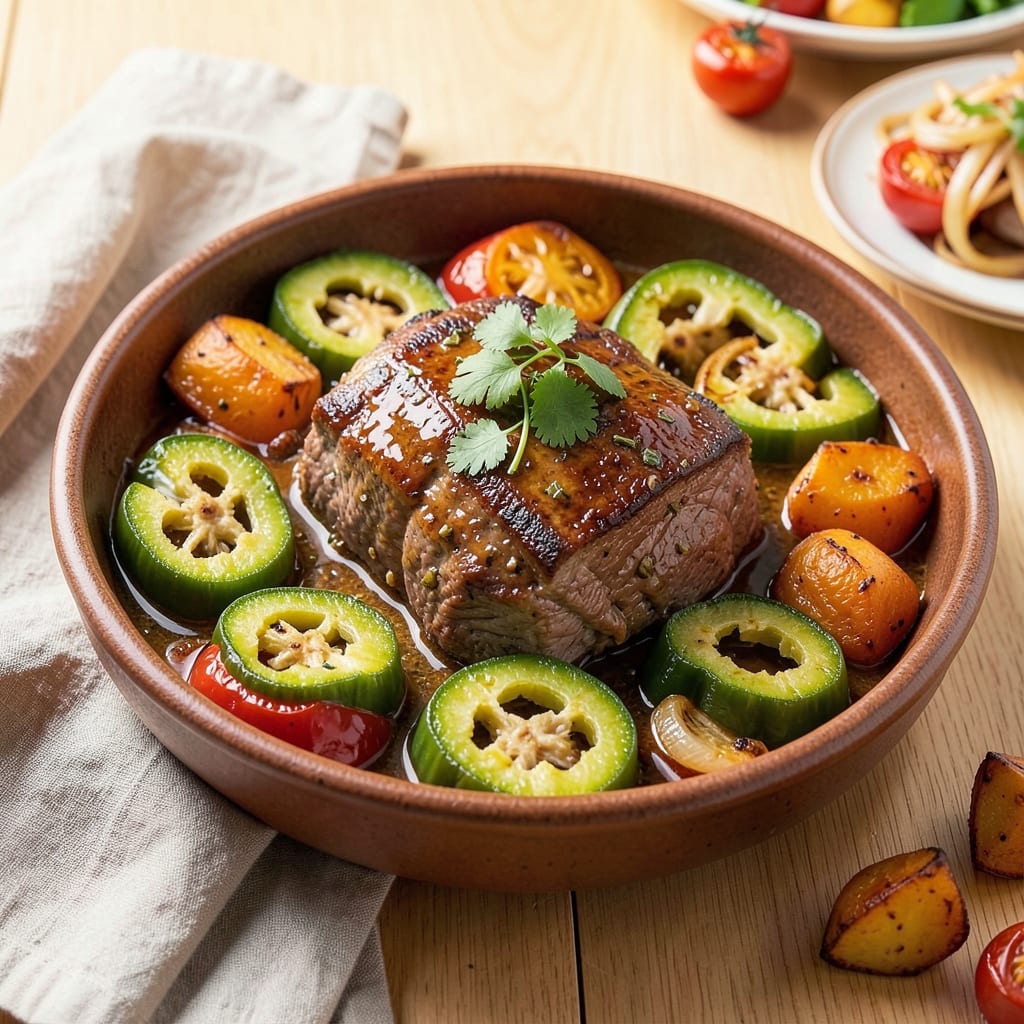
This Filipino-style ampalaya con beef brings the hearty, comforting flavors of home to your table with tender beef and bitter melon in a rich, savory stew. 💛 The secret lies in balancing the natural bitterness of ampalaya with sweet potatoes and tomatoes, creating a dish that's both nutritious and deeply satisfying. What makes this recipe special is its ability to transform simple ingredients into something extraordinary through slow simmering and careful seasoning.
The dish starts with beef that becomes fork-tender after hours of simmering, while the ampalaya softens just enough to release its earthy flavors without overpowering the meal. The addition of sweet potatoes adds natural sweetness that rounds out the bitterness, making every bite balanced and delicious. This is a foolproof recipe that delivers restaurant-quality results with minimal effort—perfect for family dinners or special occasions.
By the time you're done, you'll have a hearty stew with perfectly tender beef, silky ampalaya, and a sauce thickened just enough to coat every ingredient. The aroma alone will have everyone gathering around the table, and the taste—rich, savory, and just slightly sweet—will make this a new favorite. Serve it with steamed white rice to soak up every last drop of that flavorful broth.
This recipe is not just about the food; it's about the experience of bringing a taste of the Philippines into your home. Whether you're cooking for a crowd or treating yourself to a comforting meal, this ampalaya con beef is sure to impress. Let's get started on creating this Filipino classic in your own kitchen.
Ingredients for ampalaya con beef
Six hearty ingredients transform into this Filipino classic's comforting, savory stew.
| Ingredient | Amount | Notes |
|---|---|---|
| Beef Chuck Roast 🥩 | 2 lb | Cut into 1.5-inch cubes |
| Ampalaya (Bitter Melon) 🍈 | 2 medium | Peeled, deseeded, sliced |
| Sweet Potatoes 🍠 | 2 medium | Peeled, cubed, about 1.5 cups |
| Onions 🧅 | 2 whole | Yellow or red, chopped |
| Garlic Cloves 🧄 | 6 cloves | Minced, about 1 tbsp |
| Tomatoes 🍅 | 4 whole | Medium, chopped, about 1.5 cups |
| Carrots 🥕 | 3 whole | Medium, sliced |
| Potatoes 🥔 | 2 medium | Russet, cubed, about 1.5 cups |
| Tomato Paste 🍅 | 2 tbsp | Squeeze tube preferred |
| Soy Sauce 🍶 | ½ cup | Light or regular |
| Calamansi Juice 🍋 | ¼ cup | Or substitute lime juice |
| Bay Leaves 🌿 | 2 whole | Dried, crushed |
| Black Peppercorns 🌶️ | 1 tsp | Crushed, freshly ground |
| Salt 🧂 | 1 ½ tsp | Kosher or sea salt |
| Vegetable Oil 🫒 | ¼ cup | For browning beef |
The beef is the backbone—chuck roast gives that melt-in-your-mouth texture after hours of simmering. Look for good marbling at Costco or local butcher shops—the more fat, the more flavorful. Ampalaya (bitter melon) is key, so grab it at Asian markets if your grocery store doesn't carry it. The sweet potatoes and regular potatoes balance the bitterness perfectly—Russet potatoes hold up best during cooking. For the tomatoes, heirloom varieties add extra depth, but any ripe tomatoes work. Calamansi juice is ideal, but lime juice works in a pinch—just use a bit more since it's less acidic.
No calamansi? Lime or even lemon juice will do, though the flavor won't be identical. Short on soy sauce? Coconut aminos or tamari are great substitutes. The tomato paste can be swapped for passata or crushed tomatoes—just add a pinch of sugar to balance acidity. If you can't find bitter melon, zucchini or even eggplant can mimic some of its texture, though the flavor will differ. For the bay leaves, crush them lightly before adding to release the oils. The beef can be swapped for pork shoulder if you prefer, but it'll have a slightly different texture.
This stew tastes even better the next day—make a double batch for leftovers. Store in an airtight container in the fridge for 4-5 days or freeze for 3 months. The flavors meld beautifully over time, so don't hesitate to reheat portions. For meal prep, portion into containers with rice—everyone will love grabbing a ready-to-eat meal. The broth reduces as it cools, so add a splash of water when reheating if it's too thick.
Why You'll Love This Recipe
- One-Pan Magic: I swear by this recipe when I need zero cleanup. The beef, bitter melon, and sweet potatoes all simmer together in one pot—no chopping boards to wash, no extra pans to scrub. Honestly, I’ve made it after work when I just wanted to walk away from the kitchen.
- Sweet-Savory Balance: That first bite of tender beef with the crisp-tender ampalaya and caramelized sweet potatoes? It’s the kind of dish that makes you pause mid-bite. The bitter melon’s sharpness gets mellowed out by the rich beef and sweet potatoes, leaving behind a depth that’s ridiculously satisfying.
- Leftovers That Still Shine: Between us, this recipe tastes even better the next day. The flavors meld overnight, and reheating it keeps the beef juicy and the veggies tender. I’ll often make a double batch—perfect for lunch the next two days without sacrificing taste.
- Budget-Friendly Crowd-Pleaser: Beef chuck roast is affordable, and ampalaya stretches across multiple servings without breaking the bank. It’s the kind of dish that feeds a family of four (or more) without leaving you stressed about grocery costs. Plus, it’s one of those rare meals where everyone actually finishes their plate.
Step-by-step instructions for ampalaya con beef
Here's how to create this Filipino classic with rich beef and tender vegetables.
🔥 Step 1: Brown the Beef for Deep Flavor
Heat the 0.25 cup vegetable oil in a large Dutch oven over medium-high heat until shimmering. Working in batches to avoid crowding, add the 2 lb beef chuck roast cut into 1.5-inch cubes and sear for 3-4 minutes per side until deep golden brown. This step develops the Maillard reaction, creating that caramelized depth we want in the stew.
Real talk: Don't skip this. The beef needs that initial browning to release its natural juices and build flavor. If you see the oil smoking excessively, reduce heat slightly—you want a steady sizzle, not a fire. Transfer the browned beef to a plate and set aside temporarily.
👨🍳 Step 2: Sauté the Aromatic Vegetables
In the same Dutch oven, add the 2 whole onions chopped and 6 cloves garlic cloves minced. Cook over medium heat for 5-6 minutes until the onions soften and become translucent, then turn golden at the edges. The garlic should be fragrant but not browned—this prevents bitterness.
Here's where it gets fun—toss in the 2 tbsp tomato paste and stir for 1 minute until it darkens slightly. This creates a flavorful base that will blend beautifully with the other ingredients. I like to press the tomato paste into the pan with a wooden spoon to ensure even distribution.
🥘 Step 3: Build the Stew Base
Return the browned beef to the Dutch oven. Add the 4 whole tomatoes chopped, 3 whole carrots sliced, 2 medium potatoes cubed, 2 medium sweet potatoes cubed, 2 medium ampalaya (bitter melon) sliced and peeled, 0.5 cup soy sauce, 0.25 cup calamansi juice, 2 whole bay leaves crushed, 1 tsp black peppercorns crushed, and 1.5 tsp salt.
Pour in just enough water to come about halfway up the ingredients—about 3 cups. The vegetables should be mostly submerged but not swimming. Bring to a gentle boil, then reduce heat to low-medium and cover with a tight-fitting lid. This is where the magic happens as the flavors meld together.
⏰ Step 4: Simmer Until Tender Perfection
Let the stew simmer uncovered for 1.5 to 2 hours until the beef is fork-tender and the vegetables are soft but still hold their shape. You'll know it's ready when the beef easily pulls apart with a fork and the sauce has thickened slightly. The ampalaya should be tender but still retain some texture—it shouldn't turn mushy.
I know it seems like a long time, but patience is key here. The beef needs this slow cooking to become truly tender. If you're worried about the liquid evaporating too quickly, you can add a splash of water after the first hour, but try to avoid over-diluting the stew.
🍽️ Step 5: Adjust Seasoning and Serve
Once the stew reaches the perfect tenderness, taste and adjust the seasoning if needed. You might need a bit more salt or a splash of calamansi juice to brighten the flavors. The stew should be well-seasoned but not overly salty—Filipino cooking balances flavors beautifully.
Remove the bay leaves before serving, as they can be quite bitter. Ladle the hearty ampalaya con beef into bowls and serve immediately with steamed rice. The combination of tender beef, sweet potatoes, and the unique flavor of ampalaya makes this dish truly special—each bite delivers a perfect balance of savory, sweet, and slightly bitter notes.
Pro Tips For Making Ampalaya Con Beef
- SEAR THE BEEF HARD: Ampalaya con beef needs that deep, caramelized crust to stand up to the bitter melon’s sharpness. Hit the beef chuck roast with a hot pan—no oil needed if you pat it very dry first—and let it sit until you get a rich, dark brown layer. I used to rush this, and the beef just turned gray. Take your time here.
- PEEL THE AMPALAYA LAST: Bitter melon bruises fast, and once it’s cut, it releases that acrid juice. Keep the whole ampalaya unpeeled until you’re ready to slice—even if it’s still in the fridge. When you do slice, rinse it immediately under cold water to wash away the bitterness. Trust me, this saves you from scraping out a bowl of bitter sludge later.
- LOW AND SLOW FOR THE ROAST: Chuck roast isn’t just tough—it’s supposed to be. After searing, drop the heat to 300°F (150°C) and let it cook until it’s almost falling apart. A meat thermometer reads 195°F (90°C) internal—yes, it’ll look shreddable, but that’s the goal. Pull it early, and you’ll regret it when it turns to mush.
- ROAST THE SWEET POTATOES FIRST: Sweet potatoes take forever to soften, and you don’t want them turning to mush while the beef finishes. Toss them in the oven at 400°F (200°C) for 20 minutes before you even start the beef. They’ll caramelize beautifully and be ready to add at the last minute—no last-second scrambling. (Pro move: Cube them small; they cook faster.)
Pro cooking tips for ampalaya con beef
Beef Browning Mastery
Never skip browning the beef—this step unlocks deep, caramelized flavors through the Maillard reaction. Use medium-high heat and work in batches to avoid crowding. I recommend 2-3 minutes per side until the beef develops a deep golden crust. If your oil smokes excessively, reduce heat slightly—you want a steady sizzle, not a fire. 🔥
Tomato Paste Trick
Press the 2 tbsp tomato paste directly into the pan with a wooden spoon after sautéing onions and garlic. This creates a flavorful base that blends seamlessly with the other ingredients. Cook it for 1 minute until it darkens slightly—this builds a rich foundation for the stew's sauce.
Simmering Like a Pro
Cover the stew with a tight-fitting lid after adding liquid to trap steam and cook evenly. Simmer on low-medium heat for 1.5-2 hours—this slow cooking transforms tough beef into fork-tender perfection. If the liquid reduces too quickly, add ½ cup water after the first hour, but avoid over-diluting the sauce.
Balancing Bitterness
Ampalaya's natural bitterness is key, but sweet potatoes and tomatoes help balance it. If your stew tastes too bitter, add a splash of calamansi juice or a pinch of sugar. For extra depth, stir in 1 tbsp fish sauce (a Filipino staple) during the last 15 minutes of cooking—it adds umami without overpowering the dish. 🌶️
Vegetable Texture Control
To keep the ampalaya tender but not mushy, add it 10-15 minutes before the stew is fully cooked. The same goes for potatoes—add them 30 minutes before the end to prevent them from turning to mush. Sweet potatoes can handle longer cooking, so include them from the start.
Final Seasoning Touch
Always taste and adjust seasoning before removing bay leaves. You might need ½ tsp more salt or a splash of calamansi juice to brighten flavors. Filipino stews should be well-balanced—savory, slightly sweet, and just a hint of bitterness. Serve immediately with steamed rice to soak up every delicious drop of sauce. ✨
Nutrition facts
Frequently asked questions
Can I substitute ampalaya (bitter melon) with another vegetable?
Yes, but expect some flavor differences. Zucchini or eggplant work best for texture, though they won't replicate the unique bitterness of ampalaya. For a similar flavor profile, try 1 cup sliced okra or 1 cup sliced bitter gourd (if available)—both add earthy notes. Just reduce cooking time by 10-15 minutes since these veggies soften faster.
How do I make this recipe less bitter?
Start by balancing the ampalaya's bitterness with extra sweet potatoes or carrots—they add natural sweetness. For extra brightness, increase the calamansi juice to 0.35 cup or add 1 tbsp fish sauce—both help mellow the flavor. If needed, stir in ½ tsp sugar during the last 10 minutes of cooking.
Can I use a slow cooker for this recipe?
Brown the beef first, then transfer everything (including liquid) to a 6-quart slow cooker. Cook on low for 6-7 hours or high for 3-4 hours until beef is tender. The slow cooker's gentle heat helps tenderize the beef without overcooking the vegetables—just check occasionally and add water if needed.
What's the best way to store leftovers?
Cool the stew to room temperature, then transfer to an airtight container and refrigerate for up to 4-5 days. For freezing, portion into meal-sized containers (with rice) and freeze for up to 3 months
Why does my stew taste too salty?
Soy sauce is the most likely culprit—use ½ cup instead of 0.5 cup next time. If already made, dilute with ½ cup water or broth—simmer uncovered for 10 minutes to reduce liquid. For extra depth without salt, add 1 tbsp fish sauce—it adds umami without increasing sodium dramatically.