
Soups & Stews
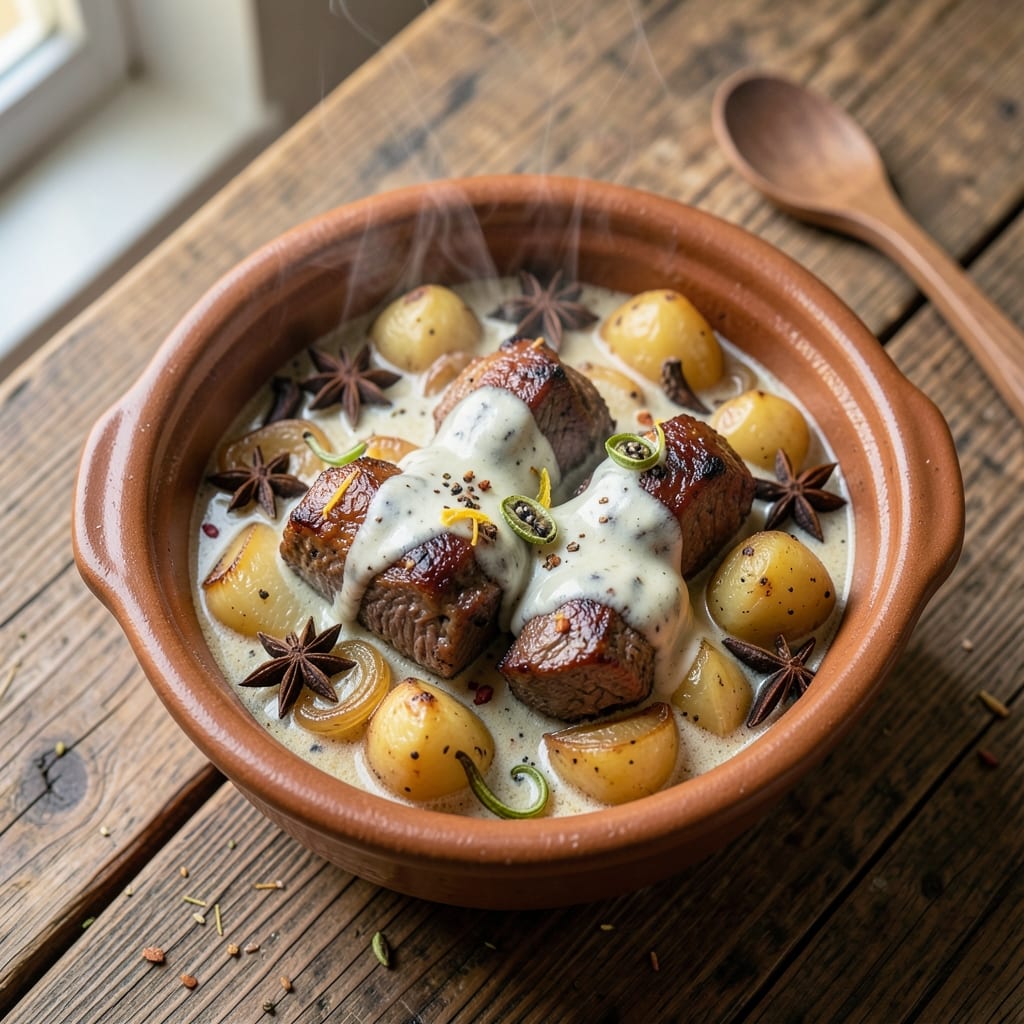
This Anglo-Indian beef stew brings rich colonial-era flavors to your pot, where tender beef meets aromatic spices and tangy yogurt for a dish that feels both nostalgic and refined. The key lies in the marinade—vinegar and cardamom work together to tenderize the meat while building layers of warmth, a technique perfected in British colonial kitchens across India. Slow cooking transforms tough cuts into melt-in-your-mouth perfection, with every bite carrying the heritage of a cuisine born from cultural fusion.
The magic happens in the braising process, where spices like cinnamon and cloves infuse the beef over hours, while yogurt adds a creamy depth that balances the richness. This isn’t just a stew—it’s a celebration of Anglo-Indian tradition, where British pantry staples meet Indian spice blends in harmony. The result is a dish that’s hearty enough for winter dinners but versatile enough to elevate weeknight meals with restaurant-quality depth.
By the time you serve it, the beef will be fork-tender, the broth reduced to a fragrant, spiced sauce, and the aroma enough to draw everyone to the table. Pair it with mint chutney and crusty bread to complete the experience—a dish that tells a story with every spoonful. The slow-cooking method ensures minimal effort for maximum reward, making it ideal for those who crave flavor without fuss.
Whether you’re recreating a colonial-era feast or simply craving a comforting stew, this recipe delivers authenticity and warmth in every bite. The spices and yogurt marinade not only tenderize the meat but also create a complex flavor profile that lingers long after the last mouthful. Perfect for feeding a crowd or savoring a solitary bowl, this Anglo-Indian beef stew is a testament to how simple ingredients can create something extraordinary.
Ingredients for anglo indian beef stew
Colonial spices, tender beef, and yogurt's tang create this rich Anglo-Indian masterpiece.
| Ingredient | Amount | Notes |
|---|---|---|
| Beef Chuck Roast 🥩 | 2 lb | Cut into 1.5-inch cubes |
| Plain Yogurt 🥛 | 1 cup | Full-fat for creaminess |
| White Vinegar 💧 | ¼ cup | For tenderizing meat |
| Green Cardamom Pods 🌿 | 8 whole | Lightly crushed, seeds only |
| Ground Cinnamon 🌶️ | 1 tsp | Freshly ground preferred |
| Whole Cloves 🌶️ | 4 whole | Lightly crushed |
| Fresh Ginger 🧄 | ½ inch | Peeled, sliced thin |
| Yellow Onion 🧅 | 1 whole | Chopped, medium size |
| Fresh Garlic Cloves 🧄 | 6 cloves | Minced, aromatic |
| Tomato Paste 🍅 | 2 tbsp | No-sugar-added preferred |
| Vegetable Oil 🫒 | 2 tbsp | For searing beef |
| Salt 🧂 | 1 ½ tsp | Kosher or sea salt |
| Black Peppercorns 🌶️ | ½ tsp | Freshly cracked |
| Water 💧 | 2 cups | For braising liquid |
| Fresh Cilantro 🌿 | ¼ cup | Chopped, for garnish |
The beef is the foundation—chuck roast delivers that melt-in-your-mouth texture after slow cooking. Look for well-marbled cuts at Whole Foods or your local butcher shop, where they can cut it to your specifications. If you're using pre-cut beef, check for even-sized pieces—this ensures consistent cooking. The yogurt should be full-fat and plain (Greek or regular), as it adds both creaminess and acidity to tenderize the meat. Skip the flavored varieties—they often contain additives that can interfere with the marinade's balance. For cardamom, Penzeys or bulk spice bins offer the freshest pods, but don't stress if you can only find ground—just use half the amount.
No cardamom pods? Ground cardamom at half the quantity works in a pinch, though whole pods release more aroma during cooking. Vinegar can be swapped for lemon juice if you prefer a brighter tang, but vinegar's acidity is more effective at breaking down meat fibers. For the ginger, if you can't find fresh, ground ginger at one-third the amount is acceptable, though it lacks the same depth. The tomato paste can be omitted entirely if you're avoiding it, but it adds a subtle sweetness that rounds out the flavors. For a deeper spice profile, toast your whole spices (cinnamon and cloves) in a dry pan for 30 seconds before adding them to the marinade—this intensifies their aromas dramatically.
This stew tastes even better the next day as the flavors meld, so make extra if you can. Store it in an airtight container in the fridge for up to 5 days or freeze portions for 3 months. The yogurt marinade can be prepped a day ahead and stored in the fridge, saving you time on cooking day. When reheating, add a splash of water or broth to prevent the sauce from thickening too much. The fresh cilantro should be added just before serving to preserve its bright flavor—it doesn't hold up well to reheating.
Why You'll Love This Recipe
- One-Pot Magic: I swear by this—just dump everything into a pot, stir, and walk away. The yogurt and vinegar do all the tenderizing work while you sip chai or scroll through your phone.
- Spiced Like Home: That cardamom and cinnamon? It’s the kind of warmth you’d get at your nani’s house, but with way less cleanup. The yogurt keeps it creamy without being heavy, and the vinegar cuts through the richness like a secret weapon.
- Leftovers That Don’t Suck: Seriously, this stew begs to be made extra. The flavors deepen overnight, and reheating it the next day? Still rich, still tender, still that perfect tangy-spice balance. (Yes, even on a Tuesday night.)
- Budget Beef Boost: A chuck roast is cheap, and this recipe stretches it into something luxurious. The yogurt and spices make it feel special without breaking the bank—honestly, I’ve served this at dinner parties and no one guessed it wasn’t a restaurant dish.
Step-by-step instructions for Anglo-Indian beef stew
This fusion of British braising techniques and Indian spices creates a rich, aromatic stew with tender beef and complex flavors.
Prepare the Spiced Yogurt Marinade
In a medium bowl, combine the 1 cup plain yogurt, 0.25 cup white vinegar, and 1.5 tsp salt. Whisk until fully blended - the vinegar will make the yogurt slightly curdle, which is normal. In a small mortar and pestle, crush the 8 green cardamom pods and 4 whole cloves until you can see the seeds but they remain whole. Add these to the yogurt mixture along with the 1 tsp ground cinnamon, 0.5 inch sliced fresh ginger, 1 whole chopped yellow onion, and 6 minced garlic cloves.
Use a wooden spoon to stir everything together, ensuring the spices are evenly distributed throughout the yogurt. The marinade should have a vibrant yellow color from the spices and a tangy aroma. Cover the bowl and refrigerate for at least 1 hour, or up to 4 hours before cooking. This marinade not only tenderizes the beef but also infuses it with the signature Anglo-Indian spice blend.
Sear the Beef for Maximum Flavor
Remove the beef chuck roast from the refrigerator and cut it into 1.5-inch cubes as specified in the ingredients. Pat the beef cubes dry with paper towels - this ensures a good sear. Heat the 2 tbsp vegetable oil in a heavy Dutch oven over medium-high heat until shimmering. Working in batches to avoid crowding, add the beef cubes and sear for 2-3 minutes per side until they develop a deep golden brown crust.
This searing step is crucial as it creates the Maillard reaction that forms the rich, caramelized flavors in the stew. Don't be tempted to rush this step - the beef should be well-browned before removing it from the pan. Transfer the seared beef to a plate and set aside. The browned bits left in the pot will form the flavorful base for your stew.
Build the Spiced Braising Liquid
Return the Dutch oven to medium heat and add the 2 tbsp tomato paste, stirring to coat the bottom and dissolve any browned bits. Pour in the marinated yogurt mixture, scraping up any residue from the bottom of the pot. Add the 2 cups water and bring the mixture to a gentle simmer, stirring occasionally to prevent sticking.
Once simmering, carefully return the seared beef to the pot, spooning some of the braising liquid over the top to ensure all pieces are coated. The liquid should come about halfway up the beef cubes. Cover the pot with a tight-fitting lid and reduce the heat to low. This is where the magic happens - the beef will gently braise in its own juices, absorbing all those wonderful spices and flavors.
Braise Until Tender Perfection
Let the stew braise for 2 to 2.5 hours, depending on the size of your beef cubes. You'll know it's done when a fork slides in and out easily, indicating the beef is fork-tender. The liquid should have reduced significantly but still coat the beef. If it starts to evaporate too quickly, add a splash of water or broth to maintain the proper consistency.
About 30 minutes before the stew is done, stir in the 0.5 tsp freshly cracked black peppercorns. This adds a subtle heat and aromatic quality that complements the other spices. The stew should have a rich, complex aroma with notes of cardamom, cinnamon, and the tangy yogurt. Taste and adjust the seasoning if needed, adding more salt or spices as desired.
Finish and Garnish
Once the beef is perfectly tender, remove the lid and increase the heat to medium. Let the stew simmer uncovered for 5-10 minutes to allow the sauce to thicken slightly. This step also helps develop the flavors further. Stir in the 0.25 cup chopped fresh cilantro just before serving - this adds a bright, fresh contrast to the rich, spiced stew.
Serve the stew hot, ladling the beef and sauce over steamed rice or crusty bread. The finished dish should have a balance of tender beef, aromatic spices, and a creamy yet slightly tangy sauce. Each bite should deliver a perfect harmony of British braising techniques with the vibrant flavors of Indian spices - the true essence of Anglo-Indian cuisine.
Pro Tips For Making Anglo Indian Beef Stew
- Brown the Beef First: Don’t skip this step—sear the chuck roast in batches until deeply browned on all sides. I learned this the hard way: skipping the crust means a stew that tastes more like boiled beef than rich, caramelized flavor. The yogurt and vinegar later will mellow the acidity, but the Maillard reaction from browning is what builds depth. ---
- Whisk Yogurt and Vinegar: Mix the plain yogurt with white vinegar before adding it to the pot—this prevents curdling when it hits the hot stew. I used to dump them in separately, and half the time, the yogurt would split into a gloopy mess. A quick whisk for 30 seconds saves you from scraping lumps out later. ---
- Crush Cardamom Pods: Lightly crush the green cardamom pods with the flat side of a knife—just enough to release the seeds, but don’t grind them into powder. Whole pods infuse flavor without overpowering, and they’re easier to fish out if you prefer less spice. Ground cinnamon stays as-is, but crushed cardamom makes a real difference. ---
- Simmer Low and Slow: Once the stew reaches a boil, drop the heat to a gentle simmer—you’re not making soup, you’re tenderizing tough beef. After 3 hours, check for doneness; if not, keep it going at low heat, covered, until the meat falls apart. High heat turns yogurt into glue and toughens the beef. Patience here changes the outcome.
Dietary considerations for this recipe
Vegetarian Adaptations
Swap the beef for extra-firm tofu or mushrooms like portobello and oyster varieties. Press the tofu to remove excess water, then cube and sear it just like the beef. For mushrooms, use 1.5 lbs of thick slices instead of cubed beef. The marinade works beautifully on both—just increase the braising liquid to 2.5 cups to account for the difference in moisture. 🌱
Gluten-Free Considerations
This recipe is naturally gluten-free, but always double-check your spices for hidden additives. Use certified gluten-free tomato paste and ensure your yogurt is free from cross-contamination. For extra safety, toast your spices in a dry pan before adding them to the marinade—this helps prevent any potential gluten transfer from shared storage containers. 🌾
Dairy-Free Options
Replace the yogurt with coconut yogurt or a dairy-free Greek-style yogurt like Silk’s Unsweetened version. For extra tang, add 1 tbsp lemon juice to the marinade. The coconut yogurt adds a subtle sweetness that pairs wonderfully with the spices, while the acidity still tenderizes the beef. Test the marinade consistency—it should be thick enough to cling to the meat but not too runny. 🥥
Spice Sensitivity Adjustments
If cardamom or cloves feel too intense, reduce them to 4 cardamom pods and 2 cloves, then add ½ tsp ground ginger for warmth instead. For a milder heat profile, omit the black peppercorns entirely and replace them with ½ tsp ground coriander for a citrusy note. Always taste as you go—Anglo-Indian flavors should dance, not dominate. 🌶️
Protein Swaps
Try lamb shoulder for a richer, gamier flavor—simmer it for 3 hours instead of 2.5. For seafood lovers, use firm white fish like cod (cut into 1-inch chunks) and reduce the braising time to 20 minutes after searing. The yogurt marinade works wonders on fish, keeping it moist while infusing delicate flavors. Just skip the long braise and focus on a quick sear and finish. 🐟
Allergen-Friendly Notes
For nut allergies, ensure all spices are processed in nut-free facilities. If using pre-made tomato paste, opt for brands like Muir Glen (check labels for potential cross-contamination). For soy allergies, avoid tofu and opt for chickpeas—toss them in the marinade and simmer for 45 minutes instead of braising. Always read labels carefully, especially for spices and yogurt. 🚫
Nutrition facts
Frequently asked questions
Why does the yogurt marinade curdle when vinegar is added?
The vinegar creates a chemical reaction with the yogurt's milk proteins, causing it to thicken and slightly curdle. This isn't a mistake—it actually helps tenderize the beef by breaking down muscle fibers. The curdled texture still works perfectly in the stew, adding depth to the sauce. For smoother results, use room-temperature yogurt when mixing.
Can I use ground beef instead of chuck roast?
While possible, chuck roast is ideal because its connective tissue breaks down during slow cooking, creating melt-in-your-mouth texture. Ground beef will cook much faster and may dry out. If you must use it, form into small patties, sear well, then reduce braising time to 1 hour—but expect a different, less tender result.
How do I know when the beef is perfectly tender?
The beef is done when it easily separates with a fork and the juices run clear. For chuck roast, this typically takes 2-2.5 hours of braising. Test a piece early—if it's still slightly chewy, return it to the pot for another 30 minutes. The sauce should coat the beef but not be watery.
What's the best way to reheat leftovers?
Gently reheat on the stovetop over low heat, adding 1-2 tbsp water to prevent thickening. Avoid microwaving—it can make the sauce rubbery. For extra flavor, add a splash of beef broth or a pinch of garam masala while reheating. Leftovers taste even better the next day as flavors meld!
Can I make this in an Instant Pot?
Yes! Sear the beef first, then add all marinade ingredients and 1 cup water. Cook on high pressure for 60 minutes, then quick-release. The pressure cooker cuts time by half while keeping the beef tender. For deeper flavor, finish with 5 minutes on sauté mode to thicken the sauce.