
Main Courses
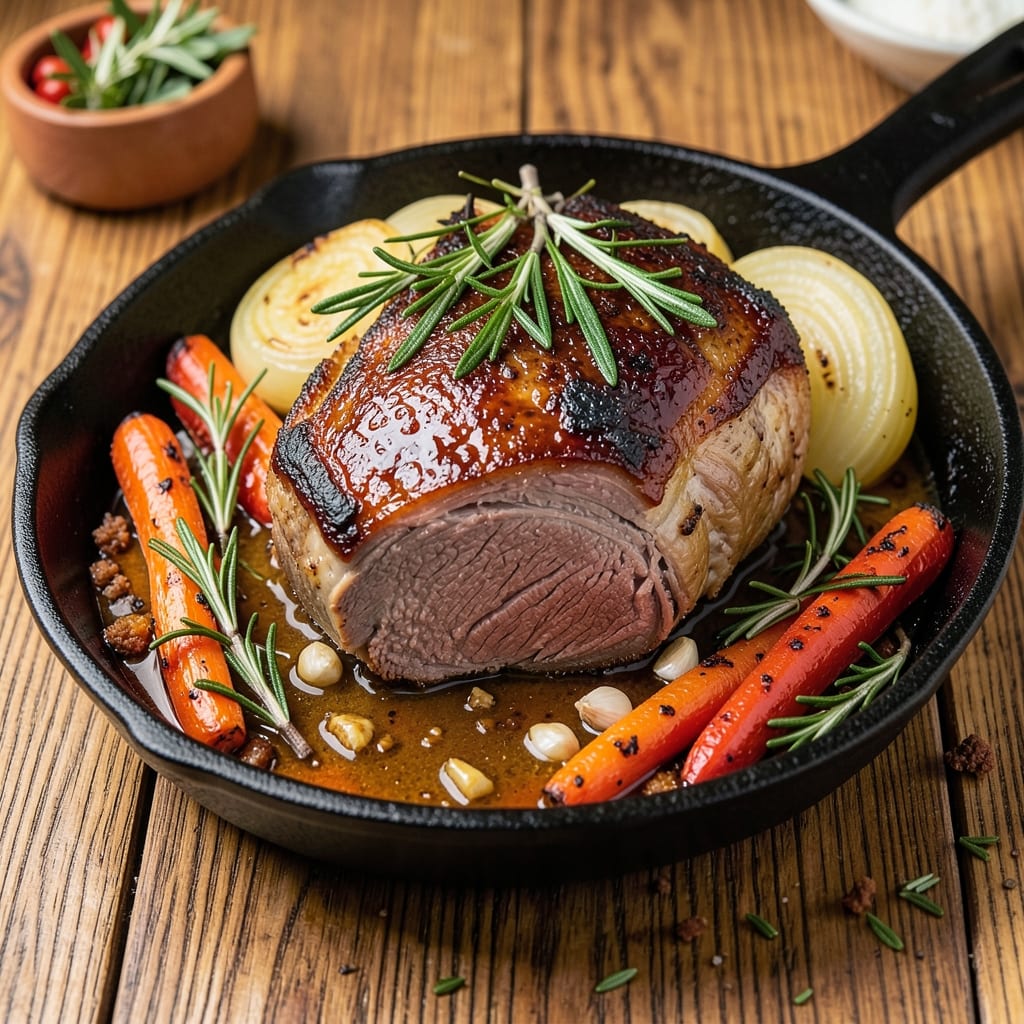
This Angus beef chuck roast oven recipe transforms tough cuts into melt-in-your-mouth perfection with minimal effort. The secret lies in slow-braising—where high heat sears the exterior while low-and-slow cooking tenderizes the meat to buttery stringy richness that falls apart at the touch of a fork. After years of perfecting this technique, I’ve developed a method that delivers restaurant-quality results without requiring a slow cooker or special equipment.
The process begins with a simple yet critical step: searing the roast to lock in juices before transferring it to the oven for hours of gentle cooking. A blend of aromatic herbs and spices creates a flavorful crust, while the slow braise breaks down connective tissue into succulent, fork-tender meat. The key to success? Patience and precision—timing the internal temperature to achieve that ideal balance between tenderness and moisture.
By the time your roast emerges from the oven, it will be fall-apart tender, with a deep, savory aroma that fills your kitchen. The crust remains rich and caramelized, while the interior melts like butter. This isn’t just a meal; it’s an experience—one that turns a simple weeknight dinner into a showstopping centerpiece. Serve it with classic sides like mashed potatoes or roasted vegetables to complete the dish.
What makes this recipe truly foolproof is its adaptability. Whether you’re feeding a crowd or prepping for meal prep, the same technique delivers consistent, restaurant-quality results every time. The beauty of slow-braising lies in its simplicity: minimal hands-on time, maximum flavor. Let’s get started on creating your most tender, flavorful roast yet.
Ingredients for angus beef chuck roast oven
Six simple ingredients transform tough chuck into melt-in-your-mouth perfection—no slow cooker needed.
| Ingredient | Amount | Notes |
|---|---|---|
| Angus Beef Chuck Roast 🥩 | 4 lb | Bone-in preferred for flavor |
| Yellow Onion 🧅 | 2 whole | Sliced into 1/2-inch rounds |
| Carrots 🥕 | 4 whole | Cut into 2-inch chunks |
| Celery Stalks 🌿 | 4 whole | Cut into 2-inch pieces |
| Garlic Cloves 🧄 | 6 cloves | Smashed, not minced |
| Fresh Rosemary 🌿 | 1 whole | Sprig, woody stems removed |
| Fresh Thyme 🌿 | 1 whole | Sprig, leaves only |
| Beef Broth 💧 | 3 cups | Low-sodium preferred |
| Red Wine 🍷 | 1 cup | Bold dry variety like Cabernet |
| Tomato Paste 🍅 | 2 tbsp | No-sugar-added preferred |
| Olive Oil 🫒 | 2 tbsp | Extra-virgin for searing |
| Kosher Salt 🧂 | 2 tbsp | Diamond Crystal preferred |
| Black Peppercorns 🌶️ | 1 tsp | Freshly cracked |
| Balsamic Vinegar 🍶 | 1 tbsp | For deglazing |
The Angus chuck roast is where this magic happens. Look for well-marbled cuts—that white fat between the muscles is what turns tough meat into tender heaven. Costco or local butcher shops usually have the best selection, but any grocery store with a meat counter will do. If you're buying pre-cut, check for even thickness—1.5 to 2-inch chunks cook perfectly. The herbs? Fresh is ideal, but if you're in a pinch, dried thyme and rosemary work at half the amount. Just don't skip them—they're what gives that restaurant-quality crust.
No beef broth? Low-sodium chicken broth with a splash of soy sauce works in a bind. Running out of red wine? Substitute extra beef broth with 1 tbsp balsamic vinegar for depth. The tomato paste can be swapped for 1/4 cup crushed tomatoes if that's what's in your pantry, but trust me on keeping it simple here. For the onions, carrots, and celery, baby carrots and pre-sliced onions save time—no need to peel them. The key is getting that rich, caramelized crust, so don't rush the searing step. That's where all the flavor develops.
This roast tastes even better the next day—3-4 days in the fridge is ideal. For meal prep, portion into containers with the cooking juices. Freezes beautifully for up to 3 months if you want to make a big batch. The leftovers reheat perfectly—just warm in the oven with a splash of broth to keep everything moist. Store the roast in its own juices in a sealed container, and trust me, you'll be grateful for the easy weeknight dinners.
Why You'll Love This Recipe
- I’ll be real: this is my go-to when I’m exhausted but still want something impressive. Throw it in the oven before work, come home to a house that smells like heaven, and dinner’s already done. (Yes, even on a Tuesday night.)
- One-Pot Magic: I swear by this—just toss the roast, onions, carrots, and celery into a Dutch oven with a splash of broth, sprinkle of thyme, and let the oven do the work. No chopping boards left in the sink, no extra pans to wash.
- Rich & Deep Flavor: That first bite? The Angus chuck melts like butter, while the onions and garlic caramelize into something sweet and savory. Honestly, the slow cook makes the beef taste like it’s been simmering for hours—even though it’s ready in under 3 hours.
- Leftovers for Days: Between us, this roast feeds my family for three meals without breaking the bank. Shred it for tacos, slice it for sandwiches, or just reheat a chunk—it’s always better the second time around.
Step-by-step instructions for slow-braised Angus beef chuck roast
Here's how to transform tough chuck roast into melt-in-your-mouth perfection with rich, stringy texture.
Sear the Roast for Maximum Flavor
Preheat your oven to 325°F. Heat 2 tablespoons of olive oil in a Dutch oven over medium-high heat until shimmering. Pat the 4 lb Angus Beef Chuck Roast dry with paper towels—this ensures a proper sear. Place the roast in the pot and sear on all sides until deeply browned, about 8-10 minutes total. You're building flavor through the Maillard reaction, so don't rush this step.
While the roast browns, prepare your vegetables. Add the 2 whole Yellow Onion (sliced into ½-inch rounds), 4 whole Carrots (cut into 2-inch chunks), and 4 whole Celery Stalks (cut into 2-inch pieces) to the pot. Sear them for 5 minutes until they begin to soften and take on color. This layering of flavors is what makes this dish extraordinary.
Build the Aromatic Base
Push the vegetables aside and add 2 tablespoons of tomato paste to the Dutch oven, scraping up any browned bits from the bottom. This step, called deglazing, captures all that caramelized flavor. Stir for 1 minute until the tomato paste darkens slightly.
Add the 6 smashed Garlic Cloves, 1 whole Fresh Rosemary (sprig, woody stems removed), and 1 whole Fresh Thyme (sprig, leaves only). Pour in the 1 cup Red Wine and scrape the bottom again to dissolve any remaining fond. Let this mixture simmer for 3 minutes until the wine reduces by about half and the aromatics are fragrant. This creates the flavor foundation for your braise.
Braise Until Fork-Tender
Return the seared roast to the pot, along with the vegetables. Add 3 cups of Beef Broth, 2 tablespoons of Kosher Salt, and 1 teaspoon of freshly cracked Black Peppercorns. Bring to a gentle simmer, then cover the Dutch oven with a tight-fitting lid. Transfer to the preheated 325°F oven and braise for 3 hours.
After 3 hours, check the roast's tenderness. It should be fork-tender but not falling apart. If it needs more time, continue braising for another 30-60 minutes until a knife slides in easily. The vegetables should be tender but still holding their shape. This low-and-slow cooking transforms tough muscle fibers into luxurious, stringy meat.
Finish with Rich Deglazing
Once the roast is fork-tender, remove it from the pot and place it on a cutting board. Tent loosely with foil and let it rest for 15-20 minutes. This resting period allows the juices to redistribute throughout the meat.
Return the Dutch oven to the stovetop over medium heat. Add 1 tablespoon of Balsamic Vinegar and let it reduce by half, about 2-3 minutes. This step adds depth and complexity to the sauce. Skim off any excess fat if desired, then pour the sauce over the sliced roast before serving.
Pro Tips For Making Angus Beef Chuck Roast Oven
- SEAR THE ROAST FIRST: The oven’s job is slow cooking, but the sear is where flavor happens. Hit the roast with a hot pan—no oil needed—until deep brown crust forms, then transfer straight to the oven. I used to skip this, and the dish always tasted flat afterward.
- CUT VEGETABLES UNIFORM: Carrots, onions, and celery should be roughly the same size—about 1-inch chunks. Uneven pieces mean some veggies overcook into mush while others stay crunchy. My grandmother called it "the lazy cook’s downfall," and she was right.
- USE A MEAT THERMOMETER: Angus chuck roast hits its sweet spot at 203°F—no guessing. I learned this the hard way after serving a roast that was still tough despite hours in the oven. Now I never take it out until the thermometer confirms it.
- SIMMER THE VEGETABLES FIRST: Sauté the onion, celery, and carrots until soft before adding liquid. This builds flavor into the base instead of letting them turn to mush later. Sounds simple, but I used to toss everything in raw—big difference in texture and taste.
Flavor customization for angus beef chuck roast oven
Classic Red Wine Braise
This is the foundational flavor profile that makes your chuck roast sing. The 1 cup bold dry red wine (like Cabernet Sauvignon) adds depth and acidity that balances the richness. I recommend Louis M. Martini Cabernet for its approachable tannins. For a deeper flavor, add ½ cup beef stock to the wine before deglazing—this intensifies the umami notes. 🍷
Herb Variations
Swap the rosemary and thyme for 1 sprig fresh sage and 2 bay leaves for a more Mediterranean twist. For a French-inspired version, add 1 tsp dried tarragon and ½ tsp smoked paprika to the tomato paste. I find fresh herbs elevate the dish, but dried works in a pinch (use half the amount). The key is balancing earthy and aromatic notes.
Spicy Kick Options
For heat lovers, add 1 tbsp chipotle powder or 2 tbsp hot paprika to the tomato paste. For smoky depth, mix 1 tsp smoked salt with the kosher salt. My go-to is ½ tsp cayenne pepper plus 1 tsp ground cumin—this adds warmth without overpowering the beef's natural richness. Adjust to taste after braising.
Umami Boosters
Enhance the savory depth with 1 tbsp soy sauce or 1 tsp fish sauce in the braising liquid. For a vegetarian-friendly touch, add 1 tbsp miso paste when deglazing. I often use 1 tsp Worcestershire sauce—it adds complexity without altering the dish's integrity. These small additions make a big difference in flavor.
Sweet & Tangy Twist
Brighten the dish with 1 tbsp honey or 1 tbsp brown sugar in the braising liquid. For tanginess, add 1 tbsp apple cider vinegar with the balsamic vinegar at the end. This balances the richness beautifully. I especially love this variation when serving with mashed potatoes—it creates a perfect harmony of flavors. 🌟
Nutrition facts
Frequently asked questions
Can I use a different cut of beef instead of chuck roast?
While chuck roast is ideal for this recipe, you can substitute with brisket or short ribs—both benefit from the slow braising method. Avoid leaner cuts like sirloin or tenderloin, as they'll dry out. For brisket, increase cooking time by 1-2 hours and slice against the grain. Short ribs may need 3-4 hours total.
How do I know when the roast is fully cooked?
The roast is done when it reaches an internal temperature of 195-203°F and becomes fork-tender. Use a meat thermometer to check the thickest part—it should read 203°F for maximum tenderness. If it's not falling apart after 3 hours, add another 30 minutes and check again. The meat will continue cooking slightly while resting.
Can I make this recipe in a slow cooker?
Sear the roast as directed, then transfer everything to a slow cooker. Cook on low for 8-10 hours or high for 5-6 hours, adding ½ cup water if the liquid reduces too much. The texture will be slightly more tender, but the flavor remains rich and deep. Just be sure to rest the meat before slicing.
What's the best way to reheat leftovers?
Reheat leftovers in the oven for the best results. Place slices in a baking dish with a splash of beef broth, cover with foil, and warm at 325°F for 15-20 minutes. For microwave reheating, cover with a damp paper towel and heat in 30-second intervals until warmed through. Avoid boiling—this makes the meat tough and dry.
Why does my roast turn out dry?
Overcooking or skipping the resting period are the most common causes. Always let the roast rest for 15-20 minutes before slicing—this allows juices to redistribute. Also, avoid lifting the lid frequently during cooking, as this lets steam escape. If using a Dutch oven, ensure it's tight-fitting. For extra moisture, add ½ cup more broth if the liquid seems too low during braising.