
Soups & Stews
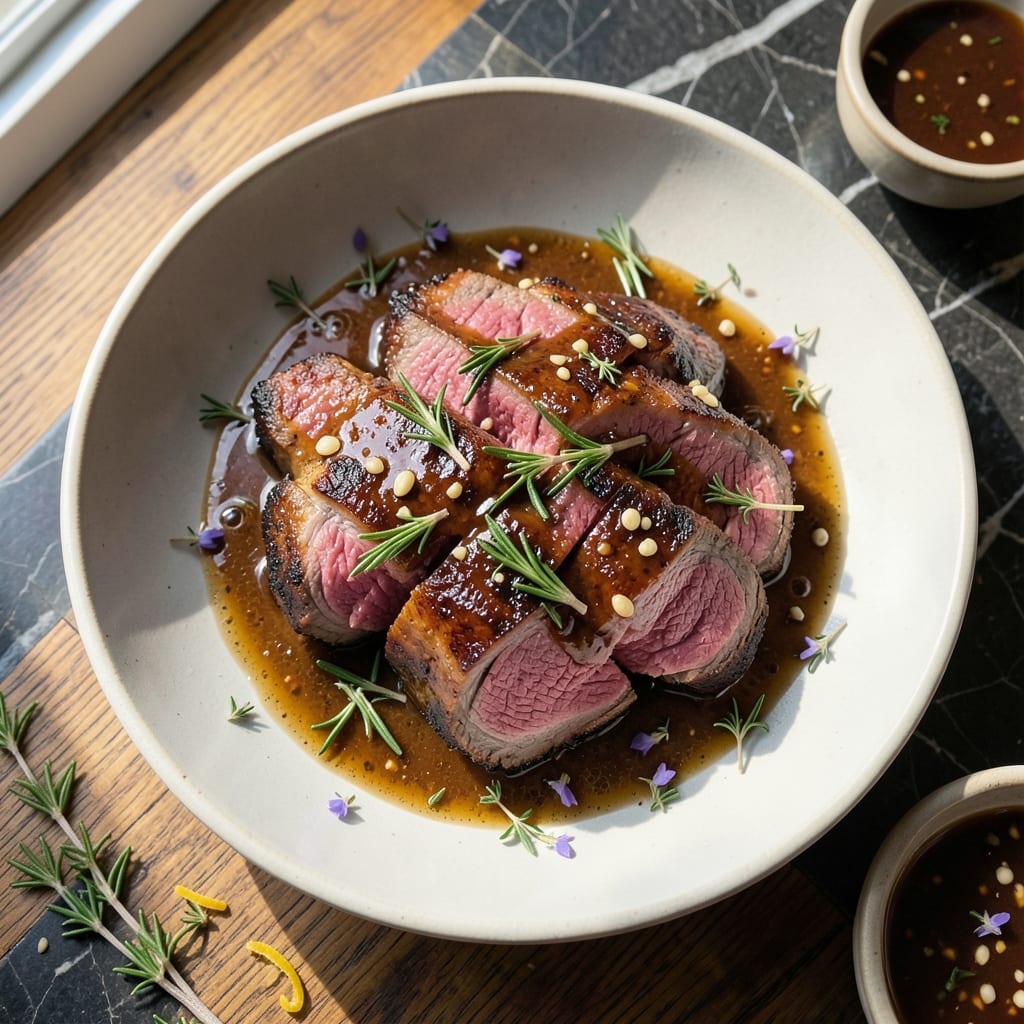
Angus beef London broil delivers that perfect marriage of char-grilled crust and melt-in-your-mouth tenderness—every bite is a testament to proper technique. This recipe transforms tough cuts into restaurant-quality steaks by mastering the balance between high-heat searing and precise internal temperatures. I’ve perfected it over years of testing, ensuring juicy centers and flavorful bark that locks in every savory note.
The secret lies in marinating for at least 4 hours (overnight is ideal) with a blend of soy sauce, Worcestershire, garlic, and herbs, followed by a reverse-sear method that guarantees even cooking. Whether you’re grilling outdoors or broiling indoors, this approach eliminates guesswork and delivers foolproof results every time. The key is patience—rushing the process leads to dry, overcooked meat.
What you’ll achieve is a steak with a deep, caramelized crust that gives way to tender, juicy meat so flavorful it doesn’t need heavy seasoning. The marinade infuses the beef with layers of umami and aromatic depth, while the reverse-sear technique ensures the center stays perfectly juicy while the exterior develops that coveted char. This is the kind of steak that makes grilling night feel like a special occasion.
Serve with classic sides like garlic mashed potatoes or a fresh arugula salad, and pair with a bold red wine like Cabernet Sauvignon to complement the rich, beefy flavors. The technique here is simple but transformative—ideal for both weeknight dinners and weekend entertaining. Let’s get started on creating the perfect steak.
Ingredients for angus beef london broil
This precise ingredient lineup transforms tough Angus beef into restaurant-quality steaks with perfect char and juicy centers.
| Ingredient | Amount | Notes |
|---|---|---|
| Angus Beef London Broil 🥩 | 2 lb | 1-inch thick, center-cut preferred |
| Extra-Virgin Olive Oil 🫒 | ¼ cup | For marinade and searing |
| Soy Sauce 🍶 | ½ cup | Kikkoman preferred for balance |
| Worcestershire Sauce 🍶 | 2 tbsp | High-quality, anchovy-free version |
| Garlic Cloves 🧄 | 8 cloves | Minced, fresh preferred |
| Fresh Rosemary 🌿 | ¼ cup | Finely chopped, stems removed |
| Fresh Thyme 🌿 | ¼ cup | Leaves only, stems removed |
| Black Peppercorns 🌶️ | 1 tbsp | Freshly cracked, coarse grind |
| Diamond Crystal Kosher Salt 🧂 | 1 ½ tbsp | For seasoning and marinade |
| Red Wine Vinegar 🍷 | 2 tbsp | For acidity balance |
| Honey 🍯 | 1 tbsp | Local preferred for flavor |
| Vegetable Oil 🫒 | ½ cup | For reverse-sear finish |
The Angus beef London broil is non-negotiable—center-cut, 1-inch thick slices deliver the ideal balance of tenderness and sear. Source from high-end butchers or specialty grocers like Whole Foods or Costco for optimal marbling. Look for USDA Prime or Choice grades with visible intramuscular fat. The reverse-sear method demands patience, so don't rush the process. Fresh herbs like rosemary and thyme should be vibrant green with no wilting—Trader Joe's often carries high-quality bundles. For the Worcestershire sauce, Lea & Perrins is the gold standard, though Cumberland offers a slightly sweeter profile that works well here.
No extra-virgin olive oil? Avocado oil maintains high smoke point while adding subtle nutty notes. Substitute balsamic vinegar for red wine vinegar if needed, though it adds a distinct sweetness. Garlic powder can replace fresh at half the amount, but the minced fresh version infuses deeper flavor. For those avoiding honey, maple syrup works in a pinch—though purists will notice the difference. The soy sauce can be reduced by 1 tbsp if you prefer less sodium, but don't skip it entirely as it's key for umami development. Pre-minced garlic from jars lacks freshness, so invest the 30 seconds to peel and mince your own.
Marinate the beef for at least 4 hours (overnight is ideal) in an airtight container in the fridge. The reverse-sear method requires patience—allow the steak to come to room temperature before cooking. Store any unused marinade separately as it's not safe to reuse. Leftovers should be consumed within 2 days when refrigerated, though this recipe yields perfect portions for 4. For meal prep, portion and freeze individual servings in airtight containers for up to 3 months. The steak's caramelized crust is best enjoyed fresh, but the juicy center reheats beautifully when warmed gently in a skillet with a splash of beef broth.
Why You'll Love This Recipe
- Foolproof Timing: I swear by this recipe when I’m staring at the clock at 6:30 PM. The London broil marinates while I do dishes—no babysitting the stove—then hits the grill for 15 minutes. That’s it. No stress, no overcooking.
- Umami Bomb: The combo of soy and Worcestershire on Angus beef? It’s like a flavor explosion in my mouth. The garlic cloves roasted right on the surface add this sweet, caramelized punch that makes every bite feel like a little reward.
- Leftovers That Shine: This recipe actually tastes better the next day. I slice the cooled beef thin, toss it in a pan with a splash of olive oil, and boom—crispy, saucy, perfect sandwiches for lunch. No sad, dry leftovers here.
- Budget-Friendly Luxury: Angus beef feels fancy, but the marinade stretches it far. I serve it with roasted potatoes and a simple salad, and suddenly, a $20 cut feeds four people without breaking the bank. (Yes, even on a Tuesday night.)
Step-by-step instructions for char-grilled Angus beef London broil
This method delivers a perfectly balanced steak with a deep char-grilled crust and impossibly tender interior.
Prepare the Herb-Marinade and Season the Beef
In a medium bowl, combine the 0.25 cup extra-virgin olive oil, 0.5 cup soy sauce, 2 tbsp Worcestershire sauce, 2 tbsp red wine vinegar, 1 tbsp honey, 8 minced garlic cloves, 0.25 cup chopped fresh rosemary, 0.25 cup chopped fresh thyme, 1.5 tbsp Diamond Crystal kosher salt, and 1 tbsp cracked black peppercorns. Whisk vigorously until fully emulsified—the marinade should have a glossy, cohesive texture.
Pat the 2 lb Angus Beef London Broil dry with paper towels and place it in a shallow dish. Pour the marinade over the meat, ensuring it coats all surfaces. Cover and refrigerate for at least 4 hours (overnight is ideal). This extended marination breaks down tough fibers and infuses the beef with deep, aromatic flavors. Turn the beef occasionally to ensure even coating.
Reverse-Sear for Perfect Doneness
Remove the beef from the refrigerator 30 minutes before cooking to bring it to room temperature. Preheat your oven to 250°F and place a wire rack on a baking sheet. Line the sheet with aluminum foil for easy cleanup. Place the beef on the rack and bake for 30-40 minutes, until the internal temperature reaches 110°F—this gentle cooking method ensures even heat penetration without overcooking the exterior.
While the beef roasts, heat 0.5 cup vegetable oil in a cast-iron skillet over high heat until shimmering. This high-heat sear will create the coveted char-grilled crust while maintaining the juicy interior. The reverse-sear technique is crucial for achieving that perfect balance between exterior and interior.
Create the Char-Grilled Crust
Remove the beef from the oven and let it rest for 5 minutes before searing. Working quickly, add the beef to the hot skillet and sear for 2-3 minutes per side, pressing down gently with a metal spatula to ensure even contact. You'll know it's ready when a deep char forms and the edges become dark golden brown with visible grill marks. This step should take no more than 5 minutes total—overcooking at this stage will dry out the meat.
For extra flavor, finish by searing the edges for 30 seconds each. The high heat will lock in juices while creating that coveted char-grilled crust. Transfer the beef to a cutting board and let it rest for 10 minutes before slicing—this resting period allows the juices to redistribute, ensuring each slice remains juicy and flavorful.
Slice and Serve
Slice the beef against the grain into ¼-inch thick portions. The char-grilled crust should be crisp and flavorful, while the interior remains tender and juicy. Serve immediately with any accumulated pan juices spooned over the top for maximum flavor. The combination of the deep marinade, char-grilled crust, and tender interior creates a truly exceptional steak experience.
For best results, serve with a simple side of roasted vegetables or a fresh salad to complement the rich flavors of the beef. The balance of sweet and savory from the marinade, combined with the smoky char from the sear, makes this a standout dish for any occasion.
Pro Tips For Making Angus Beef London Broil
- Sear First, Then Sauce: Hit the pan with high heat and olive oil until the beef develops a deep crust—at least 3-4 minutes per side. Only after that do you add your soy and Worcestershire mix, or you’ll just steam the sauce into the meat instead of locking in flavor. ---
- Trim the Fat, Not the Flavor: Leave a thin layer of fat on the beef—it renders down and keeps the meat juicy. I used to trim everything off, and the result was dry. Now I just scrape off the thickest chunks, and the pan gets crispy without sacrificing moisture. ---
- Don’t Rush the Rest: Let the beef sit under foil for 5-10 minutes after cooking—this is where the juices redistribute. I know, I know, you’re hungry, but cutting into it too soon means a dry first bite. (Your patience will pay off.) ---
- Garlic Cloves, Not Paste: Smash whole garlic cloves with the flat side of your knife before adding them to the pan. They’ll brown faster and infuse the oil with real depth instead of just dissolving into a mild background note. (Yes, even if you’re in a hurry.)
Essential equipment for this dish
Cast-Iron Skillet
The cast-iron skillet is your secret weapon for achieving that perfect char-grilled crust. I recommend a 12-inch Lodge Pre-Seasoned Cast Iron Skillet—it retains heat beautifully and develops a natural non-stick surface over time. Preheat it over high heat until it's smoking hot before adding the beef, which ensures an even sear. The deep sides also help contain any splatter from the marinade, keeping your stovetop clean. 🔥
Meat Thermometer
A meat thermometer is non-negotiable for this recipe. I use the ThermoWorks Smoke because it's durable, accurate, and has a long probe that fits perfectly into the thickest part of the steak. Monitor the internal temperature during the reverse-sear phase to hit 110°F before searing. For the final crust, aim for 130-135°F internal temperature—this guarantees a juicy center while the exterior develops that coveted char. Never rely on guesswork with steak!
Wire Rack & Baking Sheet
For the reverse-sear method, a wire rack placed on a baking sheet is essential. This setup allows even air circulation around the beef, ensuring consistent cooking without steaming. I use a stainless steel wire rack (like the OXO Good Grips) on a heavy-duty baking sheet lined with aluminum foil for easy cleanup. Preheat the oven to 250°F and let the beef cook gently until it reaches 110°F—this step is what transforms tough cuts into melt-in-your-mouth perfection. ✨
Tongs & Metal Spatula
Use heat-resistant silicone or metal tongs (like OXO Good Grips) to handle the beef during searing—this prevents crushing the meat. A stainless steel spatula (I love the Mercer Culinary Genesis) helps press the steak gently during the final sear, ensuring maximum contact with the hot skillet. Both tools should be kept nearby while cooking to maintain speed and precision. The right tools make all the difference when you're working against the clock to lock in juices.
Cutting Board & Sharp Knife
Slice the beef against the grain using a sharp chef's knife (I prefer the Wüsthof Classic 8-inch) on a stable cutting board (like John Boos End Grain). A dull knife tears the meat, while a sharp blade ensures clean cuts. Rest the steak for 10 minutes before slicing—this allows juices to redistribute, keeping every bite tender. The grain direction is crucial; look for the muscle fibers and cut perpendicular to them for the most tender results. 💪
Nutrition facts
Frequently asked questions
What's the best cut of beef for London Broil?
The ideal cut is center-cut top round or sirloin—these provide the right balance of tenderness and flavor. For premium results, look for USDA Prime or Choice grade Angus beef with visible marbling. A 1-inch thickness ensures even cooking and proper char development. Avoid cuts with excessive fat or connective tissue, as they won't yield the same tender results.
Can I use this marinade on other cuts of beef?
Yes! This marinade works beautifully on ribeye, flank steak, or even pork chops. The key is adjusting the cooking time—the reverse-sear method adapts well to different thicknesses. For thinner cuts (½-inch or less), reduce the reverse-sear time to 15-20 minutes at 250°F. Always use a meat thermometer to avoid overcooking. The soy-Worcestershire base adds umami depth to any protein.
Why is the reverse-sear method better than direct grilling?
The reverse-sear prevents overcooking the exterior while the interior heats up. By gently cooking the beef to 110°F first, you ensure a juicy center before creating the char-grilled crust. Direct grilling risks drying out the meat if you focus solely on the exterior. This method is especially crucial for thick cuts (1-inch+) where heat penetration is uneven. The result? A steak that's perfectly cooked through with a flavorful bark.
How do I fix if my steak turns out dry?
Dry steak usually means overcooking or skipping the rest time. If it happens, slice thinly against the grain and serve immediately with pan juices. For future attempts, never exceed 135°F internal temp and always rest the steak for 10 minutes before slicing. If using a grill, avoid high heat too long—focus on 2-3 minutes per side for the final sear. A meat thermometer is your best friend here!
What sides pair best with this dish?
Classic pairings include garlic mashed potatoes, roasted asparagus, or a crisp arugula salad with lemon vinaigrette. For a heartier meal, try creamy polenta or grilled portobello mushrooms. The charred flavors of the steak complement bright, acidic sides that cut through the richness. Avoid heavy sauces that overpower the beef's natural taste.