
Main Courses
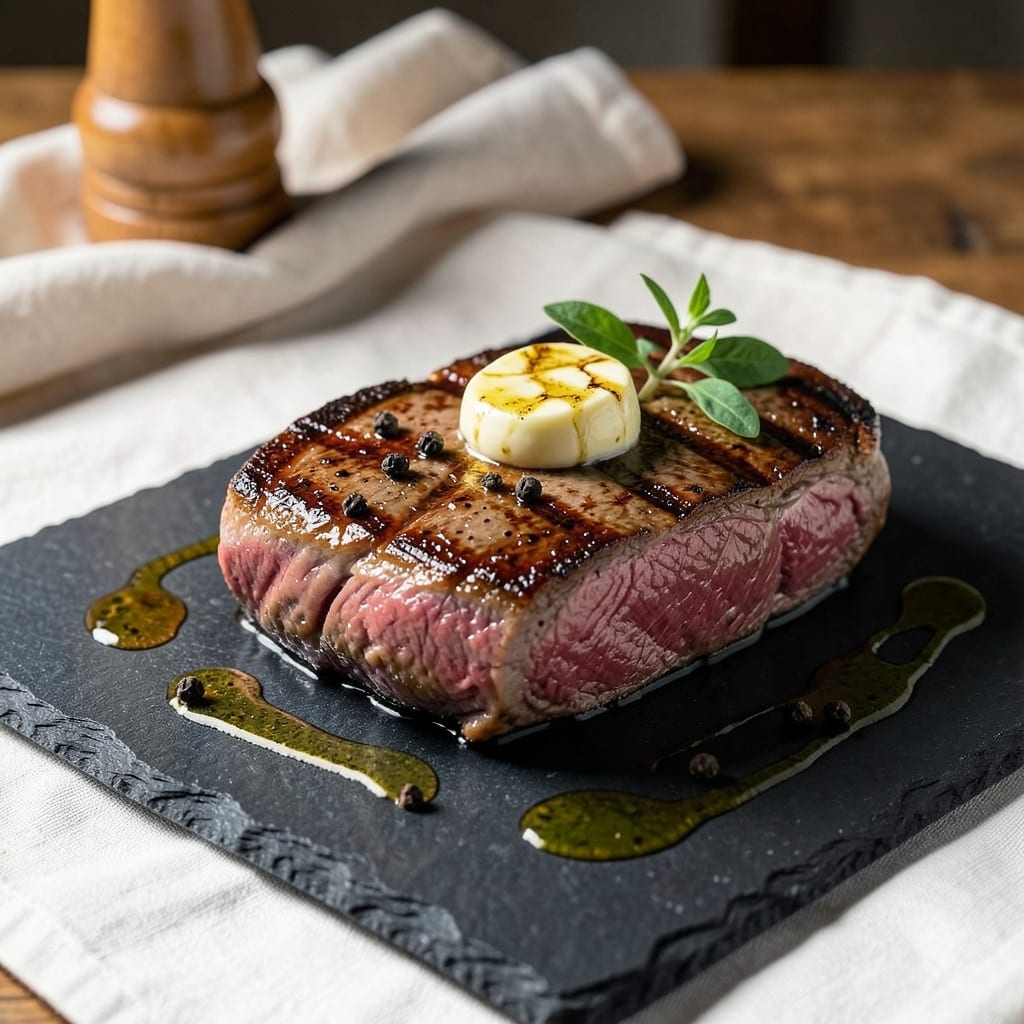
This Angus beef ribeye steak recipe delivers the perfect balance of a buttery crust and a molten center—exactly what makes a steakhouse-worthy meal at home. The secret lies in proper seasoning, high-heat searing, and precise temperature control to ensure every bite is tender yet flavorful. I've perfected this technique over years of testing, and it never fails to impress even the most discerning palates.
What sets this recipe apart is the focus on technique rather than complexity. You'll need just four simple ingredients—high-quality ribeye, kosher salt, black pepper, and butter—but the method transforms them into a restaurant-quality dish. The key is letting the steak come to room temperature before cooking and using a reverse sear for even doneness without overcooking the exterior. This ensures a crispy crust that gives way to a juicy, pink center every time.
By following these steps, you'll achieve a steak with a rich, beefy flavor enhanced by the caramelized crust and buttery finish. The aroma alone will have everyone gathered around your kitchen, and the first bite will be worth every minute of preparation. This is the kind of dish that elevates a simple weeknight dinner into a memorable experience.
Pair it with classic sides like roasted garlic mashed potatoes or a fresh arugula salad to complete the meal. The technique is straightforward, but the results are undeniably impressive—proof that great food doesn't require complicated recipes, just the right approach.
Ingredients for angus beef ribeye steak
Four ingredients, restaurant-quality results—this is where steak mastery begins.
| Ingredient | Amount | Notes |
|---|---|---|
| Angus Beef Ribeye Steak 🥩 | 1 ½ lb | Bone-in, 1-1.5 inch thickness, USDA Prime preferred |
| Kosher Salt 🧂 | 1 ½ tsp | Diamond Crystal preferred for even distribution |
| Freshly Ground Black Pepper 🌶️ | 1 tsp | Cracked peppercorns yield superior texture |
| Unsalted Butter 🧈 | 4 tbsp | European-style, 82% fat content for optimal flavor |
| Extra-Virgin Olive Oil 🫒 | 1 tbsp | High smoke point preferred for searing |
The Angus ribeye is non-negotiable for this recipe. Seek out USDA Prime or Choice grade with visible marbling—Costco and Whole Foods carry excellent selections. Aim for 1-1.5 inch thickness to prevent overcooking while achieving that perfect crust. If purchasing frozen, thaw in the refrigerator for 24-48 hours—never at room temperature. The butter matters too: European-style unsalted (like Plugrá) has higher fat content, which translates to richer flavor during the crusting phase. For the olive oil, California Avocado Ranch or Oregon's Filberts brands offer excellent high-heat stability.
No Diamond Crystal salt? Morton kosher salt works in a pinch, though you may need to adjust slightly—it's denser. Freshly cracked peppercorns are ideal, but pre-ground works if you're in a hurry (though texture suffers). For the butter, ghee can substitute if you prefer a dairy-free option, though flavor will differ. If you're concerned about the steak's thickness, pounding to even thickness ensures consistent cooking. And here's a pro tip: let the steak sit at room temperature for 30-45 minutes before cooking—this critical step ensures even doneness without overcooking the exterior.
Store the steak in its original packaging in the coldest part of your fridge—use within 5-7 days for optimal tenderness. The butter and olive oil should be kept in airtight containers in a cool, dark place, though butter will last 3-4 months refrigerated. For meal prep, portion the butter into small containers to maintain freshness. If you're planning ahead, the steak can be seasoned and refrigerated overnight—just bring it to room temperature before cooking. The aroma alone will have your kitchen smelling like a high-end steakhouse.
Why You'll Love This Recipe
- Five-Ingredient Magic: The secret’s in the simplicity—just a perfect cut of ribeye, a pinch of salt, a crack of pepper, and that golden butter bath. No fancy sauces, no overcomplicating it. Honestly, the steak does all the heavy lifting.
- Butter-Kissed Perfection: That moment when you baste the steak with melted butter and olive oil? Pure satisfaction. The crust gets crisp, the inside stays juicy, and the flavor? Ridiculously rich—like a hug from a butcher’s counter.
- Weeknight or Weekend: Slap this on the grill for summer BBQs or sear it in a cast-iron pan when you’re craving something special. Between us, it’s my go-to for date nights or lazy Sundays when I don’t want to fuss but still want to impress.
- Leftovers? Never Wasted: Slice the next day’s steak thin, toss it in a salad, or wrap it in a tortilla for a quick lunch. The flavor holds up, and honestly, cold ribeye sandwiches are my secret weapon for busy mornings.
Step-by-step instructions for perfectly cooked Angus beef ribeye steak
Mastering the ribeye requires precision—here's how to achieve that buttery crust and tender core every time.
Season and Rest the Ribeye for Optimal Texture
Remove the ribeye from the refrigerator and pat it completely dry with paper towels, focusing on the thickest parts. The drier the surface, the better the crust will form. Using your fingers, gently press the 1.5 tsp kosher salt and 1 tsp freshly ground black pepper directly into the meat, working it into all sides and edges. This ensures even seasoning and maximum flavor penetration.
Let the seasoned steak rest at room temperature for 45-60 minutes before cooking. This crucial step allows the meat to come to room temperature, ensuring even cooking throughout. I know it's tempting to cook immediately, but this resting period prevents temperature shock when the steak hits the hot pan, which can lead to uneven doneness.
Preheat Pan and Sear to Develop Deep Flavor
Place a heavy skillet—cast iron works best—over medium-high heat until it's smoking hot. Add 1 tbsp extra-virgin olive oil and let it shimmer for 1-2 minutes. The high smoke point of this oil ensures it won't break down during searing, preserving its delicate flavor. Add 2 tbsp unsalted butter to the pan and let it melt completely, creating a flavorful base for your crust.
Carefully place the ribeye in the pan, using tongs to position it away from you to avoid oil splatter. Press down gently on the steak during the first minute of cooking—this prevents curling and ensures even contact with the pan. You'll see the edges begin to brown after about 2 minutes, signaling it's time to flip. Cook for another 2-3 minutes on the second side, then flip once more to sear the edges for 1 minute per side.
Build the Butter Basin for Maximum Flavor
Remove the steak from the pan and place it on a warm plate. Immediately reduce the heat to medium-low and add the remaining 2 tbsp unsalted butter to the pan. Tilt the pan slightly and spoon the melted butter over the steak's surface, coating it generously. This creates what chefs call a "butter basin"—the rendered fat and caramelized bits that form in the pan during searing.
Return the steak to the pan for 1-2 minutes to baste it in this flavorful butter. The residual heat will finish cooking the exterior while infusing it with rich, buttery flavor. You're looking for an internal temperature of 125-130°F for medium-rare—use a meat thermometer inserted into the thickest part to check. Remove the steak when it reaches your desired doneness.
Rest and Slice for Perfect Juiciness
Transfer the steak to a cutting board and let it rest for 10-15 minutes before slicing. This resting period allows the juices to redistribute throughout the meat, preventing them from pooling on the surface and running out when you cut. Tent loosely with foil to keep it warm during this time. The steak should feel firm to the touch but still yield slightly when pressed.
Slice the ribeye against the grain into ½-inch thick pieces. The grain runs horizontally across the steak—you'll see it as you cut. Serve immediately with the pan juices spooned over the top. Each slice should be tender with a perfect pink center, surrounded by a crispy, golden crust that's rich with buttery flavor. The contrast between the molten interior and caramelized exterior is what makes this cut so exceptional.
Pro Tips For Making Angus Beef Ribeye Steak
- Sear on Maximum Heat: Crank your stove to the highest setting—ribeye needs that initial shock to lock in juices. I used to hover around medium-high, and the crust never crisped like it does when the oil shimmers violently before adding the steak. (Yes, even if you’re impatient like me.) ---
- Salt the Night Before: Toss the steak with salt and pepper 12–24 hours ahead—it seasons deeper and dries the surface for a better crust. I learned this the hard way after slathering salt on fresh steak and wondering why the seasoning tasted superficial. ---
- Skip the Butter Bath: Tossing the steak in butter at the end? That’s a flavor bomb, but it’ll make your pan greasy and hard to control. Instead, add a pat of butter only in the last 30 seconds of searing—just enough to baste, not drown. ---
- Rest Under Foil: After resting, wrap the steak in foil for the last 5 minutes—it traps heat and keeps the interior from dropping below 125°F. I used to skip this, and my steaks always felt lukewarm in the center by the time they hit the plate.
Wine and beer pairings for angus beef ribeye steak
Classic Red Wine
A bold Cabernet Sauvignon from Napa Valley is my go-to pairing for ribeye—its dark fruit flavors and firm tannins stand up to the steak's richness. Look for a 2018 or newer vintage with notes of black cherry and vanilla. I love Opus One or Caymus Vineyards for their balance of power and elegance. 🍷
For a more affordable option, try a Malbec from Argentina like Catena Zapata. Its velvety texture and plum flavors complement the steak's buttery crust beautifully. Serve slightly chilled to enhance the wine's freshness against the warm steak.
Full-Bodied Beer
A stout beer like Guinness or Samuel Adams Black Lager adds a malty contrast that cuts through the steak's richness. The roasted coffee and chocolate notes in stouts create an unexpected but delicious pairing. For something lighter, a Belgian Dubbel like Westmalle Dubbel offers caramel and spice that harmonize with the ribeye's crust. 🍺
If you prefer hoppier options, try a double IPA like Stone Ruination—its citrus and pine notes provide a refreshing contrast to the steak's beefy flavors. Just avoid overly bitter beers that might overpower the dish.
Whiskey or Bourbon
For a post-dinner sip, pour a small glass of bourbon like Woodford Reserve or Buffalo Trace. The caramel and vanilla notes in bourbon mirror the steak's buttery finish. Serve neat at room temperature to let the flavors shine. 🥃
If you prefer Scotch, a peated Islay malt like Laphroaig adds a smoky depth that pairs surprisingly well with the ribeye's charred crust. Just be mindful of the smoke intensity—start with a small pour to avoid overwhelming the meal.
Unexpected Pairings
For a bold twist, try port wine—its sweetness balances the steak's richness while adding a luxurious touch. A Ruby Port from Graham's Vineyard works beautifully. Alternatively, a dry Riesling from Germany offers crisp acidity that cleanses the palate between bites. 🍷
If you're feeling adventurous, pair with aged balsamic vinegar (yes, really!)—its tangy sweetness enhances the steak's umami flavors. Drizzle a small amount over the steak before serving for a restaurant-worthy finish.
Nutrition facts
Frequently asked questions
What's the ideal thickness for an Angus ribeye steak?
Aim for 1-1.5 inches thickness to prevent overcooking while achieving that perfect crust. Thinner cuts (½-inch) will cook too quickly, while thicker cuts (>2 inches) may develop uneven doneness. The 1.5 lb ribeye in this recipe typically yields 4 servings with 1-inch thick portions.
Can I use a different cut of beef instead of ribeye?
While ribeye is ideal for its marbling and flavor, you can substitute with New York strip or filet mignon. Filet will be more tender but less flavorful, while strip offers a similar beefy taste. Avoid lean cuts like sirloin—they lack the fat needed for that perfect crust. For best results, choose cuts with visible marbling.
How do I know when the steak is done without a thermometer?
For medium-rare, press the steak gently with your finger: it should feel soft but slightly springy (like pressing your thumb against your palm). The edges should be browned but not charred. A quick test is the 10-second rule: press your thumb and forefinger together—if the steak feels similar, it's likely medium-rare.
Why does my ribeye turn out dry or overcooked?
Most common mistakes: not resting the steak before cooking, overcrowding the pan, or cutting too soon after cooking. Always let the steak rest 10-15 minutes before slicing, and use a meat thermometer to avoid guesswork. High heat + butter basin = perfect crust without drying out the interior.
What's the best way to reheat leftover ribeye?
Slice the steak and reheat in a skillet over medium-low heat with a splash of beef broth for 1-2 minutes per side. Never microwave—it makes the meat tough. For best results, cook only what you'll eat fresh, as reheating can dry out even the best steak.