
Main Courses
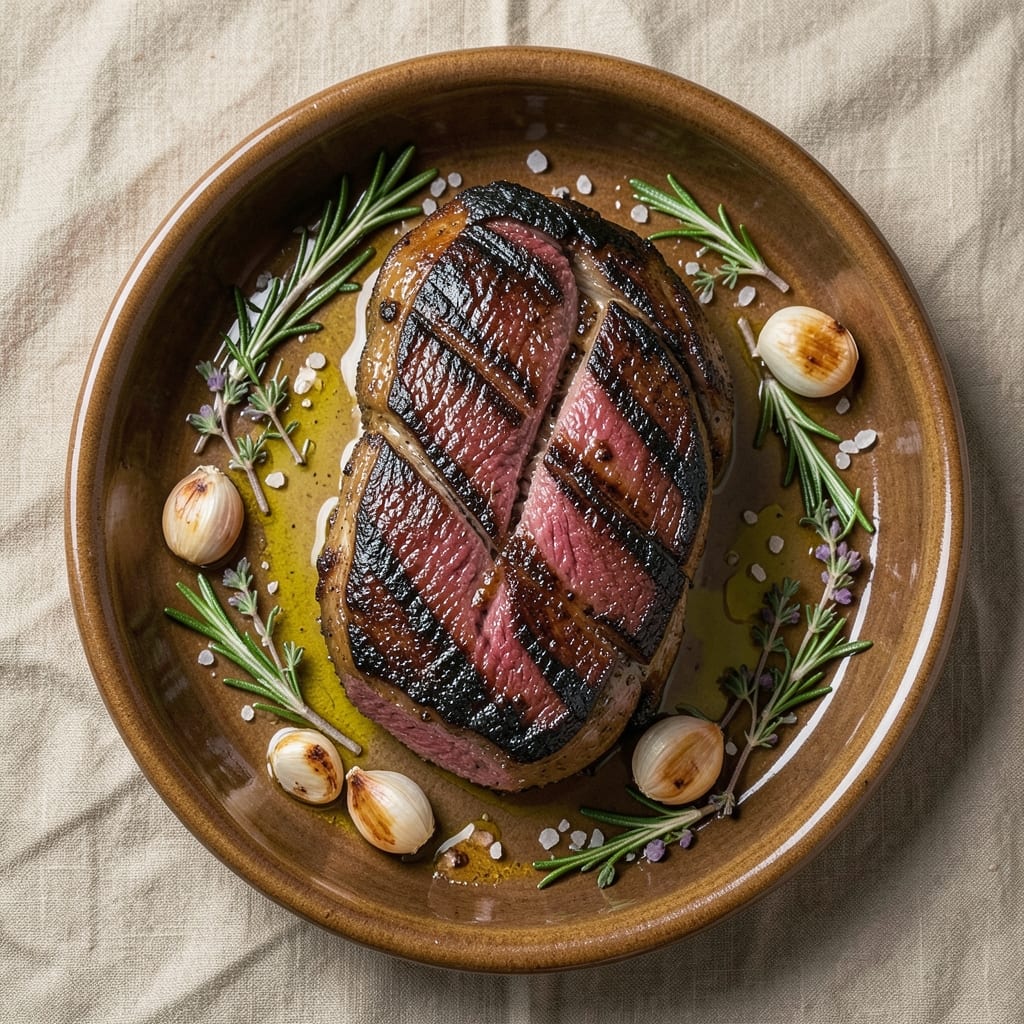
This Angus beef sirloin tip roast recipe delivers restaurant-quality results with a herb-crusted exterior and juicy, melt-in-your-mouth tenderness—all in one pan. The secret lies in precise temperature control and a flavorful crust that locks in moisture while creating a caramelized finish. After years of perfecting this method, I’ve developed a foolproof approach that ensures medium-rare perfection every time, with a rich, beefy flavor that’s worth the investment.
The beauty of this recipe is its simplicity: just a few high-quality ingredients—Angus beef, fresh herbs, and a touch of garlic—transformed into a showstopping main course. Unlike traditional roasting methods, this technique focuses on even heat distribution and minimal handling, preserving the natural richness of the beef while building a deep, aromatic crust. The result is a cut so tender it nearly falls apart, with a golden-brown exterior that adds visual appeal and extra flavor.
What sets this apart is the reverse sear method, which guarantees consistent doneness without overcooking. You’ll achieve a crispy, flavorful crust while keeping the interior perfectly pink and juicy—ideal for those who prefer medium-rare or rare doneness. The herb crust not only enhances the flavor but also adds a textural contrast that elevates the dish to something truly special.
Pair this roast with roasted garlic mashed potatoes or a red wine reduction for a complete, restaurant-worthy meal. The leftovers reheat beautifully, making it perfect for meal prep or entertaining. Whether you’re cooking for a special occasion or treating yourself to a premium cut, this recipe delivers foolproof perfection with minimal effort.
Ingredients for angus beef sirloin tip roast
Premium Angus beef meets aromatic herbs and precise technique for restaurant-worthy roast perfection.
| Ingredient | Amount | Notes |
|---|---|---|
| Angus Beef Sirloin Tip Roast 🥩 | 2 lb | Center-cut, 1.5-inch thick slices |
| Fresh Rosemary 🌿 | ¼ cup | Finely chopped, organic preferred |
| Fresh Thyme 🌿 | ⅛ cup | Leaves only, stems removed |
| Garlic Cloves 🧄 | 6 cloves | Smash flat with side of knife |
| Extra-Virgin Olive Oil 🫒 | 2 tbsp | High-quality, fruity variety |
| Diamond Crystal Kosher Salt 🧂 | 1 ½ tsp | Coarse grain preferred |
| Freshly Ground Black Pepper 🌶️ | 1 tsp | Freshly cracked preferred |
| Unsalted Butter 🧈 | ½ cup | Cold, cubed for crust |
| Dry Red Wine 🍷 | ¼ cup | Bold Cabernet Sauvignon |
| Beef Tallow or Duck Fat 🥛 | 1 tbsp | For high-smoke sear |
| Fresh Parsley 🌿 | 0.1 cup | Chopped, for garnish |
The Angus beef sirloin tip is non-negotiable here—look for center-cut slices with visible marbling at trusted butchers or specialty markets like Whole Foods or D'Agostino. The 1.5-inch thickness ensures even cooking while maintaining tenderness. Fresh herbs should be bright green and fragrant—grab them from the produce section or farmers' market. For the olive oil, California-made brands like Otto or Bertolli deliver the best flavor profile, while Diamond Crystal kosher salt (not Morton) provides the ideal grain for seasoning. The red wine should be bold and dry—Cabernet Sauvignon works best, but Merlot or Zinfandel are fine alternatives.
No fresh rosemary? Dried rosemary at half the amount works in a pinch, though fresh is ideal. Substituting butter for the beef tallow is acceptable, but tallow delivers superior caramelization. The garlic can be roasted ahead for extra depth—simply toss whole cloves with olive oil and roast at 400°F for 10 minutes. For a lower-alcohol option, substitute the wine with beef stock or red wine vinegar (reduce by half first). If you're using pre-sliced beef, trim any excess fat to ensure even cooking—this cut has natural marbling, so don't remove it entirely.
This roast reheats beautifully—warm in a skillet with a splash of beef broth for 2-3 minutes to restore moisture. Store leftovers in an airtight container for up to 4 days in the fridge or 3 months frozen. For meal prep, portion into single-serving containers with a drizzle of olive oil to keep slices separate. The herb crust can be prepped 1 day ahead—just store the mixture in the fridge and assemble before cooking. Never thaw frozen roast at room temperature—use the fridge overnight for best results.
Why You'll Love This Recipe
- Two-Ingredient Magic: The secret’s in the beef and oil—just sear that sirloin tip with crushed garlic cloves, let the rosemary and thyme cling to the crust, and you’ve got a dish that tastes like it simmered for hours. No fancy marinades, no stress.
- Weeknight Hero: Between us, this is the roast I pull out when I’ve got 45 minutes and a house full of people. Slice it thin, toss with crusty bread, and suddenly dinner feels like a Sunday supper—not a rushed Tuesday scramble.
- Leftovers That Don’t Suck: Here’s what sold me—this roast stays tender for days, so I can throw it into salads, grain bowls, or even breakfast hash. No sad, dry reheats; just rich, juicy beef that tastes better the next day.
- Budget-Friendly Luxury: You’re paying for quality, but honestly? A single roast feeds my family for three meals without breaking the bank. That crispy garlic-herb crust makes it feel like a restaurant cut, not a grocery store splurge. (Yes, even on a Tuesday night.)
Step-by-step instructions for herb-crusted Angus beef sirloin tip roast
Master this technique and you'll achieve restaurant-quality rare beef with a fragrant herb crust every time.
Prepare the Herb Crust Mixture
In a medium bowl, combine the 0.25 cup fresh rosemary, 0.125 cup fresh thyme, and 6 smashed garlic cloves. Pulse in a food processor until finely chopped—this ensures even distribution of flavors throughout the crust. Transfer to a small mixing bowl and stir in 1.5 tsp Diamond Crystal kosher salt and 1 tsp freshly ground black pepper. The mixture should look like a coarse, aromatic paste.
In a separate bowl, melt the 0.5 cup unsalted butter with the 1 tbsp beef tallow or duck fat over a double boiler or in 30-second intervals in the microwave. This gentle melting preserves the butter's flavor without burning it. Once fully melted, pour the fat mixture into the herb paste and stir until completely combined. The butter should coat the herbs evenly, creating a malleable crust that will adhere beautifully to the beef.
Season and Coat the Roast
Pat the 2 lb Angus beef sirloin tip roast completely dry with paper towels—this is critical for achieving a proper sear. Season all sides generously with the remaining 1.5 tsp kosher salt and 1 tsp black pepper, pressing the crystals into the meat to ensure they adhere. The seasoning should look like a fine white crust on the surface.
Using your hands, coat the roast thoroughly with the herb butter mixture, pressing it into every crevice. This step creates the signature crust that will encase the beef during cooking. Place the coated roast on a plate and refrigerate for 30 minutes—this allows the crust to firm up slightly, making it easier to handle and ensuring better adhesion when searing.
Sear the Roast for Maximum Flavor
Heat a 12-inch cast-iron skillet over medium-high heat until it's smoking hot. Add 2 tbsp extra-virgin olive oil and swirl to coat the pan evenly. Place the herb-coated roast in the skillet and sear for 4 minutes per side, pressing down gently with a metal spatula during the first minute to ensure even contact with the pan. You'll know it's ready to flip when the crust develops a deep golden-brown color and releases easily from the pan.
After searing, remove the roast from the skillet and set it aside on a plate. Pour the 0.25 cup dry red wine into the skillet, scraping up any browned bits from the bottom with a wooden spoon. Let the wine reduce by half—about 2 minutes—until it forms a glossy, concentrated sauce. This deglazing step captures all the fond (browned bits) and herb flavors that would otherwise be lost.
Finish in the Oven for Perfect Doneness
Preheat your oven to 400°F. Transfer the seared roast to a baking dish and pour the reduced wine sauce over the top. Roast for 12-15 minutes for rare doneness (internal temperature 120-125°F), or 18-20 minutes for medium-rare (130-135°F). The herb crust should become deeply aromatic and slightly crispy, while the beef remains tender and juicy inside.
To check doneness, use an instant-read thermometer inserted into the thickest part of the roast. Remove from the oven when it reaches your desired temperature and let it rest for 10 minutes before slicing. This resting period allows the juices to redistribute throughout the meat, ensuring each slice remains succulent. Garnish with 0.1 cup chopped fresh parsley before serving for a pop of fresh color and brightness.
Pro Tips For Making Angus Beef Sirloin Tip Roast
- Use a Meat Thermometer: DESCRIPTION: Sirloin tip roast hides moisture and can fool your eye—especially when it’s thick. I learned this the hard way after slicing what I thought was medium-rare only to find it gray and tough. Aim for 120–125°F internal temp for medium-rare (it’ll rise to 130°F while resting). Stick it in the thickest part, away from bone or fat.
- Dry the Meat First: DESCRIPTION: A wet roast won’t brown worth a damn. Pat that sirloin tip thoroughly with paper towels—even if it feels ridiculous. I used to skip this, and my crust was always pale and sad. Let it sit uncovered on a rack for 10–15 minutes before searing. (Yes, even if you’re impatient like me.)
- Sear in Batches: DESCRIPTION: That roast is big, and your pan isn’t. Crowd it, and you’ll steam the meat instead of sear it. Cut the roast in half horizontally (if it’s over 3 lbs) and sear each side in 2 tablespoons of olive oil over high heat for 3–4 minutes per side. No, it’s not traditional—but it guarantees a crust.
- Rest Under Foil: DESCRIPTION: I used to slice roast straight off the heat, and the juices pooled like a crime scene. Tent it loosely with foil and let it rest 10–15 minutes before slicing. The residual heat keeps it warm while the juices redistribute. (Pro move: Tuck a sprig of rosemary under the foil for aroma.)
Common mistakes when making great angus beef sirloin tip roast
Overcooking the Roast
The biggest mistake is taking the roast out too early when it hits your target temperature. Angus beef continues cooking for 5-10°F after removal from heat due to residual heat. I've seen people pull it at 130°F for medium-rare only to end up with 140°F slices. Always aim for 125°F for rare or 130°F for medium-rare and let it rest for the full 10 minutes before slicing. 🌡️
Skipping the Resting Time
Rushing to slice immediately after roasting causes juices to pool at the bottom of your plate instead of staying in the meat. I learned this the hard way when I served my first roast too soon—what should have been juicy slices turned out dry and disappointing. The 10-minute rest is non-negotiable for this cut. Use this time to make gravy or prepare sides while the beef finishes carrying over.
Uneven Seasoning
Many home cooks make the mistake of just sprinkling salt and pepper on top without pressing it in. For this herb-crusted roast, you need to press the seasoning crystals into the meat so they adhere properly. I recommend using your fingers to work the salt into every crevice—this creates that perfect white crust that locks in flavor during cooking. Don't forget the edges and fat cap!
Using the Wrong Pan
A nonstick skillet won't give you that beautiful crust we're aiming for. Cast iron is essential because it retains heat and creates the perfect Maillard reaction. If you don't have a 12-inch cast-iron skillet, your next best option is a heavy stainless steel pan. Avoid lightweight aluminum—it won't develop enough heat for that perfect sear. 🔥
Overcrowding the Skillet
Trying to sear multiple pieces at once will steam your beef instead of browning it properly. This roast should be cooked in batches if you're making more than one piece. I've seen people try to fit two 2-pound roasts in a 12-inch skillet—don't make this mistake! The beef needs room to develop that golden crust. Work in batches if needed, keeping the first piece warm in a 200°F oven while you sear the second.
Ignoring Internal Temperature
Guessing doneness based on time or color is a recipe for disaster with premium cuts like Angus. Always use a meat thermometer for accuracy. I recommend an instant-read thermometer like the ThermoWorks Thermapen—it gives you precise readings in seconds. The thickest part of the roast (usually the center) should be your reference point. No exceptions! 💡
Nutrition facts
Frequently asked questions about herb-crusted Angus beef sirloin tip roast
Can I substitute sirloin tip roast with another beef cut?
The sirloin tip is ideal for this recipe because of its balance of tenderness and fat content. You could use top sirloin or ribeye as substitutes, but they'll have slightly different textures. Avoid lean cuts like flank steak—they won't yield the same juicy result. The herb crust works best with cuts that have some natural marbling for moisture retention.
How do I adjust cooking time for a different roast size?
For every additional 1/2 pound, add 5-7 minutes to the oven time. A 3-pound roast would need about 20-25 minutes for medium-rare. Always check with a meat thermometer—the thickest part should reach 130°F for medium-rare. The crust will take slightly longer to develop on larger pieces.
What's the best way to slice this roast for presentation?
Slice against the grain at a 45-degree angle for maximum tenderness. For a restaurant-style presentation, cut into 1-inch thick slices and fan them slightly on the plate. The herb crust will naturally separate, creating an elegant visual. Serve with a drizzle of the reduced wine sauce for extra flair.
Can I make this roast ahead of time?
Yes! Cook the roast completely (to 140°F for medium), let it cool, then refrigerate in an airtight container. Reheat slices in a skillet with 1 tbsp butter for 2-3 minutes per side until warmed through. The herb crust will crisp up again beautifully. This works well for meal prep—just store in single-serving portions.
What sides pair best with this roast?
Classic pairings include creamy garlic mashed potatoes, roasted asparagus with lemon zest, or wild mushroom risotto. For a lighter option, try grilled green beans with almonds or a fresh arugula salad with balsamic glaze. The rich beef flavors stand up well to earthy, umami sides that complement rather than compete.