
Main Courses
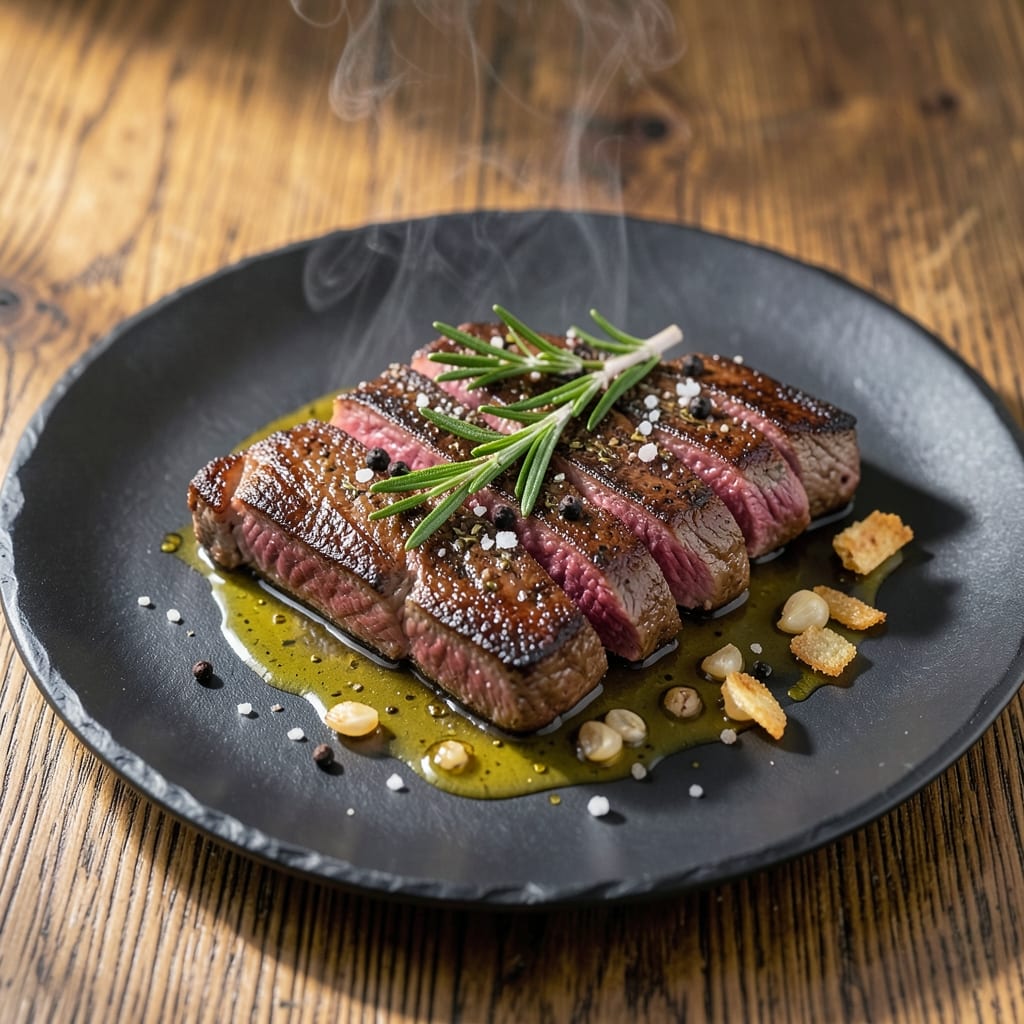
This Angus beef strip steak recipe delivers the buttery crust and pink-centered perfection every steak lover craves. The secret lies in high-heat searing and precise temperature control—no guesswork, just restaurant-quality results at home. I’ve perfected this method over years of testing, ensuring every bite is tender yet firm, with a caramelized crust that locks in juices.
Start with a dry-brined steak for enhanced flavor, then sear in a screaming-hot cast iron skillet or on the grill. The reverse sear technique guarantees a perfect medium-rare core (130–135°F), while resting for 5–10 minutes ensures juices redistribute. Optional finishing touches—like garlic butter basting or a red wine reduction—elevate it further without complicating the process.
What you’ll achieve is a steak with a crispy, golden crust and a melt-in-your-mouth center, paired effortlessly with roasted potatoes or a fresh salad. The method is foolproof, but the results taste like a high-end steakhouse—just without the wait or the price tag.
Whether you’re grilling for a special occasion or treating yourself to a weeknight indulgence, this recipe delivers consistently perfect steak every time. Let’s get started on the steps that’ll change how you cook steak forever.
Ingredients for angus beef strip steak
High-quality ingredients and precise techniques unlock restaurant-level steak at home.
| Ingredient | Amount | Notes |
|---|---|---|
| Angus Beef Strip Steak 🥩 | 1 ½ lb | Center-cut, 1-1.5 inches thick |
| Kosher Salt 🧂 | 1 ½ tbsp | Diamond Crystal preferred |
| Freshly Ground Black Pepper 🌶️ | 1 ½ tbsp | Cracked peppercorns preferred |
| Unsalted Butter 🧈 | ½ cup | European-style preferred |
| Garlic Cloves 🧄 | 6 cloves | Smashed, skin-on |
| Fresh Rosemary 🌿 | 2 sprigs | Thin stems removed |
| Extra-Virgin Olive Oil 🫒 | 2 tbsp | High smoke point preferred |
| Red Wine 🍷 | ¼ cup | Bold dry variety |
| Beef Tallow or Vegetable Oil 🫒 | 2 tbsp | For high-heat searing |
| Meat Thermometer 🌡️ | 1 whole | Instant-read preferred |
| Cast Iron Skillet 🍳 | 1 whole | 10-12 inch diameter |
The Angus beef strip steak is non-negotiable here—center-cut, 1-1.5 inches thick delivers the perfect balance of tenderness and crust. Source from a trusted butcher or specialty market like Whole Foods or D'Artagnan for optimal marbling and quality. Look for USDA Prime or Choice grade with visible fat cap. If buying frozen, allow 24 hours in the fridge to thaw evenly. The Kosher salt (Diamond Crystal) is essential for proper dry-brine penetration—Morton's has a different grain and won't work as effectively. Freshly cracked black peppercorns add depth that pre-ground can't match.
No European-style butter? Plugrá or Kerrygold are excellent substitutes, but avoid salted varieties. The garlic and rosemary can be swapped for thyme or shallots if unavailable, though the flavor profile shifts. For the red wine reduction, a Cabernet Sauvignon or Merlot works best—Pinot Noir is too light. Need a non-alcoholic option? Beef stock reduced with balsamic vinegar mimics the depth. The butter basting is critical for the signature crust—microwave the butter 40 seconds to just melt it before basting for maximum flavor transfer. For the high-heat oil, avocado oil has a higher smoke point than olive oil if you're concerned about flare-ups.
Steaks should sit at room temperature for 30-45 minutes before cooking—never skip this step. The cast iron skillet must be ripped hot—test with water droplets that sizzle instantly. After searing, the steaks rest on a wire rack (not cutting board) to prevent steaming. Medium-rare (130-135°F internal temp) is ideal for this cut. For make-ahead prep, portion the garlic butter into small containers and freeze—thaw overnight in the fridge. The dry-brine (salt 12-24 hours ahead) enhances flavor without over-salting. Leftovers? Sliced thin and chilled, they make incredible sandwiches the next day.
Why You'll Love This Recipe
- Two-Ingredient Magic: I swear by this trick—just salt, pepper, and a hot pan. That’s it. The steak’s natural richness does all the heavy lifting while you focus on getting the crust just right.
- Butter-Basted Bliss: Nothing beats that moment when garlic-infused butter pools on the steak, turning every bite into pure satisfaction. Honestly, I’ve tried fancier sauces, but this? It’s foolproof.
- Weeknight or Weekend Star: Throw it on the grill for summer BBQs or sear it in the pan when you’re craving something special. Same recipe, different vibes—no stress, just great food.
- Leftovers That Don’t Suck: Cold slices the next day? Still delicious. Slice thin, toss in a salad, or wrap in tortillas—this steak doesn’t quit, and neither do I when it comes to using it up.
Step-by-step instructions for buttery crust and pink-centered steak
Master this technique and you'll achieve a restaurant-quality steak every time.
Prep the Steak for Maximum Flavor and Texture
Remove the steak from the refrigerator and let it sit at room temperature for 30-45 minutes before cooking. This ensures even cooking throughout. While it comes to temperature, generously season both sides with all 1.5 tablespoons kosher salt and 1.5 tablespoons freshly ground black pepper, pressing the seasoning into the meat so it adheres well. I like to use a meat mallet to gently pound the steak to an even ¾-inch thickness—this helps create a more uniform crust and prevents uneven cooking.
The reason for this thorough seasoning is that kosher salt has larger crystals that penetrate the meat more effectively than table salt. The peppercorns should be freshly cracked for maximum flavor impact. Let the seasoned steak rest for another 10 minutes before cooking to allow the salt to begin breaking down the muscle fibers, which will enhance tenderness.
Create the Perfect Searing Environment
Place the 10-12 inch cast iron skillet over medium-high heat for 5 minutes until it's thoroughly preheated. Add 2 tablespoons beef tallow or vegetable oil (I prefer beef tallow for its higher smoke point) and allow it to get very hot—you should see slight smoke beginning to rise. The key here is to create a hot, stable cooking environment that will give you that coveted crust.
While the skillet heats, prepare your garlic-rosemary butter by combining all 0.5 cup unsalted butter, 6 smashed garlic cloves, and 2 sprigs fresh rosemary (with stems removed) in a small bowl. This aromatic butter will be our finishing touch, adding layers of flavor to the steak. Keep this mixture at room temperature until ready to use.
Sear for Crust Development
Carefully place the steak in the hot skillet, away from you to avoid any potential oil splatter. Let it sear undisturbed for 2-3 minutes until you develop a deep golden brown crust on one side. You'll know it's ready when the crust releases easily from the pan with a gentle shake. This crust is what gives the steak its characteristic texture and flavor.
Flip the steak and sear the second side for another 2-3 minutes, then immediately add the garlic-rosemary butter to the pan. Tilt the pan slightly and spoon the melted butter over the steak, basting it for 30 seconds to coat all surfaces. This basting step is crucial—it adds flavor and helps create that beautiful sheen on the exterior.
Finish with Wine and Rest
Remove the steak from the pan and pour in the 0.25 cup red wine, scraping up any browned bits that have formed on the bottom of the skillet. These bits, known as fond, are packed with flavor that will enhance your sauce. Let the wine reduce by half, which should take about 1-2 minutes, then return the steak to the pan to coat it in this wine reduction.
Transfer the steak to a cutting board and let it rest for 5-10 minutes before serving. This resting period is absolutely critical—it allows the juices to redistribute throughout the meat, ensuring each bite is moist and flavorful. During this time, the internal temperature will rise about 5°F, so don't be tempted to cut into it early.
Check Doneness and Serve
Use your instant-read meat thermometer to check the internal temperature. For medium-rare (the ideal doneness for this cut), you're looking for 130-135°F at the thickest part of the steak. If you prefer more or less doneness, adjust accordingly—remember that the temperature will rise about 5°F during resting.
Slice the steak against the grain into ½-inch thick pieces and serve immediately. The crust should be deep golden brown with a slight char in spots, and the interior should be beautifully pink with just a hint of red in the center. Each bite should deliver that perfect balance of buttery crust, tender meat, and aromatic garlic-rosemary flavor.
Pro Tips For Making Angus Beef Strip Steak
- CRANK THE HEAT: Strip steak needs a screaming-hot pan—think 500°F or the highest your stove will safely go. I used to dial it down to "medium-high" and ended up with steak that was gray around the edges. High heat sears fast and locks in juices while building that crust you crave.
- SALT THE GARLIC: Toss those minced garlic cloves in a pinch of kosher salt before adding them to the butter—it prevents burning and makes the garlic flavor pop. I learned this the hard way after my first batch turned bitter. (Yes, even if you’re impatient like me.)
- DON’T TOUCH THE STEAK: The first 2 minutes on the pan are non-negotiable—leave it alone. Poking or flipping too soon will send juices everywhere and ruin your crust. After that, flip once and resist the urge to check every 30 seconds.
- USE COLD BUTTER: Plop those butter and garlic cloves into the pan after the steak is seared, not before. Cold butter baste creates a silky sauce that clings to the meat instead of melting into a sad puddle. (Your future self will thank you.)
Dietary considerations for this dish
Gluten-Free Adaptations
Angus beef strip steak is naturally gluten-free, but you must ensure all accompanying ingredients and seasonings meet this requirement. The kosher salt and freshly cracked black pepper in the recipe are safe, but always check labels on pre-made items like garlic butter or rosemary sprigs if purchased pre-packaged. For the red wine reduction, use a dry red wine free from additives—most quality wines are gluten-free, but verify with the manufacturer if sensitive. The beef tallow or vegetable oil used for searing is inherently gluten-free, so no substitutions are needed here. 🌾
Low-Carb Considerations
This steak recipe is already low-carb, but side dishes can easily derail your macros. Skip traditional potato-based sides and opt for cauliflower mash (made with 2 cups cauliflower florets, 2 tbsp butter, and ¼ cup cream) or a zucchini noodle salad with 1 tbsp olive oil and lemon juice. The garlic-rosemary butter and red wine reduction are also naturally low-carb, so you can enjoy them guilt-free. The steak itself provides high protein (about 40g per 6-ounce serving) with minimal carbs, making it ideal for keto or low-carb diets.
Dairy-Free Options
If you need to avoid dairy, replace the unsalted butter in the garlic-rosemary mixture with olive oil or vegetable oil—use ½ cup total to mimic the richness. For the searing step, the beef tallow or vegetable oil remains unchanged. The red wine reduction stays dairy-free as well. While the flavor will shift slightly, the steak’s natural richness still shines. For extra flavor, add 1 tbsp nutritional yeast to the oil mixture before basting—it adds a savory, umami depth that complements the beef beautifully. 🧈
Allergen-Friendly Adjustments
For nut allergies, ensure your rosemary and garlic are packaged separately and not processed in facilities with nuts. If using beef tallow, confirm it’s processed in a nut-free facility. For soy allergies, avoid any pre-made sauces or marinades—stick to fresh ingredients only. The recipe’s simplicity makes it easy to accommodate allergens, but always double-check labels on store-bought items like olive oil or red wine to avoid cross-contamination risks. When in doubt, opt for organic or specialty brands that clearly label allergen information.
Protein-Packed Modifications
To boost protein further, consider dry-brining the steak for 24 hours instead of the standard 12 hours—this enhances tenderness and flavor while keeping it naturally lean. For a higher-protein side, serve with grilled asparagus (tossed in 1 tbsp olive oil and lemon zest) or a spinach and feta salad (if dairy isn’t an issue). The steak itself provides excellent protein quality, with all essential amino acids, making it a perfect fit for high-protein diets. Pair it with avocado slices for healthy fats and fiber without adding carbs. 💪
Nutrition facts
Frequently asked questions
Why do you recommend dry-brining the steak overnight?
Dry-brining for 12-24 hours enhances flavor and tenderness by allowing the salt to penetrate deeply into the meat. This method creates a more uniform seasoning and prevents over-salting the surface. The longer brine time also helps break down muscle fibers slightly, resulting in a more tender texture. For best results, use Diamond Crystal kosher salt—it has larger crystals that work more effectively than table salt.
Can I cook this steak on the grill instead of in a cast iron skillet?
Preheat your grill to medium-high heat (450-500°F) and follow the same searing technique. Use direct heat for the crust, then move to indirect heat to finish cooking. The key is maintaining high heat—2-3 minutes per side for a perfect crust. For extra flavor, add wood chips (like hickory or applewood) to the grill about 10 minutes before cooking.
What if my steak comes out unevenly cooked?
Uneven cooking usually happens when the steak isn't the same thickness or the heat isn't consistent. For future attempts, use a meat mallet to pound the steak to an even ¾-inch thickness. If using a skillet, ensure it's preheated thoroughly—test with water droplets that sizzle instantly. For grilling, use a grill thermometer to monitor heat zones. If one side cooks faster, rotate the steak to balance exposure to heat.
How do I know when the steak is done without a meat thermometer?
For medium-rare, press the center of the steak with your finger—it should feel slightly soft but spring back. For a more visual cue, cut a small slice: the center should look bright pink with a red center. Remember, the steak will continue cooking slightly after removal from heat, so pull it out when it's 5°F below your target temperature. Practice makes perfect—your touch will become more reliable with experience!
Can I make this recipe ahead of time?
Prep the garlic-rosemary butter and dry-brine the steak up to 24 hours ahead—both keep well in the fridge. However, cook the steak fresh for the best texture and flavor. If you must reheat leftovers, slice the steak thin and warm in a skillet over medium-low heat for 2-3 minutes per side. For sandwiches, reheating works well, but the crust won't be as crispy as when freshly cooked.