
Main Courses
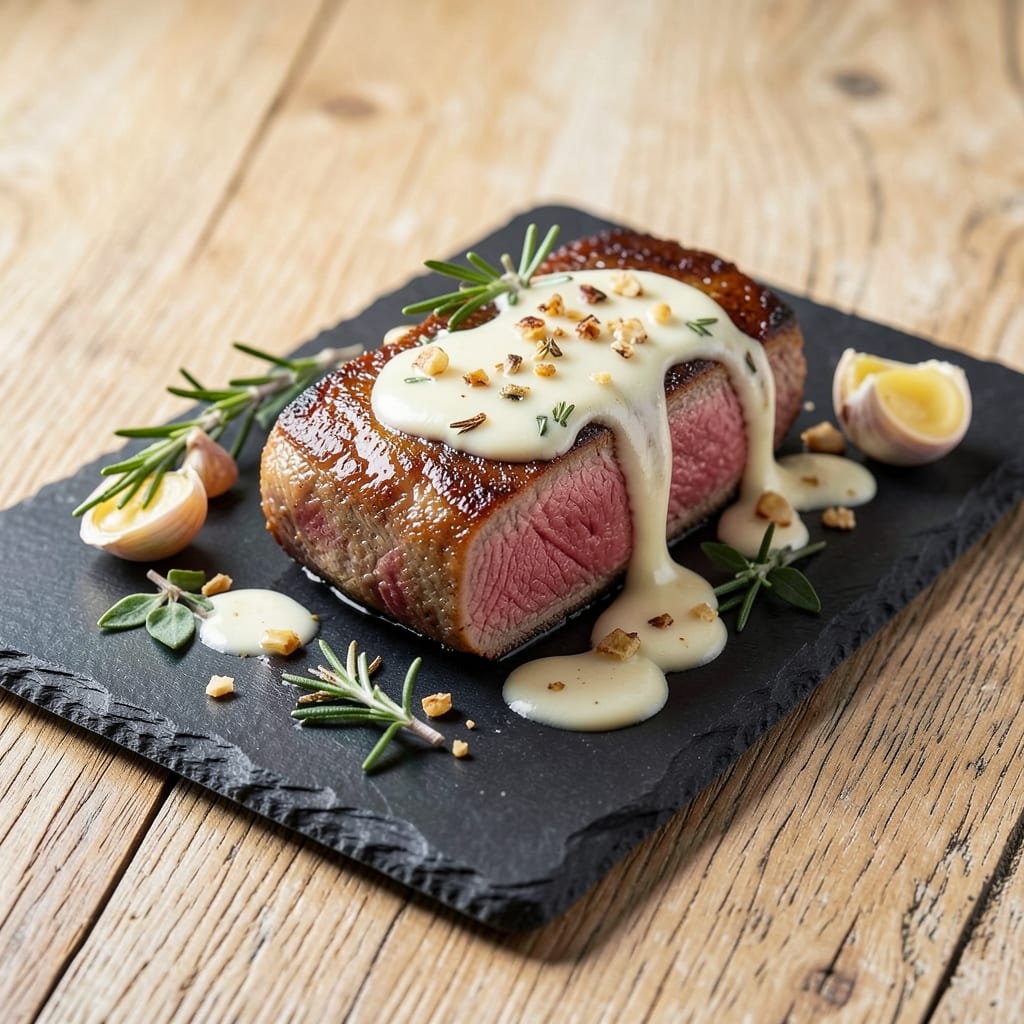
Angus beef tenderloin delivers melt-in-your-mouth tenderness that transforms any dinner into a special occasion—no fancy technique required. The secret lies in dry-brining overnight and reverse searing to lock in juices while creating a perfect rare core. This recipe transforms a simple roast into a restaurant-worthy centerpiece with minimal effort, proving premium beef deserves the spotlight.
What sets this apart is the herb crust—fresh rosemary, thyme, and garlic blend with butter to create a fragrant, golden-brown exterior that contrasts beautifully with the buttery interior. The key is patience: letting the meat rest after cooking ensures every slice stays juicy and tender, not tough. No thermometer? Use the finger test—rare is cool to the touch, medium-rare slightly warm.
By the time you plate it, you'll have perfectly seared beef with a rare center, aromatic herb crust, and juices that pool beautifully on the plate. The texture is what dreams are made of—tender yet firm, with a rich beefy flavor that's impossible to resist. Serve with roasted potatoes and a simple green salad for a complete meal that feels indulgent without being complicated.
This method works for any size tenderloin, from a modest 2-pound roast to a showstopping 4-pound centerpiece. The techniques are simple but critical—dry-brine, reverse sear, and rest properly—and once mastered, they'll elevate your cooking game forever. Let's get started on creating your most impressive beef dinner yet.
Ingredients for angus beef tenderloin
Premium beef plus a few fresh herbs create a restaurant-quality centerpiece with melt-in-your-mouth tenderness.
| Ingredient | Amount | Notes |
|---|---|---|
| Angus Beef Tenderloin 🥩 | 2 lb | Center-cut, trimmed of silver skin |
| Kosher Salt 🧂 | 1 ½ tbsp | Diamond Crystal preferred |
| Fresh Rosemary 🌿 | ¼ cup | Finely chopped, stems removed |
| Fresh Thyme 🌿 | ¼ cup | Leaves only, stems discarded |
| Garlic Cloves 🧄 | 6 cloves | Minced, not pre-minced jarred |
| Unsalted Butter 🧈 | ½ cup | Cold, cut into small cubes |
| Extra-Virgin Olive Oil 🫒 | 2 tbsp | High quality, fruity variety |
| Black Peppercorns 🌶️ | 1 tbsp | Freshly cracked, not pre-ground |
| Yellow Onion 🧅 | 1 whole | Thinly sliced for garnish |
| Fresh Parsley 🌿 | ⅛ cup | Chopped, for garnish only |
| Beef Tallow or Duck Fat 🧈 | 1 tbsp | For searing, optional but recommended |
| Butter for Basting 🧈 | ¼ cup | Melted, for basting during sear |
| Red Wine 🍷 | ¼ cup | Bold, dry variety for deglazing |
Start with the beef—Angus tenderloin is non-negotiable here. The center-cut is the most tender part, and trimming that silver skin makes all the difference. Costco and Whole Foods often carry it pre-trimmed, but if you're buying whole, ask your butcher to remove it. Look for good marbling—those little white streaks of fat are what make the meat juicy. For a 2-pound roast, that's perfect for four servings with leftovers. If you're feeding a crowd, scale up proportionally—this recipe works beautifully for any size tenderloin. The kosher salt matters too: Diamond Crystal dissolves more easily than table salt, so you get better flavor distribution during the dry brine.
No fresh rosemary? Dried works at one-third the amount, but honestly, it's not the same—fresh has that piney aroma that's essential here. The same goes for thyme: if you're using dried, measure carefully. For the garlic, freshly minced is a must—jarred minced garlic has a metallic taste that ruins everything. Short on time? Smash whole cloves with the side of your knife instead of mincing. The butter should be cold when you mix it with the herbs—this helps create that perfect crust. And if you don't have beef tallow, duck fat or even extra olive oil will work for searing, though tallow gives the best flavor. The red wine is just for deglazing if you want extra flavor in your pan juices—skip it if you're not a drinker.
This is where patience pays off. The dry brine should sit uncovered in the fridge for 12-24 hours—don't skip this step, even if you're in a hurry. The herb crust can be prepped a day ahead and stored in the fridge, wrapped tightly in plastic. The tenderloin itself reheats beautifully—350°F for 10-15 minutes wrapped in foil brings it back to perfect medium-rare. For leftovers, slice against the grain and serve on a bed of those roasted potatoes you were planning to make anyway. The juices pool dramatically when sliced properly—cut at a 45-degree angle for maximum presentation. Store any unused herb crust in the freezer for up to 3 months—it's perfect for quick searing later.
Why You'll Love This Recipe
- Foolproof Seasoning: I swear by this combo—just salt, rosemary, thyme, and garlic. No fancy rubs, no second-guessing. The tenderloin practically seasons itself as it roasts, and that crust? Chef’s kiss. (Yes, even if I burn the garlic a little.)
- One-Pan Magic: Honestly, this recipe is my lazy-day hero. Tenderloin rests right on the pan while the juices baste it—no flipping, no fuss. Twenty minutes later, you’ve got a restaurant-worthy centerpiece with zero cleanup. My kids still think I’m a genius.
- Leftovers That Shine: Between us, the first night is always the star, but the seconds? Even better. Slice it thin for sandwiches, dice it into salads, or toss it with pasta—it stays tender and rich. I’ve fed a crowd with half a roast for days without a single complaint.
- Weeknight Stealth: Not the prettiest, but the taste makes up for it. I’ll pull this out when I’m exhausted and still impress guests. The garlic-herb crust gives it depth without effort, and the tenderloin forgives my occasional overcooking. (We all have those nights.)
Step-by-step instructions for herb-crusted angus beef tenderloin
This method delivers melt-in-your-mouth tenderness with a fragrant herb crust every time.
Prepare the Herb Butter Crust
In a food processor, combine the 0.5 cup unsalted butter with the 0.25 cup fresh rosemary, 0.25 cup fresh thyme, 6 cloves garlic cloves, and 1 tbsp freshly cracked black peppercorns. Pulse until the mixture resembles coarse sand, with visible herb flecks remaining. This ensures maximum flavor distribution while maintaining texture.
Spread this herb butter mixture evenly over the entire surface of the 2 lb angus beef tenderloin, pressing it firmly into the meat. The butter should adhere completely—no dry spots. Place the coated tenderloin on a plate, cover with plastic wrap, and refrigerate for at least 2 hours (or overnight). This chilling step allows the flavors to penetrate deeply and the crust to set properly before cooking.
Sear the Tenderloin to Perfection
Preheat your oven to 450°F. Heat a heavy oven-safe skillet over medium-high heat and add the 1 tbsp beef tallow or duck fat (and 2 tbsp extra-virgin olive oil if not using tallow). Once the fat is shimmering but not smoking, carefully place the tenderloin in the skillet. Sear for 4-5 minutes per side until a deep golden-brown crust forms and the internal temperature reaches 125°F on a meat thermometer.
This high-heat sear creates that coveted crust while locking in juices. Don't rush this step—you'll know it's ready when the crust releases easily from the pan and the meat springs back slightly when pressed. Remove the skillet from heat and let the tenderloin rest for 1 minute before transferring it to the preheated oven.
Finish in the Oven for Rare Core
Transfer the skillet with the seared tenderloin to the oven and roast for 12-15 minutes until the internal temperature reaches 130°F for medium-rare (or 135°F for medium). The herb butter will melt and baste the meat continuously, creating that signature buttery finish. For extra richness, baste with the 0.25 cup melted butter for basting halfway through cooking.
Real talk: Your oven might run hot, so start checking the temperature at the 10-minute mark. The moment it hits your target temperature, remove it immediately. Overcooking by even 5°F can turn tenderloin tough. Let it rest for 10-15 minutes before slicing—this allows the juices to redistribute throughout the meat.
Deglaze and Garnish
While the tenderloin rests, place the skillet with any rendered juices over medium heat. Add the 0.25 cup red wine and scrape up all the browned bits from the bottom with a wooden spoon. Let it reduce by half, then strain through a fine-mesh sieve into a small sauceboat. This pan sauce captures all the searing flavors and adds elegant finishing touches.
Slice the tenderloin against the grain into ½-inch thick pieces. Garnish each serving with the thinly sliced yellow onion and 0.125 cup fresh parsley. The herb butter crust should be golden and fragrant, with a buttery sheen that melts at first bite. Serve immediately with the reduced wine sauce spooned over the top for maximum impact.
Pro Tips For Making Angus Beef Tenderloin
- Sear Before Seasoning: Hit the tenderloin with a quick, hard sear in a screaming-hot pan before you even think about adding salt or herbs. The crust forms faster this way, and it locks in juices better than if you salt first. (Yes, it sounds counterintuitive—trust me on this one.) ---
- Trim the Fat Patch: That little white fat cap on the tenderloin? Don’t just leave it there. Trim it down to about ¼-inch thick before seasoning—it renders faster and won’t turn your pan into a grease fire while you’re trying to sear. I learned this the hard way after flipping a pan full of smoke mid-cook. ---
- Don’t Overcrowd the Pan: If you’re cooking multiple tenderloins, resist the urge to pile them all in at once. Crowding drops the pan temperature and steams the meat instead of searing it. Work in batches—even if it means an extra minute of waiting. Your crust will thank you. ---
- Use Whole Garlic Cloves: Skip the minced garlic for this dish. Smash 2-3 whole cloves with the flat side of your knife, then tuck them under the herb sprigs before tying them on. They’ll infuse flavor without burning, and you won’t end up with a bitter, charred taste. (I used to burn garlic every time—I was impatient.)
Wine and beer pairings for this recipe
Red Wine Pairings
A bold Cabernet Sauvignon from Napa Valley is my go-to pairing—its dark fruit notes and firm tannins stand up to the rich, buttery herb crust while complementing the tender beef. Look for a 2018 or newer vintage with at least 14% ABV to match the dish's intensity. If you prefer something lighter, a Syrah from the Rhône Valley brings peppery spice that cuts through the richness beautifully. 🍷
For a budget-friendly option, try an Italian Chianti Classico—its bright acidity and cherry flavors cleanse your palate between bites. Avoid over-oaked wines; they'll overpower the delicate herb butter. I always serve wine slightly chilled (about 60°F) to enhance its structure and let the beef's natural flavors shine.
Beer Pairings
A Belgian Dubbel like Westmalle Trappist offers malty sweetness and caramel notes that harmonize with the herb crust. The alcohol content (around 7% ABV) won't overpower the beef, while the spiced undertones add complexity. For a lighter option, a German Helles Lager provides crisp refreshment without competing flavors. 🍺
If you're a hop lover, try a session IPA with citrusy hops—New Belgium Fat Tire works well. The bitterness balances the beef's richness, while the hoppy aroma complements the rosemary and thyme. Avoid heavy stouts or barleywines; their intensity can clash with the tenderloin's delicate texture.
Non-Alcoholic Options
For a sparkling alternative, San Pellegrino Aranciata (blood orange soda) adds a citrusy brightness that mirrors the herb crust's freshness. The effervescence also helps cut through the richness. I like to serve it slightly chilled (38-40°F) in a coupe glass for an elegant touch. 🥤
Herbal teas like hibiscus iced tea (brewed strong and chilled) provide a tart, floral contrast that enhances the beef's natural flavors. For a savory option, try sparkling water with a splash of apple cider vinegar—it's surprisingly effective at cleansing the palate between bites.
Seasonal Adjustments
In summer, I swap red wine for a Rosé from Provence—its crisp acidity and berry notes pair perfectly with the herb crust. For winter, a Malbec from Argentina adds smoky depth that complements the beef's richness. The key is matching the wine's intensity to the season's flavors. ❄️
No matter the season, always let your wine or beer breathe for 10-15 minutes before serving. This enhances the aromas and ensures a smoother experience with the tenderloin. Trust me, this small step makes a world of difference! 💫
Nutrition facts
Frequently asked questions about angus beef tenderloin
How do I know when my Angus tenderloin is cooked to medium-rare?
Use a meat thermometer for precision—130°F is perfect for medium-rare. Without one, press the meat gently: it should feel cool to the touch (rare), slightly warm (medium-rare), or warm (medium). The reverse sear method ensures an even cook throughout.
Can I substitute beef tallow with something else for searing?
Use duck fat, ghee, or even high-smoke-point oil like avocado oil. Beef tallow gives the best flavor, but duck fat works beautifully too. Just avoid olive oil—it burns at high heat and ruins the crust.
What's the best way to reheat leftover tenderloin?
Wrap slices in foil and reheat in a 350°F oven for 10-15 minutes—this keeps them juicy. Never microwave! For extra richness, brush with melted butter before reheating. Leftovers stay tender for up to 3 days when stored properly.
Why does my herb crust sometimes fall off during cooking?
This usually happens if the butter wasn't cold enough when mixed or if the meat wasn't properly chilled before searing. Press the herb butter firmly into the meat and refrigerate it uncovered for at least 2 hours before cooking. A dry surface helps the crust adhere better.
How much tenderloin should I buy for 6 people?
Aim for 1.5-2 lbs total—this gives each person 4-6 oz of cooked meat (about 2-3 slices). For a crowd, consider buying 3-4 lbs and serving with extra sides. Remember, tenderloin shrinks about 25% during cooking.