
Main Courses
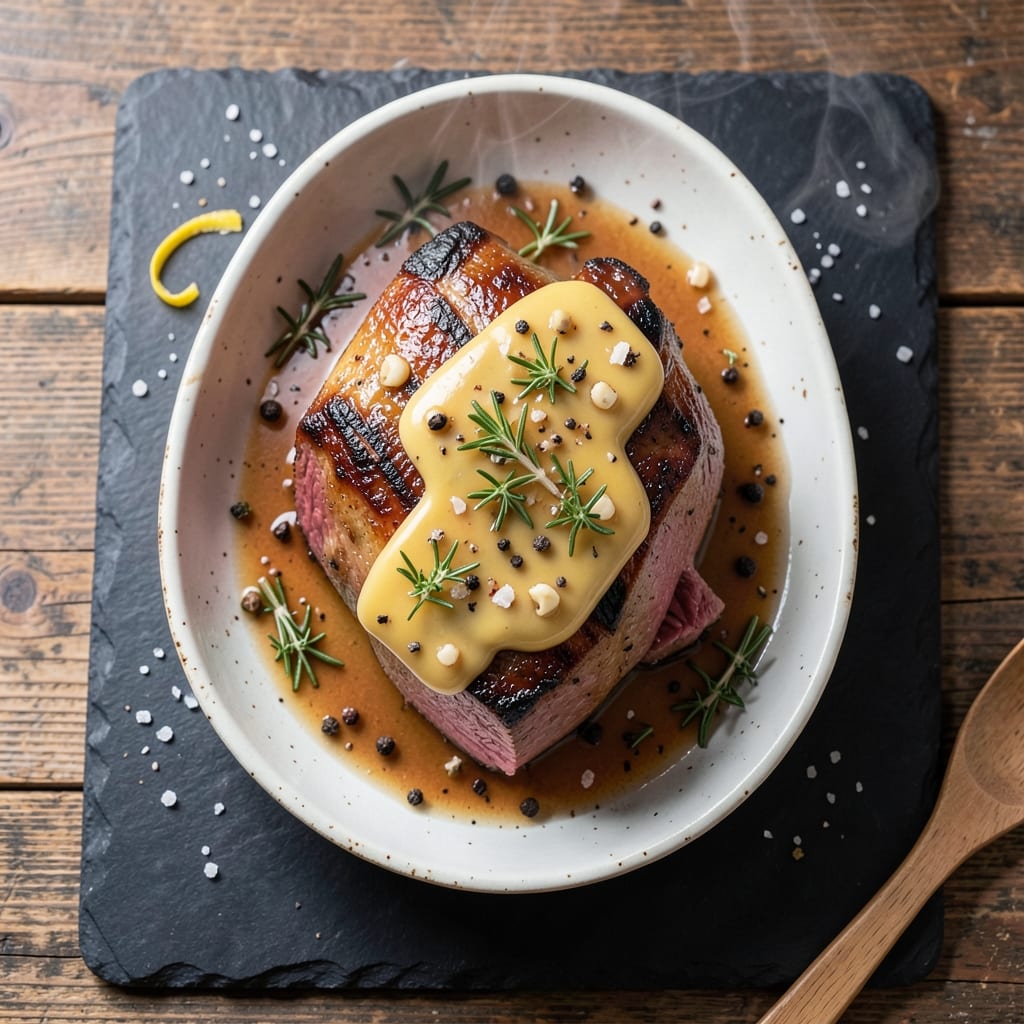
Angus beef tenderloin roast recipe delivers melt-in-your-mouth perfection with a golden butter crust and juicy pink centers—this is the kind of dish that transforms a weeknight into a special occasion. The secret lies in dry-brining the beef overnight, which ensures maximum tenderness and flavor penetration without altering the natural taste. For a restaurant-worthy finish, we'll create a rich herb butter crust that caramelizes beautifully while keeping the interior perfectly medium-rare.
What sets this recipe apart is the balance between traditional techniques and modern twists—like using a wine reduction for basting that adds depth without overpowering the beef's natural richness. The roasting process is carefully timed to achieve that ideal internal temperature of 125°F for medium-rare, followed by a crucial 15-minute rest period that allows the juices to redistribute. This ensures every slice is tender, flavorful, and impossible to resist.
The result is a showstopping centerpiece with a crispy, buttery exterior that gives way to succulent pink meat inside. The aroma alone will have everyone gathering at the table, and the texture contrast between the crust and tender interior creates an experience that feels both luxurious and approachable. This recipe proves you don't need a fancy restaurant to serve up a dish that feels like a celebration.
Pair with roasted garlic mashed potatoes and a simple green salad for a complete meal that's elegant yet effortless. The key to success lies in patience—taking the time to properly prepare and rest the beef makes all the difference. Let's create a tenderloin roast that will impress even the most discerning guests.
Ingredients for angus beef tenderloin roast
Elevate your roast night with premium cuts and artisanal seasonings for restaurant-quality results.
| Ingredient | Amount | Notes |
|---|---|---|
| Angus Beef Tenderloin 🥩 | 3 lb | Center-cut, trimmed of silver skin |
| Unsalted Butter 🧈 | ½ cup | Cold, cut into 1-inch cubes |
| Fresh Rosemary 🌿 | ¼ cup | Finely chopped, stems removed |
| Fresh Thyme 🌿 | ⅛ cup | Leaves only, finely chopped |
| Garlic Cloves 🧄 | 6 cloves | Minced, for herb butter |
| Diamond Crystal Kosher Salt 🧂 | 2 tbsp | For dry-brine mixture |
| Black Peppercorns 🌶️ | 1 tbsp | Freshly cracked, coarse |
| Dry Red Wine 🍷 | ½ cup | Bold Cabernet Sauvignon preferred |
| Beef Bone Broth 💧 | ¼ cup | For wine reduction |
| Extra-Virgin Olive Oil 🫒 | 2 tbsp | For basting |
| Granulated Sugar 🍚 | 1 tbsp | For caramelization |
| Fresh Parsley 🌿 | ⅛ cup | Chopped, for garnish |
The Angus beef tenderloin is non-negotiable for this recipe—look for center-cut, USDA Prime at specialty butchers like Snake River Farms or high-end grocers such as Whole Foods. The 3-pound size ensures perfect portions for four with generous leftovers. Trim any silver skin meticulously, as it can interfere with even cooking. For herb butter, fresh rosemary and thyme from the grocery store's refrigerated section work best, but if using dried, reduce to one-third the amount—they lack the same aromatic punch. Costco often carries pre-trimmed tenderloins at competitive prices, though their quality may vary slightly compared to butcher shops.
No Cabernet Sauvignon on hand? A Merlot or Malbec will work equally well for the wine reduction—just ensure it's dry, not sweet. The bone broth acts as a flavor enhancer; low-sodium versions prevent over-salting the reduction. For the herb butter, European-style unsalted butter (like Plugrá) has higher fat content, yielding a richer crust. If substituting olive oil for butter in the crust, reduce by 20% to avoid excess moisture. Pre-minced garlic from jars lacks freshness—quickly mince your own using a microplane for maximum flavor. The granulated sugar aids caramelization; brown sugar can replace it at a 1:1 ratio, though it may darken the crust more aggressively.
The dry-brine mixture should be applied 24 hours before roasting—store the tenderloin uncovered in the fridge to allow even salt penetration. Herb butter can be prepped a day ahead and shaped into a log, wrapped in parchment, and chilled. The wine reduction keeps for 5 days refrigerated or 3 months frozen in an airtight container. Leftovers reheat best in a low oven (275°F) with a splash of broth to maintain moisture. For presentation, arrange parsley garnish in a decorative pattern—edible flowers add an elegant touch if available.
Why You'll Love This Recipe
- No-Fuss Prep: I’ll admit, I used to dread roasts—too many steps, too much stress. But this? Just sear the tenderloin, stuff it with garlic and butter, then let the oven do the work. Ten minutes of active time, and the rest is pure patience.
- Herb-Butter Magic: That crispy rosemary-thyme crust? It’s the kind of flavor that makes you close your eyes. The garlic butter melts into the beef, turning every bite into something restaurant-worthy—without the fuss of a fancy sauce.
- Leftovers That Shine: Between us, I always make too much. But these leftovers? Perfect for sandwiches, grain bowls, or even breakfast hash the next day. The beef stays tender, and the flavor only gets better as it rests.
- Weeknight Crowd-Pleaser: Honestly, this is my go-to for dinner parties or lazy Sundays. It feeds six easily, looks impressive, and no one questions why it’s on the table. (Yes, even on a Tuesday night.)
Step-by-step instructions for perfectly cooked angus beef tenderloin
Mastering this technique delivers melt-in-your-mouth tenderness with a buttery crust every time.
Prepare the Herb Butter and Dry Brine
In a small bowl, combine the 0.5 cup unsalted butter with the 0.25 cup finely chopped fresh rosemary, 0.125 cup fresh thyme leaves, 6 cloves minced garlic, 1 tablespoon granulated sugar, and 1 tablespoon freshly cracked black peppercorns. Roll this mixture into a log shape and refrigerate for 30 minutes to firm up. This herb butter will create a luscious crust while infusing flavor.
Meanwhile, create a dry brine by mixing the 2 tablespoons Diamond Crystal kosher salt with 1 tablespoon black peppercorns. Pat this mixture all over the 3 lb angus beef tenderloin, working it into the surface and any crevices. Place the tenderloin on a wire rack set over a baking sheet and refrigerate uncovered for 12-24 hours. This dry-brine process ensures maximum moisture retention and deep flavor penetration.
Preheat and Sear the Tenderloin
Remove the tenderloin from the refrigerator 1 hour before cooking to bring it to room temperature. Preheat your oven to 450°F. Heat 2 tablespoons extra-virgin olive oil in a heavy oven-safe skillet over medium-high heat until shimmering. Place the tenderloin in the skillet and sear for 4 minutes per side until deeply browned and developing a golden crust.
This initial searing creates a flavorful crust while locking in juices. The high heat also helps establish the Maillard reaction that builds complex flavors. If you notice any areas not browning evenly, rotate the tenderloin to ensure consistent color development.
Roast to Perfect Medium-Rare
Transfer the seared tenderloin to a preheated 450°F oven and roast for 15-20 minutes. Then reduce the oven temperature to 325°F and continue roasting for an additional 15-20 minutes, or until the internal temperature reaches 125°F for medium-rare (use a meat thermometer for accuracy). The total cooking time should be approximately 30-40 minutes total.
This two-stage roasting method ensures even cooking while maintaining perfect doneness. The initial high heat creates a beautiful crust, while the lower temperature allows for gentle internal cooking. The tenderloin should feel slightly springy to the touch when pressed gently with your fingers.
Rest and Create the Wine Reduction
Remove the tenderloin from the oven and transfer it to a cutting board. Tent loosely with aluminum foil and let it rest for 15-20 minutes at room temperature. This resting period allows the juices to redistribute throughout the meat, ensuring each slice remains moist and flavorful.
While the tenderloin rests, place the oven-safe skillet with the rendered butter and herbs over medium heat. Add the 0.5 cup dry red wine and scrape up any browned bits from the bottom of the pan. Simmer for 3-4 minutes until reduced by half. Then add the 0.25 cup beef bone broth and continue simmering until the sauce thickens to a glossy consistency.
Slice and Serve with Herb Butter Sauce
After resting, slice the tenderloin against the grain into 1-inch thick slices. Arrange the slices on a warm serving platter and drizzle generously with the wine reduction. Top each slice with a small pat of the herb butter log, allowing it to melt slightly over the hot meat.
Garnish with the remaining 0.125 cup chopped fresh parsley for a pop of color and freshness. Serve immediately with roasted root vegetables or a simple arugula salad to complement the rich beef flavors. Each bite should deliver perfect tenderness with a buttery, herbed crust and a hint of wine reduction.
Pro Tips For Making Angus Beef Tenderloin Roast
- USE A MEAT THERMOMETER: The tenderloin’s small size tricks you—it hits perfect doneness (130°F for medium-rare) faster than you’d expect. I learned this the hard way by eyeballing it and ending up with overcooked edges. Trust the probe, not the clock.
- SALT THE MEAT 24 HOURS EARLY: Angus tenderloin is lean and absorbs flavor like a sponge. Sprinkle kosher salt all over (about 1 tsp per pound) and let it sit uncovered in the fridge. The crust forms better, and the meat stays juicier—no last-minute guessing.
- SKIP THE CROWDED PAN: When searing the butter-herb crust, resist the urge to pile everything on top. Spread the garlic cloves and herbs in a single layer around the meat—this guarantees they crisp instead of steaming. Overlapping them just makes a sad, soggy mess.
- REST IT UNDER FOIL: After roasting, tent the tenderloin with foil and let it sit for 10 minutes. The heat redistributes, keeping the center juicy while the outside stays warm. I used to skip this, and the first slice was always dry—now I never do.
Perfect pairings for these flavors
Classic Side Dishes
Roasted garlic mashed potatoes elevate this dish with their creamy texture and rich flavor. Use 4 large Yukon Gold potatoes, boiled until tender, then mashed with ½ cup unsalted butter, ½ cup heavy cream, and 4 cloves roasted garlic. Season with 1 tsp kosher salt and ½ tsp black pepper for a velvety finish. 🥔
For a lighter option, try a sautéed green salad with mixed greens, ½ cup cherry tomatoes, ¼ cup crumbled feta cheese, and a balsamic vinaigrette. The acidity cuts through the richness of the beef beautifully.
Wine Pairings
A bold Cabernet Sauvignon complements the beef's richness perfectly. Look for a Napa Valley or Chilean variety with notes of blackcurrant and vanilla. The tannins in the wine mirror the beef's depth while cleansing your palate between bites. 🍷
For a lighter option, a Pinot Noir from Oregon offers bright acidity and red fruit notes that balance the dish without overpowering it. This wine's elegance pairs beautifully with the tenderloin's buttery crust.
Beer Pairings
A Belgian Dubbel with its caramel and spice notes creates an unexpected but delightful pairing. Brands like Westmalle or Chimay offer complex flavors that stand up to the beef while adding a malty contrast. 🍺
For a more traditional choice, a dark lager like Guinness or Samuel Smith's Nut Brown Ale provides a smooth, slightly sweet profile that complements the herb butter crust without competing with the beef's natural flavors.
Garnish & Presentation
Finish each plate with a sprig of fresh rosemary and a drizzle of the wine reduction for an elegant touch. The rosemary adds a fragrant aroma that enhances the dining experience. For extra flair, add a few edible flowers like nasturtiums for a pop of color. 🌿
Serve the tenderloin on a wooden board** or slate platter to enhance the rustic yet refined presentation. The natural texture contrasts beautifully with the smooth beef, making it perfect for a special occasion.
Nutrition facts
Frequently asked questions
How do I know when my Angus beef tenderloin is fully cooked?
Use a meat thermometer to check the internal temperature—125°F for medium-rare, 135°F for medium, and 145°F for well-done. The tenderloin should feel slightly springy when pressed gently. Remember, it continues cooking slightly after removal from the oven, so pull it out 5°F below your target temperature.
Can I cook the tenderloin without the wine reduction?
The wine reduction enhances flavor but isn't essential. Simply sear the tenderloin in olive oil, roast as directed, and finish with a pat of herb butter. For extra richness, baste with melted butter during roasting. The key is proper seasoning and resting time for juicy results.
Why does my tenderloin turn out dry?
Overcooking is the most common cause. Use a meat thermometer and remove the tenderloin when it reaches 125°F for medium-rare. Skipping the 15-20 minute rest also causes juices to escape. For extra moisture, try a reverse sear**: roast at 275°F until 110°F, then sear.
How far ahead can I prepare the herb butter?
Make the herb butter up to 3 days ahead and store it shaped into a log, wrapped tightly in plastic wrap. Keep it chilled until ready to use. For best flavor, use fresh herbs, but dried will work in a pinch (reduce to 1/3 the amount).
What's the best way to reheat leftovers?
Slice leftovers and reheat in a 275°F oven for 10-15 minutes with a splash of beef broth to maintain moisture. Never microwave—it makes the meat tough. For quick servings, warm slices in a skillet with butter over medium-low heat for 2-3 minutes per side.