Soups & Stews
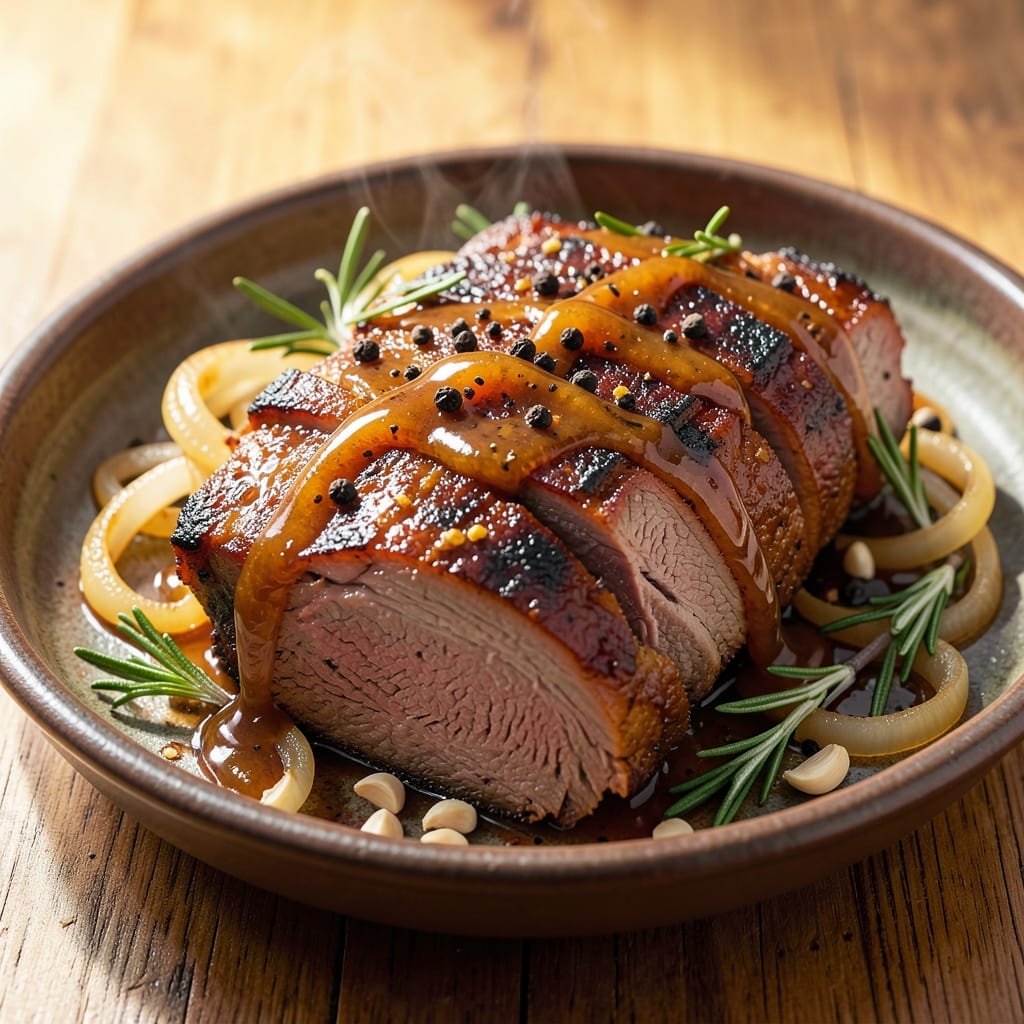
This apricot glazed corned beef recipe transforms a classic St. Patrick’s Day centerpiece into something unexpectedly refined. The sweet-tart glaze—made from reduced apricot preserves, balsamic vinegar, and a touch of Dijon—cuts through the richness of the meat while adding a sophisticated depth that elevates the dish beyond traditional brined corned beef. What makes this version special is the balance: tender, fall-apart corned beef meets a glaze that’s sticky, glossy, and just sweet enough to make every bite memorable.
The process starts with a slow cook—either in a Dutch oven or Instant Pot—where the corned beef simmers in its juices for hours until fork-tender. Meanwhile, the glaze comes together in just 15 minutes of reduction, where the natural sweetness of apricots pairs perfectly with the tang of vinegar and the warmth of spices. The key to success? Not rushing the glaze—letting it thicken and caramelize on the stovetop ensures it clings beautifully to the meat without overwhelming it.
What you’ll end up with is a restaurant-quality dish that’s rich, flavorful, and visually stunning—golden-brown corned beef topped with a glossy, amber glaze that glistens under the light. The apricot notes add a bright contrast to the savory meat, making each bite feel like a celebration. Serve it sliced thick with caramelized onions, mustard sauce, and crusty bread to soak up every last drop of that luscious glaze.
This recipe works equally well for a weeknight dinner or a special occasion—just adjust the cooking time based on your preferred texture. The glaze can also be made ahead and reheated, so you can focus on the slow cooking without stress. Ready to transform your corned beef into something extraordinary?
Ingredients for apricot glazed corned beef
Six ingredients for the glaze, eight for the beef—simple but restaurant-worthy.
| Ingredient | Amount | Notes |
|---|---|---|
| Corned Beef Brisket 🥩 | 4 lb | High-quality, pre-brined preferred |
| Apricot Preserves 🍑 | 1 ½ cups | High-fiber, no added sugar preferred |
| Balsamic Vinegar 🍷 | ½ cup | Aged, robust variety for depth |
| Dijon Mustard 🍯 | 1 tbsp | High-quality, smooth texture |
| Yellow Onions 🧅 | 2 whole | Sliced into thin strips |
| Garlic Cloves 🧄 | 6 cloves | Minced for glaze |
| Beef Broth 💧 | 2 cups | Low-sodium preferred |
| Fresh Thyme 🌿 | ¼ cup | Chopped, stems removed |
| Fresh Rosemary 🌿 | ¼ cup | Chopped, stems removed |
| Olive Oil 🫒 | 2 tbsp | Extra-virgin for richness |
| Brown Sugar 🍚 | ¼ cup | Lightly packed |
| Salt 🧂 | 1 ½ tsp | Kosher or sea salt |
| Black Peppercorns 🌶️ | ½ tsp | Freshly cracked |
| Cornstarch 🌾 | 1 tbsp | For glaze thickening |
| Water 💧 | 2 tbsp | For cornstarch slurry |
The corned beef is non-negotiable here. Look for a 4-pound brisket at Whole Foods or your local butcher—they’ll often have it pre-brined, which saves time. If you’re buying whole, trim excess fat to keep the glaze from getting greasy. Costco is a great spot for pre-brined cuts, but check the label for minimal added sugar. The apricot preserves? Mott’s or Bonne Maman are my go-tos—they’ve got that perfect balance of sweetness and acidity. For the balsamic, aged 25 years or more makes all the difference, but a good 10-year will still elevate the dish.
No apricot preserves? Peach jam or mango chutney work in a pinch, but the flavor will shift slightly. Fresh thyme and rosemary are ideal, but dried at one-third the amount gets you close. The glaze needs to reduce properly—don’t rush it. If your kitchen gets too hot, reduce heat and stir constantly. For a deeper flavor, toast the garlic in olive oil for 30 seconds before adding it to the glaze. The cornstarch slurry is key for that glossy finish—mix it well to avoid lumps, or trust me, you’ll see them.
This dish tastes even better the next day, so make the glaze ahead and reheat it gently. The corned beef keeps for 4-5 days in the fridge, but the glaze only needs 3 days max. For leftovers, slice the beef and reheat with a splash of broth to keep it moist. The glaze reheats beautifully—just warm it in a small saucepan over low heat, stirring until it’s smooth again. Store it in a glass jar in the fridge, and it’ll last for 2 weeks.
Why You'll Love This Recipe
- One-Pan Magic: I swear by this recipe—just toss the corned beef and onions in a deep skillet, then simmer while the apricot-balsamic glaze bubbles down. No roasting pans, no extra dishes, and honestly? That sticky glaze caramelizes right on the meat.
- Sweet-Savory Wake-Up Call: Between us, the apricot preserves and balsamic vinegar combo is chef’s kiss—tangy, jammy, and just enough to cut through the richness of the beef. The Dijon mustard adds a little kick, so it’s never cloying, just ridiculously balanced.
- Leftovers That Don’t Suck: This dish actually improves the next day. The glaze thickens into a glossy coat, and the beef stays tender. I’ll pack it in lunches all week—sandwiches, wraps, or straight from the fridge with mustard and pickles. (Yes, even on a Tuesday night.)
- Budget-Friendly Crowd-Pleaser: A single brisket feeds my whole family, and the ingredients? Basic. Apricot preserves are cheap, onions are dirt, and balsamic vinegar lasts forever. It’s the kind of meal where I don’t have to stress over grocery bills, but everyone still asks for seconds.
Step-by-step instructions for apricot glazed corned beef
Transform your corned beef into a showstopper with this sweet-tart glaze that balances richness perfectly.
Prepare the Corned Beef Base
Place the 4 lb corned beef brisket in a large Dutch oven or heavy pot. Add the 2 whole yellow onions (sliced into thin strips), 6 minced garlic cloves, 0.25 cup chopped fresh thyme, 0.25 cup chopped fresh rosemary, 1.5 tsp salt, and 0.5 tsp cracked black peppercorns to the pot. Pour in the 2 cups beef broth, ensuring the brisket is fully submerged.
Bring to a boil over high heat, then immediately reduce to a simmer. Cover and cook for 2.5 hours, maintaining a gentle simmer. I check the broth level occasionally and add hot water if it drops below halfway up the brisket. This ensures tender meat without drying it out. The brisket is ready when it's fork-tender and the internal temperature reaches 200°F.
Build the Glaze Ingredients
While the brisket simmers, prepare the glaze components in a separate bowl. In a medium saucepan, combine the 1.5 cups apricot preserves, 0.5 cup balsamic vinegar, 1 tbsp Dijon mustard, 0.25 cup brown sugar, and 2 tbsp olive oil. Place this saucepan over medium heat and bring to a gentle simmer, stirring occasionally to blend the flavors.
Let the glaze simmer for 10 minutes until it thickens slightly and the sugar dissolves completely. You'll notice the mixture becomes glossy and slightly reduced. This step is crucial for developing the complex sweet-tart balance that makes this glaze exceptional. Keep the glaze at a simmer - it should coat the back of a spoon but still be pourable.
Create the Glaze Thickener
In a small bowl, whisk together the 1 tbsp cornstarch and 2 tbsp water to create a smooth slurry. This mixture will help thicken the glaze to the perfect consistency. I find it's best to whisk vigorously to eliminate any lumps, as they can create graininess in the final glaze.
Once the brisket is fully cooked and tender, carefully remove it from the pot and set it aside on a plate, reserving the cooking liquid. Strain the cooking liquid through a fine-mesh sieve into a clean saucepan, discarding the solids. Return the strained liquid to medium-high heat and bring to a gentle boil.
Thicken and Glaze the Corned Beef
Slowly pour the cornstarch slurry into the boiling cooking liquid while whisking constantly. The mixture will thicken dramatically within seconds. Reduce the heat to medium-low and let it simmer for 2-3 minutes until it reaches a glossy, syrupy consistency. This should coat the back of a spoon smoothly without being overly thick.
Return the cooked corned beef to the pot with the thickened cooking liquid. Stir in the prepared apricot glaze, coating the brisket evenly. Increase the heat to medium-high and bring the mixture to a gentle boil. Let it simmer uncovered for 5-7 minutes, basting the brisket occasionally with the glaze, until the sauce reduces slightly and becomes even more concentrated in flavor.
Rest and Serve
Once the glaze has reached your desired consistency and the brisket is thoroughly coated, transfer it to a serving platter. Let it rest for 10 minutes before slicing. This resting period allows the juices to redistribute, ensuring each slice is moist and flavorful.
Slice the corned beef against the grain into 0.5-inch thick slices and serve immediately with the reduced glaze spooned over the top. The contrast between the tender, savory beef and the sweet-tart glaze creates a perfect balance of flavors. Serve with traditional sides like coleslaw and crusty bread to complete this impressive main course.
Pro Tips For Making Apricot Glazed Corned Beef
- SEAR THE BEEF FIRST: After browning the corned beef brisket in a hot pan for 3-4 minutes per side, you’re not just adding flavor—you’re building a crust that’ll hold the glaze like glue. I used to skip this, and the apricot-balsamic mix would just slide off. Trust me, the extra 10 minutes upfront saves you from a soggy finish. ---
- SIMMER THE ONIONS LOW: Sauté the onions until soft, then pour in a splash of water or broth and let them simmer covered for 10 minutes. This turns them sweet and jammy, which balances the tangy glaze. I learned this the hard way—raw onions in the final mix make the dish taste like a sad pot roast. ---
- THICKEN THE GLaze: When mixing apricot preserves, balsamic, and mustard, simmer the sauce uncovered for 5-7 minutes. The alcohol burns off, and the liquid reduces enough to coat the beef instead of pool underneath. I used to just stir and serve, and half the glaze ended up on the plate. ---
- REST THE MEAT: Pull the beef from the pot and let it rest under foil for 10 minutes before slicing. The juices redistribute, so every bite stays moist. I know, I know—you want to dig in immediately—but cutting too soon turns your perfect brisket into a dry disappointment. Your future self will thank you.
Troubleshooting this dish
Glaze Too Thin?
If your apricot glaze ends up too runny, don’t panic—simmer it uncovered for an extra 5-7 minutes to reduce the liquid. The key is patience: low and slow evaporation concentrates the flavors beautifully. For a quicker fix, whisk in ½ tsp cornstarch mixed with 1 tsp water and simmer for 2 minutes until thickened. 🔥
Meat Too Dry?
Overcooking is the usual culprit here. Use a meat thermometer and pull the beef at 200°F—any hotter risks drying it out. If it’s still tough, shred it and return it to the pot with ¼ cup reserved broth to rehydrate for 10 minutes on low heat. The glaze will help mask any dryness, but prevention is better!
Glaze Too Sweet?
Balance the sweetness by adding 1 tbsp balsamic vinegar or ½ tsp Dijon mustard to the glaze while it simmers. The acidity cuts through the sugar beautifully. For a smoky twist, stir in ½ tsp smoked paprika—it adds depth without overpowering. Taste as you go, adjusting gradually. 🌶️
Onions Burned?
This happens when onions caramelize too quickly. Sear them in 2 tbsp olive oil over medium-low heat for 5 minutes before adding to the pot. If they’re already browned, remove them and set aside—you can serve them separately as a side. For next time, keep the heat gentle to avoid burning.
Glaze Too Thick?
If your glaze becomes unmanageably thick, whisk in 1 tbsp water or beef broth to loosen it. For a smoother texture, strain it through a fine-mesh sieve to remove any lumps. Avoid over-reducing—medium heat is your friend here. The glaze should coat the back of a spoon but still flow freely when poured. ✨
Corned Beef Not Tender?
Check your cooking time—the brisket needs at least 2.5 hours at a gentle simmer. If it’s still tough, extend the cook time by 30-60 minutes or switch to a slow cooker on low for 6-8 hours. For extra tenderness, add 1 bay leaf and 1 tsp apple cider vinegar to the cooking liquid—they help break down collagen. 💪
Nutrition facts
Frequently asked questions
Can I substitute apricot preserves for another fruit?
For a similar sweet-tart balance, try peach jam or mango chutney. If you prefer a deeper flavor, fig jam or plum preserves work well too. Just reduce the sugar slightly (by 1-2 tbsp) since some jams are sweeter than apricot preserves. The key is maintaining that fruity acidity to complement the beef.
How do I make this recipe in an Instant Pot?
Use the Sauté function to sear the onions and garlic first. Add all ingredients except the glaze, then cook on High Pressure for 45 minutes. Quick-release the pressure, then strain the broth and prepare the glaze separately. Mix the glaze with the beef during the last 5 minutes of sautéing to coat it evenly.
Can I prepare the glaze ahead of time?
Yes! The glaze keeps well in the fridge for up to 5 days in an airtight container. Reheat it gently in a saucepan over low heat, stirring until smooth. For leftovers, store the glazed beef in its juices—it reheats beautifully. The glaze can also be frozen for 3 months, though texture may change slightly upon thawing.
What sides pair best with this dish?
Classic choices include creamy coleslaw, crusty rye bread, or roasted root vegetables. For a lighter option, serve with quinoa salad or steamed greens. The sweet-tart glaze balances well with tangy mustard sauces or even a simple horseradish cream. Don't forget pickles—they cut through the richness perfectly!
Why does my glaze turn grainy?
Graininess usually means lumps from cornstarch or sugar. Whisk your cornstarch slurry thoroughly before adding it to the glaze. If it happens anyway, strain the glaze through a fine-mesh sieve for a silky finish. For extra smoothness, simmer the glaze longer to dissolve any remaining sugar crystals. Stir constantly to prevent sticking!