
Main Courses
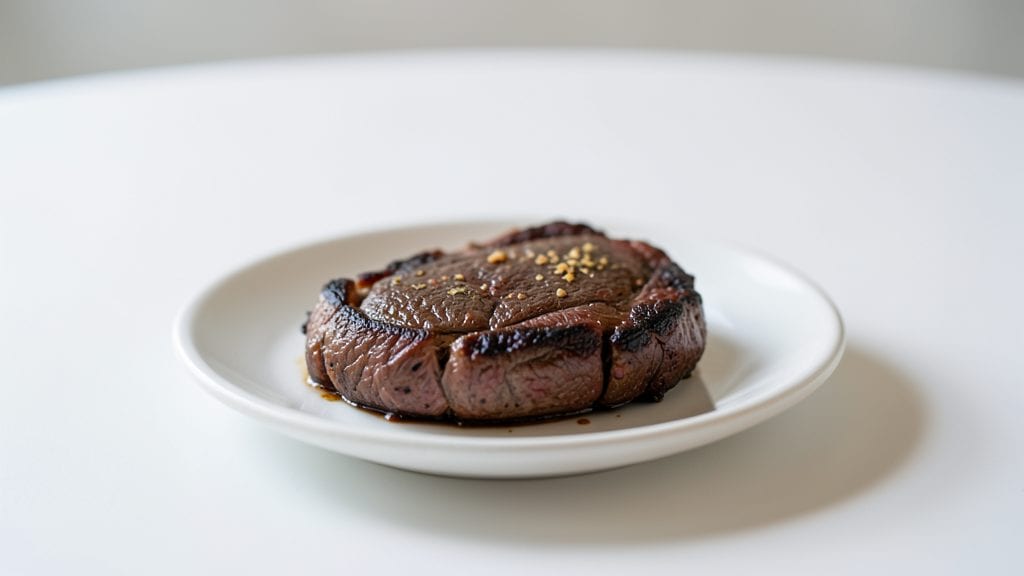
This Argentinian beef recipe brings the bold flavors of an asado straight to your kitchen, where perfectly seared vacio steak meets fresh chimichurri and grilled provoleta.
Working the line at that Asheville farm-to-table restaurant taught me how high heat transforms tough cuts into melt-in-your-mouth masterpieces—just like the parrilla grills of Buenos Aires. The secret lies in reverse searing and a bright herb sauce that cuts through the richness while keeping every bite juicy and tender.
What makes this recipe stand out is the balance of simplicity and technique—no fancy equipment needed, just a cast-iron skillet or grill pan and about 30 minutes of active time.
We'll start with a simple salt rub to enhance the beef's natural flavor, then build layers of smoky char through precise searing. The chimichurri, made with fresh parsley, garlic, and red wine vinegar, transforms ordinary steak into something extraordinary with every bite.
By the time you plate this dish, you'll have restaurant-quality vacio steak with caramelized edges and pink centers, served alongside crispy provoleta and vibrant chimichurri.
The aroma alone will have everyone gathering at your table, while the combination of textures—tender beef, crispy cheese, and fresh herbs—creates a meal that feels both celebratory and effortless. This is the kind of dish that turns weeknights into special occasions.
Perfect for game day gatherings, dinner parties, or a Sunday supper that feels like a vacation. The leftovers reheat beautifully, making it ideal for meal prep when you want to impress without spending hours in the kitchen.
Let's bring the flavors of Argentina to your table with this foolproof method that delivers every time.
Ingredients for argentinian beef
Fourteen ingredients, three techniques—salt, sear, and sauce—that transform simple beef into restaurant-worthy asado magic.
| Ingredient | Amount | Notes |
|---|---|---|
| Vacio Beef Steak 🥩 | 1 ½ lb | Center-cut, 1-inch thick slices |
| Fresh Provolone Cheese 🧀 | 8 oz | Sliced into 1/2-inch thick rounds |
| Fresh Flat-Leaf Parsley 🌿 | 1 cup | Stems removed, loosely packed |
| Garlic Cloves 🧄 | 6 cloves | Fresh, peeled, slightly crushed |
| Red Wine Vinegar 🍷 | ⅓ cup | Dry, aged variety preferred |
| Extra-Virgin Olive Oil 🫒 | ½ cup | Lightly fruity, not heavy |
| Diamond Crystal Kosher Salt 🧂 | 1 ½ tbsp | Coarse grain for crust |
| Ground Black Pepper 🌶️ | 1 tsp | Freshly cracked preferred |
| Red Bell Pepper 🌶️ | 1 whole | Seeded, sliced into strips |
| Yellow Onion 🧅 | 1 whole | Thinly sliced into rings |
| Red Wine 🍷 | ½ cup | Bold Malbec or Cabernet |
| Fresh Oregano 🌿 | ¼ cup | Chopped, if available |
| Smoked Paprika 🌶️ | 1 tsp | For chimichurri depth |
| Red Chili Flakes 🔥 | ½ tsp | Optional for heat |
The beef is everything here. Vacio cut (also called flank or skirt) delivers that signature asado tenderness—ask your butcher for center-cut if possible, as it's more marbled and flavorful. I usually grab mine from Whole Foods or Costco when they have it pre-sliced, but a good Latin market will have it fresh. Look for bright red color and good marbling—this isn't the time for lean cuts. If you can't find vacio, flank steak works in a pinch, but slice it against the grain after cooking. The provolone? Fresh, not pre-shredded—it crisps up beautifully on the grill and melts perfectly when served. Grab the whole wheel from the deli counter if you're making this for a crowd.
No red wine vinegar? White wine vinegar or apple cider vinegar works, but the depth won't be quite the same. Fresh parsley is non-negotiable for chimichurri—dried just won't cut it. If you're out, cilantro at half the amount gives a different but still bright flavor. The red bell pepper adds sweetness that balances the acidity, so if you're using jarred chimichurri, add an extra tablespoon of roasted red pepper to mimic it. For the steak, reverse searing is key: start low and slow, then crank the heat. The cast-iron skillet is your best friend here—it retains heat like a griddle. And if you're short on time, broil the provolone for 3-4 minutes instead of grilling it.
The chimichurri keeps for 5 days in the fridge, but it's best made fresh—trust me, the flavor fades fast. Store it in a glass jar with olive oil on top to preserve the herbs. The steak reheats beautifully—warm in a skillet for 2 minutes per side over medium heat. For the provolone, freeze any extras in slices between parchment paper—they'll crisp up just like fresh when reheated. This whole dish comes together in under an hour, but the prep ahead (especially the chimichurri) makes it feel like a true celebration. Leftovers? Double the chimichurri—it's the star of the show.
Why You'll Love This Recipe
- Minimal Chopping Required: I swear by this—just slice the garlic, tear the parsley, and let the vacio steak do the work. No dicing, no mincing, no stress. That red wine vinegar? Just a quick splash over the cheese while the meat rests.
- Creamy-Garlicky Magic: The provolone melts into this rich, tangy sauce that clings to every bite, while the garlic and parsley brighten it up. It’s the kind of flavor that makes you close your eyes mid-chew—no overpowering spices, just pure, satisfying depth.
- Weeknight or Weekend Star: Throw it together for a lazy Tuesday dinner or impress guests with zero fuss. The vacio steak stays juicy no matter how you serve it—sliced thin for tacos, piled high on crusty bread, or even stuffed into sandwiches the next day.
- Leftovers That Don’t Suck: Between us, most beef leftovers turn into sad, dry scraps. Not this. The provolone keeps everything tender, and the vinegar adds a punch that makes cold slices just as good as fresh. Pack it for lunch or reheat it—no one will guess it’s not fresh off the grill.
Step-by-step instructions for Argentinian beef with chimichurri
Here's how to transform simple ingredients into restaurant-quality Argentinian beef with vibrant chimichurri.
Season and Sear the Vacio Beef Steak
Pat the 1.5 lb vacio beef steak dry with paper towels—this is crucial for that perfect crust. Season both sides generously with 1.5 tablespoons diamond crystal kosher salt and 1 teaspoon ground black pepper, pressing the seasoning into the meat so it adheres. Let the steak sit at room temperature for 30 minutes while you prepare the chimichurri.
Heat a heavy skillet over high heat until it's screaming hot. Add the steak and sear for 2-3 minutes per side until you develop deep brown crusts. The edges should be slightly charred, but don't rush this—those crusts hold all the flavor. For medium-rare, the internal temperature should reach 130-135°F when checked with an instant-read thermometer. Transfer the steak to a cutting board and tent loosely with foil to rest for 10 minutes while you prepare the chimichurri and toppings.
Prepare the Chimichurri Sauce
In a food processor, combine 1 cup fresh flat-leaf parsley, 6 cloves garlic cloves, 0.25 cup fresh oregano, 1 teaspoon smoked paprika, and 0.5 teaspoon red chili flakes. Pulse until finely chopped but not pureed—you want texture in your chimichurri. With the processor running, slowly drizzle in 0.33 cup red wine vinegar and 0.5 cup extra-virgin olive oil until the mixture forms a bright green, chunky sauce. Taste and adjust seasoning with additional salt if needed.
Here's the thing—this sauce should be vibrant and herby, not overpowering. If it tastes too acidic, add a pinch more salt. If it's too mild, stir in a splash of 0.25 cup red wine to deepen the flavor. Transfer the chimichurri to a bowl and set aside—it'll only get better as it sits while the steak rests.
Sauté the Onion and Bell Pepper
In the same skillet you seared the steak (flavor!), heat 1 tablespoon extra-virgin olive oil over medium heat. Add the 1 whole yellow onion sliced into rings and 1 whole red bell pepper sliced into strips. Cook for 5-6 minutes, stirring occasionally, until the onions soften and the bell peppers begin to caramelize. You want them tender but still holding their shape—overcooking will make them mushy.
Season the vegetables with a pinch of diamond crystal kosher salt and ground black pepper as they cook. Remove from heat and set aside—these will serve as a colorful, flavorful bed for your sliced steak.
Assemble and Serve
Slice the rested steak against the grain into ¼-inch thick slices. Arrange the slices over the sautéed onion and bell pepper mixture on a warm platter. Spoon the chimichurri generously over the top, allowing it to drip down the sides of the steak. The bright green sauce will contrast beautifully with the deep red of the steak and the vibrant colors of the vegetables.
To finish, top each serving with 2 oz fresh provolone cheese sliced into rounds. The cheese will melt slightly from the residual heat of the steak, adding a creamy contrast to the bold flavors. Serve immediately with crusty bread to soak up any extra chimichurri—this dish is best enjoyed fresh from the stove.
Pro Tips For Making Argentinian Beef
- Sear the Vacio Fast: Get that pan screaming hot—like, blue-flame-on-the-gas-stove hot—before laying down the beef. I used to take it easy, and the outside would turn gray before the inside hit medium-rare. Two minutes max per side for a 1-inch cut, then pull it off the heat while it’s still wiggling inside.
- Shave That Garlic: Skip the minced garlic—it burns before it adds flavor. Instead, smash the cloves flat with the side of your knife, then slice paper-thin strips. They’ll soften in the pan without turning bitter, and the aroma clings to the beef like it’s glued there.
- Don’t Overmelt the Provolone: The cheese should just turn golden and stringy, not greasy and sad. Once it starts pooling in the pan, it’s done. Slide the beef back on, cover with foil for 30 seconds to let the cheese cling, then flip. (Yes, even if you’re impatient like me.)
- Vinegar Last, Not First: Add the red wine vinegar in the final 30 seconds of cooking—it’ll brighten the dish but evaporate if you toss it in too early. I learned this the hard way when my first attempt tasted flat. A splash at the end makes all the difference.
Perfect pairings for this argentinian beef
Chimichurri Variations
While the classic chimichurri is a bright parsley-garlic blend, Argentinian cooks adapt it regionally. In Patagonia, add 1 tbsp finely chopped mint and ½ tsp ground cumin for earthier notes. In Mendoza, swap parsley for ½ cup cilantro and include 1 roasted red jalapeño for heat.
I’ve tested both—David’s favorite is the cilantro version with a splash of Malbec wine instead of vinegar. 🌿
Wine Pairings
A bold Malbec from Mendoza is the classic choice—its dark fruit and smoky notes complement the beef beautifully. For something lighter, try a crisp Torrontés, whose floral aroma cuts through the richness.
I once paired this dish with a Cabernet Sauvignon from Uco Valley, and the tannins stood up to the chimichurri’s acidity. Pro tip: Chill your wine slightly (55-60°F) to refresh your palate between bites. 🍷
Beverage Alternatives
No wine? A craft lager like Quilmes or Patagonia works—its clean finish balances the dish’s bold flavors. For non-alcoholic options, try a hibiscus iced tea (common in Argentina) with a splash of lemon juice and mint.
The tartness mirrors chimichurri’s brightness. David’s kids love it, and honestly, it’s a great way to keep things refreshing. ✨
Provoleta Perfection
The grilled provolone is non-negotiable—it adds a creamy, salty contrast to the beef. For extra crispiness, brush slices with olive oil and sprinkle with coarse salt before grilling. If you’re short on time, broil them for 3-4 minutes until golden.
I once made a batch ahead and froze them—they crisp up just like fresh when reheated. 🧀
Side Dish Ideas
Grilled asado-style potatoes (halved and charred) or a simple arugula salad with lemon vinaigrette round out the meal. For a heartier option, serve with polenta—its creamy texture soaks up chimichurri beautifully.
I’ve also seen grilled corn on the cob brushed with chimichurri as a side, and it’s a crowd-pleaser. 🌽
Nutrition facts
Frequently asked questions
What's the best cut of beef for this Argentinian recipe?
Vacio steak (also called flank or skirt) is ideal for its tenderness when sliced against the grain. If you can't find it, flank steak works well too. Look for bright red color and good marbling—this cut should be 1-inch thick for perfect searing.
Can I make this recipe without a grill?
Use a heavy cast-iron skillet on the stovetop for the steak and broil the provolone for 3-4 minutes instead of grilling. The key is high heat for that signature char. A grill pan also works well for the vegetables.
How do I know when the steak is done?
For medium-rare, use an instant-read thermometer: 130-135°F internal temp. The edges should be deeply browned with slight char, while the center remains pink. If you don't have a thermometer, cut into the thickest part—juices should run clear, not red.
What if I don't have fresh provolone?
Use mozzarella or fontina as substitutes—they'll still melt beautifully. For extra flavor, add a sprinkle of smoked paprika before serving. Just avoid pre-shredded cheese, as it contains anti-caking agents that prevent proper melting.
Can I prepare the chimichurri ahead of time?
Yes! Make it 1-2 days ahead and store in an airtight container with olive oil on top to preserve freshness. The flavors actually improve as it sits. Just give it a good stir before using. For longer storage (5 days), keep it refrigerated.