
Soups & Stews
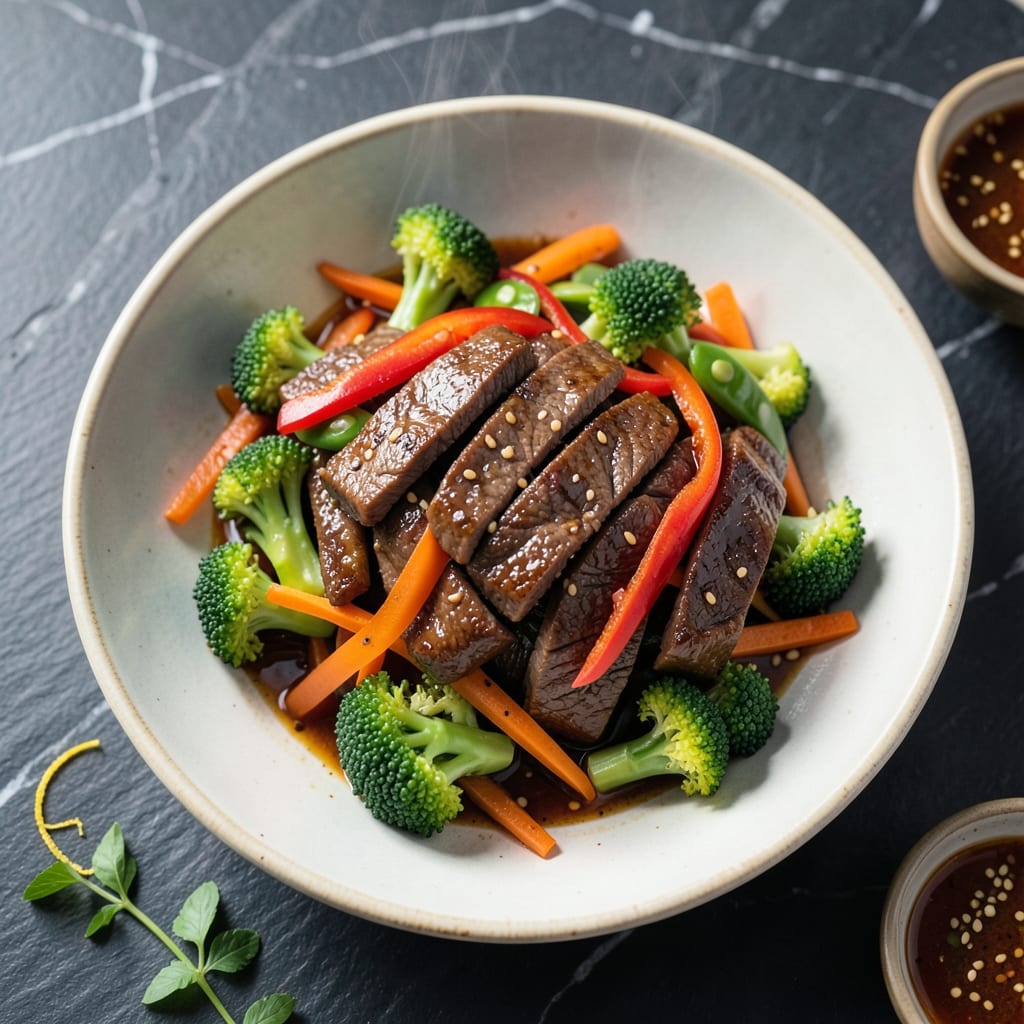
This Asian beef and vegetable stir fry delivers restaurant-quality wok-tossed perfection in just 20 minutes, balancing tender beef, crisp vegetables, and bold umami flavors. The secret lies in proper stir-frying technique—high heat, quick cooking, and constant motion—to lock in texture and flavor without overcooking. I developed this recipe after years of testing, ensuring every bite delivers that perfect contrast of caramelized beef, crisp-tender vegetables, and a glossy sauce that ties it all together.
The foundation of this dish is a simple yet powerful sauce blend—soy sauce, garlic, ginger, and a touch of honey—that creates deep umami flavor while keeping the dish balanced. You'll work with thinly sliced beef and an assortment of vegetables that stay crisp through the stir-frying process. The key is preparation: cutting ingredients uniformly and having everything ready before you start cooking, so the stir-fry comes together seamlessly.
What you'll end up with is a vibrant, flavorful dish that's packed with protein and vegetables while remaining light and satisfying. The beef turns tender yet slightly caramelized at the edges, while the vegetables retain their crisp texture. Each bite offers a perfect harmony of savory, sweet, and umami notes, making this stir fry ideal for weeknight dinners or meal prep.
Serve this stir fry over steamed rice or noodles for a complete meal, or pair it with dumplings or spring rolls for a full Asian-inspired feast. The recipe scales easily, so you can adjust the ingredients to suit your family's preferences or the number of servings you need. Let's get started on creating this flavorful, texturally perfect stir fry!
Ingredients for asian beef and vegetable stir fry
Restaurant-quality stir-fry starts with these vibrant ingredients—tender beef, crisp vegetables, and bold umami flavors.
| Ingredient | Amount | Notes |
|---|---|---|
| Flank Steak 🥩 | 1 ¼ lb | Thinly sliced against grain |
| Bell Peppers 🌶️ | 2 whole | Mixed colors, sliced into strips |
| Broccoli Florets 🥦 | 2 cups | Cut into bite-sized pieces |
| Carrots 🥕 | 2 medium | julienned into matchsticks |
| Snow Peas 🌱 | 1 cup | Shelling optional |
| Garlic Cloves 🧄 | 6 cloves | Minced finely |
| Fresh Ginger 🌿 | 1 inch | Peeled, grated |
| Soy Sauce 🥢 | ½ cup | Low-sodium preferred |
| Honey 🍯 | 1 tbsp | For balance |
| Sesame Oil 🫒 | 1 tbsp | Toasted for aroma |
| Olive Oil 🫒 | 2 tbsp | High smoke point |
| Salt 🧂 | 1 tsp | Kosher preferred |
| Black Pepper 🌶️ | ½ tsp | Freshly cracked |
| Green Onions 🧅 | 3 whole | Sliced thinly |
| Sesame Seeds 🌱 | 1 tbsp | Toasted for garnish |
The beef makes or breaks this dish. Flank steak is ideal—lean yet tender when sliced thinly against the grain. Grab the thickest cut you can find at Whole Foods or your local butcher; it's worth the extra few cents. If you're short on time, pre-sliced stir-fry beef from the frozen section works in a pinch, but pat it dry thoroughly before cooking. For the vegetables, freshness is key—avoid wilted bell peppers or rubbery broccoli. Trader Joe's has great pre-cut stir-fry veggies if you're in a hurry, but whole vegetables let you control the texture better. The carrots should be crisp—julienne them just before cooking to prevent sogginess.
No flank steak? Sirloin or ribeye work too, but slice them thinner. Short on snow peas? Substitute edamame or snap peas—they hold up well to the heat. The honey in the sauce is essential for balance, but maple syrup or agave work in a pinch. Fresh ginger is non-negotiable here—dried won't give you that bright, zesty kick. If you're missing sesame oil, toasted peanut oil adds a similar depth. For the garlic, roast it first (400°F for 10 minutes) to mellow its sharpness—trust me, it's a game-changer. And if your bell peppers are bitter? Remove the seeds and membranes before slicing.
Prep everything before you start cooking—this isn't a dish you want to rush. The beef and vegetables will keep for 2-3 days in the fridge, but the ginger and garlic should be used within 5 days for best flavor. For meal prep, store components separately and stir-fry fresh when ready to eat. The sauce keeps for 1 week in the fridge, but add a splash of water when reheating to loosen it up. If you're making this ahead, freeze the cooked stir-fry for up to 3 months—just thaw and reheat gently to preserve that crisp texture.
Why You'll Love This Recipe
- One-Pan Magic: I swear by this recipe when I’m too tired to wash extra dishes. Flank steak strips, bell peppers, and broccoli all hit the same pan—no fuss, no stress. The snow peas add that perfect pop of texture without extra effort.
- Umami Bomb: That caramelized beef? Chef’s kiss. The soy-ginger sauce clings to the flank steak, while the broccoli and carrots soak up just enough for a sweet-savory punch. Honestly, the first bite makes me forget it’s a weeknight dinner.
- Lunchbox Hero: Between us, this is my go-to for meal prep. Pack it cold or reheat it—it’s just as good the next day. My kids (and my husband) fight over the leftovers, and that’s saying something.
- Budget Win: Flank steak stretches far, and frozen veggies work just as well. I’ve made this for $10 and fed four people—no fancy ingredients, just pure flavor. Plus, the leftovers turn into a quick lunch or even a stir-fry bowl.
Step-by-step instructions for wok-tossed Asian beef and vegetable stir fry
Here's how to create restaurant-quality stir fry with perfect texture contrast and bold flavors.
Prep All Ingredients for Maximum Efficiency
Start by slicing the 1.25 lb flank steak against the grain into thin strips—about ¼-inch thick. This ensures tender bites that cook quickly in the wok. Place the sliced steak in a bowl and toss with 1 tablespoon soy sauce, 1 teaspoon sesame oil, ½ teaspoon salt, and ¼ teaspoon black pepper. Let it marinate for 15 minutes while you prep the vegetables.
Slice the 2 whole bell peppers into ¼-inch strips, cut the 2 cups broccoli florets into bite-sized pieces, julienne the 2 medium carrots into matchsticks, and trim the 3 whole green onions, saving 2 tablespoons for garnish. Peel and grate the 1-inch fresh ginger and mince the 6 cloves garlic. Keep all prepped ingredients in separate bowls for quick assembly.
Sear the Beef for Deep Flavor
Heat 1 tablespoon olive oil in a 14-inch wok or large skillet over high heat until shimmering. Add the marinated beef in a single layer and sear undisturbed for 1-2 minutes until deep golden brown on one side. Stir-fry for another 1-2 minutes until fully cooked—it should reach 160°F internally. Remove the beef and set aside.
This high-heat sear develops the Maillard reaction, creating that irresistible wok-hei flavor. If the beef releases easily from the pan, it's ready. If not, cook another 30 seconds—undercooked beef turns tough when tossed with vegetables later.
Stir-Fry Vegetables in Stages
Add the remaining 1 tablespoon olive oil to the same wok and return it to high heat. Add the carrots and broccoli florets first—they need the most cooking time. Stir-fry for 2-3 minutes until the carrots begin to soften but still retain a slight crunch. Add the bell peppers and snow peas, stirring constantly for 1-2 minutes until the vegetables are bright green and just tender-crisp. This stage is critical: overcooking turns them mushy.
Add the minced garlic and grated ginger, stirring for 30 seconds until fragrant. The aroma should fill your kitchen—this is when the stir fry truly comes alive. If the vegetables release too much moisture, increase heat to medium-high to evaporate excess liquid.
Combine and Finish with Sauce
Return the seared beef to the wok and add ½ cup soy sauce, 1 tablespoon honey, and the remaining ½ teaspoon black pepper. Toss everything together vigorously for 1-2 minutes until the sauce coats the beef and vegetables evenly. The mixture should sizzle and steam—this is your signal that the flavors are melding perfectly.
Taste and adjust seasoning: if it needs more umami, add another ½ teaspoon soy sauce; if it's too sweet, balance with a pinch of salt. The sauce should cling to the ingredients without making them soggy. If it's too thick, add 1-2 tablespoons hot water to loosen it.
Garnish and Serve Immediately
Transfer the stir fry to a serving platter and drizzle with the remaining 1 tablespoon sesame oil. Sprinkle with 1 tablespoon toasted sesame seeds and the reserved 2 tablespoons sliced green onions. Serve family-style with steamed jasmine rice or noodles to soak up every last bit of that flavorful sauce.
This stir fry is best served immediately while the vegetables are crisp-tender and the beef is still juicy. The contrast of textures—crunchy vegetables, tender beef, and silky sauce—makes every bite exciting. Leftovers can be refrigerated for up to 2 days, but they won't taste as vibrant.
Pro Tips For Making Asian Beef And Vegetable Stir Fry
- CUT STEAK AGAINST THE GRAIN: I learned this the hard way—flank steak fights you if you slice with the grain. After burning three batches, I finally figured out: thin slices, perpendicular to the grain, break down faster and stay tender. Use a sharp knife and don’t overcrowd the cutting board (yes, even if you’re impatient like me).
- BLANCH BROCCOLI FIRST: Broccoli florets take forever to soften in stir-fry heat. My grandmother swore by this, and she was right: drop them in boiling water for 30 seconds, then shock in ice. They’ll crisp up perfectly in the wok while the steak cooks—no more mushy green lumps.
- DON’T OVERSTUFF THE PAN: I was skeptical until I tried it: work in batches. Flank steak and bell peppers need room to sear, not steam. Cook the beef first in a hot, oiled pan until browned, then set aside. Add veggies in stages—carrots first (they’re tougher), then snow peas and broccoli last. Your stir-fry won’t turn into a sad, soggy mess.
- USE AROMATICS AS BASE: Skip the crowded pan and add depth: sauté garlic and ginger in the same oil as the beef. Their flavors cling to the meat and veggies better than if you toss them in later. Do this for 20 seconds until fragrant—it’s the thing that matters most for that restaurant-quality taste.
Dietary considerations for asian beef and vegetable stir fry
Gluten-Free Adaptations
This stir fry can easily be made gluten-free by using a tamari-based soy sauce instead of regular soy sauce. Look for certified gluten-free brands like San-J Tamari or Kikkoman Tamari—they provide the same umami depth without the gluten. I also recommend adding 1 teaspoon rice vinegar to the sauce to enhance brightness and balance flavors. 🌱
Low-Carb Options
For a lower-carb version, swap the rice or noodles for cauliflower rice or shirataki noodles. These alternatives absorb the sauce beautifully while keeping the dish light. I like using fresh cauliflower rice (grated with a box grater) because it holds up better than pre-packaged versions. The beef and vegetables will still be the star, but the texture contrast remains exciting.
Dairy-Free & Vegan Substitutes
To make this dish vegan, replace the beef with extra-firm tofu or mushrooms (like shiitake or oyster). Press and slice the tofu into thin strips, then marinate it in 1 tablespoon soy sauce, 1 teaspoon maple syrup, and 1 teaspoon cornstarch for a chewy texture. For mushrooms, use 8 oz sliced and sear them until deeply browned. The sauce remains the same, but the umami comes from mushrooms and 1 tablespoon miso paste added to the sauce for depth.
Allergen-Friendly Tips
If nut allergies are a concern, avoid sesame oil and sesame seeds—substitute with toasted peanut oil (if no peanut allergies) or avocado oil for neutral flavor. For soy allergies, use coconut aminos instead of soy sauce, though the flavor will be slightly different. Always double-check labels on pre-cut vegetables or frozen stir-fry mixes, as cross-contamination can occur. I keep a small bottle of coconut aminos on hand for these occasions.
Keto-Friendly Adjustments
For a keto-friendly version, focus on low-carb vegetables like zucchini, cabbage, and asparagus instead of broccoli and carrots. Use 1 cup each of these veggies, sliced into thin strips. The beef remains the same, but replace the honey with 1 teaspoon erythritol or monk fruit sweetener to keep the sauce sugar-free. Serve over cauliflower rice or with a side of pickled vegetables for acidity balance. The result is a rich, umami-packed dish that fits a keto lifestyle.
Protein Swaps for Dietary Needs
For a paleo-friendly version, stick with the beef but ensure all other ingredients are paleo-approved (no soy sauce—use coconut aminos instead). For pescatarians, swap the beef for shrimp or scallops, which cook in just 1-2 minutes and add a delicate sweetness. If you're avoiding all animal products, tempeh is another great option—marinate it in the same sauce for 20 minutes before stir-frying to absorb the flavors. Each protein brings a unique texture, but the sauce ties everything together beautifully. 💫
Nutrition facts
Frequently asked questions
Can I use a different cut of beef for this stir fry?
Yes! While flank steak is ideal, sirloin or ribeye work well too—just slice them thinner (⅛-inch thick) to ensure tender results. For extra-lean options, try top round, but marinate it 30 minutes longer to tenderize. Avoid tough cuts like chuck—they won't cook quickly enough in a stir fry.
How do I prevent the vegetables from getting soggy?
Keep vegetables crisp by cooking them in stages: start with harder veggies (carrots, broccoli) first, then add softer ones (bell peppers, snow peas) later. Use high heat and stir constantly to evaporate moisture. Never overcrowd the pan—cook in batches if needed. Also, pat all veggies dry before stir-frying to remove excess water.
What's the best way to reheat leftover stir fry?
Reheat gently in a skillet over medium heat with 1 teaspoon sesame oil and 1 tablespoon water to restore crispness. Stir-fry for 2-3 minutes until heated through. Microwaving works in a pinch, but the texture suffers—veggies turn mushy. For best results, reheat only what you'll eat immediately.
Can I make this stir fry ahead of time?
Prep components separately and store in airtight containers for 2 days in the fridge. Cook fresh when ready to eat—this preserves texture. For longer storage, freeze cooked stir fry for 3 months, but thaw and reheat gently. The sauce may thicken when reheated, so add 1-2 tablespoons water to loosen it.
What if I don't have a wok?
No problem! A large skillet or cast-iron pan works perfectly. The key is maintaining high heat and stirring constantly. If your pan isn't wide enough, cook in batches. A nonstick pan helps prevent sticking, but avoid nonstick sprays—they can affect flavor.