
Soups & Stews
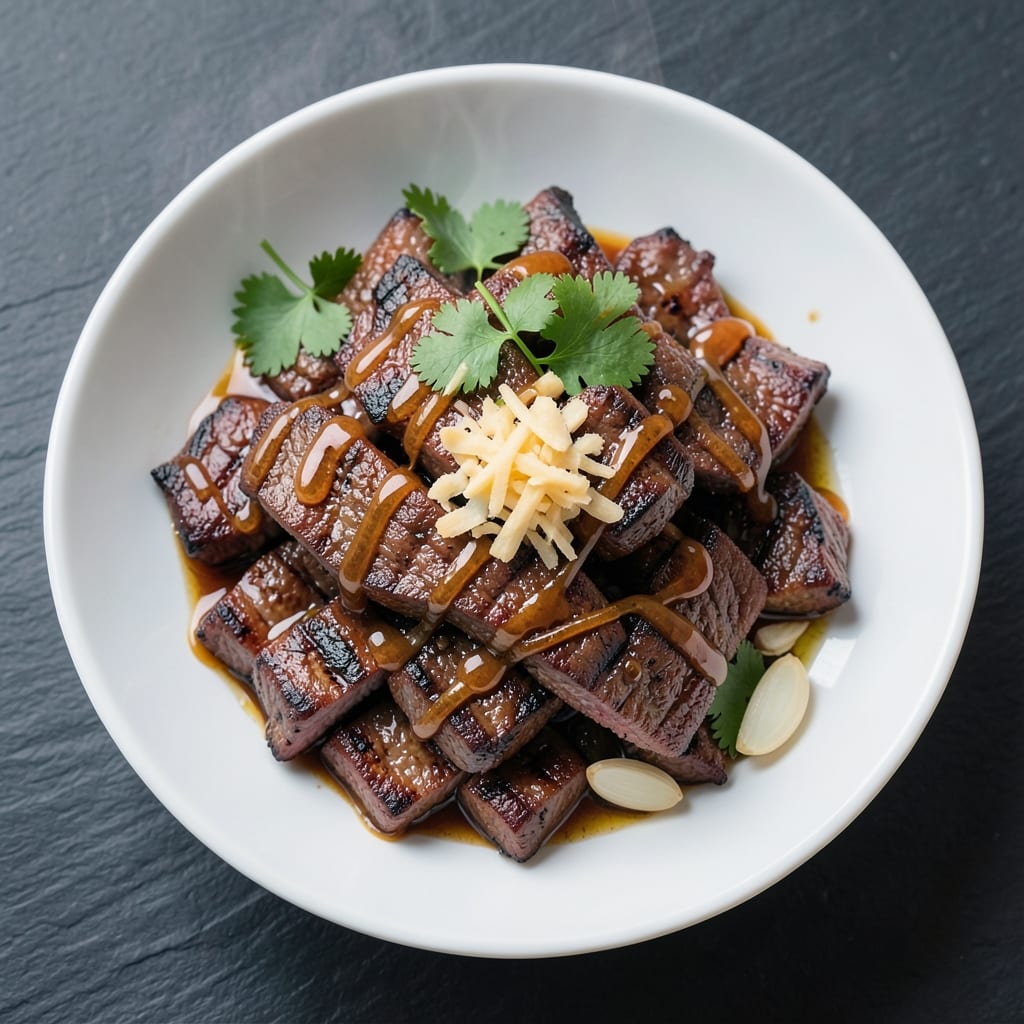
This Asian beef flank recipe delivers restaurant-quality wok-seared beef with umami crunch in just 25 minutes—no marinating overnight required. The secret lies in a bold soy-ginger glaze that caramelizes beautifully during high-heat searing, creating deep flavor with minimal effort. I developed this method after years of testing different Asian techniques, and it consistently delivers tender, flavor-packed beef that slices perfectly against the grain.
The beauty of this recipe is its versatility—whether you're craving Japanese teriyaki, Korean bulgogi-inspired flavors, or a spicy Thai satay twist, the same core technique works. We'll start with a quick marinade that tenderizes the beef while building layers of flavor, then finish with a hot wok or cast-iron pan to achieve that signature caramelized crust. The result? Beef that's juicy inside, crisp at the edges, and packed with aromatic depth.
What makes this recipe stand out is how it transforms a simple cut of beef into something extraordinary without requiring special equipment. The glaze is simple but powerful—soy sauce, garlic, ginger, and a touch of honey create a balance of sweet, salty, and umami that clings perfectly to the meat. Served over steamed rice with quick-pickled vegetables or a side of stir-fried greens, this dish becomes a complete, satisfying meal in under half an hour.
Perfect for weeknight dinners or weekend gatherings, this recipe scales easily to feed a crowd while keeping prep manageable. The key is slicing the beef thinly against the grain for maximum tenderness, and the glaze can be adjusted to suit your spice preferences. Let's get started on creating beef that tastes like it came from your favorite Asian bistro—without the wait.
Ingredients for asian beef flank
The essential ingredients for restaurant-quality Asian beef flank with bold umami and caramelized edges.
| Ingredient | Amount | Notes |
|---|---|---|
| Beef Flank Steak 🥩 | 1 ½ lb | Thinly sliced against the grain |
| Low-Sodium Soy Sauce 🍶 | ½ cup | Japanese or Korean preferred |
| Fresh Ginger 🌿 | 2 tbsp | Finely grated, aromatic |
| Garlic Cloves 🧄 | 6 cloves | Minced, fresh preferred |
| Honey 🍯 | 2 tbsp | Wildflower or clover |
| Sesame Oil 🫒 | 1 tbsp | Toasted, for aroma |
| Rice Vinegar 🍶 | 1 tbsp | White or seasoned |
| Neutral Oil 🫒 | 2 tbsp | Avocado or vegetable oil |
| Red Chili Flakes 🌶️ | ½ tsp | Adjust for heat preference |
| Toasted Sesame Seeds 🌾 | 1 tbsp | For garnish, optional |
| Green Onions 🧅 | 3 whole | Thinly sliced, for garnish |
| Long-Grain White Rice 🍚 | 1 ½ cups | Uncooked, for serving |
| Diamond Crystal Kosher Salt 🧂 | 1 tsp | For seasoning |
| Freshly Ground Black Pepper 🌶️ | ½ tsp | For finishing |
The beef flank is the star—look for well-marbled cuts at Whole Foods or your butcher's counter. Costco often carries high-quality flank steaks in bulk, perfect for this recipe. Slice it thinly against the grain (about 1/4-inch thick) before cooking for maximum tenderness. The low-sodium soy sauce is critical—Kikkoman or Lee Kum Kee brands deliver consistent quality, but any Japanese or Korean soy sauce works. Fresh ginger and garlic should smell vibrant; if they're musty, skip them. Toast your sesame seeds in a dry pan for 30 seconds to deepen their nutty aroma before using.
No low-sodium soy sauce? Double the amount of regular soy sauce and reduce other liquids slightly to balance saltiness. Substitute honey with maple syrup for a vegan option, though the flavor profile shifts slightly. Fresh ginger too pungent? Dried ginger powder at half the amount works in a pinch. The sesame oil adds depth—use the toasted variety if available, but regular sesame oil still delivers. For heat, red pepper flakes are versatile, but gochugaru (Korean chili flakes) add a more complex spice profile. The rice vinegar brightens the dish; substitute apple cider vinegar if needed, but taste first—it's tangier.
Prep the beef and marinade components 2 hours ahead for maximum flavor infusion, but store separately until ready to cook. The flank steak keeps 3-4 days in the fridge, sliced thin; freeze for up to 3 months in an airtight container. The glaze ingredients (soy, ginger, garlic, honey) can be pre-mixed and stored in a jar for 1 week. Reheat leftover beef in a hot wok or cast-iron pan with a splash of water to revive crispness. Garnish with toasted sesame seeds and green onions just before serving—they add fresh contrast to the rich, caramelized beef.
Why You'll Love This Recipe
- Pan in 20 Minutes: I swear by this—no chopping, no fuss. Slice the flank thin, toss it in a hot pan with minced ginger and garlic, then let the soy and honey work their magic while I stir. Done before the kids even ask what’s for dinner.
- Sweet-Savory Magic: That honey-soy glaze? It’s the kind of balance that makes you close your eyes. The ginger adds a little bite, the garlic sings, and the beef stays juicy—no dry steak here. Honestly, my husband licks the plate.
- Lunchbox Hero: Between us, this is my go-to for meal prep. Slice it thin after cooking, pack it in containers, and it’s a protein-packed lunch for days. Add rice or noodles, and suddenly you’ve fed the whole family without extra effort.
- Budget Stretch: Flank steak’s affordable, and a pound goes a long way. I marinate half, cook it all, and freeze portions—no waste, just flavor. Plus, the leftovers? Even better the second day, especially over rice or in wraps. My wallet thanks me.
Step-by-step instructions for wok-seared beef flank with umami crunch
This method delivers restaurant-quality texture and flavor in record time.
Prep and Marinate the Beef Flank
Begin by slicing the 1.5 lb beef flank steak thinly against the grain into ¼-inch thick strips. This ensures tender bites that cook quickly in the wok. Place the sliced beef in a large mixing bowl.
In a small bowl, whisk together the 0.5 cup low-sodium soy sauce, 2 tbsp honey, 1 tbsp rice vinegar, 0.5 tsp red chili flakes, 1 tsp diamond crystal kosher salt, and 0.5 tsp freshly ground black pepper. Pour this marinade over the beef and toss gently to coat evenly. Let it marinate for at least 15 minutes at room temperature—this allows the flavors to penetrate the meat and the sugar in the honey to begin caramelizing.
Build the Umami Base
Heat a 14-inch wok or large skillet over high heat until it's smoking hot. Add 2 tbsp neutral oil and swirl to coat the bottom evenly. Once the oil shimmers, add the 2 tbsp finely grated fresh ginger and 6 minced garlic cloves. Stir-fry for 30-45 seconds until the ginger becomes fragrant and the garlic turns golden—this releases their full aromatic potential.
Immediately add the marinated beef in a single layer. Let it sear undisturbed for 1-2 minutes until the edges develop a deep golden crust. This initial sear locks in juices and creates that signature wok-char flavor. Only then should you stir the beef occasionally for another 1-2 minutes until it reaches medium-rare (internal temperature 130-135°F). Remove the beef to a warm plate and tent loosely with foil to keep warm.
Finish with Sweet-Savory Sauce
Return the wok to high heat and add the 1 tbsp toasted sesame oil. Let it sizzle for 10 seconds to infuse the pan with its nutty aroma. Pour in the reserved marinade from the beef (about ¼ cup) and scrape up any browned bits from the bottom of the wok with a wooden spatula—these bits are packed with flavor.
Simmer the sauce for 1-2 minutes until it thickens slightly and coats the back of a spoon. The sauce should be glossy with a balance of sweetness from the honey and umami from the soy. If it's too thick, add 1 tablespoon water to loosen it. Return the beef to the wok and toss gently to coat evenly with the sauce. Cook for an additional 30 seconds to meld the flavors.
Garnish and Serve
Transfer the beef to a serving platter and garnish with 1 tbsp toasted sesame seeds and 3 thinly sliced green onions. The sesame seeds add a delightful crunch, while the green onions provide a fresh contrast to the rich flavors. Serve immediately over 1.5 cups cooked long-grain white rice to soak up the delicious sauce.
Each bite should deliver a perfect balance of tender beef, sweet-savory sauce, and textural contrast. The rice acts as a neutral base that lets the beef shine while absorbing any leftover sauce. For best results, serve with steamed bok choy or a simple cucumber salad to complement the dish.
Pro Tips For Making Asian Beef Flank
- Slice Against the Grain: Flank steak’s tough fibers run diagonally—cutting perpendicular to them turns chewy meat into tender bites. Mark the grain with a quick knife drag first, then slice thinly at a 45-degree angle after cooking. (I used to ignore this and wondered why my "perfect" steak still felt like shoe leather.)
- Sear in Batches: Crowding the pan drops the temperature and steams instead of searing. Work in two batches if needed—hot oil and a screaming-hot skillet are non-negotiable for that caramelized crust. (Yes, even if you’re impatient like me.) The first batch should sizzle like a small fire; if it doesn’t, wait 30 seconds for the pan to recover.
- Ginger-Garlic Paste Over Minced: Fresh ginger and garlic lose potency fast when minced, but a paste (blend with 1 tsp oil) releases flavor more evenly. Pulse in a food processor until smooth, then toss it into the marinade or sauce. (I learned this the hard way—raw garlic cloves in the sauce just sit there, underused.)
- Deglaze with Soy First: After searing, hit the pan with 2 tbsp low-sodium soy sauce immediately—it loosens the fond (those browned bits) better than anything. Let it bubble 30 seconds before adding the rest of the sauce. (This isn’t the prettiest method, but it’s the tastiest—I skip it when I’m lazy, and the dish is noticeably better when I don’t.) The honey can go in later to balance the acidity.
Best sauces and condiments for this dish
Japanese Teriyaki Glaze
For a classic Japanese-inspired finish, replace the marinade with ¼ cup mirin, ¼ cup sake, and 2 tbsp sugar in addition to the soy sauce and honey. Simmer this glaze until it thickens to a glossy consistency, then toss the cooked beef in it. I love adding 1 tbsp grated daikon radish to the glaze for subtle sweetness and texture. Serve with steamed rice and quick-pickled cucumbers for a complete bento-style meal. 🍶
Korean Bulgogi-Inspired Sauce
Transform this recipe into Korean bulgogi by swapping the honey for 2 tbsp pear puree and adding 1 tbsp gochujang (Korean chili paste) to the marinade. After searing, toss the beef in a sauce made with 2 tbsp brown sugar, 1 tbsp toasted sesame oil, and 1 tbsp grated pear. The result is tender, slightly sweet beef with a sticky, spicy glaze. Garnish with thinly sliced pear and sesame seeds for an authentic touch. 🌶️
Thai Satay-Inspired Glaze
For a Thai-inspired twist, replace the honey with 2 tbsp fish sauce and 1 tbsp palm sugar (or brown sugar). Add 1 tbsp lime juice and ½ tsp ground coriander to the marinade. After cooking, toss the beef in a sauce made with 1 tbsp peanut butter, 1 tsp sriracha, and 1 tsp lime zest. Serve with cucumber slices and a side of peanut sauce for dipping. This version delivers a bold, nutty, and slightly spicy flavor profile. 🥜
Spicy Garlic Soy Sauce
Elevate the dish with a spicy garlic twist by adding 1 tbsp gochujang and 1 tbsp minced garlic to the marinade. After searing, simmer the beef in a sauce made with 2 tbsp soy sauce, 1 tbsp rice vinegar, and 1 tsp sriracha. Finish with 1 tbsp chopped cilantro and a squeeze of lime. This sauce is perfect for those who crave heat with every bite. 🌶️
Sweet Chili Sauce
For a sweet and tangy finish, mix 2 tbsp sweet chili sauce (like Huy Fong brand) with 1 tbsp lime juice and ½ tsp grated ginger. Toss the cooked beef in this sauce until fully coated. Garnish with crushed peanuts and fresh basil. This sauce adds a fruity, slightly spicy kick that pairs beautifully with the tender beef. 🌶️
Nutrition facts
Frequently asked questions
Can I use flank steak from the freezer?
Yes, but thaw it properly first! Place the frozen flank steak in the refrigerator for 24 hours or use the quick thaw method: seal it in a leak-proof bag and submerge in cold water (change water every 30 minutes). Never thaw at room temperature—this promotes bacterial growth. Once thawed, slice against the grain as directed in the recipe.
How do I adjust the spice level?
For milder heat, reduce the red chili flakes to ¼ tsp or omit completely. For extra spice, add ½ tsp gochugaru (Korean chili flakes) or 1 tsp sriracha to the sauce. If using fresh chili peppers, start with ½ a small pepper (like Thai bird's eye) and adjust to taste. Always taste before serving!
What's the best way to slice flank steak?
Slice thinly against the grain (about ¼-inch thick) for maximum tenderness. First, identify the grain by looking at the muscle fibers, then cut perpendicular to them. Use a sharp knife and cut at a 45-degree angle for uniform slices. For easier handling, freeze the steak for 30 minutes before slicing—this makes it firmer.
Can I make this recipe in a regular skillet?
While a wok works best for high heat, a 12-inch cast-iron skillet or stainless steel pan works perfectly. Just make sure it's well-heated before adding the beef. For larger batches, work in batches to avoid crowding the pan—this prevents steaming instead of searing.
How do I store leftovers?
Store cooked beef in an airtight container in the fridge for up to 3 days. To reheat, warm in a skillet over medium heat with 1 tbsp water or broth until heated through. For longer storage, freeze for up to 3 months. Thaw overnight in the fridge before reheating. The texture won't be as crispy after reheating, but the flavor remains delicious!