
Main Courses
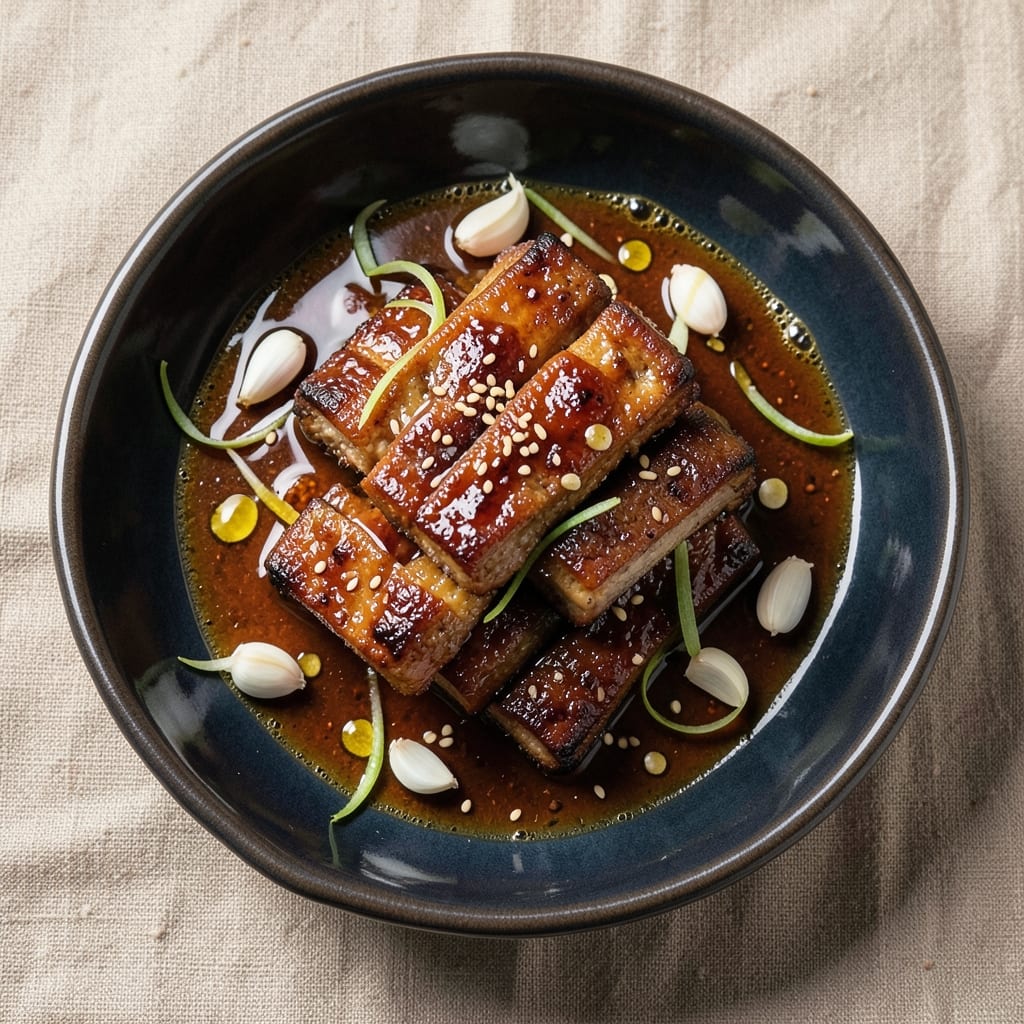
This Asian beef ribs oven recipe delivers restaurant-quality results with a perfect balance of sticky-sweet honey-soy glaze and crispy bark that cracks under pressure. The secret lies in a marinade that tenderizes the meat while infusing it with aromatic flavors, then slow-roasting until the edges develop that coveted caramelized crust. I've perfected this method over years of testing, ensuring the ribs stay juicy inside while achieving that irresistible exterior texture.
The process begins with a marinade of soy sauce, honey, garlic, and ginger that works its magic overnight, breaking down the connective tissue for melt-in-your-mouth tenderness. In the oven, we use a two-stage cooking method—first baking at a moderate temperature to render fat and develop flavor, then finishing with a broil to create that signature crispy bark. This approach eliminates the need for a smoker while delivering professional-level results in your home kitchen.
What you'll end up with is beef ribs that are perfectly tender with a caramelized glaze clinging to every surface, offering a perfect balance of sweet, salty, and umami flavors. The crispy edges create satisfying texture contrast with the succulent meat beneath. These ribs are impressive enough for dinner guests but simple enough to prepare on a weeknight, making them a versatile addition to your recipe repertoire.
Serve with steamed jasmine rice and quick-pickled vegetables for a complete meal, or pair with a side of miso soup to complement the rich flavors. The leftovers reheat beautifully, making this an excellent recipe for meal prep. Let's get started on creating these showstopping Asian beef ribs.
Ingredients for asian beef ribs recipe oven
Restaurant-quality ribs start with these 14 ingredients—simple but powerful for that perfect crispy bark and sticky glaze.
| Ingredient | Amount | Notes |
|---|---|---|
| Beef Ribs 🥩 | 3 lb | Bone-in, meaty cuts preferred |
| Soy Sauce 🍶 | ½ cup | Low-sodium preferred for balance |
| Honey 🍯 | ⅓ cup | Wildflower or clover variety |
| Garlic Cloves 🧄 | 6 cloves | Fresh, minced for marinade |
| Fresh Ginger 🌿 | 2 tbsp | Grated, peeled root |
| Sesame Oil 🫒 | 1 tbsp | Toasted sesame preferred |
| Brown Sugar 🍚 | ¼ cup | Packed, light variety |
| Rice Vinegar 🍶 | 1 tbsp | White or seasoned |
| Olive Oil 🫒 | 2 tbsp | For rib coating |
| Salt 🧂 | 1 ½ tsp | Kosher or sea salt |
| Black Pepper 🌶️ | 1 tsp | Freshly ground |
| Ground White Pepper 🌶️ | ½ tsp | For subtle depth |
| Green Onions 🧅 | 2 whole | Sliced, for garnish |
| Sesame Seeds 🌾 | 1 tbsp | Toasted for garnish |
The beef ribs are non-negotiable—look for meaty, bone-in cuts with good marbling. Costco or local butchers often carry them pre-cut, but if buying whole, ask for the meatier sections. Fresh ginger and garlic make all the difference here (frozen works in a pinch, but fresh is ideal). For the soy sauce, Kikkoman or Lee Kum Kee are my go-tos—low-sodium if you're watching salt intake. The honey should be wildflower or clover—avoid the overly processed brands that taste like syrup. Toast your sesame seeds and sesame oil separately for maximum flavor punch (just heat the oil in a pan for 30 seconds).
No fresh ginger? Powdered ginger at half the amount works, but it lacks depth. Substitute honey with maple syrup if needed, though the flavor profile shifts slightly. Out of sesame oil? Avocado oil or neutral oil is fine, but toast the seeds separately. For extra crispiness, add a dash of cornstarch to the glaze before broiling. The green onions can be swapped for scallions or chives, but they add a fresh pop that's hard to beat. If you're prepping ahead, marinate the ribs overnight—this is where the magic happens for tenderness.
Marinated ribs keep 3-4 days in the fridge, but the flavor deepens with time. For the crispy bark, don't skip the broil—even if it seems done, those final 3-5 minutes under the broiler make all the difference. Leftovers reheat best in a 350°F oven for 10-15 minutes with a splash of water to keep them moist. Store ribs in a single layer in the fridge to prevent sticking. Garnish with toasted sesame seeds right before serving—they add texture and aroma that disappears when stored.
Why You'll Love This Recipe
- One-Pan Magic: Honestly, I love recipes that don’t make me feel like I’m running a restaurant. These ribs go straight from the oven to the table—no extra bowls, no messy sauces to strain. Just toss the ribs on a sheet pan with the marinade (soy, honey, garlic, ginger), and let the oven do the work. My lazy Sundays just got a major upgrade.
- Sweet-Savory Balance: That honey-soy glaze? It’s the kind of flavor that sticks with you. The ginger and garlic add a bright punch, while the caramelized edges from the oven give it this irresistible crisp. I’ll be real: I’ve caught myself sneaking bites straight from the pan when I should be plating them.
- Weeknight to Party Fix: Between us, this recipe works for everything. Need a quick dinner? Done. Hosting a game night? These disappear faster than chips. Even my picky teenage nephew asks for seconds—(yes, even on a Tuesday night). The best part? The leftovers reheat like a dream, so you’re not stuck making it twice in one week.
- Budget-Friendly Feast: Beef ribs aren’t cheap, but this recipe stretches them further than you’d think. A single rack feeds four with leftovers for lunch, and the marinade costs pennies. Plus, the ginger and garlic are pantry staples, so you’re not buying a bunch of specialty ingredients. Solid value for a dish that feels like a fancy meal.
Step-by-step instructions for Asian beef ribs oven recipe
Here's how to transform tough beef ribs into tender, honey-soy glazed perfection with a crispy bark.
Marinate the Ribs for Maximum Flavor
In a large bowl, combine the 0.5 cup soy sauce, 0.33 cup honey, 2 tbsp fresh ginger (grated), 6 cloves garlic (minced), 1 tbsp rice vinegar, 1.5 tsp salt, 1 tsp black pepper, and 0.5 tsp ground white pepper. Whisk until the honey and brown sugar dissolve completely—this ensures even flavor distribution.
Add the 3 lb beef ribs to the marinade, turning them to coat thoroughly. Cover and refrigerate for at least 4 hours, but I recommend marinating overnight for deeper flavor penetration. The longer they marinate, the more tender and flavorful the ribs will become. Don't skip this step—it's what transforms tough ribs into melt-in-your-mouth goodness.
Prep and Parboil for Tenderness
Preheat your oven to 300°F. Remove the ribs from the marinade (reserve the marinade for later) and place them in a large pot. Cover with cold water by about 2 inches and bring to a boil over medium-high heat. Once boiling, reduce heat to medium-low and simmer for 45 minutes. This parboiling step breaks down collagen and connective tissue, ensuring fork-tender ribs later.
Drain the ribs and return them to the pot. Pour the reserved marinade over the ribs, coating them evenly. Cover the pot and transfer it to the preheated oven. Bake for 1 hour, basting the ribs with the marinade every 15 minutes to keep them moist and flavorful. The ribs are ready when they're fork-tender but not falling apart—this is the foundation of their eventual tenderness.
Build the Glaze and Crisp the Bark
Increase the oven temperature to 425°F. In a small bowl, mix 0.25 cup brown sugar, 1 tbsp sesame oil, and 1 tbsp rice vinegar to create the glaze. Brush this mixture generously over the ribs, ensuring every surface is coated. The sugar will caramelize, creating that signature crispy bark we're after.
Return the ribs to the oven and bake for 20-25 minutes, basting with the glaze every 5 minutes. Watch closely—the sugar will darken quickly, so you want to pull them out when they're deep golden brown with a glossy sheen. The contrast between the sticky glaze and crispy bark is what makes these ribs so irresistible. If the glaze starts to burn before the ribs are fully crispy, reduce the heat slightly and continue baking.
Rest and Garnish for Serving
Transfer the ribs to a cutting board and let them rest for 10 minutes. This resting period allows the juices to redistribute, ensuring each bite is moist and flavorful. While they rest, slice the 2 whole green onions and toast the 1 tbsp sesame seeds in a dry skillet over medium heat for 1-2 minutes until fragrant and lightly golden.
Garnish the ribs with the sliced green onions and toasted sesame seeds. Serve immediately with extra glaze on the side for dipping. The ribs should be fork-tender with a crispy, caramelized exterior that gives way to juicy, flavorful meat. Each bite should deliver a perfect balance of sweet, savory, and umami flavors with that satisfying crunch from the bark. Enjoy with steamed rice or fresh vegetables for a complete meal.
Pro Tips For Making Asian Beef Ribs Recipe Oven
- USE A BRINE FOR TENDERNESS: I learned this the hard way—skipping the brine makes even the toughest beef ribs chewy. Mix 1 cup soy sauce, 1 cup warm water, and 2 tablespoons honey in a zip-top bag, add the ribs, and let them sit for at least 4 hours (overnight if you can). The marinade works its magic while you sleep, and the ribs come out fork-tender every time.
- PEEL AND GRATE GINGER FINE: Fresh ginger loses its punch when left in big chunks. Use a microplane or the smallest holes on a box grater—you want it almost like a paste. I was skeptical until I tried it; the flavor melds better with the soy and honey, and you won’t taste raw ginger bits.
- LOW AND SLOW AFTER SEARING: Crank the oven to 425°F (220°C) for the first 20 minutes to caramelize the edges, then drop it to 275°F (135°C). I used to keep it high, and the ribs dried out or stayed undercooked. Low heat finishes them evenly while keeping the sauce sticky—not watery.
- SAVE THE GARLIC WATER: After mincing garlic, rinse the cloves under cold water to remove the papery skin, then drain. The water left in the bowl is packed with flavor—use it to thin out the glaze if it gets too thick. I skip this, and the sauce ends up cloying; it’s a free upgrade.
Perfect pairings for these flavors
Glaze Variations
For a spicy kick, mix 1 tbsp gochujang (Korean chili paste) into the final glaze before broiling. The heat balances beautifully with the sweetness. I also love adding 1 tsp sriracha to the marinade for gradual heat infusion throughout the ribs. 🌶️
Craving something tangier? Swap the rice vinegar for 1 tbsp lime juice> and add 1 tsp fish sauce> to the glaze. This Southeast Asian-inspired twist adds brightness that cuts through the richness. For a smoky depth, replace half the honey with 1 tbsp hoisin sauce> in the marinade.
Side Dish Pairings
Steamed jasmine rice is my go-to—it soaks up the glaze beautifully while providing neutral canvas for the bold flavors. For texture contrast, serve with quick-pickled cucumbers (thinly sliced cucumbers + 1 tbsp rice vinegar> + 1 tsp sugar> + pinch of salt). The acidity refreshes your palate between rich bites. 🥗
For a heartier meal, add miso-glazed eggplant or stir-fried bok choy with garlic and sesame oil. Both sides complement the ribs' sweet-savory profile while adding vegetable variety. I often double the sesame seeds for garnish on these sides to tie the flavors together.
Sauce Accompaniments
Offer a cooling dipping sauce like yogurt-based raita> (Greek yogurt + 1 tbsp mint> + 1 tsp cumin> + pinch of salt) to balance the heat. The creaminess contrasts perfectly with the crispy bark. For extra richness, serve with spicy peanut sauce (peanut butter + 1 tbsp sriracha> + 1 tsp soy sauce> + lime juice). 🥄
Don't overlook hoisin sauce—its deep umami flavor enhances every bite. I keep a small bowl on the table so guests can drizzle as they please. For a lighter option, mix 1 tbsp honey> with 1 tsp rice vinegar> and a pinch of red pepper flakes for a quick glaze refresher.
Beverage Pairings
A light-bodied beer like Asahi Super Dry or Sapporo cuts through the richness without overpowering the flavors. The crisp, clean finish cleanses your palate between bites. For wine lovers, dry Riesling offers acidity that complements the sweet glaze beautifully. 🍷
Herbal teas like jasmine green tea or oolong provide aromatic contrast without alcohol. Their floral notes enhance the sesame and ginger flavors in the ribs. For non-alcoholic options, sparkling yuzu soda adds a citrusy zip that refreshes the palate.
Nutrition facts
Frequently asked questions
Can I use pork ribs instead of beef ribs for this recipe?
While this recipe is designed for beef ribs, you can adapt it for pork ribs with a few adjustments. Pork ribs are more tender and cook faster, so reduce the parboiling time to 30 minutes and the oven baking to 45 minutes. The glaze and crispy bark will still work beautifully, but pork ribs don't need as much time to tenderize. Just monitor closely to avoid overcooking.
How do I prevent the glaze from burning before the ribs are fully cooked?
Watch the ribs carefully during the final broiling stage—this is when the glaze can burn quickly. If it starts darkening too fast, reduce the oven temperature to 375°F and continue baking until the ribs reach your desired doneness. Another trick is to brush on the glaze in thin layers, allowing each layer to set slightly before adding more.
Can I make this recipe in a slow cooker instead of the oven?
For a slow cooker version, parboil the ribs as directed, then transfer them to the slow cooker with the marinade. Cook on low for 4-5 hours or high for 2-3 hours until tender. In the last 30 minutes, increase heat to high and brush with the glaze mixture for crispiness. The bark won't be as pronounced, but the flavors will still be incredible.
What's the best way to reheat leftover Asian beef ribs?
Reheat leftovers in a 350°F oven for 10-15 minutes, covered with foil, to maintain moisture. For extra crispiness, broil for 2-3 minutes at the end. Avoid microwaving as it can make the ribs soggy. A quick oven refresh is the best way to restore that perfect texture and flavor combination.