
Main Courses
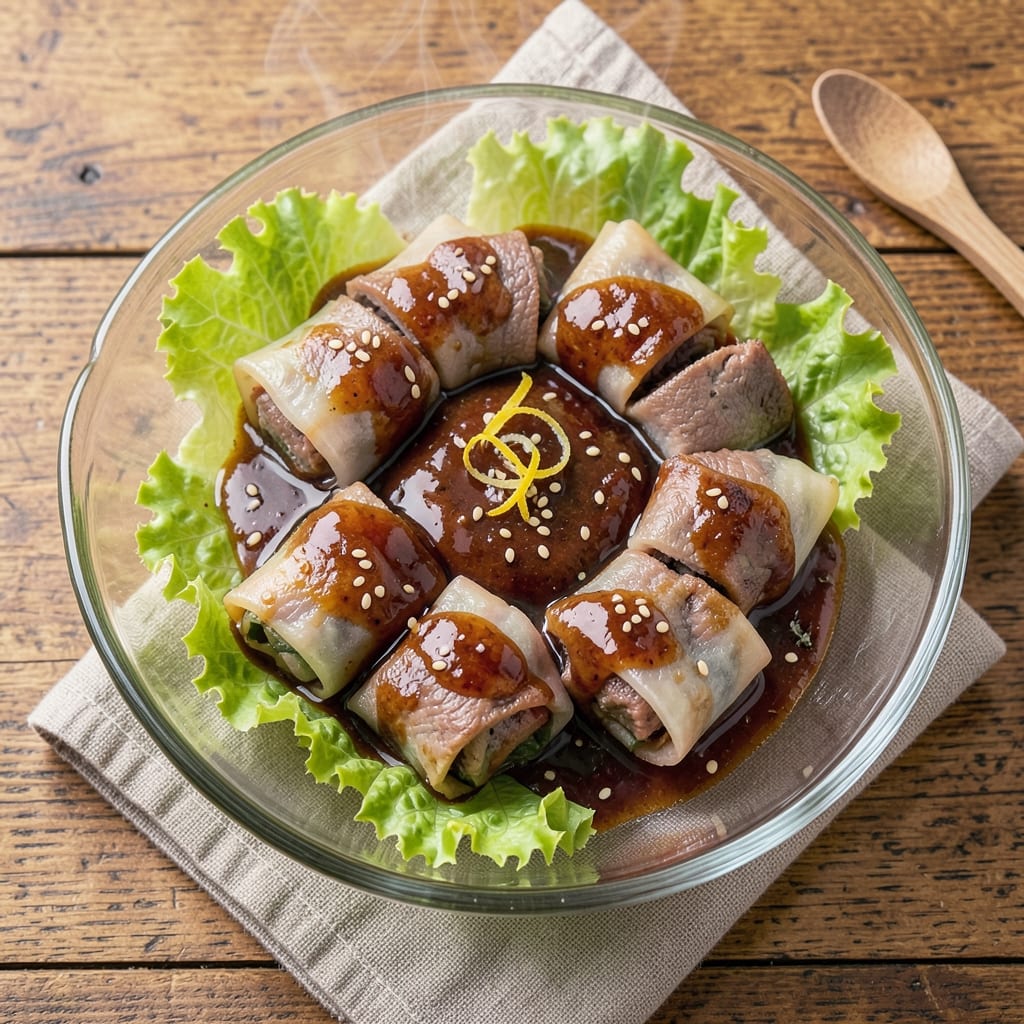
This Asian beef roll recipe delivers silky, flavor-packed bites wrapped in crisp lettuce or delicate rice paper—perfect for weeknight dinners or party appetizers. The secret lies in a sweet-chili marinade that tenderizes the beef while adding a sticky, umami-rich glaze, then a quick sear for that signature caramelized crunch. I developed this version after testing multiple regional styles, blending Vietnamese nem rán techniques with Thai-inspired sweetness for a universally crowd-pleasing result.
The beauty of this dish is its versatility—whether you're using butter lettuce leaves for a fresh crunch or rice paper for an authentic Vietnamese touch, the beef stays juicy and flavorful while the wrap adds just the right texture contrast. The marinade transforms tougher cuts like flank steak into melt-in-your-mouth perfection, and the pan-frying method ensures crispy edges without drying out the center. It's the kind of recipe that feels restaurant-quality but comes together in under 30 minutes of active prep.
What makes these rolls truly special is the balance of textures and flavors: tender beef, crisp wrapping, and a sweet-chili dipping sauce that ties everything together. Serve them as a main dish with steamed rice or as appetizers with fresh herbs and lime wedges. The technique is foolproof—even beginners can master the wrapping without fuss. Once you try these, store-bought options will never measure up again.
For added customization, swap in gluten-free rice paper or use tortillas for a fusion twist. The marinade works equally well with chicken or shrimp if you want to experiment. Let's get cooking—these rolls disappear faster than you can say bánh tráng!
Ingredients for asian beef roll
Pantry staples meet fresh Asian flavors for these irresistible, restaurant-style beef rolls.
| Ingredient | Amount | Notes |
|---|---|---|
| Flank Steak 🥩 | 1 lb | Thinly sliced against grain |
| Rice Paper Sheets 🍚 | 12 whole | Gluten-free if needed |
| Butter Lettuce Leaves 🥬 | 4 whole | For crisp wrapping |
| Hoisin Sauce 🍶 | ¼ cup | For marinade base |
| Soy Sauce 🥢 | ¼ cup | Low-sodium preferred |
| Fish Sauce 🧂 | 1 tbsp | Red Boat brand ideal |
| Brown Sugar 🍯 | 2 tbsp | Light or dark |
| Garlic Cloves 🧄 | 4 cloves | Minced for marinade |
| Fresh Ginger 🌿 | 1 tbsp | Grated, fresh preferred |
| Sesame Oil 🫒 | 1 tbsp | Toasted sesame oil |
| Vegetable Oil 🫒 | ½ cup | For pan-frying |
| Fresh Thai Basil 🌿 | ½ cup | Chopped, stems removed |
| Fresh Mint Leaves 🌿 | ¼ cup | Torn by hand |
| Lime Wedges 🍋 | 2 whole | For serving |
| Steamed Jasmine Rice 🍚 | 1 ½ cups | For serving |
The flank steak is your star here—look for well-marbled cuts at Whole Foods or your local Asian market. Thinly slicing against the grain ensures tender bites, and I always buy extra to make these for a crowd. Red Boat fish sauce is worth the splurge for that authentic umami punch, but any quality brand works. For rice paper, Vietnamese brands like Bánh Tráng are best—they're delicate and crisp up perfectly when fried. If you can't find them, gluten-free tortillas work in a pinch, though the texture won't be identical. The hoisin sauce? Grab the Lee Kum Kee version if you're near an Asian grocery store—it's sweeter and richer than the American brands.
No fish sauce? Extra soy sauce plus a dash of oyster sauce mimics the depth. Short on fresh herbs? Dried basil at half the amount works, but you'll miss that bright pop of color. The marinade can sit for up to 4 hours, so prep ahead if you're hosting. For the beef, slice it paper-thin—a sharp knife and patience are key. The sesame oil adds that signature nutty aroma, but if you're avoiding it, toasted sesame seeds sprinkled at the end give a similar vibe. And trust me on the rice paper—soak just one sheet at a time or they'll get soggy before you wrap them.
Marinated beef keeps 3 days in the fridge, sealed tightly. The rice paper stays fresh up to 1 week in a dry, airtight container—just separate the sheets with parchment. Fresh herbs? Wrap them in damp paper towels and store in a sealed bag for 3 days. These rolls reheat beautifully—20 seconds in a steamer basket revives that crisp texture. I always make double batches—they're gone in minutes, and leftovers reheat perfectly for lunches. For extra authenticity, serve with a side of sweet chili sauce for dipping, but the rolls taste amazing on their own too.
Why You'll Love This Recipe
- No-Fuss Assembly: Honestly, the hardest part is slicing the flank steak thin—everything else? Just layer, roll, and dip. No frying, no boiling, no stress. The rice paper sheets soften in seconds with warm water, and those butter lettuce leaves add a buttery crunch without extra work.
- Umami Bomb Combo: That hoisin and soy sauce marinade? It’s where the magic happens. The steak stays tender but packs a punch, and the sauce caramelizes just enough to make every bite addictive. (Yes, even on a Tuesday night.)
- Lunchbox Superstar: Between us, these rolls are my go-to for packed lunches or potlucks. They hold up for hours, stay fresh in the fridge, and the kids actually eat them—no complaints about soggy sandwiches here.
- Budget Meal Stretch: A single flank steak feeds four, and the other ingredients? Pantry staples. You’re looking at under $10 for a meal that feels fancy but costs next to nothing. Leftovers? Wrap them in foil and reheat—still delicious the next day.
Step-by-step instructions for silky Asian beef rolls
Here's how to create restaurant-quality beef rolls with tender meat and perfect wraps every time.
Marinate the Flank Steak for Maximum Tenderization
In a mixing bowl, combine the 0.25 cup hoisin sauce, 0.25 cup soy sauce, 1 tablespoon fish sauce, 2 tablespoons brown sugar, 4 cloves minced garlic, and 1 tablespoon grated fresh ginger. Whisk until the brown sugar dissolves completely and the marinade becomes smooth.
Place the 1 pound flank steak in a resealable plastic bag and pour the marinade over it. Gently massage the marinade into the meat, ensuring it coats all surfaces evenly. Seal the bag and refrigerate for at least 4 hours or overnight for best results. The acidity in the fish sauce and soy sauce will break down the muscle fibers, creating silky, fork-tender beef. When ready to cook, remove the steak from the fridge and let it sit at room temperature for 15 minutes before slicing.
Slice the Steak Thinly Against the Grain
Using a very sharp long knife, slice the flank steak thinly against the grain into strips about ¼-inch thick. The grain runs diagonally across the flank steak, and cutting against it shortens the muscle fibers, making each bite more tender. Arrange the sliced steak on a plate and cover with plastic wrap to prevent drying.
This is where precision matters most. If you slice with the grain, you'll end up with chewy beef rolls instead of the silky texture we're aiming for. Take your time and make clean, even cuts. You should have enough for about 4 slices per roll when assembled.
Prepare the Rice Paper Wraps
Fill a large shallow bowl with warm water (about 100°F). This is crucial—cold water makes the rice paper brittle and difficult to work with. Dip one rice paper sheet at a time into the water for about 10-15 seconds until pliable but still slightly firm. Lift it out and let the excess water drip off for a few seconds before working.
Lay the softened rice paper on a clean work surface. Place 1 whole butter lettuce leaf near the bottom third of the sheet. Add about 4 slices of the marinated steak in a horizontal line about 1 inch from the bottom edge. This positioning ensures the lettuce stays crisp and the meat stays centered when rolled.
Assemble and Roll the Beef Rolls
Fold the bottom edge of the rice paper over the lettuce and meat, then fold in the sides about ½ inch toward the center. This creates a neat, compact roll. Starting from the bottom, gently roll the rice paper tightly around the filling, using your fingers to guide it. You should end up with a firm, cylindrical roll that holds its shape.
Repeat with the remaining rice paper sheets and steak slices. For best results, work with one roll at a time to maintain the rice paper's pliability. If a roll feels too loose, it may unravel when served. Press gently as you roll to ensure everything stays contained.
Pan-Fry for a Golden Crisp and Garnish
Heat 0.5 cup vegetable oil in a large skillet over medium heat until it shimmers but doesn't smoke. Add the assembled rolls and fry for 1-2 minutes per side until they develop a golden brown color. The oil should sizzle gently—if it's too hot, the rice paper will burn before browning properly.
Transfer the fried rolls to a paper towel-lined plate to drain excess oil. While still warm, sprinkle each roll with 1 tablespoon toasted sesame oil and top with a mixture of 0.5 cup chopped fresh Thai basil and 0.25 cup torn fresh mint leaves. Serve immediately with the 1.5 cups steamed jasmine rice and the 2 whole lime wedges on the side for squeezing.
Pro Tips For Making Asian Beef Roll
- Slice Against the Grain: Flank steak’s muscle fibers run long, and cutting them the wrong way turns your rolls into chewy rubber bands. After cooking, slice perpendicular to the grain—you’ll see the fibers run horizontally, so cut vertically. I used to ignore this and wondered why my rolls felt like eating a shoe.
- Soak Rice Paper Right: Dump the sheets in a shallow bowl of warm water for 10-15 seconds—longer than you think. Cold water makes them brittle; hot water turns them to mush. Dip, pat dry with a paper towel, then work fast—they stiffen in seconds. I learned this after watching my first batch curl into useless parchment.
- Marinate for 20 Minutes: Tossing flank steak in hoisin and soy sauce for 5 minutes won’t cut it. Let it sit for at least 20 minutes—preferably in the fridge—to tenderize the meat and let flavors sink in. I used to rush this, and the beef always tasted flat. Trust me, the wait makes the roll.
- Use Lettuce as a Crutch: Butter lettuce wilts under hoisin’s weight, so wrap it first—lay a leaf flat, add filling, then roll tightly. If the rice paper cracks, don’t panic: just overlap the edges like a burrito. It’s not pretty, but it holds. I skipped this once and ended up with a pile of fillings on my plate.
Best sauces and condiments for these flavors
Sweet-Chili Dipping Sauce
This tangy, slightly spicy sauce is my go-to for these beef rolls—it cuts through the richness and adds a bright finish. Mix ½ cup sweet chili sauce (like Mae Ploy or Sriracha for heat) with 1 tablespoon lime juice and 1 teaspoon honey. Thin with 1-2 teaspoons water if needed for dipping consistency. Serve in a small bowl with lime wedges for squeezing. 🌶️
Spicy Peanut Sauce
For a nutty, umami-packed alternative, blend ¼ cup creamy peanut butter, 2 tablespoons soy sauce, 1 tablespoon sriracha, 1 tablespoon lime juice, and 1 teaspoon brown sugar. Thin with 2-3 tablespoons warm water until smooth. This sauce pairs perfectly with the crispy rolls and adds protein-rich depth. 🥜
Quick Garlic-Lime Aioli
Whisk together ½ cup mayonnaise, 1 tablespoon lime zest, 2 tablespoons lime juice, 2 minced garlic cloves, and ½ teaspoon chili flakes. The zesty garlic balances the beef’s richness and adds a creamy contrast. Store in an airtight container for up to 3 days in the fridge. ✨
Fresh Herb-Lime Dressing
Toss ½ cup chopped cilantro, ¼ cup Thai basil, 2 tablespoons lime juice, 1 tablespoon fish sauce, and 1 teaspoon honey in a bowl. Let sit for 10 minutes to meld flavors before serving. This light dressing brightens each bite and highlights the beef’s tenderness. 🌿
Sesame-Ginger Glaze
Simmer 2 tablespoons soy sauce, 1 tablespoon honey, 1 tablespoon toasted sesame oil, 1 teaspoon grated ginger, and 1 minced garlic clove for 3-4 minutes until thickened. Drizzle over the rolls before serving for a glossy, aromatic finish. This glaze elevates the dish to restaurant-quality. 💛
Nutrition facts
Frequently asked questions
Can I use regular tortillas instead of rice paper?
Yes, but the texture will differ! Regular flour tortillas work in a pinch, but they won't be as delicate or crispy. For a closer match, use gluten-free tortillas (like corn or rice-based) and reduce frying time to 30 seconds per side to prevent sogginess. The flavor will still shine, though!
How do I fix beef that's too chewy?
Chewy beef usually means slicing with the grain. Next time, slice against the grain (perpendicular to the muscle fibers) for tender results. If already cooked, try reheating in a pan with 1 tablespoon soy sauce and 1 teaspoon honey for 2 minutes to add moisture and flavor.
What's the best way to store leftovers?
Store cooked rolls in an airtight container for up to 3 days. Reheat in a steamer basket for 2-3 minutes to restore crispness. For longer storage, freeze uncooked assembled rolls (before frying) for 1 month—just pan-fry from frozen, adding 30 seconds per side.
Can I make these gluten-free?
Use gluten-free rice paper and verify all sauces (hoisin, soy) are certified gluten-free. For extra safety, swap regular rice for cauliflower rice when serving. The beef marinade remains naturally gluten-free as written.
What's the secret to crispy rice paper?
Three keys: warm water (not hot!), quick frying at medium heat, and draining on paper towels. Overcrowding the pan steams instead of crisps—fry in batches if needed. A light spray of oil after frying adds extra shine!