
Main Courses
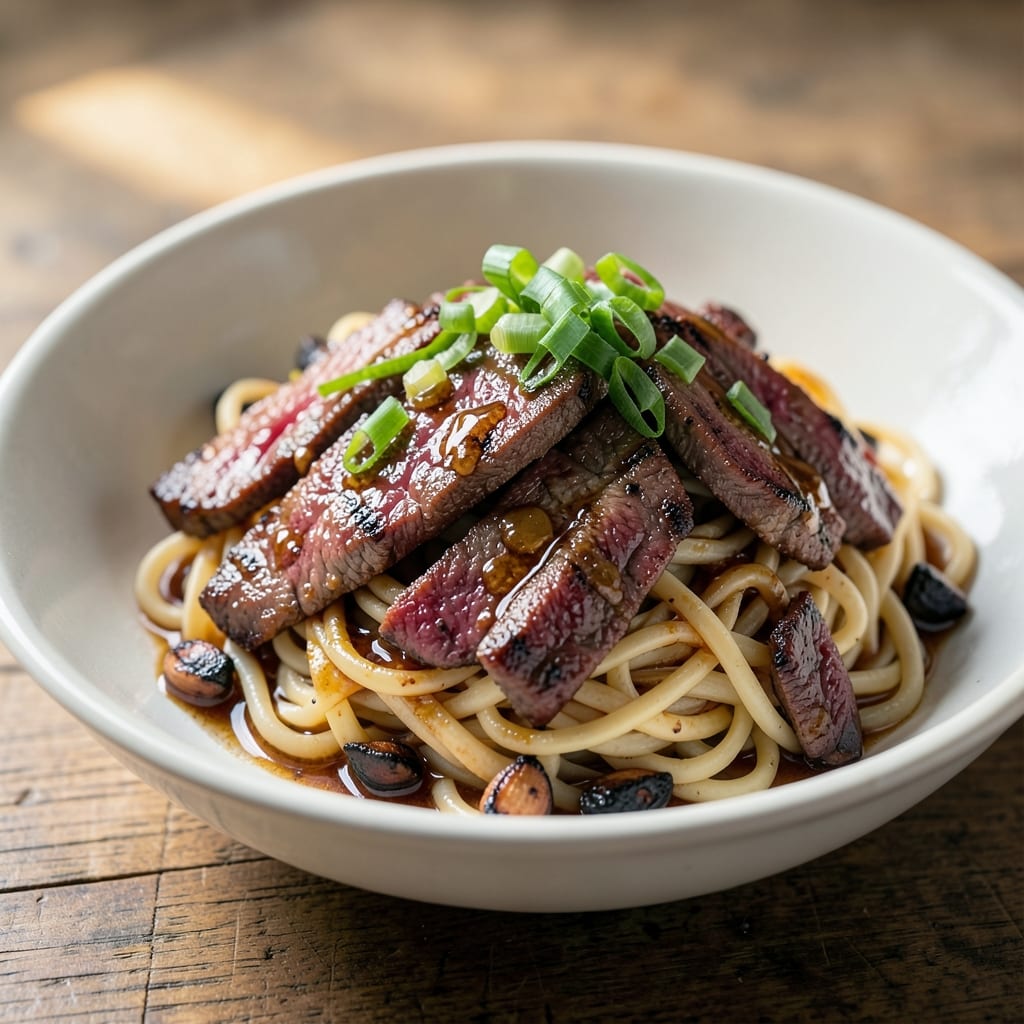
This Asian beef stir fry recipe with noodles delivers restaurant-quality flavor in just 20 minutes—no takeout required. 🔥 After years of testing wok techniques in my tiny Boston kitchen, I've perfected the balance of tender beef, chewy noodles, and a sauce that's both sweet and savory. The secret lies in high-heat searing and quick cooking, which locks in juices while building deep umami flavors through garlic, ginger, and a touch of sesame oil.
What sets this recipe apart is the marinating technique that transforms tough cuts into fork-tender strips, paired with egg noodles that absorb the flavorful sauce perfectly. I use a simple soy-ginger base with a splash of rice vinegar for brightness, then finish with toasted sesame seeds for that signature crunch. The best part? You can customize it with spicy chili oil, extra garlic, or even a drizzle of honey for a modern twist.
By the time you're done, you'll have a wok-seared dish with perfectly caramelized beef, glossy noodles coated in rich sauce, and a fragrant aroma that fills your kitchen. The texture contrast—crispy edges on the beef, tender noodles, and that satisfying crunch from sesame seeds—makes every bite worth the effort. This is the kind of meal that transforms a weeknight into a flavor adventure without the fuss.
Whether you're feeding a family or meal prepping for the week, this recipe scales beautifully while keeping prep simple. The ingredients are pantry staples, and the technique is straightforward enough for beginners but impressive enough for dinner guests. Let's get cooking!
Ingredients for asian beef stir fry recipe with noodles
Pantry staples meet wok magic for this restaurant-quality Asian beef stir fry.
| Ingredient | Amount | Notes |
|---|---|---|
| Flank Steak 🥩 | 1 ½ lb | Thinly sliced against grain |
| Egg Noodles 🍜 | 8 oz | Fresh or dried, uncooked |
| Soy Sauce 🥄 | ½ cup | Low-sodium preferred |
| Rice Vinegar 🍶 | 2 tbsp | Seasoned preferred |
| Sesame Oil 🫒 | 1 tbsp | Toasted, for aroma |
| Garlic Cloves 🧄 | 6 cloves | Minced, fresh preferred |
| Fresh Ginger 🌿 | 1 tbsp | Grated, peeled |
| Honey 🍯 | 1 tbsp | For sweet-savory balance |
| Vegetable Oil 🫒 | 2 tbsp | High smoke point |
| Toasted Sesame Seeds 🥜 | 1 tbsp | For garnish |
| Green Onions 🧅 | 3 whole | Sliced, for garnish |
| Red Chili Flakes 🌶️ | ½ tsp | Adjust to spice preference |
| Salt 🧂 | 1 tsp | Kosher or sea salt |
| Black Pepper 🌶️ | ½ tsp | Freshly ground |
The flank steak is your secret weapon here—thinly sliced against the grain for tender bites. Ask your butcher to slice it if you're not comfortable with a sharp knife, or freeze it for 30 minutes before slicing for easier handling. I grab mine from Whole Foods because their cuts are consistently tender, but any quality grocery store carries flank steak. Look for bright red color and good marbling—this means juicier meat. For extra tenderness, pound the steak lightly with a meat mallet before slicing, but don't skip this step if you're short on time.
No sesame oil? Toasted peanut oil works in a pinch, though the flavor will differ slightly. The honey adds that signature sweet-savory balance, but if you're avoiding sugar, maple syrup at half the amount keeps things vegan-friendly. Fresh ginger is ideal, but ground ginger at one-third the amount gets you close. For extra umami, add a splash of fish sauce (if not avoiding it) or a dash of miso paste to the sauce. The egg noodles can be swapped for rice noodles if you prefer, but they won't absorb the sauce quite as well. Pro tip: Cook the noodles al dente—they'll finish cooking in the hot wok.
Prep the sauce first—it only takes 2 minutes to whisk together. The beef cooks in under 5 minutes, so keep it ready to go while your wok heats. Store leftovers in airtight containers for up to 3 days, but the flavors actually improve overnight as everything melds. For meal prep, portion the sauce separately and toss with noodles and beef when reheating. The sesame seeds and green onions are best added fresh when serving, but if you're prepping ahead, store them separately and sprinkle on top just before eating for maximum crunch.
Why You'll Love This Recipe
- No Chopping Nightmare: I slice the flank steak against the grain—that’s it—no dicing, no fuss. The noodles cook in boiling water while the beef sizzles, and suddenly, dinner’s ready before the kids even notice.
- Umami Bomb: That first bite? Soy sauce and rice vinegar together on the beef—salty, tangy, with a whisper of sesame oil—wakes up every flavor. The egg noodles soak it all up like a sponge, but somehow still stay al dente. Honestly, it’s the kind of dish that makes you pause mid-bite.
- Lunchbox Hero: Double the batch, and you’ve got tomorrow’s lunch sorted. Cold or reheated, the noodles hold up (better than takeout, I swear), and the beef stays tender. My kids pack it in bento boxes—no complaints, just empty containers.
- Budget Power Move: Flank steak stretches across two meals, and the pantry staples (soy, vinegar, sesame oil) cost pennies. I’ve fed four people for under $15 with this—leftovers or not, it’s always a win. (Yes, even on a Tuesday night.)
Step-by-step instructions for wok-seared Asian beef stir fry
Here's how to transform simple ingredients into a restaurant-quality stir fry with perfect wok hei and tender beef.
🔥 Step 1: Prep the Flank Steak for Maximum Tenderness
Start by slicing the 1.5 lb flank steak thinly against the grain using a sharp knife. I like to cut it into ¼-inch thick strips—this ensures each bite is tender and melts in your mouth. Place the sliced steak in a bowl and season immediately with 1 tsp salt and 0.5 tsp black pepper. Let it sit for 10 minutes at room temperature while you prep the rest.
This resting time is crucial—it prevents the steak from cooking unevenly. While it marinates, mince the 6 cloves garlic and grate the 1 tbsp fresh ginger using a microplane. Here's the thing—fresh ginger adds depth that powdered can't match, and minced garlic burns faster, so we'll add it at the right moment to preserve its aroma.
🍳 Step 2: Cook the Noodles Al Dente
Bring a pot of water to a rolling boil and cook the 8 oz egg noodles for 2 minutes less than the package instructions suggest. I know it seems counterintuitive, but we want them al dente so they finish cooking in the hot wok. Drain and rinse briefly with cold water to stop the cooking process, then toss with 1 tbsp sesame oil to prevent sticking.
Here's where it gets fun—set the noodles aside and keep them covered. The residual heat will help them finish cooking perfectly when we toss everything together later. While they rest, we'll build the sauce and sear the beef separately for maximum flavor impact.
🔥 Step 3: Sear the Beef with High Heat
Heat a wok or large skillet over high heat until it's smoking hot. Add 2 tbsp vegetable oil and swirl to coat the surface. Working in batches (don't overcrowd!), add the seasoned steak strips and sear for 1-2 minutes per side until they're deep brown and just cooked through. Remove and set aside on a plate.
This high-heat sear creates that signature wok hei—smoky aroma and crisp edges. If your pan isn't hot enough, the beef will steam instead of sear. I press down gently on the strips during the first minute to prevent curling, which ensures even contact with the pan. Don't walk away—beef cooks fast at this temperature!
🥘 Step 4: Build the Flavor-Packed Sauce
In the same wok, reduce heat to medium and add the minced garlic and grated ginger. Cook for 30 seconds until fragrant—you should smell that fresh, pungent aroma. Add 0.5 cup soy sauce, 2 tbsp rice vinegar, 1 tbsp honey, and 0.5 tsp red chili flakes. Stir constantly for 1 minute until the sauce begins to bubble and thicken slightly.
This is where the magic happens—the soy sauce caramelizes just enough to deepen the flavor, while the honey adds that perfect sweet-savory balance. If the sauce looks too thick, add 1-2 tablespoons of water to loosen it. The goal is a glossy, clingy sauce that coats every strand of noodle and bite of beef.
🍽️ Step 5: Combine and Finish with Crunchy Garnishes
Return the seared beef to the wok along with the cooked noodles. Toss everything vigorously for 2 minutes until the noodles are fully coated and heated through. The residual heat from the wok will finish cooking the noodles perfectly while infusing them with the beef's juices and sauce.
Divide the stir fry among plates and garnish with sliced 3 whole green onions and 1 tbsp toasted sesame seeds. The sesame seeds add that essential crunch and nutty aroma that elevates the dish. Serve immediately while the noodles are hot and the wok hei aroma is still strong—this dish doesn't wait!
Pro Tips For Making Asian Beef Stir Fry Recipe With Noodles
- Slice Against the Grain: Flank steak’s tough fibers run long—cutting perpendicular to them turns chewy meat into tender strips. Grab a sharp knife and angle it at 45 degrees to the grain, then slice thinly. I learned this the hard way after serving a batch where the noodles were perfect but the beef felt like shoe leather.
- Par-Cook the Noodles: Egg noodles finish fast in stir-fries, but they’ll turn mushy if you wait. Boil them just until al dente (about 2 minutes less than package time), then shock in ice water. Drain and toss with a drizzle of sesame oil so they’re ready to toss in when the beef hits the pan—no waiting for a second cook.
- Salt the Soy Sauce: Store-bought soy sauce is already salty, and adding extra salt to the stir-fry will make it taste flat. Mix 1 tablespoon soy sauce with 1 teaspoon rice vinegar plus a pinch of salt (yes, even if the soy sauce says “low sodium”)—it balances the acid and cuts through the richness.
- High Heat, Low Crowd: Crank the wok or skillet to screaming hot before adding the beef, then resist the urge to stir constantly. Let the steak sear in undisturbed patches for 30 seconds—this builds a crust that locks in flavor. After the first minute, toss with the noodles and keep moving, but don’t rush the initial sear.
Essential equipment for this dish
Wok Essentials
A carbon steel wok is my top recommendation for authentic stir-fry results—it heats up fast and retains heat beautifully. I use a 14-inch wok from Made In because it's affordable and performs like a pro. If you don't have a wok, a heavy-bottomed cast iron skillet (like my trusty Lodge) works perfectly too. Just make sure it's large enough to hold all ingredients without overcrowding. 🔥
High-Heat Tools
For the high-heat searing, I rely on a tongs set (I love the OXO Good Grips) to toss the beef quickly without piercing it. A microplane for ginger and garlic is a game-changer—it creates fine, fragrant zest that blends seamlessly into the sauce. Don't skip this tool if you want restaurant-quality flavor. For stirring the sauce, a heat-resistant silicone spatula (like Epicurean) is perfect for scraping up every last bit of flavor.
Noodle Prep Gear
Cooking noodles perfectly requires a fine-mesh strainer to drain them quickly and a large pot that can hold boiling water for the noodles. I use a stainless steel colander from Cuisinart because it's durable and rinses clean easily. For the al dente timing, a kitchen timer (I keep a TimerTrak on my stove) ensures you don't overcook the noodles—this is crucial for that perfect texture.
Marinating Must-Haves
A sharp chef's knife and cutting board are essential for slicing the flank steak against the grain. I use a Victorinox 8-inch because it stays sharp longer. For marinating, a glass mixing bowl (like Pyrex) lets you see the beef absorb the seasoning. A meat mallet (optional but helpful) tenderizes the steak further—just 5-10 gentle taps before slicing makes all the difference.
Sauce Building Tools
Whisking the sauce together requires a small whisk (I prefer Norpro's silicone-coated one) to avoid scratching non-stick pans. A measuring spoon set (like OXO's) keeps your ratios precise. For adjusting the sauce, a small ladle helps add water gradually. Pro tip: Keep a small bowl nearby to mix any extra sauce or garnishes before plating.
Garnish Finishing
Toasted sesame seeds need a small skillet or dry pan to achieve that perfect nutty aroma. I use a non-stick pan to prevent burning. For slicing green onions, a sharp paring knife works best. A small bowl for holding garnishes keeps everything organized while you plate. The final touch—sprinkling sesame seeds and green onions—elevates the dish from good to restaurant-quality. ✨
Nutrition facts
Frequently asked questions
Can I use a different cut of beef instead of flank steak?
Sirloin or ribeye work beautifully—just slice them thinly against the grain for tenderness. For leaner options, flank steak is ideal, but skirt steak adds extra flavor. Avoid tough cuts like chuck roast, as they won't become tender enough in the quick stir-fry time.
How do I prevent the beef from getting chewy?
Slice the beef ¼-inch thick against the grain—this is the #1 rule! Also, sear it at high heat for just 1-2 minutes until browned but still slightly pink inside. Overcooking is the enemy. Let the beef rest 5 minutes after cooking to redistribute juices before tossing with noodles.
What's the best way to make this vegetarian?
Swap the beef for extra-firm tofu (pressed and cubed) or mushrooms (shiitake or oyster). For texture, pan-fry tofu until crispy first. Boost umami with 1 tbsp miso paste in the sauce. The noodles will still absorb the flavorful sauce perfectly—just add 1 tsp cornstarch to thicken since plant proteins don't release as much liquid.
Can I make this ahead of time?
Yes! Cook the beef and noodles separately, then store in airtight containers for up to 3 days. Reheat gently in a skillet with 1 tsp sesame oil to revive the flavors. For best texture, add fresh sesame seeds and green onions when serving. The sauce can be pre-made and stored separately for up to 1 week.
Why does my stir fry taste bland?
Most likely, your wok wasn't hot enough—heat it until smoking before searing. Also check your sauce: reduce it by 25% to concentrate flavors. Add 1 tsp fish sauce (if not avoiding) or ½ tsp MSG for umami depth. Fresh garlic and ginger are non-negotiable—don't substitute with powder. Taste as you go!