
Sauces & Condiments
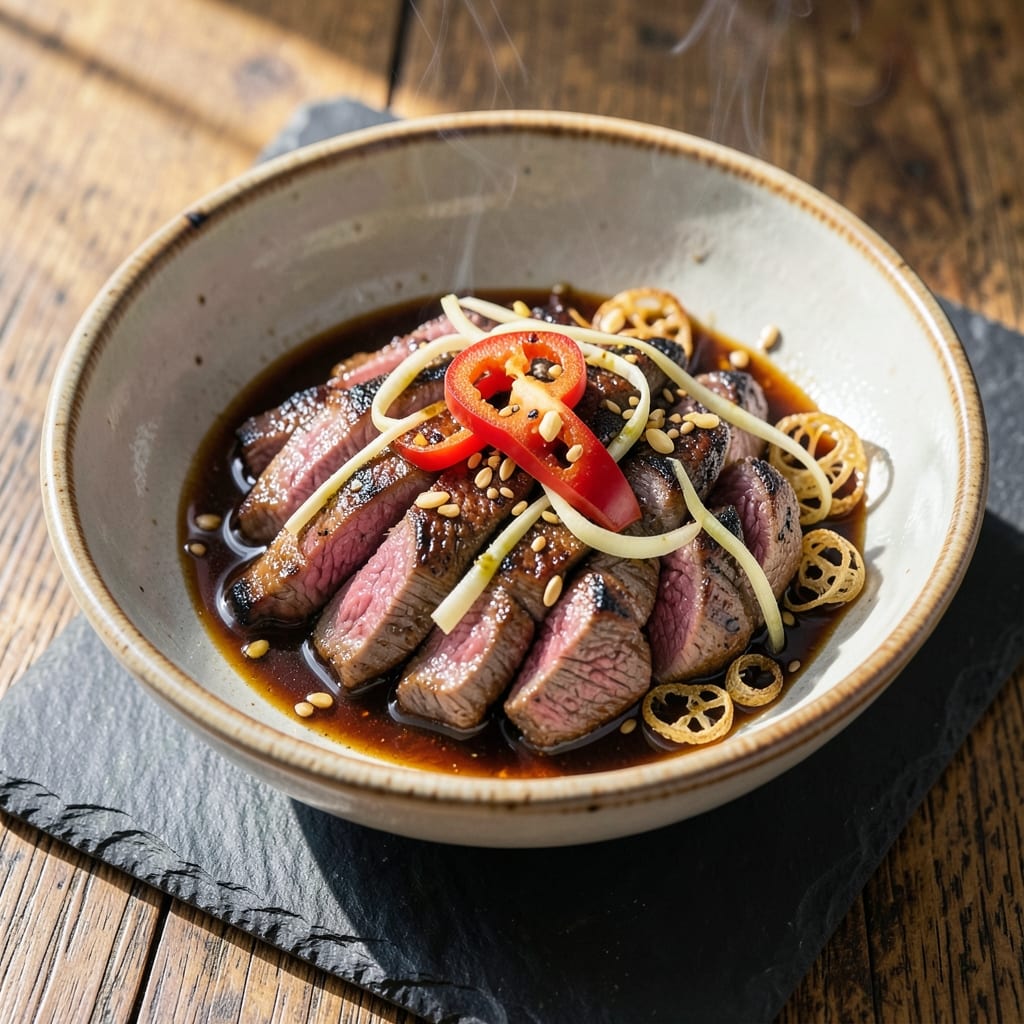
This Asian beef stir-fry sauce recipe transforms simple pantry staples into a umami-rich, deeply flavorful sauce that elevates any dish. The magic lies in balancing soy sauce, garlic, and ginger—three ingredients that create a foundation so versatile it works in stir-fries, marinades, and even as a dipping sauce. No fancy techniques required, just a few minutes of prep for a sauce that tastes like it came from a wok-side chef.
The key to this homemade blend is simplicity without compromise. We’re skipping store-bought shortcuts to build flavor from scratch—toasted garlic and ginger add depth, while a touch of sugar or honey rounds out the profile. Optional additions like oyster sauce, chili paste, or sesame oil let you customize it to your taste, whether you’re leaning traditional or modern. The result? A smooth, glossy sauce that clings to beef, vegetables, or noodles with perfect balance.
What makes this sauce truly special is its adaptability. Use it immediately to coat stir-fried beef for a restaurant-quality meal, or store it in the fridge for up to a week—its flavors only deepen over time. The 3-ingredient base ensures you’re never stuck with a pantry full of single-use sauces, and the process is foolproof for cooks of all levels. No more guessing which bottled sauce will work; this is your go-to for bold, authentic flavor.
Once you master this blend, you’ll never reach for the store-bought version again. The homemade difference is in the layers of flavor—savory, slightly sweet, with a hint of heat—that transform basic ingredients into something extraordinary. Let’s get started on a sauce that will change how you cook forever.
Ingredients for asian beef stir fry sauce
Pantry staples meet wok-side flavor—three core ingredients transform into a sauce that rivals restaurant quality.
| Ingredient | Amount | Notes |
|---|---|---|
| Soy Sauce 🍶 | ½ cup | Light or dark variety preferred |
| Fresh Garlic Cloves 🧄 | 4 cloves | Toasted in oil for depth |
| Fresh Ginger Root 🌿 | 1 tbsp | Finely grated, skin removed |
| Granulated Sugar 🍯 | 1 tbsp | Or honey/maple syrup for depth |
| Cornstarch 🌾 | 1 tsp | For thickening sauce |
| Sesame Oil 🫒 | 1 tbsp | Toasted for aroma (optional) |
| Oyster Sauce 🦪 | ½ cup | Vegan alternative if needed |
| Red Chili Flakes 🌶️ | ½ tsp | Adjust for heat preference |
| Water 💧 | ¼ cup | For thinning consistency |
| Rice Vinegar 🍶 | 1 tbsp | Balances umami flavors |
The soy sauce is your flavor anchor—light soy for brightness, dark soy for depth. Grab Kikkoman or Lee Kum Kee for reliability, but any quality brand works. Fresh ginger and garlic are non-negotiable; pre-minced jarred versions lack punch. Toast them in oil for 30 seconds until fragrant—this step unlocks the sauce's complexity. Sesame oil adds aroma but can overpower if overused; start with 1 tbsp and adjust to taste. For the oyster sauce, Lee Kum Kee is the gold standard, but vegan oyster sauce works equally well.
No sesame oil? Toasted peanut oil or avocado oil works in a pinch. Skip the oyster sauce? Mushroom sauce or extra soy sauce bridges the gap. The chili flakes can be swapped for gochujang (1 tbsp) for fermented heat. Honey or maple syrup replaces sugar if you prefer liquid sweeteners. For a nutty finish, add 1 tsp toasted sesame seeds at the end. The cornstarch slurry (mix with 1 tbsp water) is key—stirring constantly prevents lumps. If the sauce thickens too much, water or beef broth thins it to your liking.
This sauce keeps 1 week refrigerated in an airtight jar, with flavors deepening over time. For longer storage, freeze in ice cube trays—thaw and stir before use. Double the batch; it disappears fast. Reheat gently on low heat to avoid skin formation. The toasted garlic and ginger can be prepped ahead and stored in the freezer for 3 months. Always taste as you go—adjust soy, sugar, or vinegar to balance umami, sweetness, and acidity perfectly.
Why You'll Love This Recipe
- Pantry Magic: I keep this sauce in my fridge like a secret weapon—just soy sauce, garlic, and ginger. No fancy shopping trips, no last-minute scrambles. Honestly, I’ve made it with whatever was already there, and it still delivers every time.
- Umami Bomb: That crispy garlic-ginger combo? It’s the star. The sugar cuts through the salt just enough, while the cornstarch gives it that glossy, clingy finish—like a hug for your beef. Between us, it’s the kind of sauce that makes takeout feel like a letdown.
- Weeknight Workhorse: This stuff works for stir-fries, noodles, even dumplings. I’ve drizzled it on leftover rice when I forgot to eat lunch, and it saved the day. Plus, it doubles easily—so if you’re feeding a crowd or meal prepping, you’re covered without extra fuss.
- Budget-Friendly Boost: A splash of soy sauce and a pinch of sugar? That’s it for the heavy hitters. I’ve stretched this sauce over cheap cuts of beef, and it turns them into something restaurant-worthy. Not the prettiest, but the taste makes up for it—and my wallet thanks me.
Step-by-step instructions for Asian beef stir fry sauce
Here's how to craft a restaurant-quality sauce with just a few simple steps and bold flavors.
Toast the Aromatics for Maximum Depth
Heat the 1 tablespoon sesame oil in a small saucepan over medium heat. Add the 4 cloves fresh garlic cloves and 1 tablespoon finely grated fresh ginger root, stirring constantly for 1-2 minutes until the garlic turns golden and fragrant. This toasting step develops complex, nutty notes that elevate the entire sauce.
Watch carefully—garlic burns quickly. As soon as you smell that rich, toasty aroma (about 30 seconds after color change), immediately remove from heat. The residual heat will continue cooking the aromatics, so don't let them sit too long. Transfer the toasted mixture to a bowl and set aside.
Build the Sauce Base with Umami Bombs
In the same saucepan (no need to clean it—those flavorful bits matter), combine the 0.5 cup soy sauce, 0.5 cup oyster sauce, and 1 tablespoon granulated sugar. Bring to a gentle simmer over medium-low heat, stirring occasionally for 3-4 minutes until the sugar dissolves completely. The mixture should reduce slightly and develop a glossy sheen.
Here's where the magic happens: the soy sauce provides the salty backbone, while oyster sauce adds that signature umami richness. The sugar balances the acidity and creates a subtle caramelization. Stir in the 1 tablespoon rice vinegar and 0.5 teaspoon red chili flakes, then return the toasted garlic-ginger mixture to the pan.
Thicken and Finish with Precision
In a small bowl, whisk together the 1 teaspoon cornstarch with the 0.25 cup water until smooth. Slowly pour this slurry into the simmering sauce while stirring constantly. The sauce will thicken dramatically within 1-2 minutes—this is your signal to remove it from heat immediately.
Taste and adjust seasoning: add a pinch more sugar if it's too salty, or a splash more water if it's too thick. The perfect consistency should coat the back of a spoon but still be pourable. Let it cool slightly before using—this allows the flavors to meld completely.
Rest and Store for Optimal Flavor
Transfer the sauce to a clean jar and let it sit at room temperature for 15-20 minutes. This resting period allows the cornstarch to fully set and the flavors to develop their full complexity. The sauce will thicken further as it cools, so don't be alarmed if it appears slightly too thick after resting.
For best results, store in the refrigerator for up to 1 week or freeze for 3 months. When ready to use, gently reheat in a saucepan over low heat with a splash of water if needed to reach your desired consistency. This sauce keeps beautifully and tastes even better after a day or two as the flavors mature.
Pro Tips For Making Asian Beef Stir Fry Sauce
- STIR-FRY SAUCE FIRST: DESCRIPTION: Don’t toss the sauce ingredients into the pan raw—start by blooming garlic and ginger in a dry pan for 30 seconds. That toasty aroma? It’s the foundation of flavor. I learned this the hard way when my sauce tasted flat until I realized I’d skipped this step.
- MINCE GINGER FINE: DESCRIPTION: Use a microplane or knife to shred ginger into tiny, almost invisible pieces. Big chunks won’t dissolve, leaving you with a sauce that’s more like a garnish than a cohesive flavor bomb. (Yes, even if you’re impatient like me.)
- WHISK CORNSTARCH WET: DESCRIPTION: Mix the cornstarch with a splash of cold water or soy sauce before adding it to the pan—this prevents clumping and ensures your sauce thickens smoothly. I’ve seen too many lumpy sauces to risk it now.
- LOW AND SLOW FINISH: DESCRIPTION: Once the sauce starts thickening, drop the heat to medium-low and let it simmer for 30 seconds. Rushing it turns the sauce gluey; letting it mellow out gives it that glossy, restaurant-quality sheen. (Your future self will thank you.)
Flavor customization for this asian beef stir fry sauce
Sweet & Tangy Twist
Swap the sugar for 1 tbsp honey and add 1 tbsp rice vinegar to create a bright, floral profile that pairs beautifully with beef. I find this version works especially well with flank steak or ribeye—the natural sweetness of the honey caramelizes slightly when cooked, adding depth. For extra brightness, finish with a splash of mirin (just ½ tbsp) to balance the umami. This variation feels like a cross between traditional stir-fry and teriyaki, but with more complexity. 🍯
Spicy & Smoky Kick
Transform this sauce into a fiery, smoky bomb by adding 1 tbsp gochujang (Korean chili paste) and ½ tsp smoked paprika. The gochujang brings fermented depth while the paprika adds a subtle woodiness that complements beef perfectly. For an extra layer, toast ½ tsp cumin seeds in the sesame oil before adding garlic and ginger—their nutty aroma cuts through the heat. This version shines in beef bulgogi or as a dipping sauce for grilled beef skewers. 🌶️
Creamy Coconut Fusion
Give your sauce a tropical twist by stirring in 2 tbsp coconut milk (full-fat for richness) and ½ tsp turmeric. The coconut milk adds a velvety texture that contrasts beautifully with the umami, while turmeric introduces earthy warmth. This works surprisingly well with beef short ribs or stir-fried beef and pineapple. For extra decadence, finish with toasted coconut flakes—just sprinkle 1 tsp on top before serving. The contrast of creamy-savory with spicy-sweet is pure magic. 🥥
Umami Bomb Upgrade
Take your sauce to next-level depth by adding 1 tbsp fish sauce (like Red Boat) and 1 tsp miso paste. The fish sauce amplifies the umami explosion, while miso adds a fermented richness that makes this sauce taste like it simmered for hours. For beef lovers, this version is a game-changer—especially with beef tenderloin or beef and broccoli. If you're avoiding fish sauce, 1 extra tbsp oyster sauce works just as well. Trust me, your taste buds will thank you. 🦞
Herb-Infused Freshness
Brighten up the sauce with 1 tbsp chopped cilantro and 1 tsp lime zest for a vibrant, herbaceous profile. The cilantro adds freshness that cuts through the richness, while lime zest introduces a citrusy tang. This version pairs perfectly with beef lettuce wraps or grilled beef salad. For extra green power, blend in ½ cup fresh basil at the end—it adds a sweet, anise-like note that’s surprisingly delicious. Garnish with extra cilantro before serving for a pop of color. 🌿
Nutrition facts
Frequently asked questions
Can I make this sauce without cornstarch?
Yes, but the texture will be thinner. For a naturally thickened version, replace the cornstarch with 1 tbsp tomato paste or 1 tsp arrowroot powder mixed with 2 tbsp water. Alternatively, simmer the sauce uncovered for 5-7 minutes to reduce it naturally—just stir frequently to prevent sticking. The flavor will be slightly different but still delicious.
How do I adjust the heat level?
Start with 0.5 tsp red chili flakes for mild heat, then increase to 1 tsp for medium, or 1.5 tsp for spicy. For extra heat, add ½ tsp chili garlic sauce or a pinch of cayenne pepper. For smoky heat, swap chili flakes with ½ tsp smoked chili powder. Always taste before using—you can reduce heat by adding more soy sauce or honey.
Can I use this sauce for other proteins?
This sauce works beautifully with chicken, pork, tofu, or seafood. For poultry, reduce the soy sauce slightly (0.4 cup) to avoid overpowering the flavor. With seafood, add ½ tsp white pepper and reduce chili to 0.25 tsp. The umami base remains versatile—just adjust saltiness and sweetness to match your protein.
Why does my sauce taste too salty?
Too much soy or oyster sauce causes saltiness. To fix it, add 1 tbsp honey or rice vinegar (both dilute saltiness while adding balance). If the sauce is already thickened, thin it with 1-2 tbsp water and taste again. For prevention, start with 0.4 cup soy sauce and build flavor with aromatics and sweetness before adding more salt.
How long can I store this sauce?
Store in an airtight container in the fridge for up to 1 week—flavors deepen over time! For longer storage, freeze in ice cube trays (thaw in fridge). The sauce thickens when cold—reheat gently with 1 tbsp water per ½ cup sauce. If it separates, whisk vigorously or add 1 tsp water while reheating. Never refreeze thawed sauce.