
Main Courses
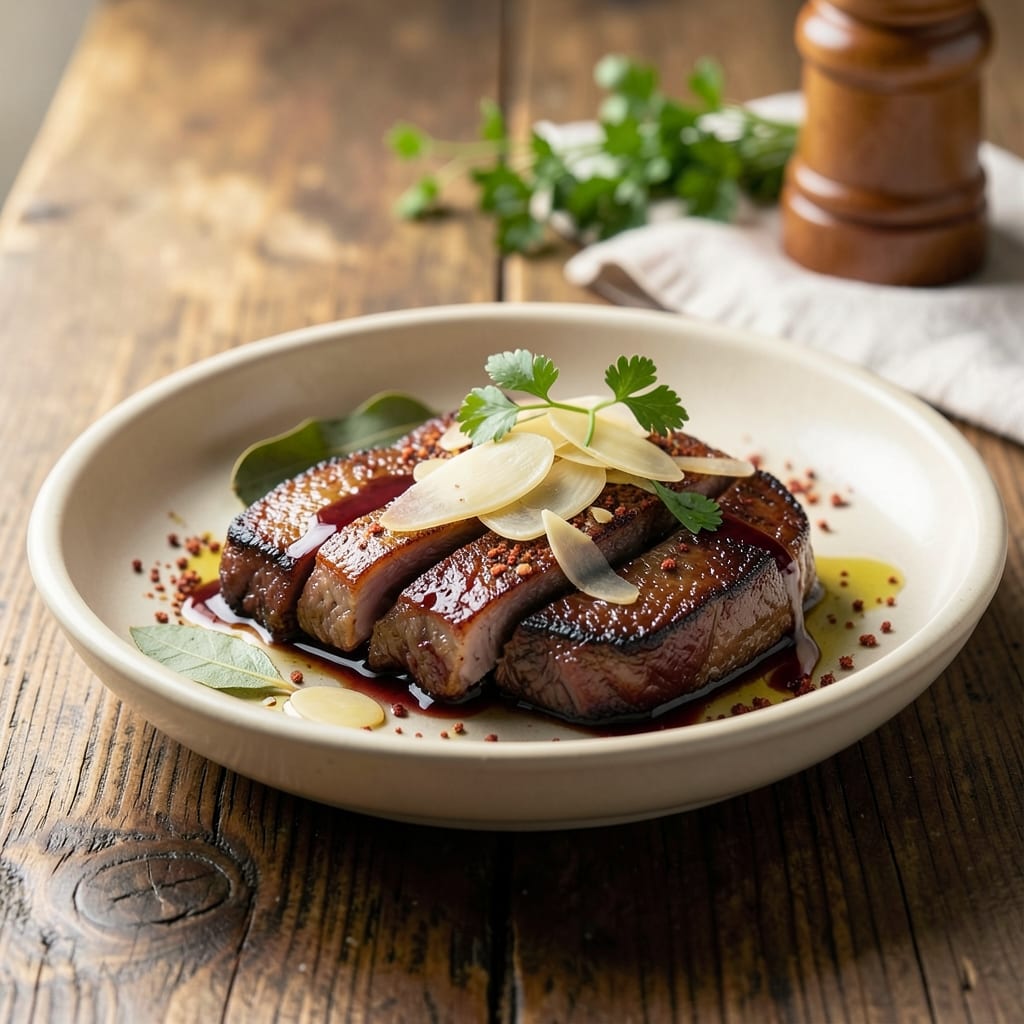
This Basque beef tongue recipe transforms humble ingredients into a dish that carries the deep flavors of Spain's northern coast. The secret lies in slow-braising—where tender beef tongue absorbs smoky paprika and aromatic garlic over hours, creating melt-in-your-mouth richness. I first discovered this technique during a trip to Basque Country, where it’s traditionally served with rustic bread and roasted peppers.
The process begins with marinating the tongue to tenderize it thoroughly, then slow-cooking it in a red wine and garlic broth until fork-tender. The result is a dish that’s both hearty and elegant, with layers of flavor that develop as it simmers. This isn’t just comfort food—it’s a celebration of Basque culinary tradition, adapted for home cooks with precision and care.
What you’ll achieve is a dish that’s rich yet balanced, with a texture that’s impossibly tender and a depth of flavor from the paprika and wine. The slow braising ensures every bite is succulent, while the crispy edges add a satisfying contrast. Serve it with crusty bread to soak up the juices or alongside roasted vegetables for a complete meal.
The beauty of this recipe is its versatility—it’s perfect for special occasions or a cozy family dinner. The flavors only improve with time, making it ideal for meal prep or hosting guests. Let’s bring the heart of Basque cuisine into your kitchen with this timeless dish.
Ingredients for basque beef tongue
Six core ingredients plus a few supporting players create Basque beef tongue with deep, smoky flavor.
| Ingredient | Amount | Notes |
|---|---|---|
| Beef Tongue 🥩 | 3 lb | Fresh, cleaned, trimmed |
| Red Wine 🍷 | 2 cups | Bold, dry variety like Cabernet Sauvignon |
| Garlic Cloves 🧄 | 8 cloves | Peeled, crushed |
| Smoked Paprika 🌶️ | 2 tbsp | High-quality, not sweet |
| Bay Leaves 🌿 | 2 whole | Fresh preferred |
| Olive Oil 🫒 | ½ cup | Extra-virgin for richness |
| Onion 🧅 | 1 whole | Yellow, chopped |
| Carrots 🥕 | 4 whole | Medium, peeled |
| Salt 🧂 | 2 tsp | Kosher or sea salt |
| Black Peppercorns 🌶️ | 1 tsp | Freshly cracked |
| Thyme 🌿 | 1 tbsp | Fresh, chopped |
| Crusty Bread 🍞 | 1 loaf | For serving, optional |
| Roasted Red Peppers 🍅 | 4 whole | Jarred, for serving |
The beef tongue is the star—look for a fresh, clean-cut piece with a rich, deep color. Local butchers often carry it, or order online from specialty suppliers like Snake River Farms. Smoked paprika is non-negotiable here; Penzeys or La Boîte brands deliver the authentic Basque depth. Fresh bay leaves add complexity, but if you only have dried, use half the amount. The red wine should be bold—think Cahors or Rioja—not something light like Pinot Noir. For the garlic, I always crush it with a pinch of salt to mellow the flavor before cooking.
No smoked paprika? Substitute half with chipotle powder for heat, but you’ll lose that authentic Basque smokiness. Running out of red wine? Beef broth with a splash of balsamic works in a pinch, though the flavor won’t be identical. Fresh thyme is ideal, but dried at one-third the amount gets you close. The roasted red peppers can be jarred—Mutti brand is my go-to for consistent quality. For the crusty bread, baguettes from a French bakery are perfect, but any good sourdough will do. If you’re serving this to a crowd, double the bread and peppers—they disappear fast.
Beef tongue keeps best in the fridge for 3-4 days after cooking, but the flavor deepens over time. For longer storage, freeze portions in airtight containers for up to 3 months. The bread and peppers can be prepped ahead—slice the bread and store in a paper bag, and keep the peppers in their juice in the fridge. The slow-braised tongue reheats beautifully; just warm gently in the broth. Leftovers make incredible sandwiches the next day—trust me on that.
Why You'll Love This Recipe
- One-Pot Magic: I swear by this recipe—just simmer the tongue, garlic, and wine in one pot, then let the smoked paprika and bay leaves work their flavor spell. No chopping, no fuss, and the cleanup is ridiculously easy.
- Rich, Wine-Kissed Depth: That slow-cooked beef tongue? It’s melt-in-your-mouth tender with a crust so perfect you’ll want to eat it straight from the pan. The red wine doesn’t just cook it—it transforms it into something bold and unforgettable.
- Leftovers That Shine: Between us, this dish tastes better the next day. Slice it thin, toss it in a sandwich, or reheat it for a quick lunch—it’s my go-to for meal prep because it never disappoints.
- Budget Feast for Crowds: A single beef tongue feeds four (or five if you’re hungry). It’s cheaper than steak but packs serious flavor, and the wine and spices make it feel like a restaurant-worthy meal without the price tag.
Step-by-step instructions for Basque beef tongue
Transform tough cuts into melt-in-your-mouth perfection with this slow-braised method.
Prep and Sear the Beef Tongue
Begin by rinsing the 3 lb beef tongue under cold water and patting it completely dry with paper towels. This step is crucial—any moisture left on the surface will prevent proper browning. Place the tongue in a large pot and cover it with cold water. Bring to a boil over high heat, then immediately reduce to a simmer for 30 minutes. This initial boiling helps tenderize the meat.
While the tongue simmers, heat 0.5 cup olive oil in a large Dutch oven over medium-high heat. Once hot, add the tongue and sear on all sides until deeply browned, about 5-7 minutes per side. This caramelization builds deep flavor and creates that signature Basque richness. Remove the tongue and set it aside.
Build the Braising Base
In the same Dutch oven, add 1 whole chopped onion and 4 whole peeled and chopped carrots. Cook for 5 minutes until the vegetables begin to soften. Stir in 8 cloves crushed garlic cloves, 2 tbsp smoked paprika, 2 whole bay leaves, 2 tsp salt, and 1 tsp cracked black peppercorns. Cook for another 2 minutes to toast the spices and release their aromas.
Pour in the 2 cups red wine and scrape up any browned bits from the bottom of the pot. These bits, called fond, are packed with flavor. Add 1 tbsp chopped thyme and bring the mixture to a simmer. Return the seared beef tongue to the pot, ensuring it's fully submerged in the liquid.
Slow Braise to Tender Perfection
Cover the Dutch oven and transfer it to a preheated 300°F oven. Braise for 3 hours, turning the tongue occasionally to ensure even cooking. You're looking for the meat to become fork-tender and easily pull apart. If the liquid reduces too much, add a splash of water or broth to maintain adequate coverage.
After 3 hours, remove the tongue from the pot and let it rest on a cutting board for 15 minutes. This resting period allows the fibers to relax and the juices to redistribute, ensuring each bite is moist and flavorful. Skim any excess fat from the braising liquid, which you'll use later for serving.
Prepare and Serve
Slice the beef tongue into ¼-inch thick slices against the grain for maximum tenderness. Arrange the slices on a serving platter and ladle the braising liquid over the top. The liquid should be rich and infused with the flavors of the vegetables and spices.
Serve the beef tongue with the 1 loaf crusty bread for dipping and the 4 whole roasted red peppers sliced and arranged around the platter. The contrast of the smoky peppers and the tender, braised tongue creates a harmonious balance of flavors. Enjoy immediately while the meat is still warm and the sauce is at its peak flavor.
Pro Tips For Making Basque Beef Tongue
- Scorch the Tongue First: Before simmering, sear the tongue in a screaming-hot pan for 3-4 minutes per side until it’s deep brown—almost black in spots. This isn’t about looks; it’s about building a crust that locks in flavor during the long braise. I used to skip this, and the tongue always tasted bland no matter how much wine I poured in.
- Peel the Garlic Like a Pro: Smash those garlic cloves with the flat side of your knife before adding them to the pot—no peeling needed. The skins will soften and slip off effortlessly after simmering, leaving you with perfectly infused, easy-to-remove cloves. (Yes, even if you’re impatient like me.)
- Don’t Rush the Wine Reduction: Let the red wine reduce by half before adding the tongue—this concentrates the flavor and prevents a watery sauce. I learned this the hard way after serving a dish that tasted more like diluted grape juice than Basque comfort food. Patience here makes all the difference.
- Save the Braising Liquid: Strain and reserve the final braising liquid to make a quick pan sauce—just deglaze the pot with a splash of water, reduce, and toss in a spoonful of the strained liquid. It’s the easiest way to elevate the dish without extra effort. (Your future self will thank you.)
Serving suggestions for this basque beef tongue
Crusty Bread Essentials
Basque beef tongue shines when served with crusty bread that can soak up every drop of the smoky braising liquid. I recommend a baguette from a French bakery or a sourdough loaf—look for one that’s firm with a crisp crust. Slice it into ½-inch thick pieces and toast lightly before serving to enhance its crunch. Warm the bread just before plating so it stays fresh and absorbs the rich sauce beautifully. 🥖
Roasted Red Peppers
The roasted red peppers add a vibrant contrast to the deep, smoky flavors of the beef tongue. Use jarred peppers like Mutti brand for convenience, or roast your own for a fresher taste. Slice them into ¼-inch strips and arrange them around the platter to create a visually appealing border. Their natural sweetness balances the richness of the tongue and complements the wine-infused braising liquid.
Garlic Aioli Dip
For an extra layer of flavor, serve a garlic aioli dip on the side. Mix ½ cup mayonnaise with 2 minced garlic cloves, 1 tbsp lemon juice, and a pinch of smoked paprika for a taste that ties back to the dish. This dip adds a creamy, tangy contrast that’s perfect for dipping bread or spooning over the tongue slices. It’s a crowd-pleaser that elevates the meal to restaurant-quality. 🧄
Simple Side Salad
A light side salad cuts through the richness of the beef tongue. Toss 4 cups mixed greens with 2 tbsp olive oil, 1 tbsp red wine vinegar, and 1 tsp Dijon mustard. Top with ¼ cup sliced almonds and ½ cup cherry tomatoes for a refreshing crunch. The acidity in the dressing helps cleanse the palate between bites of the rich, tender meat.
Wine Pairing
Serve your Basque beef tongue with a bold red wine that matches the depth of the dish. A Rioja Reserva or Cahors complements the smoky paprika and red wine flavors beautifully. For a lighter option, a dry rosé from Provence offers a refreshing contrast. Avoid heavy, oaky whites—they’ll clash with the rich, savory profile of the tongue. 🍷
Presentation Tips
Arrange the sliced beef tongue on a wooden board or slate platter for a rustic, authentic look. Ladle the braising liquid generously over the top and garnish with fresh thyme sprigs for a pop of color. Serve the roasted peppers and crusty bread in small bowls or baskets around the platter. This presentation keeps the dish feeling hearty and celebratory, just like in a Basque countryside kitchen. ✨
Nutrition facts
Frequently asked questions
Why do I need to simmer the beef tongue before searing?
This 30-minute simmer is the secret to tenderizing the tough connective tissue in beef tongue. The slow cooking breaks down collagen, making the meat melt-in-your-mouth tender. Skipping this step can leave you with a chewy result—trust the process!
Can I substitute smoked paprika with something else?
Yes, but you'll lose some authentic Basque flavor. For heat, use ½ chipotle powder + 1 tbsp regular paprika. For depth, try 1 tsp liquid smoke (½ tsp max!) plus extra garlic. The smokiness is key to that signature Basque profile.
How do I know when the beef tongue is fully cooked?
It's done when a fork slides in effortlessly and the meat pulls apart cleanly. The 3-hour braising time should yield fork-tender results, but check at 2.5 hours if you're unsure. The internal temperature should reach 195°F—this is higher than most meats because of the collagen breakdown.
What's the best way to reheat leftovers?
Never microwave! Warm in the braising liquid over low heat for 10-15 minutes until heated through. Add a splash of water if needed. The sauce will reabsorb and keep everything moist. Leftovers taste even better the next day—perfect for sandwiches!
Can I make this recipe in a slow cooker?
After searing, transfer everything to a slow cooker and cook on low for 8-10 hours or high for 5-6 hours. The liquid won't reduce as much, but the meat will still become tender. Just add extra wine or broth to maintain coverage. The flavors will concentrate beautifully over time.