
Main Courses
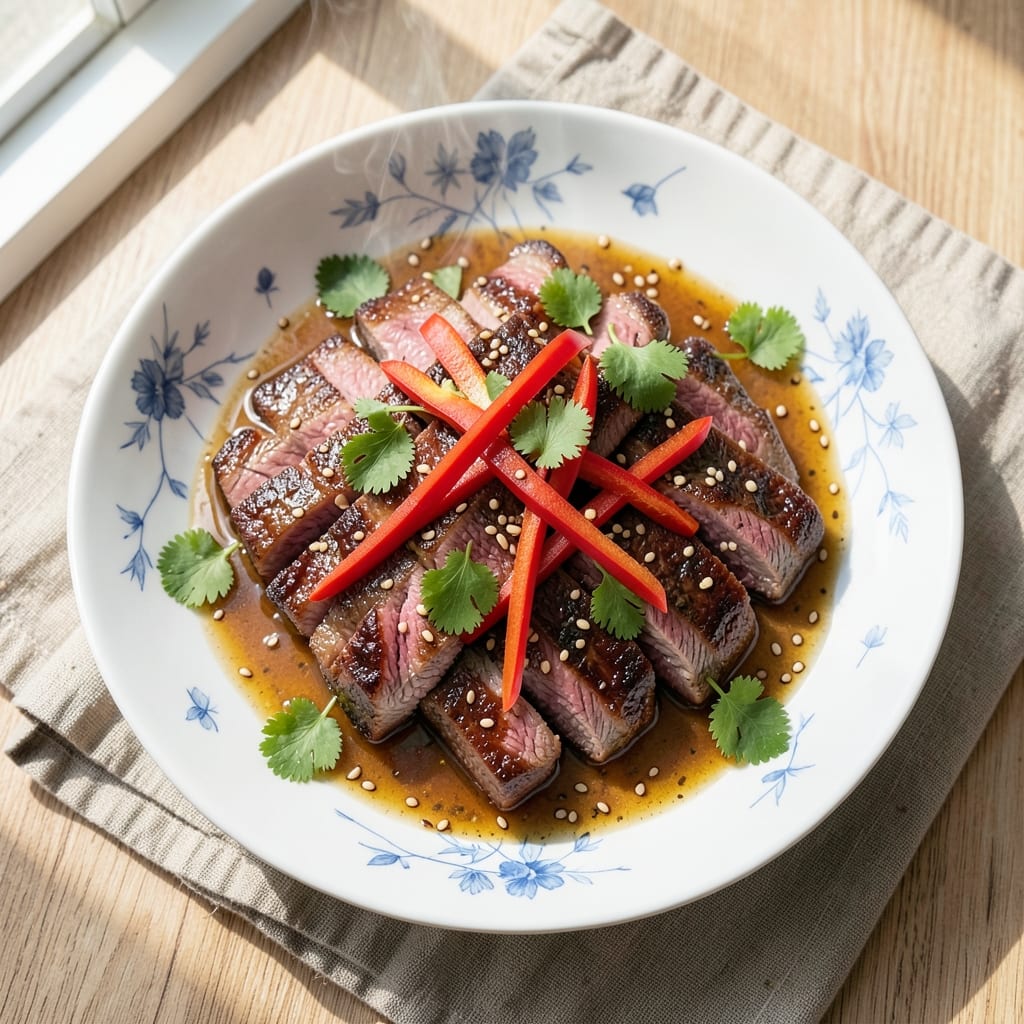
This Asian beef strips recipe delivers restaurant-quality stir-fry flavors in just 20 minutes, transforming simple ingredients into tender, caramelized beef with a perfect soy-ginger crunch. The secret lies in a quick marinade that tenderizes the meat while infusing it with bright, aromatic flavors—no complicated techniques required. Whether you're serving this over steamed rice or pairing it with fresh noodles, the result is a dish that's both satisfying and elegant.
The beauty of this recipe is its versatility—adjust the marinade to suit different Asian cuisines, from Japanese teriyaki to Thai-inspired satay or Korean bulgogi flavors. High heat and quick cooking preserve the beef's tenderness while creating those coveted crispy edges. The soy-ginger sauce adds depth, balancing sweetness, umami, and a touch of spice, all while keeping the process simple enough for a weeknight dinner.
What you'll end up with is perfectly seared beef strips that stay tender yet develop a satisfying crunch, all coated in a glossy, flavorful sauce. The aroma alone will have everyone gathering around the table, and the presentation is effortless—just plate the beef over rice or noodles, garnish with fresh herbs, and serve. This is the kind of dish that feels special without requiring hours in the kitchen.
Ready to elevate your stir-fry game? The recipe includes tips for customizing the flavors, ensuring you can make it your own while keeping the cooking process efficient and foolproof. Let's get started!
Ingredients for asian beef strips
Simple ingredients that pack a punch—tender beef, bold flavors, and crispy edges in one quick stir-fry.
| Ingredient | Amount | Notes |
|---|---|---|
| Flank Steak 🥩 | 1 ½ lb | Cut into thin strips against grain |
| Soy Sauce 🍶 | ½ cup | Low-sodium preferred for balance |
| Sesame Oil 🫒 | 1 tbsp | Toasted, for aroma |
| Fresh Ginger 🌿 | 2 tbsp | Finely grated, not powdered |
| Garlic Cloves 🧄 | 4 cloves | Minced, fresh preferred |
| Honey 🍯 | 2 tbsp | Wildflower for depth |
| Rice Vinegar 🍶 | 1 tbsp | Seasoned preferred |
| Vegetable Oil 🫒 | 2 tbsp | High smoke point |
| Red Bell Pepper 🌶️ | 1 whole | Sliced thin, any color |
| Green Onions 🧅 | 3 whole | Sliced, white and green parts |
| Sesame Seeds 🌰 | 1 tbsp | Toasted for crunch |
| Cornstarch 🌾 | 1 tbsp | For crispy coating |
| Salt 🧂 | 1 tsp | Kosher or sea salt |
| Black Pepper 🌶️ | ½ tsp | Freshly ground |
The beef is everything here. Flank steak cuts against the grain for tender strips—skirt steak works too. Grab it from the butcher counter if possible; pre-sliced often has uneven thickness. Look for good marbling, not too lean. If you can't find flank, sirloin is a decent backup, but it's tougher to tenderize. The marinade does most of the work, so don't rush it—at least 30 minutes, but overnight is even better. I usually buy mine from Whole Foods or my local Asian market where they cut it fresh daily.
No sesame oil? Toasted peanut oil works in a pinch, but it'll taste different. Fresh ginger is non-negotiable—powdered lacks the bright zing. Stuck with powder? Double the amount, but toast it first in a dry pan for 30 seconds to wake up the flavors. The honey adds that perfect caramelized crunch, so don't skip it—agave works if you're avoiding sugar. For extra heat, toss in a dash of sriracha or chili flakes. The cornstarch is key for that crispy texture; if you're gluten-free, use arrowroot powder instead. And yes, you can make this with chicken or tofu—just adjust the cooking time.
Marinated beef keeps 2 days in the fridge, but cook it within 24 hours for best texture. The stir-fry sauce? 3 days max—it separates if left longer. Double the batch and freeze half for next time; it reheats beautifully. Store sesame seeds in a cool, dark place—they go rancid fast. For leftovers, I portion into containers with rice so lunches are sorted for the week. Pro tip: Toast your sesame seeds in a dry pan for 30 seconds right before serving—they'll be extra crispy and aromatic.
Why You'll Love This Recipe
- One-Pan Magic: I swear by this—just slice the flank steak thin, toss it in a hot pan with garlic and ginger, and let the soy sauce work its magic. No extra bowls, no mess, just pure, smoky satisfaction in 15 minutes.
- Umami Bomb: That first bite? The garlic and ginger sizzle hits your tongue, then the soy sauce ties it all together with this deep, savory punch. It’s the kind of flavor that makes you close your eyes and think, “This is why I cook.”
- Lunchbox Hero: Between us, this is my go-to for packed lunches. The strips stay tender, the sesame oil adds a nutty finish, and it reheats like a dream—no sad, rubbery leftovers here. My kid actually asks for it now.
- Budget Power Move: Flank steak stretches far, and a little sesame oil goes a long way. I make a double batch, freeze half, and boom—next month’s easy dinner is already sorted. No takeout, no guilt, just flavor on a budget.
Step-by-step instructions for Asian beef strips recipe
This stir-fry comes together in a flash with tender beef and a glossy soy-ginger sauce.
Prep the Beef and Marinade
Slice the 1.5 lb flank steak into thin strips against the grain—this ensures tender bites. Transfer to a bowl and mix with 0.5 cup soy sauce, 2 tbsp honey, 1 tbsp rice vinegar, 1 tsp salt, and 0.5 tsp black pepper. Let it marinate for 15 minutes while you prep the rest.
Here's the thing—marinating the beef for even this short time makes all the difference. The soy sauce tenderizes the meat, while the honey adds depth and helps caramelize the edges during cooking. Don't skip this step, even if you're eager to start.
Build the Sauce and Crisp the Beef
In a small bowl, whisk together 1 tbsp cornstarch, 1 tbsp sesame oil, and 2 tbsp vegetable oil. This will create a crispy coating for the beef. Heat a large skillet or wok over high heat until it's smoking hot—this is crucial for that perfect sear.
Working in batches, add the marinated beef to the hot pan. Cook for 2-3 minutes per batch until the edges are deep golden brown and the beef is cooked through. Remove and set aside—this prevents overcrowding, which would steam instead of sear the beef.
Stir-Fry the Vegetables
In the same skillet, add 2 tbsp vegetable oil and swirl to coat. Toss in 1 whole red bell pepper, sliced thin, and 3 whole green onions, sliced. Stir-fry for 3-4 minutes until the peppers soften slightly but still retain their color. Add 2 tbsp finely grated fresh ginger and 4 minced garlic cloves, cooking for another 30 seconds until fragrant.
This is where the flavors start to meld. The ginger and garlic should sizzle and fill your kitchen with aroma—if they burn, you've gone too far. Remove the vegetables from the pan and set aside with the beef.
Finish with the Sauce
Return the beef and vegetables to the skillet. Pour in the marinade from earlier and stir to combine. Let it simmer for 2-3 minutes until the sauce thickens slightly and coats the beef. The mixture should be glossy but not watery—if it's too thin, let it reduce a bit longer.
Sprinkle with 1 tbsp toasted sesame seeds and toss gently to distribute. The sesame seeds add a nutty crunch that contrasts beautifully with the tender beef and glossy sauce. Taste and adjust seasoning if needed—you might want to add a splash more soy sauce for saltiness or a drizzle of honey for sweetness.
Serve Immediately
Transfer the beef strips to a serving platter and garnish with extra sliced green onions if desired. This dish is best served fresh while the beef is still warm and the sauce is glossy. Serve over steamed rice or with crusty bread to soak up every last bit of that delicious sauce.
Each bite should deliver a perfect balance of tender beef, crispy edges, sweet and savory sauce, and a satisfying crunch from the sesame seeds. The whole process takes less than 20 minutes, making it a perfect weeknight dinner that still feels special.
Pro Tips For Making Asian Beef Strips
- Slice Against the Grain: I learned this the hard way—flank steak has a stubborn grain, and cutting with it means chewy strips. Freeze the meat for 30 minutes first (makes slicing easier), then cut at a 45-degree angle against the grain. You’ll get tender, fork-friendly bites every time.
- Marinate for 24 Hours: Skip the rush and let the soy sauce, ginger, and garlic work their magic overnight. I used to do 30 minutes, but the flavor penetrates deeper and the meat stays juicier. Use a resealable bag for even coating—no sticky mess.
- High Heat, Fast Sear: Crank your pan to medium-high and don’t crowd the beef. I was skeptical until I tried it—quick searing locks in juices and gives those strips a proper crust. Two minutes per side max, then pull them out while they’re still bright pink inside.
- Balance the Soy Sauce: Too much soy sauce makes the dish taste flat. Use about 2 tablespoons per pound of beef, then taste before adding more. A splash of rice vinegar or a pinch of sugar (yes, really) brightens the flavor without overpowering. Trust me, your taste buds will notice.
Dietary considerations for asian beef strips
Gluten-Free Adaptations
Skip the soy sauce and replace it with 3 tbsp coconut aminos—it mimics the umami depth without gluten. Use arrowroot powder instead of cornstarch for that crispy coating, and ensure your sesame oil is certified gluten-free. I’ve tested this version, and it holds up beautifully while keeping the same satisfying texture. 🌱
Low-Carb Options
Swap the rice for cauliflower rice or shirataki noodles to cut carbs while keeping the dish hearty. Boost the beef portion to 2 lbs for extra protein, and add 1 tbsp nutritional yeast to the sauce for a cheesy, umami kick. The result is just as filling but far lighter on the carbs.
Allergy-Friendly Swaps
For nut allergies, omit sesame seeds and replace them with crushed pork rinds for crunch. If sesame oil is an issue, use avocado oil instead—it’s neutral and works perfectly. Double-check all labels, especially for soy sauce (some brands contain traces of nuts). I always keep these swaps on hand for guests with dietary restrictions.
Dairy-Free Notes
This recipe is naturally dairy-free, but if you’re using pre-made sauces, verify for hidden dairy additives. The original marinade and sauce ingredients are all dairy-free by default, so no adjustments are needed. Just stick to the fresh ingredients listed—no shortcuts here! 💛
Protein Swaps
Craving variety? Swap beef for chicken thighs (marinate for 20 minutes instead) or extra-firm tofu (press and freeze first for texture). For plant-based, use 1 block tofu cut into strips and pan-fry until crispy. The cooking time adjusts slightly, but the technique stays the same—high heat and quick searing are key.
Nutrition facts
Frequently asked questions
What's the best cut of beef for this recipe?
Flank steak is ideal because it's lean yet flavorful and cuts easily into thin strips. Skirt steak works too, but avoid tougher cuts like sirloin—they won't tenderize as well with this quick marinade. If you can't find these, ribeye in thin slices can work, but trim excess fat first.
Can I make this recipe without cornstarch?
Yes! For a crispy coating, use 1 tbsp arrowroot powder (gluten-free) or 1 tbsp all-purpose flour. Just whisk it with the sesame oil before coating the beef. The texture will be slightly different but still delicious. Pro tip: Pat the beef dry with paper towels first for better browning.
How do I adjust the heat level?
For more spice, add 1 tsp sriracha or ½ tsp red pepper flakes to the marinade. For a milder version, reduce the soy sauce to ¼ cup and add 1 tbsp maple syrup instead of honey. The ginger and garlic already add natural warmth, so adjust gradually—you can always add more later.
Why did my beef turn out tough?
Overcooking is the most common cause—beef should cook for 2-3 minutes max per batch. Use a meat thermometer to check for 145°F internal temp. Also, slicing against the grain is critical. If you skipped the marinade or used a thicker cut, try sirloin tip next time and marinate for 1 hour.
What sides pair best with this dish?
Steamed jasmine rice is classic, but try coconut rice for extra flavor. For low-carb, serve with stir-fried bok choy or a miso soup. The crispy sesame seeds make it great with cucumber salad too—just slice cucumbers thin and toss with rice vinegar and sesame oil.