
Main Courses
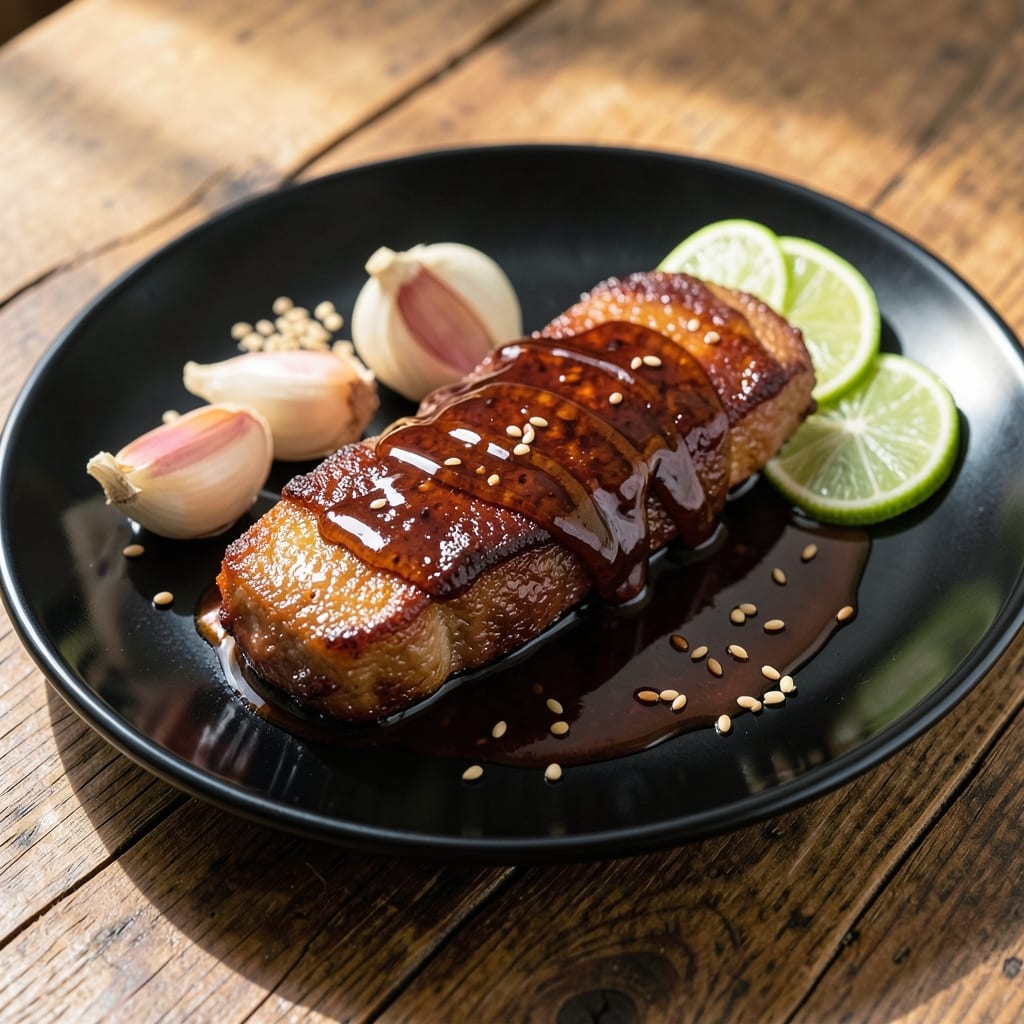
This Asian beef tongue recipe transforms a humble cut into a luxurious centerpiece with fermented chili heat and deep soy caramelization. 🔥 The secret lies in long, slow braising—breaking down tough fibers until the texture becomes tender yet resilient, with a surface glaze that crackles with every bite. I first discovered this technique at a Seoul street market, where vendors slow-cooked tongue for hours in clay pots, and it’s since become a staple in my kitchen for special occasions. The process begins with a fermented chili marinade—gochujang, soy sauce, and garlic—that infuses the tongue with layers of umami and spice. After a rigorous boiling to tenderize, the meat is braised until it pulls apart effortlessly, absorbing the marinade into its rich, gelatinous depths. Traditional accompaniments like quick-pickled radishes or steamed jasmine rice balance the dish’s bold flavors, while a side of stir-fried greens adds freshness. What you’ll end up with is a dish that’s equal parts restaurant-worthy and home-cook-friendly—deeply savory, subtly spicy, and impossibly tender. The contrast between the crispy exterior and melt-in-your-mouth interior makes it unforgettable. Whether you’re serving it at a family gathering or treating yourself to a luxurious weeknight meal, this recipe delivers results that feel like a chef’s secret. For best results, plan ahead—this dish rewards patience. The marinating and braising alone take 4-6 hours, but the effort is worth every bite. Pair it with a crisp beer or green tea to cleanse the palate between rich, flavorful mouthfuls.
Ingredients for asian beef tongue
Nine essential ingredients transform beef tongue into a luxurious, restaurant-style centerpiece with deep umami and caramelized glaze.
| Ingredient | Amount | Notes |
|---|---|---|
| Beef Tongue (Fresh) 🥩 | 2 lb | Raw, untrimmed, from butcher |
| Gochujang (Korean Chili Paste) 🌶️ | ½ cup | Fermented, spicy-sweet paste |
| Light Soy Sauce 🍶 | ½ cup | Japanese or Korean preferred |
| Dark Soy Sauce 🍶 | ¼ cup | For deeper color |
| Garlic Cloves 🧄 | 8 cloves | Minced, for marinade |
| Fresh Ginger 🌿 | 2 tbsp | Grated, aromatic base |
| Sesame Oil 🫒 | 1 tbsp | Toasted, for aroma |
| Brown Sugar 🍬 | ¼ cup | Packed, for caramelization |
| Asian Pearl Onions 🧅 | 4 whole | Quartered, for braising |
| Water 💧 | 4 cups | For boiling and braising |
| Black Vinegar 🍶 | 1 tbsp | For tangy balance |
| Green Onions 🧅 | 4 whole | Sliced, for garnish |
| Vegetable Oil 🫒 | 2 tbsp | High smoke point for searing |
| Salt 🧂 | 2 tsp | Kosher, for seasoning |
| Black Peppercorns 🌶️ | 1 tsp | Crushed, for heat |
The beef tongue is the star—look for thick, well-marbled cuts from your butcher. Korean or Japanese markets often carry pre-cleaned tongues, but if you're trimming yourself, save the fat for rendering later. The gochujang should be vibrant red and slightly sticky—avoid watery imitations. For soy sauces, Kikkoman or Yamasa brands deliver consistent quality. Fresh ginger and garlic? Peel and mince them right before marinating—oxidation kills their punch. If you're short on time, frozen ginger works in a pinch, but fresh is worth the extra minute.
No gochujang? Substitute with 1/4 cup sriracha plus 1/4 cup tomato paste for heat, but you'll lose that fermented depth. Swapping dark soy sauce? Add 1 tsp molasses to light soy for color. Pearl onions too expensive? Regular yellow onions work, but slice them thinner. The sesame oil is non-negotiable—it carries the aroma. If you're avoiding gluten, use tamari instead of soy sauce. For a sweeter profile, honey or maple syrup can replace brown sugar, though traditionalists will argue it's not the same.
This dish requires patience—plan ahead. The tongue needs 2 hours boiling followed by 3-4 hours braising. Store leftovers in the marinade in an airtight container for up to 5 days. The flavors actually improve overnight as the meat absorbs more liquid. For serving, reheat gently in the braising liquid—microwaving makes it tough. Garnish with green onions and a drizzle of black vinegar right before eating. Freezes beautifully for up to 3 months—perfect for holiday gatherings when you want to impress without last-minute stress.
Why You'll Love This Recipe
- Foolproof Prep: I swear by this—just simmer the beef tongue with garlic and soy sauces, then toss in gochujang for that smoky kick. Honestly, the hardest part is peeling the skin off after cooking, and even that’s easier than you’d think.
- Umami Bomb: That combo of dark soy sauce and gochujang? It turns the tongue into something rich, slightly sweet, and just spicy enough to linger. Between us, the first bite makes me forget I’m eating something that sounds intimidating.
- Leftover Goldmine: This dish actually improves the next day. Slice it thin, and it’s perfect for quick lunches or tossing into rice bowls. My kids beg for it cold in sandwiches—yes, even on a Tuesday night.
- Budget Powerhouse: A single beef tongue feeds four for less than a takeout order. The gochujang and soy sauces stretch the flavor without breaking the bank. I’ll be real: it’s my go-to when I need a hearty meal that won’t drain my wallet.
Step-by-step instructions for Asian beef tongue
Transform tough beef tongue into melt-in-your-mouth luxury with this fermented-spice marinade.
🔪 Step 1: Prep the Tongue for Maximum Flavor
Start by scoring the surface of the 2 lb beef tongue in a crosshatch pattern using a sharp knife. This creates channels for the marinade to penetrate deeply. Rinse the tongue thoroughly under cold water and bring 4 cups water to a boil in a large pot.
Add the tongue to the boiling water and simmer for 30 minutes until the surface becomes firm and the raw smell dissipates. Drain and rinse again under cold water to stop the cooking process. Pat completely dry with paper towels—this step is crucial for crispy skin later.
🍳 Step 2: Create the Fermented Marinade
In a food processor, combine 8 cloves garlic cloves, 2 tbsp fresh ginger, 0.5 cup gochujang, 0.5 cup light soy sauce, 0.25 cup dark soy sauce, 1 tbsp sesame oil, 0.25 cup brown sugar, 2 tsp salt, and 1 tsp black peppercorns. Pulse until smooth but still slightly textured.
Transfer the marinade to a bowl and place the cooled tongue in a resealable plastic bag. Pour the marinade over the tongue, seal the bag, and massage it gently to coat every surface. Refrigerate for at least 12 hours (I prefer 24 hours for maximum flavor penetration).
🔥 Step 3: Sear and Braise to Perfection
Preheat your oven to 325°F. Remove the tongue from the marinade (reserve the marinade) and heat 2 tbsp vegetable oil in a Dutch oven over medium-high heat. Sear the tongue on all sides until deeply browned—about 5 minutes per side. This creates that beautiful caramelized crust.
Pour the reserved marinade into the Dutch oven, add 4 whole Asian pearl onions (quartered), and bring to a simmer. Cover and transfer to the oven, braising for 2 to 2.5 hours until the tongue is fork-tender and the onions are caramelized. The internal temperature should reach 190°F for perfect tenderness.
🥘 Step 4: Finish with Tangy Balance
Remove the tongue from the Dutch oven and let it rest for 15 minutes. Strain the braising liquid through a fine-mesh sieve into a clean saucepan. Return it to medium heat and add 1 tbsp black vinegar, simmering for 5 minutes to concentrate the flavors. Taste and adjust seasoning if needed.
Slice the tongue against the grain into ¼-inch thick pieces. Serve with the reduced sauce spooned over the top, garnished with 4 whole green onions (sliced). The result is tender, flavorful beef tongue with a perfect balance of sweet, spicy, and tangy notes.
Pro Tips For Making Asian Beef Tongue
- PARBOIL FIRST: The beef tongue needs a 30-minute head start in boiling water before you even think about braising. Skipping this step means tough, chewy meat—no matter how long you simmer later. I learned this the hard way after serving rubbery slices to guests who looked at me like I’d committed a crime.
- SCORE THE SURFACE: Use a sharp knife to make shallow cuts (about ¼-inch deep) all over the tongue before cooking. This lets the gochujang and soy sauce penetrate deeper, giving you that rich, marbled flavor instead of just a sticky surface. Yes, it looks butcher-shop messy—doesn’t matter, the results do.
- DON’T RUSH THE GARLIC: Minced garlic burns faster than you’d think, especially when mixed with gochujang. Sauté it in oil for 2 full minutes until fragrant but just golden—no brown bits—before adding the tongue. Burnt garlic turns the whole dish bitter, and nobody wants that fighting with the umami.
- USE DARK SOY FOR CRUST: Swap half the light soy for dark soy sauce in the marinade or finishing glaze. The molasses notes caramelize into a glossy, crackly crust that clings to the tongue slices. It’s the difference between "good" and "wow"—I promise, your plate will look (and taste) like a restaurant dish.
Storing and reheating this asian beef tongue
Refrigerator Storage
After braising, let your beef tongue cool completely before storing. Place it in an airtight container with some of the braising liquid to keep it moist. I use glass Pyrex containers with snap-on lids for best results. Store in the refrigerator for up to 5 days—the flavors actually deepen as the meat absorbs more marinade over time. 💪
Freezer Storage
For longer storage, freeze the cooked tongue in single-serving portions wrapped tightly in plastic wrap, then placed in a freezer bag with the braising liquid. Label with the date—it keeps for up to 3 months without losing texture. When ready to eat, thaw overnight in the fridge before reheating gently. Never microwave directly from frozen.
Reheating Methods
My preferred method is stovetop reheating: place the tongue in a skillet with a splash of braising liquid and heat over low-medium heat for 10-15 minutes until warmed through. For microwave reheating, cover with a damp paper towel and heat in 1-minute intervals on 50% power until reaching 165°F internally. Always add a bit of liquid to prevent drying out.
Serving Leftovers
Leftovers make excellent sandwiches or banchan (Korean side dishes). Slice the reheated tongue thinly and serve on toasted sourdough with pickled vegetables or in steamed rice bowls with kimchi. The texture remains tender when handled gently—never force it. Garnish with fresh green onions and a drizzle of black vinegar for brightness. ✨
Sauce Preservation
The reduced braising sauce freezes beautifully for up to 3 months. Store it separately in an ice cube tray for easy portioning—just thaw and reheat with a splash of water. Use these frozen cubes to quickly enhance other dishes like stir-fries or ramen. I also keep a small jar in the fridge for quick flavor boosts on busy weeknights.
Texture Preservation
To maintain the perfect balance between tender interior and crispy exterior, avoid overcooking when reheating. The tongue should be warm through but not rubbery. If it feels dry, add a spoonful of the reserved braising liquid and let it simmer gently for 2-3 minutes. The key is patience—rushing will ruin that luxurious texture you worked so hard to achieve. 💡
Nutrition facts
Frequently asked questions
Why does beef tongue need to be boiled before marinating?
The initial boiling step is crucial for two reasons: it removes the strong raw odor and begins breaking down the tough connective tissue. This makes the tongue more tender and allows the marinade to penetrate evenly. Skipping this step can result in an overly chewy texture, even after long braising.
Can I substitute gochujang in this recipe?
Yes, but you'll lose some of the fermented depth. For heat, use ¼ cup sriracha plus ¼ cup tomato paste, or try 1 tbsp chili flakes mixed with ¼ cup soy sauce. For sweetness, add 1 tbsp honey or maple syrup. The texture will be slightly different but still delicious.
How do I know when the beef tongue is fully cooked?
The tongue is done when it reaches an internal temperature of 190°F and can be easily pierced with a fork. The edges should pull away cleanly from the bone, and the texture should be tender yet still slightly springy. Overcooking can make it mushy, so check frequently during the last 30 minutes of braising.
What's the best way to serve this dish?
This recipe works beautifully as a main course with steamed jasmine rice and quick-pickled vegetables. For extra authenticity, serve with kimchi or a side of stir-fried greens. Garnish with sliced green onions and a drizzle of black vinegar for brightness. It also makes an impressive cold dish when sliced thinly for sandwiches.
Can I make this recipe in a slow cooker?
After searing, transfer everything to a slow cooker and cook on low for 6-8 hours or high for 4-5 hours. The texture will be slightly different (more tender than oven-braised), but the flavors will be just as rich. Just