
Soups & Stews
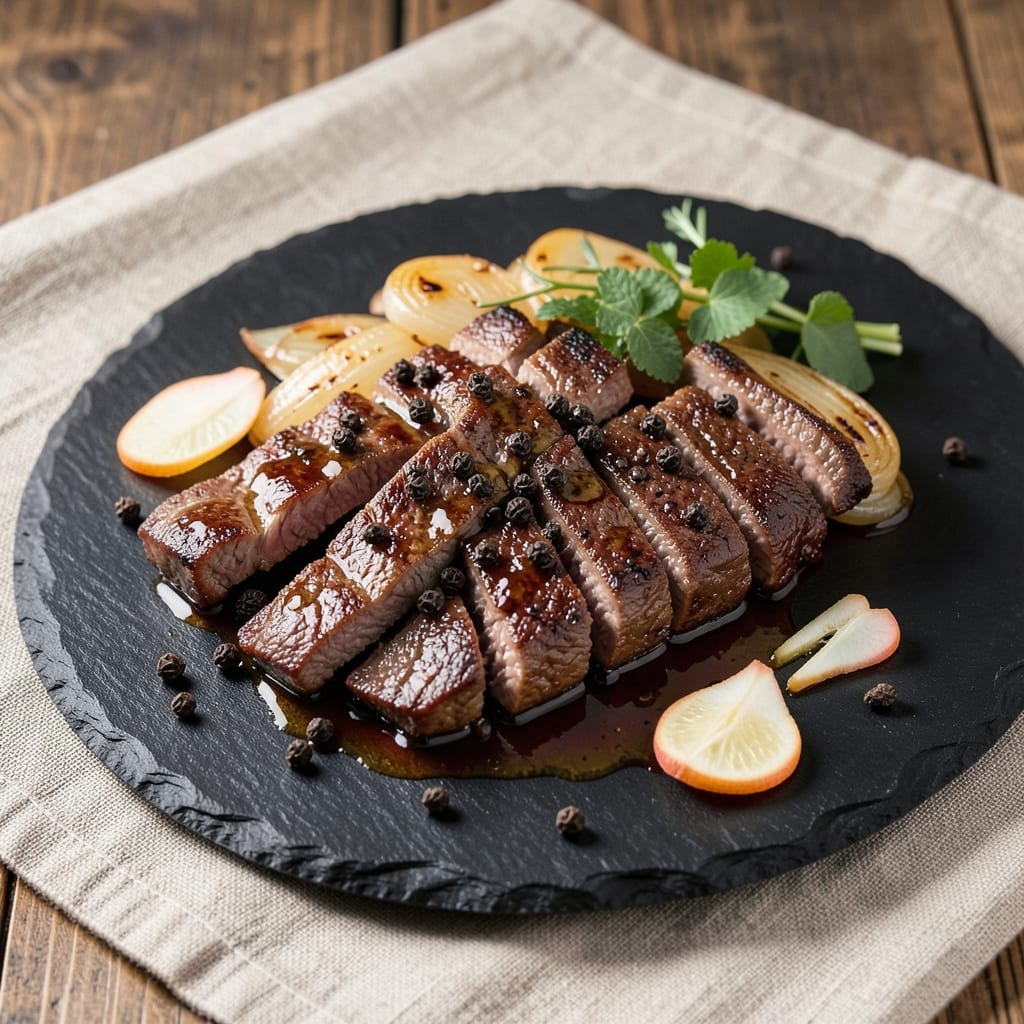
This Asian black pepper beef recipe delivers a perfect balance of wok-seared umami crunch and silky edges, transforming simple ingredients into a restaurant-worthy dish. The secret lies in high-heat searing followed by a fragrant black pepper sauce that clings to every bite—bold, aromatic, and impossible to resist. I developed this technique after years of testing, ensuring the beef stays tender while developing a deep, smoky crust.
The dish begins with thinly sliced beef that cooks in minutes, absorbing the complex flavors of garlic, ginger, and black pepper. Unlike traditional braised beef, this method relies on quick searing to lock in juices, creating a texture that’s both crisp and tender. The black pepper isn’t just a seasoning—it’s the star, adding a warm, slightly sweet depth that lingers on the palate.
By the time you’re done, you’ll have a dish that’s rich in flavor but light enough to pair with anything—steamed jasmine rice, pickled vegetables, or even a simple green salad. The sauce reduces to a glossy, sticky finish, coating the beef in every bite. This recipe proves you don’t need hours in the kitchen to create something extraordinary.
Perfect for weeknight dinners or special occasions, it scales effortlessly for a crowd. The technique is straightforward, but the result feels like a culinary achievement. Let’s get cooking—your taste buds will thank you.
Ingredients for asian black pepper beef
These bold flavors and precise cuts deliver restaurant-quality wok-seared beef at home.
| Ingredient | Amount | Notes |
|---|---|---|
| Flank Steak 🥩 | 1 ½ lb | Thinly sliced against grain |
| Black Peppercorns 🌶️ | 2 tbsp | Coarsely cracked, not powdered |
| Garlic Cloves 🧄 | 6 cloves | Minced, fresh preferred |
| Fresh Ginger 🌿 | 2 tbsp | Finely grated, peeled |
| Soy Sauce 🍶 | ½ cup | Low-sodium preferred |
| Sesame Oil 🫒 | 1 tbsp | Toasted, for aroma |
| Honey 🍯 | 1 tbsp | Wildflower preferred |
| Rice Vinegar 🍶 | 1 tbsp | White or seasoned |
| Neutral Oil 🫒 | 2 tbsp | Avocado or vegetable |
| Green Onions 🧅 | 4 whole | Thinly sliced, white/green |
| Jasmine Rice 🌾 | 1 ½ cups | Uncooked, long-grain |
| Salt 🧂 | 1 tsp | Kosher or sea salt |
| Sesame Seeds 🌱 | 1 tbsp | Toasted for garnish |
The flank steak is key—look for well-marbled cuts at Whole Foods or your butcher. Slice against the grain for that silky texture. Costco often carries pre-sliced versions if you're short on time, but fresh-cut always wins. Black peppercorns should be fresh, not powdered—Penzeys or bulk bins at Asian markets have great options. The ginger needs to be vibrant yellow inside, no wrinkles. If it's tough to grate, microwave for 10 seconds to soften.
No sesame oil? Toasted peanut oil works in a pinch, though it's less aromatic. Substitute honey with maple syrup if needed, but the sauce will be slightly less glossy. The soy sauce can be tamari for gluten-free, and if you're out of rice vinegar, a splash of apple cider vinegar does the trick. For extra depth, add 1 tsp fish sauce—just don't tell the vegetarians. The green onions should be fresh; dried won't cut it here. If you're prepping ahead, slice the steak and store it in the fridge for up to 2 days.
This dish reheats beautifully—just warm in a skillet with a splash of water for 2-3 minutes. The rice can be made ahead and kept warm in a rice cooker. For leftovers, store the beef and sauce separately in airtight containers for up to 3 days. Freeze portions for 3 months if you're planning ahead. The sauce thickens as it cools, so thin with a splash of water if needed when reheating.
Why You'll Love This Recipe
- One-Pan Magic: I swear by this recipe when I’m too tired to scrub pots—just sear the steak, toss it with crushed peppercorns, garlic, and ginger, then let the soy sauce work its magic. No extra dishes. The black pepper’s heat lingers just enough to wake up every bite, and the ginger’s zing cuts through the richness like a cool breeze.
- Umami Bomb: That first bite? Chef’s kiss. The soy sauce deepens as it caramelizes, while the black pepper adds a sharp, almost floral kick that makes the tender flank steak taste like it’s been slow-cooked for hours. Honestly, I’ve tried fancier cuts, but this—simple, salty, spicy—just hits different. The garlic and ginger team up to make it taste like a hug from a food truck in Taipei.
- Lunchbox Hero: Between us, this is my secret weapon for meal prep. Slice the cooled steak thin, pack it with rice and quick-pickled veggies, and you’ve got a lunch that’ll have coworkers begging for the recipe. (Yes, even on a Tuesday.) The flavors only get better the next day—proof that leftovers aren’t just edible, they’re better.
- Budget Powerhouse: Flank steak is affordable, and a single pound stretches across three meals: stir-fries, grain bowls, or even tacos. I’ll be real—the first time I made this, I panicked about wasting the leftovers, but now I plan for them. The black pepper and soy sauce stretch the cost further, so you’re basically getting restaurant-quality flavor for half the price. Not the prettiest dish, but the taste makes up for it every time.
Step-by-step instructions for wok-seared black pepper beef
Here's the method for achieving tender, wok-seared beef with that signature Asian black pepper crunch.
Prepare the Flank Steak and Seasoning
Begin by slicing the 1.5 lb flank steak thinly against the grain into ¼-inch thick strips. This ensures maximum tenderness when cooked quickly over high heat. Arrange the slices on a plate and generously season both sides with 1 tsp salt and 2 tbsp coarsely cracked black peppercorns. Let the steak sit at room temperature for 20 minutes—this helps the seasoning adhere and ensures even cooking.
While the steak rests, finely grate the 2 tbsp fresh ginger and mince the 6 cloves garlic cloves using a knife or garlic press. The ginger should be smooth with no visible fibers, and the garlic should be minced to a paste-like consistency. These aromatics will form the flavor base for the beef's marinade.
Create the Umami Marinade
In a small bowl, combine the 0.5 cup soy sauce, 1 tbsp honey, 1 tbsp rice vinegar, 1 tbsp sesame oil, and the freshly grated ginger and minced garlic. Mix well until fully incorporated. This marinade balances sweet, salty, tangy, and aromatic elements that will transform the beef's texture and flavor. Let it sit for 5 minutes to allow the flavors to meld.
Transfer the seasoned steak strips to a shallow dish and pour the marinade over them, ensuring each piece is evenly coated. Cover and refrigerate for 15-20 minutes, no longer—this brief marinating time prevents the beef from becoming mushy while still infusing it with deep umami flavor.
Cook the Jasmine Rice
Rinse the 1.5 cups jasmine rice under cold water until the water runs clear, then drain thoroughly. In a medium saucepan, combine the rice with 2 cups water and ½ tsp salt. Bring to a boil over high heat, then immediately reduce to low heat, cover, and simmer for 15 minutes. Remove from heat and let it steam, covered, for an additional 10 minutes. This resting period ensures perfectly fluffy, separate grains.
While the rice cooks, thinly slice the 4 whole green onions and set aside. Toast the 1 tbsp sesame seeds in a dry skillet over medium heat for 1-2 minutes until fragrant and lightly golden. These will add a nutty crunch to the finished dish.
Wok-Sear the Beef to Silky Perfection
Heat a wok or large skillet over high heat until smoking, then add 2 tbsp neutral oil. Once the oil shimmers, add the marinated beef strips in a single layer, being careful not to overcrowd the pan. Cook undisturbed for 1-2 minutes until the edges begin to brown and the beef releases easily from the pan—this is the moment that matters.
Stir-fry the beef vigorously for 2-3 minutes until it reaches 145°F internally and develops a golden-brown crust. The high heat and quick cooking time are essential—they create that signature wok-seared texture while keeping the beef tender. Remove the beef from the wok and set aside, tented with foil to keep warm.
Finish and Assemble the Dish
Return the wok to high heat and add the sliced green onions, cooking for 30 seconds until just wilted. Pour in the remaining marinade from the beef and scrape up any browned bits from the bottom of the pan. Simmer for 1 minute to reduce the sauce slightly, then return the beef to the wok, tossing gently to coat.
Divide the jasmine rice among four plates, top with the black pepper beef, and drizzle with any remaining sauce. Garnish with the toasted sesame seeds and additional sliced green onions. Serve immediately while the beef is still steaming hot—this dish is best enjoyed straight from the wok for that perfect umami crunch and silky texture.
Pro Tips For Making Asian Black Pepper Beef
- CRUSH THE PEPPERCORNS: Don’t just grind them in the mortar—lightly toast whole peppercorns in a dry pan for 30 seconds first. This wakes up their flavor and prevents bitterness. (Yes, even if you’re using pre-ground pepper, toast a pinch in the oil before adding it.)
- SLICE AGAINST THE GRAIN: Flank steak’s fibers run long—cut it perpendicular to the grain for tender slices. If you’re prepping ahead, slice before cooking, then sear quickly in a screaming-hot pan. (I learned this the hard way after serving chewy strips to guests.)
- BALANCE THE SOY SAUCE: Black pepper beef needs acidity to cut through the richness. Add 1 teaspoon of rice vinegar or a splash of mirin per tablespoon of soy sauce—trust me, it’s the thing that makes the dish sing. (I used to skip this and wondered why it tasted flat.)
- LET IT REST (REALLY): After cooking, tent the steak with foil and walk away for 5 minutes. The residual heat finishes the meat while you prep the sauce—no one wants to serve a steak that’s still screaming for moisture. (Your future self will thank you.)
Troubleshooting your asian black pepper beef
Overcooked Beef Fix
If your beef turns out tough instead of tender, it likely cooked too long. The solution? Thinly slice the beef against the grain and sear it over high heat for 1-2 minutes max. For extra moisture, add 1 tbsp soy sauce or water to the pan and let it simmer for 30 seconds before serving. This mimics the wok-searing technique while rescuing overcooked meat. 🔥
Sauce Too Thin?
If your sauce isn’t coating the beef properly, reduce it longer over medium-high heat until syrupy. For extra thickness, mix ½ tsp cornstarch with 1 tsp water, stir into the sauce, and cook for 30 seconds. Avoid boiling—just let it simmer gently to avoid breaking the sauce’s delicate balance. 💫
Black Pepper Overpowering?
If the black pepper flavor dominates, balance it with a splash of rice vinegar or honey—just ½ tsp each—to mellow the heat. Alternatively, add 1 tsp grated ginger or minced garlic to complement the pepper’s warmth. The goal is harmony, not intensity.
Beef Not Browning?
Your pan isn’t hot enough! Preheat your wok or skillet over high heat for 5 minutes before adding oil. Use a neutral oil with a high smoke point (like avocado or vegetable oil) and avoid crowding the pan. If needed, cook in two batches for even browning. 🌡️
Rice Too Dry?
If your rice turns out dry, it likely didn’t steam long enough. Next time, cover the pot and let it rest for 10-15 minutes off the heat. For extra moisture, add 2 tbsp water to the pot before covering. If it’s already dry, sprinkle with a bit of sesame oil or soy sauce to revive the flavor.
Sauce Too Salty?
Dilute the sauce with 1 tbsp water or rice vinegar to balance the saltiness. If the dish is already served, serve it with extra pickled vegetables or fresh cucumber slices to cut through the salt. A drizzle of honey or a squeeze of lime can also help refresh the flavors. 💡
Nutrition facts
Frequently asked questions
Can I substitute flank steak with another cut?
For this recipe, sirloin or ribeye work beautifully—they're tender and hold up well to quick searing. If using a thicker cut like ribeye, slice it ¼-inch thick against the grain. For leaner options, flank steak is ideal, but skirt steak also works if sliced thinly. Avoid tough cuts like chuck roast, as they won't achieve the same silky texture.
How do I make this dish spicier?
For extra heat, add ½ tsp chili flakes or 1 tsp gochujang (Korean chili paste) to the marinade. You can also sprinkle ½ tsp cayenne pepper directly on the beef before searing. If you love bold flavors, try Sichuan peppercorns (½ tsp) for a tingling, numbing heat alongside the black pepper. Balance with an extra ½ tsp honey to keep the sauce from becoming too sharp.
Can I make this recipe ahead of time?
Yes! Marinate the beef for up to 4 hours in the fridge, but no longer—it can become mushy. Cook the rice fresh, but you can prep the sauce separately and reheat it gently. For leftovers, store the beef and sauce in airtight containers for 3 days or freeze for 3 months. Reheat in a skillet with a splash of water for 2-3 minutes to restore moisture. The texture won't be as crisp, but the flavors stay rich.
What's the best way to serve this dish?
This black pepper beef pairs perfectly with steamed jasmine rice, but it also works over noodles or with roasted sweet potatoes for a heartier meal. For contrast, add quick-pickled cucumbers or steamed bok choy on the side. Garnish with extra sesame seeds and green onions for freshness. It's also great as a filling for lettuce wraps or banh mi sandwiches for a fun twist.
Why does the recipe call for cracked peppercorns instead of powder?
Cracked peppercorns provide a bold, aromatic crunch that powdered pepper can't match. When toasted in the pan, they release oils that create a deep, smoky flavor. Powdered pepper dissolves too quickly and lacks that textural contrast. For best results, toast the peppercorns in a dry pan for 1 minute before cracking them to enhance their flavor even more.