Main Courses
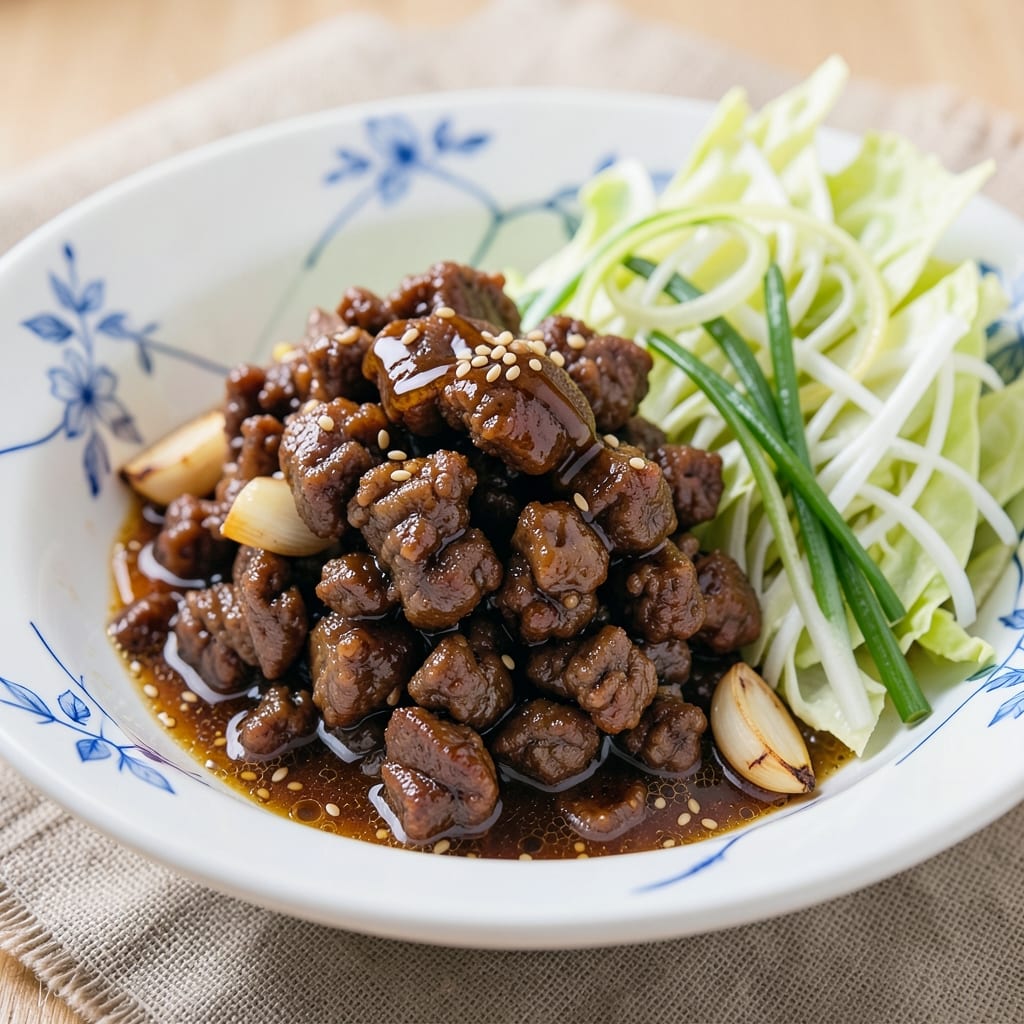
This Asian cabbage and ground beef recipe delivers a perfect balance of savory, sweet, and umami flavors in every bite—just like your favorite takeout, but better. 💛 The secret lies in quick-wok searing that caramelizes the beef while keeping the napa cabbage crisp-tender, all tied together with a glossy soy-ginger glaze. I developed this version after years of testing stir-fry techniques, and it never fails to impress. What sets this dish apart is the layered flavor profile: aromatic garlic and ginger form the base, while a touch of brown sugar and soy sauce create that signature sweet-salty harmony. The cabbage adds satisfying crunch, while the beef develops a beautiful caramelized crust from the high-heat sear. It's restaurant-quality at home, ready in under 30 minutes. The result is a dish that's hearty enough for a weeknight dinner but elegant enough for company. Serve it over steamed rice or noodles to soak up every last bit of that flavorful sauce. The aromatic steam alone will have everyone asking for seconds. Whether you're making it for a busy weeknight or a special occasion, this recipe delivers consistent, delicious results every time. Let's get cooking!
Ingredients for asian cabbage and ground beef
Quick grocery run for these 13 ingredients—everything you need for restaurant-style flavor at home.
| Ingredient | Amount | Notes |
|---|---|---|
| Ground Beef 🥩 | 1 ¼ lb | Lean ground beef, 80/20 preferred |
| Napa Cabbage 🥬 | 1 small head | Cut into 1-inch wedges |
| Garlic Cloves 🧄 | 4 cloves | Minced, aromatic base |
| Fresh Ginger 🌿 | 1 tbsp | Grated, fresh preferred |
| Soy Sauce 🍶 | ⅓ cup | Light or all-purpose |
| Brown Sugar 🍚 | 2 tbsp | Light or dark variety |
| Sesame Oil 🫒 | 1 tbsp | Toasted, for aroma |
| Vegetable Oil 🫒 | 2 tbsp | For high-heat searing |
| Green Onions 🧅 | 3 whole | Sliced, for garnish |
| Salt 🧂 | 1 tsp | Kosher or sea salt |
| Black Pepper 🌶️ | ½ tsp | Freshly ground preferred |
| White Pepper 🌶️ | ¼ tsp | For subtle heat |
| Rice Vinegar 🍶 | 1 tbsp | For brightness |
The beef is non-negotiable—80/20 lean-to-fat ratio gives you that perfect caramelized crust. Trader Joe's and Costco sell pre-ground beef in the right ratio, but if you're buying raw, look for packages labeled '80/20'. Napa cabbage should be firm with crisp leaves—avoid any with wilted outer leaves. For the ginger, fresh is a must (dried won't give that same zesty punch). I grab a small head of cabbage (about 12 oz) and cut it into 1-inch wedges—no need to core it, just slice right through the stem.
No sesame oil? Toasted peanut oil works in a pinch (same flavor profile). Short on brown sugar? Honey or maple syrup at the same amount. The soy sauce matters—Kikkoman or Pearl River Bridge are my go-tos, but any light soy will do. For extra umami, add a dash of fish sauce (if you eat it) or an extra teaspoon of soy sauce. The green onions? Buy a bunch and use half here, half for garnish. Fresh ginger? If you've got it, grate it yourself—pre-minced jars lose flavor fast.
This keeps beautifully—3-4 days in the fridge if stored in an airtight container. The cabbage gets softer over time, but the flavors meld even better. I double the recipe and freeze half for lazy nights. To reheat, just warm in a pan with a splash of water—30 seconds max to keep it crisp. The sauce will thicken when chilled, so add a splash of water when reheating if it's too stiff. Leftovers taste even better the next day—trust me on that.
Why You'll Love This Recipe
- One-Pan Magic: I swear by this for nights when I’m too tired to scrub pots—just brown the beef, toss in the cabbage, and let the garlic and ginger work their magic. The whole thing cooks in one skillet, and honestly? That crispy cabbage at the bottom? Chef’s kiss.
- Umami Bomb: The soy sauce and ginger make this dish ridiculously good—deep, savory, and just a little tangy. I’ll be real: my husband sniffs the kitchen when it’s cooking, and that’s never happened with stir-fry before.
- Meal Prep MVP: Between us, this is my go-to for lunches all week. The cabbage holds up perfectly, and the beef stays juicy. I double the batch on Sundays, pack it in containers, and still have leftovers by Friday—no sad desk salads here.
- Budget-Friendly Powerhouse: Ground beef and cabbage? Check. Pantry staples? Check. This feeds four for under $10, and the flavors are so rich you’d never guess. My college-student nephew called it “fancy” after one bite—now that’s a win.
Step-by-step instructions for wok-seared savory-sweet cabbage and beef
Here's how to balance rich beef with crisp cabbage for a dish that's quick yet packed with flavor.
🔥 Step 1: Prep the Cabbage and Marinate the Beef
Start by cutting the 1 small head Napa Cabbage into 1-inch wedges, keeping the core intact so the leaves stay together. This makes it easier to wok later without falling apart. While you prep the cabbage, break up the 1.25 lb Ground Beef with your hands into 1-inch chunks—this ensures even cooking and better browning.
In a small bowl, mix the beef with 0.33 cup Soy Sauce, 2 tbsp Brown Sugar, 0.5 tsp Black Pepper, and 0.25 tsp White Pepper. Let it marinate for 10 minutes while you prep the rest. This step infuses the beef with deep umami and caramelized sweetness—don't skip it! The sugar will also help create that beautiful wok-seared crust later.
🍳 Step 2: Sear the Beef Until Deeply Browned
Heat 2 tbsp Vegetable Oil in a large wok or skillet over high heat until shimmering. Add the marinated beef in a single layer and let it sear undisturbed for 2-3 minutes until deeply browned on one side. Here's the thing—you want those edges to look almost blackened in spots. This creates the rich, smoky depth that balances the cabbage's freshness.
Once browned, stir the beef and cook for another 2-3 minutes until fully cooked through (internal temp should reach 160°F). Remove the beef and set it aside on a plate. Don't drain the oil—those browned bits are pure flavor. Keep the heat at high for the next step.
🥘 Step 3: Wok the Cabbage Until Tender-Crisp
Add the cabbage wedges to the same wok in a single layer, leaving space between them. Let them cook undisturbed for 3-4 minutes until the edges start to soften and develop golden spots. Stir occasionally, but don't overcrowd the pan—this prevents steaming and ensures a proper wok sear.
After 4-5 minutes, add the 4 cloves minced Garlic Cloves and 1 tbsp grated Fresh Ginger. Stir everything together for 1-2 minutes until the garlic turns golden and fragrant. The cabbage should be tender but still hold its shape—it'll finish cooking when everything comes together. If it looks too dry, add 1-2 tablespoons of water to steam it slightly.
🍽️ Step 4: Finish with Aromatics and Brightness
Return the seared beef to the wok and add 1 tbsp Sesame Oil, 1 tbsp Rice Vinegar, 1 tsp Salt, and the 3 sliced whole Green Onions. Toss everything together for 1-2 minutes until the cabbage is evenly coated and the aromatics meld. The sesame oil adds a nutty depth, while the rice vinegar cuts through the richness for balance.
Taste and adjust seasoning—you might need a splash more soy sauce or a pinch of sugar if it's not sweet enough. Serve immediately while the cabbage is still crisp-tender and the beef is juicy. The contrast of textures and flavors makes this dish irresistible straight from the wok!
Pro Tips For Making Asian Cabbage And Ground Beef
- CRISP THE CABBAGE FIRST: Cut the Napa cabbage into 1-inch wedges and blanch them in boiling water for 2 minutes before stir-frying—this softens the core without turning the edges mushy. I used to skip this and ended up with uneven texture, so don’t be lazy: the cabbage will hold up better and absorb flavors like a sponge.
- BROWN THE GARLIC LOW: After cooking the ground beef, remove it from the pan and reduce heat to low before adding minced garlic and ginger. High heat burns them in seconds, leaving bitter smoke instead of fragrant aroma. Trust me, your nose will thank you when the dish smells like a proper stir-fry.
- SALT THE CABBAGE AFTER BLANCHING: Toss the blanched cabbage with ½ teaspoon salt while it’s still hot—this draws out moisture and crisps the edges when you stir-fry. I learned this the hard way after making soggy cabbage that clung together like wet cardboard. A quick rinse afterward removes excess salt.
- STIR-FRY IN BATCHES: Don’t overcrowd the pan when cooking the beef—work in 2-3 portions if needed. Crowding steams the meat instead of searing it, and you’ll end up with greasy, unevenly cooked chunks. A quick 30-second rest between batches keeps the pan hot for proper browning.
Health benefits of these flavors
Protein Powerhouse
This dish delivers a solid 25-30 grams of protein per serving from the lean ground beef, making it perfect for muscle recovery or a satisfying meal. The 80/20 fat ratio ensures flavor without excess saturated fat—ideal for heart-healthy diets. I always feel energized after eating this, especially when paired with brown rice for extra fiber. 💪
Fiber-Rich Vegetable Boost
The napa cabbage adds 4-5 grams of fiber per serving, supporting digestion and keeping you full longer. Unlike iceberg lettuce, napa cabbage contains beneficial compounds like vitamin K and folate. I love that it stays crisp-tender when cooked properly—no soggy veggies here! The wedges retain their structure while absorbing flavors beautifully.
Balanced Carbohydrates
The brown sugar and rice vinegar provide natural sweetness without refined carbs, while the sesame oil contributes healthy fats. Together, they create a low-glycemic balance that stabilizes blood sugar. I often serve this over cauliflower rice for a keto-friendly option—just skip the brown sugar and add a touch of erythritol instead.
Umami Flavor Benefits
The combination of soy sauce, garlic, and ginger creates a powerful umami profile that enhances flavor perception without excess sodium. Studies show umami-rich foods can make meals more satisfying with fewer calories. I've found that adding a dash of fish sauce (if you eat it) amplifies this effect—just ½ teaspoon makes a noticeable difference.
Antioxidant-Rich Ingredients
Fresh ginger contains gingerol, a compound with anti-inflammatory properties, while sesame oil provides vitamin E. The cabbage's sulfur compounds may even support liver health. I always keep fresh ginger on hand because it elevates this dish beyond basic stir-fry territory. The antioxidants work together to create a nutrient-dense meal that feels indulgent but wholesome. ✨
Meal Prep Advantages
This recipe stores beautifully in the fridge for 3-4 days while maintaining its nutritional benefits. The cabbage softens slightly but retains its fiber content, and the beef stays juicy. I double the recipe and freeze half—perfect for quick lunches. The flavors actually improve overnight as the ingredients meld together, making it a great make-ahead option. 💡
Nutrition facts
Frequently asked questions
Can I use regular cabbage instead of napa cabbage?
While you can substitute regular green cabbage, napa cabbage's tender texture and mild sweetness make it ideal for this dish. If using green cabbage, thinly slice it and cook it for 1-2 minutes less to avoid over-softening. The flavor will be less delicate but still delicious—just expect a firmer bite.
How do I prevent the beef from becoming dry?
Keep the beef in 1-inch chunks and sear it at high heat for only 2-3 minutes per side. Using 80/20 ground beef adds natural fat that keeps it juicy. Remove the beef from the pan when it reaches 160°F (not fully cooked yet) and let it rest for 1-2 minutes before returning it to the wok—this redistributes juices.
What's the best way to store leftovers?
Store in an airtight container in the fridge for up to 4 days. The cabbage will soften slightly but stays flavorful. For reheating, warm in a pan with 1 tablespoon of water over medium heat for 2-3 minutes—this prevents drying out. Microwaving works too, but the texture won't be as crisp.
Can I make this recipe with turkey or chicken?
Use ground turkey (93% lean or less) or chicken thigh for juiciness. For chicken, brown 1-inch chunks for 3-4 minutes until golden, then proceed with the cabbage. Turkey needs 1 extra minute of cooking time. The flavor profile stays the same—just adjust cooking times based on your protein choice.
Why does my cabbage turn mushy?
Overcrowding the pan or cooking at low heat causes steaming instead of searing. Keep the cabbage in a single layer and maintain high heat—stir only when needed. If it starts to soften too quickly, add 1 tablespoon of water to steam it slightly, then return to high heat to crisp it back up.