Main Courses
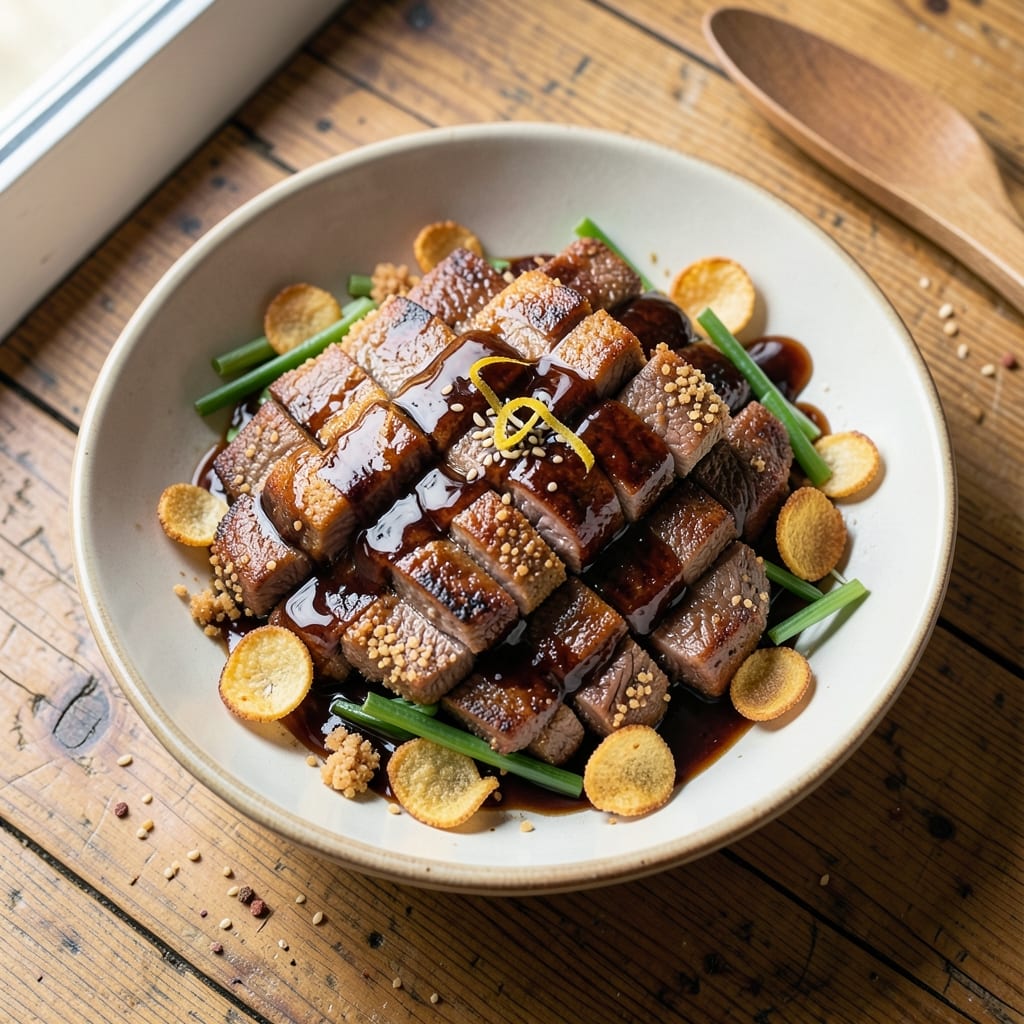
This Asian fried beef recipe delivers restaurant-quality crispy-caramelized bites that balance sweet soy glaze with savory depth—perfect for weeknight dinners or weekend feasts. The secret lies in a double-frying technique inspired by Korean bulgogi and Japanese katsu, where tenderized beef develops a golden crust while absorbing rich, sticky flavors. I’ve refined this method over years to ensure foolproof results, whether you’re using a deep fryer, stovetop pan, or air fryer for a lighter version.
The process begins with marinating thinly sliced beef in a blend of soy sauce, brown sugar, and aromatic spices, then coating it in a crispy panko-breaded layer. High heat is critical—this is where the magic happens, transforming tender beef into crunchy, caramelized perfection with a glossy glaze. The result? A dish that’s equally satisfying as a main course or appetizer, with enough leftovers to freeze for quick meals.
What sets this recipe apart is its versatility. Serve it with steamed rice and quick-pickled vegetables for a balanced meal, or pair it with a cooling cucumber salad to cut through the richness. The glaze caramelizes beautifully, creating those coveted sticky edges that make every bite irresistible. Whether you’re recreating a favorite takeout dish or experimenting with a new technique, this fried beef delivers consistent, restaurant-quality results.
For those watching calories, the air-fryer method reduces oil while maintaining crispiness, proving you don’t need deep-frying to achieve this level of flavor. The key is patience—letting the beef rest after frying ensures the breading stays intact, and the glaze sets into a glossy finish. Ready in under 45 minutes, this recipe is your go-to for a crowd-pleasing dish that feels indulgent yet manageable for home cooking.
Ingredients for asian fried beef
Restaurant-quality Asian fried beef starts with these carefully selected ingredients for perfect crispy-caramelized bites.
| Ingredient | Amount | Notes |
|---|---|---|
| Top-Shelf Ribeye Steak 🥩 | 1 ½ lb | Thinly sliced against grain |
| Kosher Soy Sauce 🥫 | ½ cup | High-quality, non-GMO preferred |
| Brown Sugar 🍚 | ¼ cup | Light or dark variety |
| Japanese Panko Breadcrumbs 🍞 | 2 cups | Standard or gluten-free if needed |
| Large Eggs 🥚 | 2 whole | Room temperature for best coating |
| Vegetable Oil 🫒 | 3 cups | High smoke point for frying |
| Minced Garlic 🧄 | 4 cloves | Freshly minced for aromatic depth |
| Fresh Ginger 🌿 | 1 tbsp | Finely grated, organic preferred |
| Sesame Oil 🫒 | 1 tbsp | Toasted sesame for nutty aroma |
| White Pepper 🌶️ | ½ tsp | Freshly ground for subtle heat |
| Ground Black Pepper 🌶️ | ½ tsp | Freshly cracked for brightness |
| Diamond Crystal Kosher Salt 🧂 | 1 ½ tsp | For seasoning and balancing flavors |
| Cornstarch 🌾 | 2 tbsp | For crispy glaze texture |
| Unsalted Butter 🧈 | 2 tbsp | Cold, cubed for finishing |
| Green Onions 🧅 | 4 whole | Thinly sliced for garnish |
The ribeye steak is non-negotiable here—its marbling ensures juiciness while the thin slices deliver that signature crispiness. Ask your butcher to slice it against the grain for tenderness. For the soy sauce, Kikkoman or Pearl River Bridge brands deliver consistent flavor, while brown sugar should be light for subtle sweetness. Japanese panko from Koyo or Mainstay brands creates the ideal crispy crust—avoid the cheap grocery store versions that turn mushy. Fresh ginger and garlic are essential for that authentic umami punch, so don't substitute with powdered versions. Store your spices in airtight containers away from light to preserve their potency.
No ribeye? Flank steak or sirloin work in a pinch, but slice thinner. Running low on sesame oil? Toasted peanut oil at half the amount mimics the nutty depth. The cornstarch is crucial for that signature glaze—Bob's Red Mill brand works perfectly. For a lighter version, replace half the vegetable oil with air fryer spray, though you'll lose some of that deep-fry crispiness. The butter at the end isn't optional—it adds that luxurious finish that separates home cooking from restaurant quality. If you're prepping ahead, marinate the beef overnight for maximum tenderness, but don't bread it until just before frying.
This dish reheats beautifully—350°F for 10-15 minutes in the oven with foil to prevent drying. Store leftovers in an airtight container for up to 4 days, though the breading gets soggy after day 2. For freezing, bread and fry fresh—the texture degrades when frozen. The glaze sets best when served immediately, so plan to eat within 2 hours of frying. Portion into individual servings before freezing for quick meals—just reheat in a skillet with a splash of water to restore crispiness. The green onions add freshness but can be omitted if you prefer a more intense beef flavor.
Why You'll Love This Recipe
- One-Pan Magic: I swear by this for nights when I’m too tired to wash extra dishes. The ribeye gets a quick sear in the same pan where the crispy panko crust forms—no flipping between pots, no stress.
- Sweet-Savory Bomb: That balance of brown sugar and kosher soy sauce? It’s like a hug for your taste buds. The crust stays crunchy while the inside stays juicy, and honestly, I’ll take that combo over takeout any day.
- Weeknight or WOW: Between us, this feeds a crowd but still feels special enough for date night. Double the batch for leftovers (they’re just as good cold), or serve it with rice and veggies for a meal that’s equal parts comforting and impressive.
- Budget Luxury: Top-shelf steak doesn’t have to mean breaking the bank. A single ribeye stretches across two meals—crispy fried beef for dinner, sliced thin for lunch salads the next day. Plus, panko and eggs are pantry staples that make it feel fancier than it is.
Step-by-step instructions for Asian fried beef with sweet soy glaze
Master the art of creating perfectly crispy, caramelized beef bites with this precise technique.
Prepare the Beef and Marinade
Slice the 1.5 lb top-shelf ribeye steak thinly against the grain into ¼-inch thick strips. Place them in a bowl and add the 0.5 cup kosher soy sauce, 0.25 cup brown sugar, 4 cloves minced garlic, and 1 tbsp freshly grated ginger. Mix gently to coat evenly, ensuring the marinade penetrates the beef. Let it sit at room temperature for 30 minutes—this allows the flavors to meld and the beef to tenderize slightly.
Here's the thing—don't rush this step. The marinade needs time to work its magic. If you're short on time, at least 15 minutes will help, but 30 minutes ensures maximum flavor infusion. The beef should look glossy and fully coated when ready.
Create the Breading Station
In a shallow bowl, whisk together the 2 whole large eggs until frothy but not fully emulsified. In another bowl, combine the 2 cups Japanese panko breadcrumbs, 2 tbsp cornstarch, 0.5 tsp white pepper, 0.5 tsp ground black pepper, and 1.5 tsp diamond crystal kosher salt. Mix gently to distribute the seasonings evenly.
I like to keep these three stations—marinated beef, egg wash, and breadcrumb mixture—separate to prevent soggy coatings. The cornstarch in the breadcrumbs is crucial for that extra-crispy texture we're after. Make sure your panko is fresh; stale breadcrumbs won't crisp properly.
Heat the Oil and Fry the Beef
Pour the 3 cups vegetable oil into a deep skillet or Dutch oven and heat over medium-high heat until it reaches 350°F—test with a small piece of bread that sizzles immediately when added. Working in batches to avoid overcrowding, remove the beef strips from the marinade (don't drain) and let any excess drip off for 10 seconds before dipping into the egg wash.
Shake off any excess egg, then press the beef into the breadcrumb mixture, coating each piece thoroughly. Fry for 2-3 minutes per batch until the breading is deep golden brown and the beef reaches an internal temperature of 145°F. The key is maintaining that 350°F oil temperature—if it drops below 325°F, the coating will absorb oil instead of crisping.
Finish with Sesame Oil and Butter Glaze
Transfer the fried beef to a paper towel-lined plate to drain excess oil. In the same skillet, reduce heat to low and add the 2 tbsp unsalted butter and 1 tbsp sesame oil. Swirl to coat the bottom, then return the beef to the skillet. Toss gently for 1 minute until the butter melts and creates a glossy sheen.
This finishing step elevates the dish from good to extraordinary. The sesame oil adds nutty aroma while the butter creates a silky glaze that ties all the flavors together. You'll notice the beef develops a beautiful caramelized sheen—this is your signal that it's ready to serve.
Garnish and Serve Immediately
Transfer the beef to a serving platter and garnish with the 4 whole green onions, thinly sliced. Serve immediately while the coating is still crisp and the beef is piping hot. The contrast of crispy exterior and tender interior makes each bite irresistible.
Real talk: Don't let the beef sit too long after frying. The coating loses its crispness quickly, and the beef can become rubbery. Serve with steamed rice and quick-pickled vegetables to balance the rich, savory-sweet flavors. The glaze will cling beautifully to each crispy bite, delivering that perfect combination of textures and flavors we're after.
Pro Tips For Making Asian Fried Beef
- CRACK THE STEAK FIRST: Pound that ribeye to an even ½-inch thickness—no thicker spots, no thinner. I used to skip this with ribeye and ended up with uneven doneness, especially when frying. A meat mallet or rolling pin works; just don’t go crazy and turn it into a tenderloin. ---
- MARINATE IN THE FRIDGE: Toss your steak in soy sauce, brown sugar, and a splash of water, then let it sit overnight in the fridge. I tried rushing this once and got a sticky, uneven coating—now I treat it like a steakhouse cut and give it time to absorb. Cover it loosely so it doesn’t steam. ---
- SKIP THE CROWDED PAN: Fry the steak in batches if your pan isn’t big enough—even if it means an extra minute. I learned this the hard way when my first batch turned soggy from steam. Keep the heat high and the pan uncluttered; the crust is what sells this dish. ---
- BREAD WITH DRY PANKO: Pat the egg-washed steak completely dry before pressing into panko—wet panko sticks like glue and burns. I used to shake off excess egg, but now I blot with paper towels. The result? A crispy, golden shell that doesn’t fall apart when you cut into it.
Wine and beer pairings for these flavors
Japanese Sake Pairings
For this rich, caramelized beef dish, a crisp dry junmai sake like Dassai 23 or Gekkeikan Sake cuts through the sweetness beautifully. The clean, slightly nutty notes complement the sesame and soy flavors without overpowering them. I always reach for a chilled junmai ginjo when serving this dish—its delicate floral aroma enhances the beef's umami depth. 🍶
Korean Soju Options
If you prefer something lighter, a chilled Korean soju like Chum Churum or Jinro works wonderfully. The neutral, smooth profile lets the beef's flavors shine while refreshing your palate between bites. For a festive touch, serve soju in small glass cups with a side of kimchi—the tangy-spicy contrast is unbeatable. Trust me, this pairing transforms a simple meal into an experience.
Chinese Rice Wine
A lightly sweet Shaoxing wine (like Yanghe Shaoxing) adds another layer of harmony, especially if you're serving with steamed rice. The wine's subtle sweetness mirrors the brown sugar in the glaze, while its earthy notes ground the dish's richness. I like to warm the wine slightly before serving—just enough to release its aromatic complexity without overpowering the beef's crispy exterior.
Craft Beer Alternatives
For beer lovers, a light Japanese lager like Asahi Super Dry or Sapporo matches the dish's crispy texture and sweet-savory balance. If you prefer hoppier options, try a wheat beer with citrus notes—Blue Moon or Allagash White add a refreshing contrast. Avoid heavy IPAs; their bitterness clashes with the soy glaze's sweetness. 🍺
Non-Alcoholic Pairings
Don't drink alcohol? No problem! A sparkling yuzu soda (like Calpis Yuzu) mirrors the dish's citrusy-sweet profile without the boozy kick. For something more traditional, serve iced green tea (like Genmaicha)—its toasty notes complement the sesame oil beautifully. Even a ginger beer with a squeeze of lime adds zesty brightness that cuts through the richness. 💚
Nutrition facts
Frequently asked questions
Can I use regular breadcrumbs instead of Japanese panko?
You can try, but your results won't be the same. Japanese panko creates a lighter, crispier crust because its larger flakes toast more evenly. For a budget-friendly alternative, lightly crush regular bread into coarse crumbs and toast them in a dry pan for 3-4 minutes before using. The cornstarch in the recipe helps compensate, but panko's airy texture is what gives that signature crunch.
How do I keep the beef from getting rubbery after frying?
Two key factors prevent rubbery beef: proper slicing and quick cooking. Always slice against the grain into ¼-inch thick strips, and cook at 350°F for only 2-3 minutes. Overcrowding the pan lowers oil temperature, causing the beef to steam instead of sear. Let the beef rest 5 minutes after frying before serving—this redistributes juices while the coating stays crisp.
What's the best way to reheat leftover fried beef?
Reheat in a skillet over medium-low heat for 2-3 minutes with a splash of water to restore moisture. Microwaving makes the breading soggy. For extra crispiness, broil for 1-2 minutes after reheating. Store leftovers in an airtight container for up to 3 days, but the breading loses crispness after day 2. Freezing isn't recommended—breaded fried beef reheats best fresh.
Can I make this recipe with chicken or pork instead of beef?
For chicken, use 1 lb boneless thighs (darker meat stays juicier) and reduce marinating to 20 minutes. For pork, boneless pork chops work well—slice ½-inch thick and marinate 30 minutes. Chicken needs 375°F oil and 2 minutes per side, while pork should reach 145°F internal temp. The cornstarch glaze works for both, but adjust cooking times carefully—pork browns faster than beef.
Why does my fried beef taste bland?
Bland flavor usually comes from one of three issues: weak marinade, insufficient seasoning, or overcrowding. Always use high-quality soy sauce (like Kikkoman) and fresh ginger/garlic. Double-check your breading has all seasonings (pepper, salt, cornstarch). Fry in batches to maintain oil temperature—overcrowding steams the beef instead of searing it. For extra depth, add 1 tsp fish sauce to the marinade or ½ tsp five-spice powder to the breadcrumbs.