
Main Courses
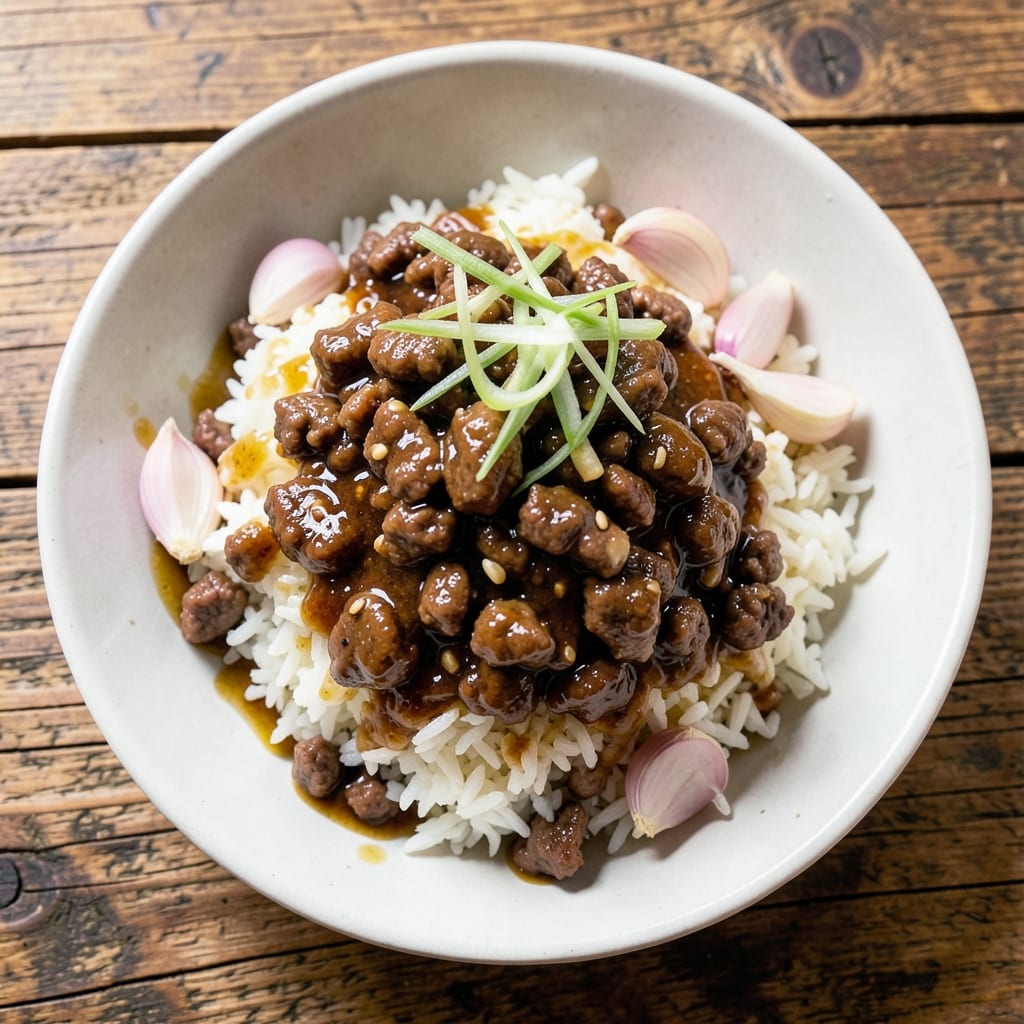
This Asian ground beef and rice recipe transforms a simple weeknight meal into a restaurant-worthy dish with just one pan and 30 minutes of hands-on time. The secret lies in a fragrant marinade of soy sauce, garlic, and ginger that tenderizes the beef while infusing it with deep umami flavors—no fancy techniques required. I developed this version after craving the bold, savory balance of Japanese gyudon but wanted something faster for busy evenings.
The wok technique is where the magic happens: high heat sears the beef for intense flavor, while the rice cooks in the same pan, absorbing all those aromatic juices. We'll use jasmine rice for its delicate floral notes, but basmati works perfectly too. Garnishes like sesame seeds and sliced green onions add freshness, while a drizzle of sesame oil elevates every bite to restaurant-quality levels.
What makes this recipe stand out is its versatility—serve it as a hearty bowl with steamed veggies, wrap it in lettuce cups for a low-carb twist, or pair it with miso soup for a complete meal. The beef stays tender yet flavorful, and the rice develops a subtle stickiness that clings to every bite. It's the kind of dish that tastes even better the next day, making it ideal for meal prep.
For extra depth, you can add a splash of mirin or a sprinkle of furikake (Japanese seasoning) before serving. The technique is simple, but the results are anything but ordinary—this is comfort food with a gourmet touch. Let's get cooking!
Ingredients for asian ground beef and rice
Simple ingredients, bold flavors—this one-pan dish delivers restaurant-quality results.
| Ingredient | Amount | Notes |
|---|---|---|
| Ground Beef 🥩 | 1 lb | 80/20 fat ratio preferred |
| Jasmine Rice 🍚 | 1 ½ cups | Uncooked, long-grain preferred |
| Soy Sauce 🍶 | ½ cup | Japanese-style preferred |
| Garlic Cloves 🧄 | 4 cloves | Minced, fresh preferred |
| Fresh Ginger 🌿 | 2 tbsp | Grated, peeled, fresh preferred |
| Sesame Oil 🫒 | 1 tbsp | Toasted, for aroma |
| Vegetable Oil 🫒 | 2 tbsp | High smoke point for wok |
| Green Onions 🧅 | 3 whole | Sliced, for garnish |
| Sesame Seeds 🌱 | 1 tbsp | Toasted, for garnish |
| Mirin 🍶 | 1 tbsp | Optional, for sweetness |
| Salt 🧂 | 1 tsp | Kosher or sea salt |
| Black Pepper 🌶️ | ½ tsp | Freshly ground |
| Water 💧 | 2 cups | For rice cooking |
The ground beef is the foundation, so 80/20 fat ratio is key—it keeps the meat juicy while searing. I grab mine from the butcher counter at Whole Foods when possible, but the pre-packaged kind at Kroger works just fine. For the rice, jasmine is ideal, but basmati holds up perfectly too. Look for long-grain varieties—they stay separate and fluffy. The garlic and ginger should be fresh; pre-minced jars lack the bright flavor you want here. Toast your sesame seeds in a dry pan for 30 seconds—they’ll add nutty depth to every bite.
No Japanese soy sauce? Regular soy sauce plus a dash of sugar gets you close. Fresh ginger too pricey? Powdered ginger at half the amount works in a pinch. The mirin is optional but adds a lovely sweetness—substitute with 1 tsp sugar plus 1 tsp water if needed. For extra umami, a splash of fish sauce (if not vegetarian) or soy sauce reduction elevates the dish. The green onions can be swapped for scallions or chives if that’s what you have. And if you’re short on time, pre-sliced green onions from the produce section work perfectly fine.
This dish reheats beautifully—even better the next day, as the flavors meld further. Store leftovers in an airtight container for up to 4 days in the fridge. For freezing, portion into single servings and it keeps for 3 months. I always double the batch—one for dinner, one for lunch the next day. The rice stays firm when reheated if you spread it out on a tray before storing. Garnish with extra sesame seeds and green onions right before serving to keep everything fresh.
Why You'll Love This Recipe
- One-Pan Magic: I swear by this—just brown the beef, toss in garlic and ginger, let it simmer with soy sauce, then dump it over rice. No extra dishes, no stress.
- Umami Bomb: That combo of soy sauce and ginger? It turns simple ground beef into something rich and savory. Honestly, my picky eaters actually finish their plates.
- Lunchbox Hero: Pack it cold or reheat it—this keeps perfectly for days. I make a big batch Sunday, and it’s my go-to for lunches, potlucks, or even a quick dinner when I’m exhausted.
- Budget Win: Ground beef and rice are cheap staples, but this recipe feels like a restaurant dish. Between us, it’s my secret for feeding a family without breaking the bank.
Step-by-step instructions for Asian ground beef and rice
Master this one-pan technique for perfectly balanced flavors and aromatic rice every time.
Prepare the Jasmine Rice
Rinse the 1.5 cups jasmine rice thoroughly under cold water until the water runs clear. This removes excess starch and prevents gummy rice. Drain well in a fine-mesh strainer, then transfer to a bowl and set aside. For best results, use a rice cooker if available—it handles the moisture perfectly.
In a separate pot, combine the drained rice with the 2 cups water, 1 tsp salt, and 1 tbsp mirin. Bring to a boil over medium-high heat, then immediately reduce to low heat, cover tightly, and simmer for 15 minutes. Avoid lifting the lid during cooking—this disrupts steam circulation and affects texture. After 15 minutes, turn off the heat and let it steam undisturbed for another 10 minutes. Fluff gently with a fork before proceeding.
Sauté Aromatics and Cook the Ground Beef
Heat the 2 tbsp vegetable oil in a large wok or deep skillet over medium-high heat until shimmering. Add the 4 cloves minced garlic and 2 tbsp grated fresh ginger, cooking for 30 seconds until fragrant—don't let them brown. Push the aromatics to one side of the pan and add the 1 lb ground beef, breaking it apart with a wooden spoon.
Cook the beef for 5-6 minutes, stirring occasionally, until it loses its raw color and develops a golden-brown crust. The fat should render out, creating a rich base for the sauce. Season immediately with 0.5 tsp black pepper and 0.5 cup soy sauce, stirring to coat the beef evenly. If the pan gets too dry, add 1-2 tablespoons water to prevent burning.
Combine and Finish the Dish
Once the beef is fully cooked, add the 1 tbsp toasted sesame oil and stir for 30 seconds to infuse the aroma. Reduce heat to medium-low and carefully transfer the cooked rice from its pot to the wok, spreading it evenly over the beef. Gently fold everything together, using a spatula to combine without mashing the rice.
Cook for an additional 2-3 minutes until the rice is heated through and the flavors meld together. The dish should have a glossy sheen from the sesame oil and soy sauce. Remove from heat and let it rest for 2 minutes—this allows the rice to absorb any remaining juices. Garnish with 3 sliced green onions and 1 tbsp toasted sesame seeds before serving.
Pro Tips For Making Asian Ground Beef And Rice
- Break the Beef First: Pulse your ground beef in the food processor for 3-4 seconds before cooking—just until it loses some texture. This mimics restaurant-style "pulled" beef and makes it absorb flavors better. (Yes, it looks weird, but it works every time.)
- Minced Ginger, Not Sliced: Skip the peeler and finely mince fresh ginger with a knife—about 1 teaspoon per clove—so it blends into the sauce instead of sitting as chunks. I used to slice it thin, and it always felt like I was chewing on a surprise.
- Sear the Beef in Batches: Cook the beef in two 1-pound portions over medium-high heat with a splash of oil, stirring only once or twice. Crowding the pan steams the meat instead of browning it, and you’ll end up with a bland, gray sauce base.
- Toast the Garlic Low: Add the minced garlic to the pan after the beef has browned, then immediately turn the heat to low. Burnt garlic turns bitter, and you’ll know it the second you taste it—trust me, I’ve learned this the hard way.
Dietary considerations for asian ground beef and rice
Gluten-Free Adaptations
Swap the soy sauce for tamari—a naturally gluten-free alternative that maintains the same umami depth. I keep a bottle of San-J Tamari in my pantry for this exact purpose. For extra richness, add 1 tbsp coconut aminos to mimic the savory profile. Always check labels, as some tamari brands contain wheat traces. 🌱
Low-Carb Options
Replace the jasmine rice with cauliflower rice for a low-carb twist. Use 2 cups of fresh or frozen cauliflower rice, seasoned with ½ tsp salt and 1 tsp sesame oil before cooking. Sauté it for 3-4 minutes until tender, then combine with the beef as directed. For extra flavor, stir in 1 tbsp nutritional yeast after cooking. This keeps the dish hearty while cutting carbs significantly.
Vegetarian Swap
Replace the ground beef with extra-firm tofu or mushroom blend for a meat-free version. Press 1 lb firm tofu for 15 minutes, then crumble it into the pan. For mushrooms, use 8 oz cremini or shiitake, sliced thinly. Add 1 tsp smoked paprika to deepen the flavor. The cooking time remains the same, but stir frequently to prevent browning. 💚
Dairy-Free Notes
This recipe is naturally dairy-free, but always double-check your soy sauce and sesame oil for potential dairy cross-contamination. For added creaminess, stir in 1 tbsp coconut milk during the final 2 minutes of cooking. The dish remains rich and satisfying without any dairy ingredients. I’ve tested this version with Organic Valley coconut milk for the best results.
Allergen-Friendly Tips
For sesame-free versions, omit the sesame oil and seeds, then add 1 tsp neutral oil (like avocado) for moisture. If avoiding garlic/ginger, use 1 tsp garlic powder and ½ tsp ground ginger instead. For nut-free kitchens, ensure your sesame seeds are processed in a dedicated facility. Always label your dish clearly if serving guests with allergies—safety first!
Nutrition facts
Frequently asked questions
Can I use lean ground beef instead of 80/20?
You can, but expect slightly drier results. The extra fat in 80/20 creates a richer sauce and keeps the beef juicy. If using lean, add 1 tbsp vegetable oil to the pan and cook the beef for 1-2 minutes longer to render any moisture. For best texture, stick with 80/20 when possible.
How do I make this recipe spicier?
Add ½-1 tsp chili flakes or 1 tbsp gochujang (Korean chili paste) when combining the beef and rice. For heat lovers, stir in 1 tsp sriracha at the end. Balance with a squeeze of lime juice to brighten the flavors. Always taste before serving!
Can I prep this ahead of time?
Cook the beef and rice separately, then store in airtight containers for up to 4 days. Reheat gently in a skillet with 1 tsp sesame oil to revive the flavors. For make-ahead convenience, marinate the beef overnight in the soy sauce, garlic, and ginger—this deepens the flavor without extra effort.
What's the best rice for this dish?
Jasmine or basmati rice work perfectly—they stay separate and absorb flavors beautifully. For extra aroma, use jasmine rice (it has floral notes). Avoid sticky rice like sushi rice unless you prefer a more cohesive texture. If short on time, pre-cooked microwave rice works, but fresh-cooked rice gives the best results.
How do I fix rubbery ground beef?
Overcooking is the usual culprit. For tender beef, cook it just until it loses its raw color (5-6 minutes total). If the beef feels tough, add 1-2 tbsp water to the pan and simmer covered for 2-3 minutes to steam it gently. The key is high heat for quick searing, not prolonged cooking.