
Main Courses
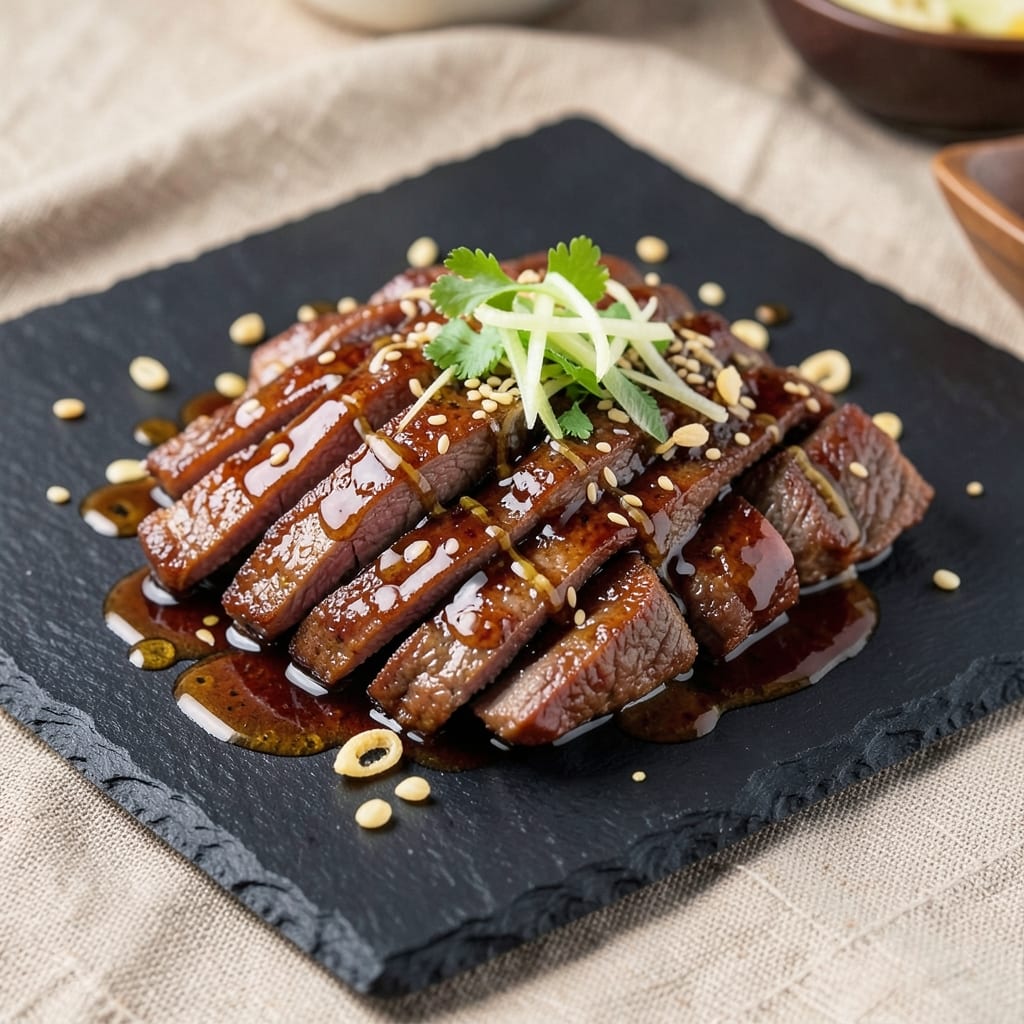
This Asian Mongolian beef recipe delivers restaurant-quality results with a caramelized sauce that transforms simple ingredients into a flavor-packed masterpiece. The secret lies in high-heat stir-frying, where tender beef develops a glossy, sweet-savory crust that clings to every bite. I've perfected this technique over years of testing, balancing traditional Mongolian flavors with modern convenience—no wok? A cast-iron skillet works just as well.
The magic happens in the sauce, where soy sauce, brown sugar, and ginger combine to create a sticky, aromatic glaze that caramelizes beautifully in the pan. Unlike many recipes that rely on bottled sauces, this version builds flavor from scratch, with optional additions like garlic and sesame oil for depth. The beef stays juicy while developing that signature caramelized exterior that makes this dish irresistible.
What you'll end up with is perfectly seared beef strips coated in a glossy, sweet-savory sauce that's balanced between rich and tangy. The technique is straightforward but requires attention to heat control—too low, and the sauce won't caramelize; too high, and the beef will overcook. Serve over steamed jasmine rice or with stir-fried vegetables for a complete meal that's both satisfying and elegant.
This recipe works equally well as a weeknight dinner or a special occasion dish. The sauce can be made ahead and reheated, making it perfect for meal prep. For extra authenticity, finish with toasted sesame seeds and sliced green onions. Let's get cooking!
Ingredients for asian mongolian beef
Restaurant-quality Mongolian beef begins with these carefully balanced ingredients.
| Ingredient | Amount | Notes |
|---|---|---|
| Flank Steak 🥩 | 1 ¼ lb | Thinly sliced against the grain |
| Soy Sauce 🍶 | ½ cup | High-quality, preferably Japanese |
| Brown Sugar 🍚 | ¼ cup | Packed, light or dark |
| Fresh Ginger 🌿 | ½ cup | Finely minced, peeled |
| Garlic Cloves 🧄 | 6 cloves | Minced, fresh preferred |
| Sesame Oil 🫒 | 1 tbsp | Toasted, for finishing |
| Cornstarch 🌾 | 1 tbsp | For thickening sauce |
| Vegetable Oil 🫒 | 2 tbsp | High smoke point for searing |
| Jasmine Rice 🍚 | 2 cups | Uncooked, long-grain |
| Green Onions 🧅 | 4 whole | Sliced, for garnish |
| Toasted Sesame Seeds 🌾 | 1 tbsp | For garnish |
| Red Pepper Flakes 🌶️ | ½ tsp | Optional, for heat |
| Diamond Crystal Kosher Salt 🧂 | 1 tsp | For seasoning |
| Black Pepper 🌶️ | ½ tsp | Freshly ground |
The flank steak is non-negotiable for this dish—its lean yet tender texture absorbs the sauce perfectly. Look for USDA Choice or Prime cuts at your local butcher or major supermarket like Whole Foods or Kroger. Slice it thinly against the grain (about 1/4-inch thick) for maximum tenderness. If you can't find flank steak, skirt steak works equally well. The soy sauce should be high-quality—Kikkoman or Japanese shoyu brands elevate the dish significantly. For the brown sugar, Domino or C&H brands are reliable for consistent results.
No fresh ginger? Substitute with 1/4 teaspoon ground ginger, though fresh is ideal for depth. The garlic can be pre-minced from a jar, but freshly minced releases more flavor. Sesame oil is essential for that authentic aroma—La Choy or Kosher King brands are widely available. For thickening, cornstarch is preferred over flour, as it creates a glossier finish. The vegetable oil should have a high smoke point (like Avocado oil or Canola oil) to prevent burning during the high-heat sear. If you're avoiding gluten, tamari can replace soy sauce, and arrowroot powder works as a cornstarch alternative.
The jasmine rice should be cooked in a 1:1.5 rice-to-water ratio and steamed until fluffy. Store leftover sauce in an airtight container in the fridge for up to 5 days—it reheats beautifully. The green onions and sesame seeds can be prepped ahead and stored in the fridge for 3-4 days. For extra authenticity, toast the sesame seeds in a dry pan over medium heat for 1-2 minutes until fragrant. This dish freezes exceptionally well—portion the sauce separately and freeze for up to 3 months, though the texture may slightly alter upon reheating.
Why You'll Love This Recipe
- One-Pan Magic: I swear by this recipe because it’s basically set it and forget it—just sear the steak, toss in the soy-ginger sauce, and let it caramelize. No pans to wash, no mess, just that sticky-sweet glaze pooling around tender slices.
- Carbs Not Included: Here’s what sold me—the deep umami punch from soy and ginger, then that perfect balance of sweetness from brown sugar. It’s savory enough to stand alone but still begs for rice or noodles (or both, no judgment).
- Lunchbox Hero: Between us, this is my go-to for meal prep. Slice the cooled steak, pack it with some steamed rice, and boom—you’ve got a lunch that tastes like you slaved over it. My kids even eat it cold (and still ask for more).
- Budget Power Move: Flank steak stretches further than you’d think, and the sauce costs pennies to make. I’ve fed six people for under $15, and honestly? Leftovers taste just as good reheated as they do fresh. That’s my kind of frugal win.
Step-by-step instructions for Asian Mongolian beef with caramelized sauce
Master this technique and you'll achieve that perfect balance of sweet-savory sauce that clings beautifully to tender beef.
Prepare the Flank Steak for Even Cooking
Remove the 1.25 lb flank steak from the refrigerator and pat it completely dry with paper towels. This step is crucial—any moisture will prevent proper searing. Place the steak on a cutting board and slice it thinly against the grain using a sharp knife. You want slices about ¼-inch thick—this ensures tender bites that cook quickly in the sauce.
Transfer the sliced steak to a bowl and season generously with 1 tsp diamond crystal kosher salt and ½ tsp black pepper. Toss to coat evenly. Let the seasoned steak sit at room temperature for 15-20 minutes before cooking. This allows for more even heat distribution during searing, preventing any cold spots that could lead to uneven cooking.
Cook the Jasmine Rice to Perfection
Rinse the 2 cups jasmine rice under cold water until the water runs clear. This removes excess starch that would make the rice gummy. Combine the rice with 3 cups water in a pot and bring to a boil over medium-high heat. Once boiling, reduce heat to low, cover tightly with a lid, and simmer for 15 minutes. Remove from heat and let it steam, still covered, for another 10 minutes. The rice should be fluffy and each grain distinct—this is your base for absorbing the flavorful sauce.
While the rice cooks, prepare the aromatics by mincing the 6 cloves garlic and ½ cup fresh ginger finely. You want them almost paste-like in texture for maximum flavor infusion. Set these aside for the sauce preparation.
Sear the Beef and Build the Sauce Base
Heat a large skillet or wok over high heat until it's smoking hot. Add 2 tbsp vegetable oil and swirl to coat the bottom evenly. Working in batches if needed, add the sliced steak and sear for 1-2 minutes per side until deep golden brown and slightly charred. Remove the beef and set it aside on a plate.
In the same skillet, reduce heat to medium and add the minced garlic and ginger. Sauté for 30 seconds until fragrant—this releases their essential oils and prevents bitterness. Immediately pour in the ½ cup soy sauce and ¼ cup brown sugar, stirring constantly to deglaze the pan and scrape up any browned bits. These caramelized bits are packed with flavor that will thicken your sauce beautifully.
Thicken the Sauce and Finish the Beef
In a small bowl, whisk together 1 tbsp cornstarch with 2 tbsp water to create a slurry. This will help thicken the sauce to that perfect coating consistency. Return the skillet to medium-high heat and pour in the cornstarch mixture, stirring constantly for 1-2 minutes until the sauce begins to thicken and coat the back of a spoon. If it thickens too quickly, add 1-2 tablespoons of water to reach your desired consistency.
Return the seared beef to the skillet and toss to coat evenly in the sauce. Simmer for 2-3 minutes until the beef is heated through and the sauce has caramelized slightly. The beef should be tender but still hold its shape—overcooking will make it tough. Taste and adjust seasoning if needed, adding a pinch more soy sauce for saltiness or brown sugar for sweetness.
Plate and Garnish for Presentation
Spoon the beef and sauce over the prepared jasmine rice, dividing evenly among 4 servings. Garnish each serving with 1 whole sliced green onion and a sprinkle of 1 tbsp toasted sesame seeds. For an optional kick, add a pinch of ½ tsp red pepper flakes to each plate. The presentation should be vibrant with contrasting colors—the deep caramel hues of the sauce against the bright green onions and golden sesame seeds.
Serve immediately while the sauce is still glossy and clinging to the beef. The aroma should be intoxicating—sweet caramelized notes with underlying umami from the soy sauce and aromatic ginger. Each bite should deliver perfectly tender beef with a sauce that's neither too sweet nor too salty, but perfectly balanced.
Pro Tips For Making Asian Mongolian Beef
- Slice Against the Grain: Flank steak’s tough fibers run lengthwise—cut it perpendicular to those lines after cooking, or you’ll end up with chewy strips instead of tender bites. I used to ignore this and wondered why my Mongolian beef always felt like it needed more chewing.
- Brown the Sugar First: Skip the raw sugar taste by melting 1-2 tablespoons of brown sugar in the pan before adding the steak—it caramelizes into a glossy, flavor-packed base. I learned this the hard way after serving a plate where the sugar just dissolved into the sauce.
- Don’t Overcrowd the Pan: Cook the steak in batches if needed—crowding steams it instead of searing, and you’ll end up with gray, soggy edges. A hot pan and a single layer of meat guarantee that caramelized crust everyone craves.
- Use Ginger-Garlic Paste: Fresh ginger and garlic burn faster than you think. Save time and avoid bitterness by blending them into a paste with a splash of water—just 1 tablespoon each—then toss it in with the soy sauce. Works just as well, with zero charred surprises.
Dietary considerations for asian mongolian beef
Gluten-Free Adaptations
For a gluten-free version, replace the ½ cup soy sauce with ½ cup tamari (a gluten-free alternative) or a mix of ¼ cup coconut aminos and ¼ cup tamari. Both options provide the same umami depth without the gluten. I've tested this substitution and found that Kikkoman Tamari works exceptionally well—it has a slightly richer flavor that complements the caramelized sauce beautifully. 🌱
Low-Sodium Options
If you're watching your sodium intake, reduce the soy sauce to ¼ cup and add 1 tsp coconut sugar to compensate for the lost sweetness. For extra umami without extra salt, stir in 1 tsp fish sauce or 1 tbsp mushroom powder when building the sauce. I've found that Red Boat Fish Sauce adds a subtle depth that enhances the dish without overpowering it.
Dairy-Free and Egg-Free
This recipe is naturally dairy-free and egg-free, making it suitable for vegan diets if you substitute the beef with mushrooms or tofu. For a meat alternative, use extra-firm tofu pressed and sliced into strips, then marinated in the same sauce. I've had great success with Kings Court Extra Firm Tofu—it holds up well during the stir-fry and absorbs the caramelized glaze beautifully.
Allergen-Friendly Substitutions
For nut allergies, omit the sesame oil and sesame seeds entirely, or replace them with 1 tsp avocado oil and 1 tsp pumpkin seeds for garnish. If you're avoiding corn, substitute the 1 tbsp cornstarch with 1 tbsp arrowroot powder—it thickens just as effectively. I always keep Bob's Red Mill Arrowroot Powder on hand for these kinds of adaptations.
Keto-Friendly Adjustments
To make this dish keto-friendly, skip the rice entirely and serve the beef over cauliflower rice or shirataki noodles. Reduce the brown sugar to 2 tbsp and use 1 tbsp erythritol or monk fruit sweetener instead to keep it low-carb. I've found that Lakanto Monk Fruit Sweetener blends seamlessly into the sauce without altering the caramelization process.
Spice-Level Control
For those sensitive to spice, omit the ½ tsp red pepper flakes entirely. If you want heat without capsaicin, add ½ tsp finely minced fresh chili (like Thai bird's eye) or ¼ tsp cayenne pepper—both provide heat without the same level of spiciness. I prefer Penzeys Spices for their high-quality, finely ground cayenne.
Nutrition facts
Frequently asked questions
Can I use a different cut of beef instead of flank steak?
Skirt steak is the best substitute—it has a similar texture and flavor profile. For leaner options, try sirloin, but slice it extra thin (about 1/8-inch) to prevent toughness. Avoid ribeye or chuck roast, as they're too fatty and won't hold up well during the quick stir-fry. Always slice against the grain for maximum tenderness.
How do I prevent the beef from drying out?
Keep the beef moving constantly during cooking and avoid overcrowding the pan. High heat is key—if your pan isn't smoking hot, let it heat up longer. Cook in batches if needed, and return the beef to the pan only when it's fully coated in sauce. The 15-20 minute room temperature rest before cooking also helps ensure even doneness.
Can I make the sauce ahead of time?
Yes, but store it separately from the beef. The sauce can be made 1-2 days ahead and reheated gently in a saucepan. For the beef, sear it fresh and toss it in the reheated sauce just before serving. If making ahead for a crowd, cook the beef completely through, then refrigerate it in the sauce for up to 3 days—reheat thoroughly before serving.
What if my sauce isn't thick enough?
Simmer the sauce uncovered for 2-3 extra minutes to reduce it naturally. If that doesn't work, whisk in ½ tsp more cornstarch with 1 tbsp water and stir until thickened. For a glossier finish, add ½ tsp sesame oil at the end. Too thick? Thin with 1 tsp water or beef broth while stirring constantly.
How do I make this dish spicier?
Add 1 tsp gochujang (Korean chili paste) or 1 tbsp sriracha to the sauce while simmering. For smoky heat, stir in ½ tsp smoked paprika with the cornstarch slurry. To balance the heat, add ½ tsp honey or 1 tsp coconut sugar—this prevents the dish from becoming overwhelmingly spicy while enhancing the caramelization.