
Main Courses
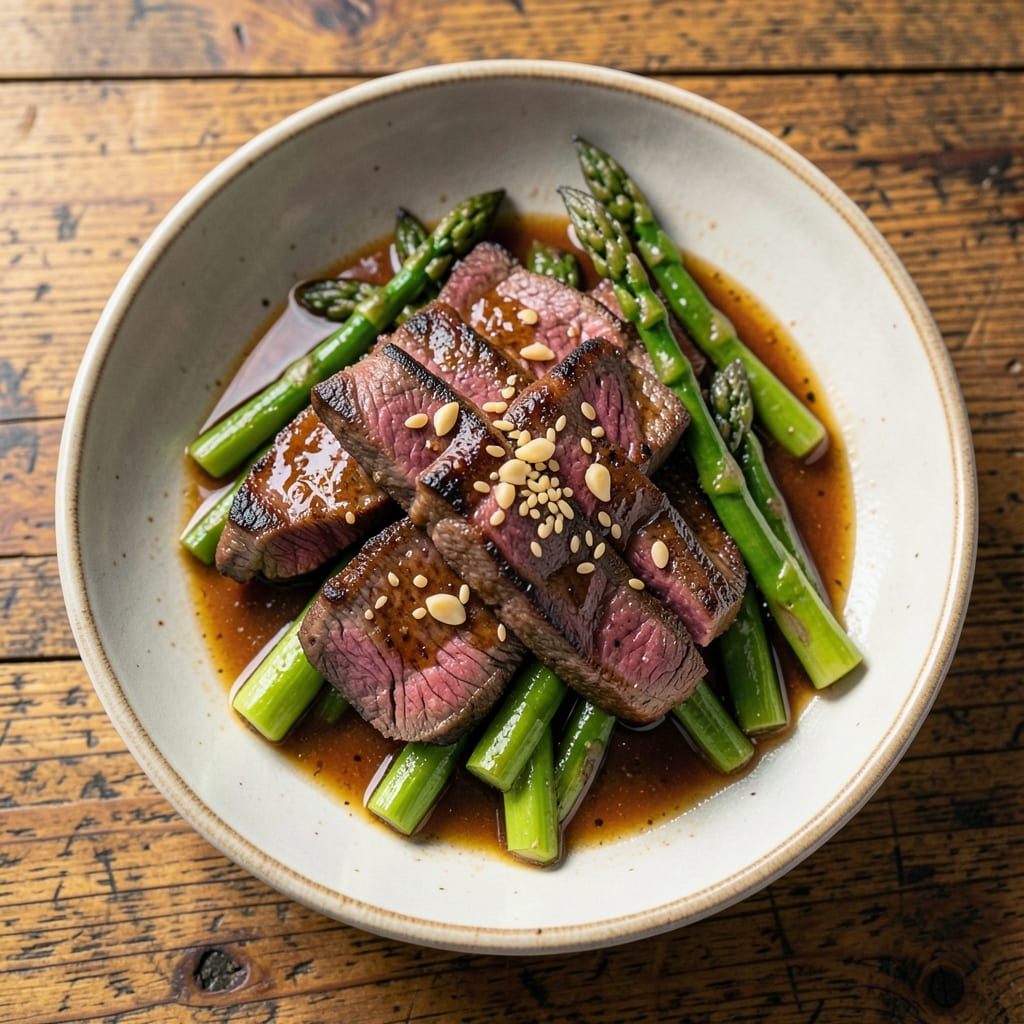
This asparagus beef Chinese recipe delivers restaurant-quality stir-fry in just 20 minutes—crisp-tender asparagus and tender beef bathed in a savory-sweet sauce that balances umami depth with fresh brightness. The secret lies in proper stir-frying technique: high heat, quick cooking, and a well-prepared sauce that transforms simple ingredients into a dish worthy of any Chinese bistro.
What sets this recipe apart is the harmony of textures and flavors: the snap of fresh asparagus spears contrasts beautifully with the silky beef, while the sauce—built on a foundation of soy, ginger, and garlic—adds layers of complexity. Unlike many home versions that rely on heavy sauces, this recipe uses just enough to coat without overwhelming, preserving the natural flavors of the ingredients.
The result is a dish that's equally impressive as a weeknight dinner or for entertaining—plated with vibrant garnishes that elevate its presentation. The technique is straightforward enough for home cooks but delivers professional-level results, making it perfect for anyone looking to recreate that wok-house experience at home.
Whether you're serving this as a main course or pairing it with steamed rice, the balance of flavors and textures ensures every bite is satisfying. The recipe's simplicity belies its depth, making it a go-to for quick yet impressive meals that feel authentically Chinese-inspired.
Ingredients for asparagus beef chinese
Authentic Chinese stir-fry relies on precise ingredients and technique to balance umami, sweetness, and texture.
| Ingredient | Amount | Notes |
|---|---|---|
| Asparagus Spears 🥬 | 1 lb | Trimmed ends, tough woody bottoms removed |
| Flank Steak 🥩 | 1 lb | Thinly sliced against grain |
| Low-Sodium Soy Sauce 🍶 | 3 tbsp | Kikkoman preferred for authentic flavor |
| Oyster Sauce 🍲 | 2 tbsp | Lee Kum Kee brand for optimal balance |
| Sesame Oil 🫒 | 1 tbsp | Toasted sesame oil for aroma |
| Garlic Cloves 🧄 | 4 cloves | Minced finely for even distribution |
| Fresh Ginger 🌿 | 2 tbsp | Grated finely using microplane |
| Honey 🍯 | 1 tbsp | Pure clover honey for sweetness |
| Cornstarch 🌾 | 1 tbsp | For tenderizing beef slices |
| Neutral Oil 🫒 | 2 tbsp | Avocado or vegetable oil |
| Green Onions 🧅 | 3 whole | Chopped for garnish |
| Sesame Seeds 🌰 | 1 tbsp | Toasted lightly for crunch |
| Diamond Crystal Kosher Salt 🧂 | ½ tsp | For seasoning |
| Freshly Ground Black Pepper 🌶️ | ¼ tsp | For finishing |
The flank steak is non-negotiable for this dish—its lean texture breaks down beautifully when sliced thinly against the grain. Butcher shops often slice it fresh for stir-fry, but if you're prepping at home, use a sharp knife and freeze the meat for 20 minutes first to make slicing easier. For asparagus, look for bright green spears with tightly closed tips at Whole Foods or your local farmers market—they'll stay crispest. Fresh ginger and garlic should smell vibrant, not musty. If using pre-minced garlic, toast it in the wok first for deeper flavor. The Kikkoman soy sauce and Lee Kum Kee oyster sauce are industry standards for this recipe, but any high-quality brands will work.
No oyster sauce? Hoisin sauce or extra soy sauce can substitute, though the depth of umami will differ slightly. Running out of sesame oil? Toasted peanut oil works in a pinch, but add an extra teaspoon of honey to compensate for the flavor difference. The cornstarch isn't just for thickening—it tenderizes the beef when tossed in beforehand. If you're gluten-free, use arrowroot powder instead. For the asparagus, avoid overcrowding the wok; cook in batches if needed to maintain that signature snap. The green onions should be chopped into 1-inch pieces for garnish, and the sesame seeds can be toasted in a dry pan for just 30 seconds until fragrant—don't burn them or they'll turn bitter.
Prep the beef and asparagus ahead of time, but keep them separate until ready to cook—they'll release moisture and make the wok slippery. This dish reheats beautifully; store leftovers in an airtight container for up to 3 days in the fridge. For freezing, portion into single servings and freeze for up to 2 months. When reheating, add a splash of water and cover to prevent drying. The sauce can be made in advance and stored for 1 week in the refrigerator, though the fresh ginger will lose some potency after 3 days—refresh it with a pinch of grated ginger if needed.
Why You'll Love This Recipe
- One-Pan Magic: I swear by this recipe when I’m too tired to wash dishes—just sear the steak, toss in the asparagus, and let the soy and oyster sauces do the work. The sesame oil finishes it with that signature aroma, and honestly? I’ve never felt guilty about leaving pans in the sink afterward.
- Umami Bomb: That combo of low-sodium soy and oyster sauce? It’s where the flavor really lives. The beef stays tender but packs a punch, while the asparagus soaks up just enough of the savory glaze to make every bite feel like a little celebration. (Yes, even on a Tuesday night.)
- Meal Prep MVP: Between us, this is my go-to for lunches all week. The flavors actually improve the next day—better than most takeout, and way cheaper. I portion it out with rice and call it a day, no stress.
- Budget Steakhouse Hack: Flank steak is affordable, and this recipe makes it feel fancy without breaking the bank. A single cut feeds four, and the leftovers? Just as good reheated as they were fresh. My wallet—and my taste buds—thank me every time.
Step-by-step instructions for stir-fried asparagus beef
Master this technique for perfectly tender beef and crisp-tender asparagus every time.
Prepare the Beef and Asparagus
Slice the 1 lb flank steak thinly against the grain into ¼-inch thick strips. This ensures tender bites by shortening the muscle fibers. Place the sliced beef in a bowl and toss with the 1 tbsp cornstarch, 0.5 tsp Diamond Crystal Kosher Salt, and 0.25 tsp Freshly Ground Black Pepper. Let it sit for 10 minutes while you prep the vegetables.
Trim the tough woody bottoms from the 1 lb asparagus spears and cut them into 2-inch pieces. Blanch the asparagus in boiling water for 1 minute, then immediately plunge into ice water to stop cooking. This preserves their bright green color and crisp texture. Drain well and set aside.
Build the Flavor Base
Heat a large wok or skillet over high heat until it's smoking hot. Add the 2 tbsp neutral oil and swirl to coat. Add the beef in a single layer and let it sear undisturbed for 1-2 minutes until the edges turn golden brown. Stir-fry for another 2 minutes until the beef is 80% cooked but still slightly pink in the center. Remove the beef and set aside.
In the same pan, add the 4 cloves minced garlic cloves and 2 tbsp fresh ginger (grated finely). Stir-fry for 30 seconds until fragrant but not browned. Add the 3 tbsp low-sodium soy sauce, 2 tbsp oyster sauce, and 1 tbsp honey. Stir constantly for 1 minute until the sauce begins to thicken slightly. The mixture should smell rich and aromatic with a balance of salty, sweet, and umami notes.
Cook the Asparagus and Combine
Return the beef to the pan and add the blanched asparagus spears. Stir-fry for 2-3 minutes until the asparagus is heated through and just tender. The asparagus should maintain its vibrant green color and slight crispness. If the sauce appears too thick, add 1-2 tablespoons of water to loosen it.
Drizzle in the 1 tbsp sesame oil and toss everything together for 30 seconds to distribute the oil evenly. The sesame oil will add a nutty aroma and enhance the overall flavor profile. Taste and adjust seasoning if needed—you may want to add a touch more soy sauce for saltiness or honey for sweetness.
Finish and Garnish
Transfer the stir-fry to a serving platter. Garnish with the 3 whole green onions (chopped) and sprinkle with 1 tbsp toasted sesame seeds. The sesame seeds add a delightful crunch and visual appeal. Serve immediately over steamed rice or noodles to capture the dish at its peak texture and temperature.
This dish should have a perfect balance of tender beef, crisp-tender asparagus, and a glossy, well-seasoned sauce. Each bite should deliver a harmonious blend of savory, sweet, and umami flavors with a satisfying texture contrast.
Pro Tips For Making Asparagus Beef Chinese
- Blanch Asparagus First: I learned this the hard way—raw asparagus turns mushy when it hits the wok. Give those spears a 30-second blanch in boiling water, then shock in ice water. This keeps them crisp while the beef cooks, and they’ll hold up better when stir-frying. (Yes, even if you’re impatient like me.)
- Slice Steak Against Grain: Thin, even slices are key, but cutting against the grain is non-negotiable for tenderness. Flank steak has stubborn muscle fibers—slice at a 45-degree angle if needed, and keep them uniform. Thicker strips? They’ll chew like boot leather by the time the asparagus is done.
- Deglaze with Soy First: After searing the beef, splash in low-sodium soy sauce before adding oyster sauce. This dissolves the fond (those browned bits) and builds flavor faster. Skip this, and you’re basically missing out on half the umami. (Your future self will notice.)
- Finish with Sesame Oil Last: Sounds weird, but it works: Add sesame oil only at the very end, right after the dish leaves the heat. It burns fast and turns bitter if you cook with it. A teaspoon drizzled over the top? That’s where the aroma magic happens. (No, you can’t just sprinkle it in earlier.)
Creative variations of this dish
Spicy Sichuan Twist
Transform this dish into a fiery Sichuan stir-fry by adding 1 tbsp chili bean paste (Lao Gan Ma brand) and ½ tsp Sichuan peppercorns toasted in the oil. The peppercorns will give a numbing, tingling sensation that pairs perfectly with the asparagus's crispness. I like to add 1 tsp doubanjiang (fermented chili bean paste) to the sauce for that signature Sichuan depth. Serve with extra hot chili oil on the side for those who want more heat. 🌶️
Sweet and Sour Glaze
For a modern fusion take, replace the soy-oyster sauce with a sweet and sour glaze made from 2 tbsp rice vinegar, 1 tbsp ketchup, 1 tbsp honey, and ½ tsp red pepper flakes. Simmer these ingredients together for 3 minutes until slightly thickened, then use this glaze instead of the original sauce. The tangy-sweet contrast with the asparagus is incredible. Garnish with mandarin orange segments for extra brightness.
Creamy Mushroom Addition
Add 8 oz shiitake mushrooms (sliced) to the stir-fry for earthy depth. Sauté them with the garlic and ginger until they release their moisture, then combine with the beef and asparagus. For extra creaminess, stir in 2 tbsp coconut aminos at the end—it adds a subtle sweetness without overpowering the dish. This variation works especially well if you're serving it over jasmine rice. 🍄
Vegetarian Adaptation
Swap the beef for 1 lb king oyster mushrooms (sliced into steak-like pieces) or extra-firm tofu (pressed and pan-fried). Marinate the tofu in 2 tbsp soy sauce, 1 tbsp cornstarch, and 1 tsp grated ginger for 15 minutes before cooking. The texture mimics beef beautifully, and the asparagus remains the star of the dish. This version is just as satisfying and packed with plant-based protein.
Regional Cantonese Style
For a Cantonese-inspired take, reduce the soy sauce to 2 tbsp and add 1 tbsp Shaoxing wine to the sauce base. Include 1 tsp white pepper instead of black pepper for a more traditional flavor profile. Serve with steamed bok choy on the side and a drizzle of chili crisp (Lao Gan Ma brand) for that signature Cantonese heat and crunch. The lighter sauce lets the asparagus's natural sweetness shine through.
Breakfast Stir-Fry
Turn this into a hearty breakfast dish by adding 2 scrambled eggs cooked sunny-side-up and placed on top of the stir-fry. The runny yolk adds richness that balances the asparagus's brightness. Serve with steamed mantou (Chinese buns) or crispy fried dough sticks for dipping. This version is perfect for brunch and keeps all the original flavors while adding a comforting, protein-packed twist.
Nutrition facts
Frequently asked questions
Can I use frozen asparagus instead of fresh?
Fresh asparagus gives the best texture, but you can use frozen in a pinch. Thaw it completely first, then pat dry thoroughly to prevent a soggy stir-fry. For best results, blanch frozen asparagus for 2 minutes instead of 1 minute to compensate for its longer cooking time.
What's the best cut of beef for stir-fry?
Flank steak is ideal—it's lean, flavorful, and becomes tender when sliced thinly against the grain. Other good options include sirloin or ribeye, but avoid tougher cuts like chuck. If using pre-sliced beef from an Asian market, check for "stir-fry strips" labeled specifically for wok cooking.
Why is my asparagus turning mushy?
Overcooking or crowding the pan causes asparagus to lose its crispness. Always blanch first, then stir-fry for just 2-3 minutes until bright green. Use a large wok or skillet and avoid overfilling—cook in batches if needed. High heat is key to maintaining texture.
Can I make this dish ahead of time?
Yes! The sauce can be prepped 1 day ahead and stored in the fridge. For the full dish, cook it fresh but reheat gently in a skillet with a splash of water to restore moisture. The asparagus will soften slightly when reheated, so serve it immediately after cooking for best texture.
What's the secret to tender beef?
The cornstarch coating is your secret weapon! Tossing beef in cornstarch before cooking breaks down fibers for tenderness. Also, slice against the grain and cook at high heat for just 3-4 minutes total—overcooking makes it tough. Let the beef rest 5 minutes after cooking to redistribute juices.