
Main Courses
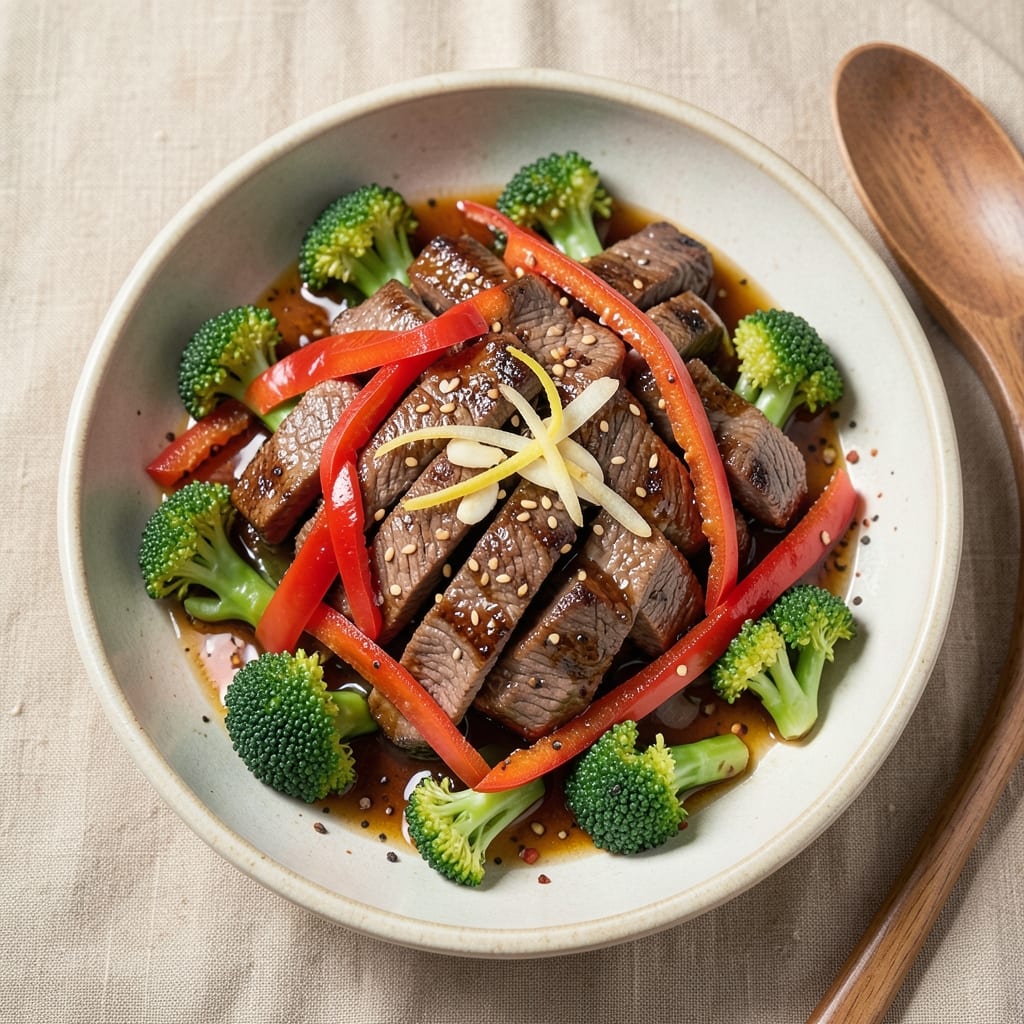
This Atkins beef teriyaki stir fry delivers restaurant-quality protein power without the carb overload. The secret lies in a sugar-free teriyaki sauce that still packs sweet-savory depth, paired with tender beef strips that absorb all the flavor. I developed this recipe after realizing traditional teriyaki recipes were too heavy for low-carb diets, so I reformulated it using natural sweeteners and thickeners that work just as well.
The beauty of this dish is its simplicity—just a few key ingredients transform into a satisfying meal that fits perfectly into Atkins guidelines. We're talking about lean beef, crunchy vegetables, and a sauce so flavorful it makes you forget it's sugar-free. The stir-frying technique ensures everything cooks quickly while maintaining that signature wok-hei flavor that makes stir-fry so addictive.
What you'll end up with is a protein-rich dish that's perfectly balanced: tender beef with caramelized edges, crisp-tender vegetables, and a glossy teriyaki sauce that ties everything together. The sauce clings beautifully to the beef, creating every bite into a flavor explosion that's both sweet and savory without being overpowering. This is the kind of meal that keeps you full and satisfied while staying true to your dietary goals.
Serve it over cauliflower rice for a complete low-carb meal, or pair it with a simple mixed green salad to keep it light. The recipe scales easily too—whether you're cooking for one or feeding a family, this beef teriyaki stir fry delivers consistent results every time. Let's get started on making this protein-packed dinner that's as good for you as it is delicious.
Ingredients for atkins beef teriyaki stir fry
Lean beef, sugar-free sauce, and crunchy veggies—this Atkins-friendly stir fry packs protein power without the carb guilt.
| Ingredient | Amount | Notes |
|---|---|---|
| Lean Beef Sirloin 🥩 | 1 ½ lb | Cut into 1/2-inch strips |
| Sesame Oil 🫒 | 1 tbsp | For stir-fry aroma |
| Low-Sodium Soy Sauce 🍶 | ½ cup | Atkins-compatible |
| Erythritol or Monk Fruit Sweetener 🍯 | 2 tbsp | Granulated, sugar-free |
| Fresh Ginger 🌿 | 1 tbsp | Finely grated, fresh |
| Garlic Cloves 🧄 | 4 cloves | Minced, fresh |
| Water 💧 | ¼ cup | For sauce consistency |
| Xanthan Gum 🧪 | ¼ tsp | For thickening |
| Red Bell Pepper 🌶️ | 1 whole | Sliced into strips |
| Broccoli Florets 🥦 | 2 cups | Fresh or frozen |
| Sesame Seeds 🌰 | 1 tbsp | Toasted, for garnish |
| Green Onions 🧅 | 3 whole | Sliced, for garnish |
| Avocado Oil 🫒 | 2 tbsp | High smoke point |
| Diamond Crystal Kosher Salt 🧂 | ½ tsp | Adjust to taste |
| Freshly Ground Black Pepper 🌶️ | ¼ tsp | Freshly cracked |
The beef is non-negotiable—sirloin gives you that perfect balance of tenderness and flavor without excess fat. Look for lean cuts at Whole Foods or your local butcher—ask for sirloin specifically if they don't have pre-cut strips. Fresh ginger and garlic are also essential; don't substitute with powdered versions—they lack the depth. For the sweetener, erythritol or monk fruit are your best bets—they mimic sugar's texture perfectly without the carbs. If you can't find them, stevia glycerite works too, but you'll need to adjust the amount since it's much sweeter.
No sesame oil? Avocado oil or light olive oil will work in a pinch, though they won't give that signature nutty aroma. Short on bell pepper? Zucchini or snap peas add great texture and are low-carb too. The xanthan gum is crucial for that glossy, restaurant-quality sauce—it's what makes the sauce cling to the beef. If you can't find it, cornstarch at half the amount is a decent substitute, though the texture won't be identical. For the veggies, frozen broccoli works just as well as fresh—no need to thaw first—just pat it dry before cooking to avoid excess moisture.
This sauce keeps beautifully—up to 5 days in the fridge—so make extra for another meal. The beef and veggies are best served immediately, but you can prep them ahead and store separately. Reheat the sauce separately and toss with the beef and veggies when ready to serve. For leftovers, portion into containers with a drizzle of sauce on top—it reheats perfectly and tastes even better the next day. The sesame seeds and green onions are just for garnish, so add them fresh when serving to keep everything crisp.
Why You'll Love This Recipe
- I swear by this trick: buy pre-sliced beef sirloin strips from the grocery store’s salad bar section. Toss them in the pan with a splash of sesame oil and fresh ginger—no knife skills required. The stir-fry comes together faster than my coffee brews.
- No Chopping Needed: I swear by this trick: buy pre-sliced beef sirloin strips from the grocery store’s salad bar section. Toss them in the pan with a splash of sesame oil and fresh ginger—no knife skills required. The stir-fry comes together faster than my coffee brews.
- Sweet-Savory Magic: That erythritol-monk fruit combo? It’s the secret weapon. The teriyaki glaze caramelizes just enough to coat the beef while keeping it tender, and the low-sodium soy sauce adds depth without the aftertaste. Honestly, it’s the kind of flavor that makes you pause mid-bite.
- Lunchbox Hero: Pack this for work or school—it reheats beautifully and stays fresh for days. I double the batch on Sundays, portion it into containers, and add steamed broccoli or cauliflower rice. My kids actually eat their veggies when it’s tucked into this stir-fry.
Step-by-step instructions for Atkins beef teriyaki stir fry
Here's how to create a perfectly balanced, low-carb stir fry with tender beef and vibrant vegetables.
Prepare the Beef and Vegetables
Cut the 1.5 lb lean beef sirloin into ½-inch strips—this ensures even cooking and maximum tenderness. Place the beef strips in a bowl and set aside. For the vegetables, slice the whole red bell pepper into ¼-inch strips and separate the 2 cups broccoli florets into bite-sized clusters. Slice the 3 whole green onions into ¼-inch pieces and set aside for garnish later.
I recommend using a sharp chef's knife for this prep—it gives you clean cuts and prevents the beef from tearing. Keep all your prepped ingredients in separate bowls so they're ready to cook in sequence. The bell pepper should be cut into even strips so they cook at the same rate as the beef and broccoli.
Create the Low-Carb Teriyaki Sauce
In a small saucepan, combine the 0.5 cup low-sodium soy sauce, 2 tbsp erythritol or monk fruit sweetener, 1 tbsp finely grated fresh ginger, 4 minced garlic cloves, 0.25 cup water, and 0.25 tsp xanthan gum. Bring the mixture to a gentle simmer over medium heat and cook for 3-4 minutes, stirring constantly, until the sweetener dissolves completely and the sauce begins to thicken slightly.
Here's the thing—xanthan gum is your secret weapon for achieving that perfect teriyaki consistency without added carbs. The sauce should coat the back of a spoon but still be pourable. If it thickens too much while cooking, add 1 tsp water at a time until you reach the ideal consistency. Remove from heat and set aside while you prepare the stir fry.
Stir-Fry the Beef to Perfection
Heat a large skillet or wok over high heat until it's smoking hot. Add 2 tbsp avocado oil and swirl to coat the pan evenly. Working in batches if needed, add the beef strips and sear for 2-3 minutes until they develop a deep golden-brown crust. Remove the beef and set it aside on a plate.
Don't overcrowd the pan—this is crucial for getting that perfect sear. If your pan isn't hot enough, the beef will steam instead of developing that beautiful crust. The beef should be about 75% cooked at this stage—it will finish cooking when combined with the vegetables. Keep the rendered beef juices in the pan; they're packed with flavor.
Cook the Vegetables and Combine
In the same skillet, add 1 tbsp sesame oil and swirl to coat. Add the sliced red bell pepper and broccoli florets, stirring to combine with any remaining beef juices. Cook for 3-4 minutes until the vegetables are tender-crisp but still vibrant in color. Return the beef to the skillet and pour the prepared teriyaki sauce over everything.
Stir everything together vigorously for 1-2 minutes until the beef is fully cooked through and the sauce has evenly coated all the ingredients. You'll know it's done when the beef reaches an internal temperature of 145°F and the vegetables are tender yet still retain their bright color. The sauce should cling beautifully to each component without making the dish soggy.
Finish and Serve
Transfer the stir fry to serving plates and sprinkle with 1 tbsp toasted sesame seeds and the reserved sliced green onions. Taste and adjust seasoning with ½ tsp diamond crystal kosher salt and ¼ tsp freshly ground black pepper if needed. The dish should be perfectly balanced—sweet from the teriyaki, savory from the soy sauce, with a nice umami depth from the beef.
This stir fry serves 4 and makes a complete, satisfying meal on its own. The low-carb nature comes from using xanthan gum for thickening instead of traditional cornstarch, and the sweetener keeps it sugar-free while maintaining that classic teriyaki flavor profile. Serve immediately while everything is hot and the vegetables are still crisp-tender.
Pro Tips For Making Atkins Beef Teriyaki Stir Fry
- CUT BEFORE SEARING: Lean beef sirloin can turn rubbery if overcooked, so slice it thinly against the grain—about ¼-inch thick—before hitting the pan. I used to skip this and ended up with chewy strips; now I do it first, then sear in batches.
- GRATE GINGER FINE: Fresh ginger loses its punch when chunked, so zest or finely grate it—no need for a microplane, just a sharp knife and a little elbow grease. Toss it straight into the teriyaki sauce while simmering; it’ll dissolve smoothly and add depth without bitterness.
- DON’T DROWN THE BEEF: Low-sodium soy sauce is salty enough—add just 2 tablespoons total (plus a splash of water) to the stir-fry. I learned this after over-saucing and ending up with soggy beef; the sauce should coat the pan, not pool.
- REST THE MEAT FIRST: Pat the beef completely dry with paper towels, then let it sit at room temp for 10 minutes before cooking. Cold meat steals heat from the pan, and any moisture left on it will steam instead of sear—leading to bland, gray strips. (Yes, even if you’re impatient like me.)
Health benefits of this atkins beef teriyaki stir fry
Protein-Packed Power
This beef teriyaki stir fry is a protein powerhouse with a 1.5 lb serving of lean beef sirloin providing about 80 grams of complete protein—that's roughly 40 grams per serving. This makes it perfect for muscle repair, satiety, and staying full on your Atkins journey. The high protein content also helps stabilize blood sugar levels, which is especially beneficial when following a low-carb diet. 💪
Low-Carb Advantage
The real magic happens with the sugar-free teriyaki sauce made with erythritol or monk fruit sweetener instead of traditional sugar. This keeps your carb count under 5 grams net carbs per serving while still delivering that satisfying sweet-savory flavor. The xanthan gum provides thickness without any carbs, making this a true Atkins-friendly adaptation that won't kick you out of ketosis.
Rich in Essential Nutrients
Lean beef sirloin contributes valuable nutrients like iron (about 3.5mg per serving), which supports oxygen transport in your blood, and zinc (about 10mg per serving) for immune function. The red bell pepper adds vitamin C (about 100% of your daily value) and vitamin A for skin health, while broccoli provides vitamin K and fiber—even though it's low-carb, it still packs nutritional benefits. This dish truly delivers a well-rounded nutritional profile.
Healthy Fats for Satiety
The avocado oil used for stir-frying provides heart-healthy monounsaturated fats that help keep you satisfied longer. These fats also support brain function and hormone production, which is particularly important on low-carb diets where you might be reducing other fat sources. The sesame oil adds a touch of polyunsaturated fats and beneficial sesamin compounds that support liver health.
Antioxidant Boost
Both the red bell pepper and broccoli are packed with antioxidants like quercetin and sulforaphane that help combat oxidative stress in your body. These compounds have been linked to reduced inflammation and lower risk of chronic diseases. The ginger in the sauce adds its own antioxidant benefits, including gingerol, which may help with digestion and reduce muscle soreness after workouts. 🌿
Digestive Benefits
The combination of lean protein and fiber-rich vegetables makes this dish gentle on digestion while still being satisfying. The broccoli contains fiber that supports gut health, while the beef provides easily digestible protein that won't weigh you down. This makes it an excellent choice for those following Atkins who want to maintain digestive comfort while enjoying flavorful meals. The ginger in the sauce also aids digestion and can help reduce bloating after meals.
Nutrition facts
Frequently asked questions
Can I use regular sugar instead of erythritol or monk fruit?
The recipe is specifically designed for Atkins compliance, so regular sugar would add 18 grams of carbs per tablespoon—far too much for low-carb diets. If you must use sugar, try 1 teaspoon stevia glycerite (which equals about 1 tbsp sugar in sweetness) but reduce the amount by half first. The texture will be slightly different, though.
What's the best way to thicken the sauce without xanthan gum?
If you don't have xanthan gum, use ½ teaspoon cornstarch mixed with 1 teaspoon water as a slurry. Add it to the simmering sauce and cook for an extra 1-2 minutes until thickened. The sauce won't be quite as glossy, but it'll still cling to the beef. For a non-starch option, blend 1 tablespoon unsweetened applesauce into the sauce instead.
Can I make this recipe ahead of time?
The sauce can be made up to 5 days in advance and stored in the fridge. For the full dish, cook the beef and vegetables fresh, then reheat separately before tossing with the sauce. The beef reheats best in a skillet with a splash of water to prevent drying. If reheating leftovers, add a little extra sauce to keep everything moist and flavorful.
What are good low-carb side dishes to serve with this?
For a complete Atkins meal, try cauliflower rice (sautéed with garlic and sesame oil), shirataki noodles (rinsed well), or a simple mixed green salad with avocado slices. Another great option is zucchini noodles lightly sautéed with olive oil and lemon. These sides keep the meal low-carb while adding texture and freshness.
Why does my sauce get too thick or too thin?
If it's too thick, add 1 teaspoon water at a time while stirring. If too thin, simmer uncovered for 1-2 extra minutes to reduce. The key is consistency—the sauce should coat the back of a spoon but still be pourable. For extra insurance, mix the xanthan gum with the water first to prevent clumping. Temperature matters too: if your pan isn't hot enough, the sauce may not thicken properly.