
Main Courses
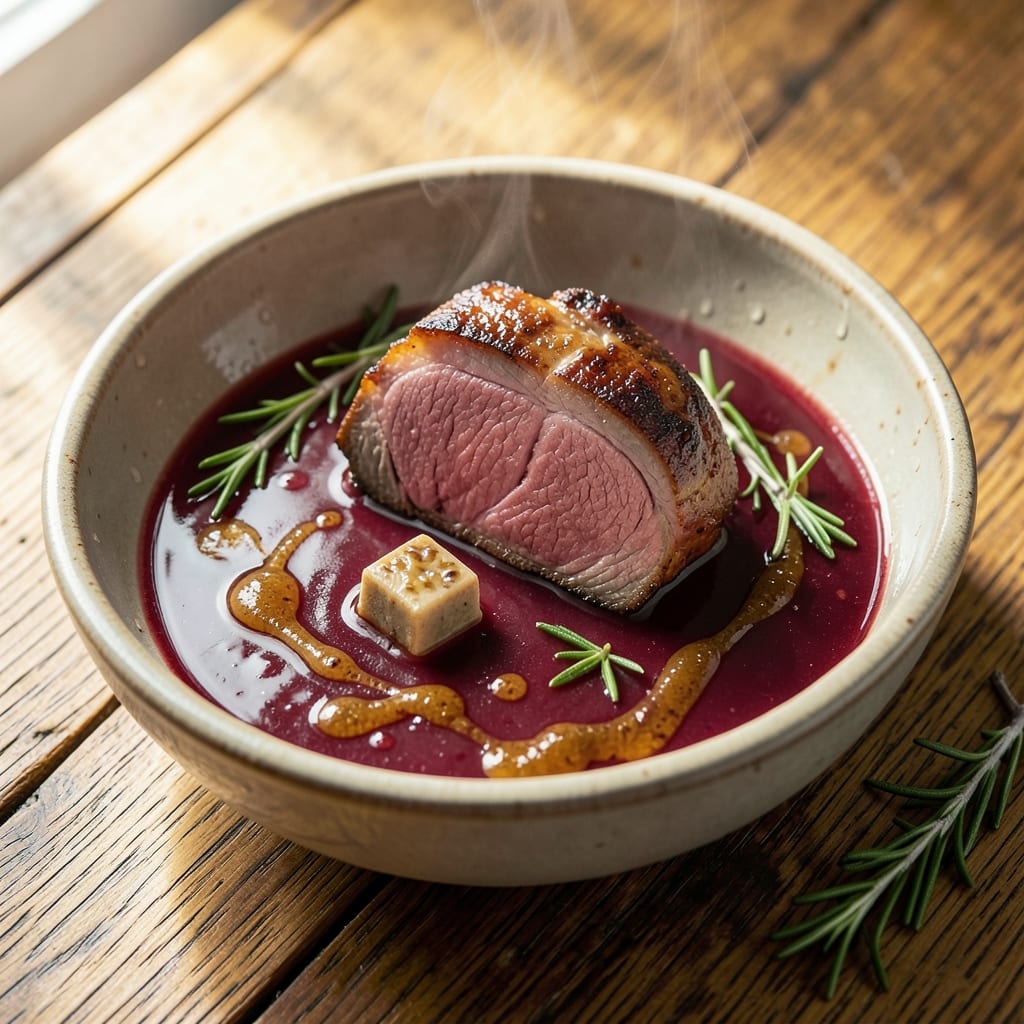
This au jus recipe with beef bouillon cubes transforms simple pantry staples into a restaurant-quality sauce that elevates any beef roast or steak. The secret lies in combining rich pan drippings with beef bouillon, wine, and aromatics to create a deep, umami-packed sauce that's impossible to resist. Perfect for special occasions or weeknight dinners, this method delivers professional results with minimal effort.
The process begins with searing your beef to develop a flavorful crust, then simmering the pan drippings with beef bouillon cubes, wine, and herbs to create a velvety sauce. This technique ensures every bite is bathed in rich, savory goodness without requiring specialized ingredients. The bouillon cubes provide the perfect umami foundation, while the wine adds brightness and depth.
What you'll achieve is a perfectly cooked beef centerpiece accompanied by a glossy, aromatic au jus that clings beautifully to every forkful. The sauce is rich yet balanced, with just the right amount of tang from the wine and savory depth from the bouillon. This dish pairs beautifully with roasted potatoes, crusty bread, or fresh vegetables for a complete meal.
Whether you're serving a holiday feast or a casual family dinner, this recipe delivers restaurant-quality results with simple pantry ingredients. The best part? Leftovers reheat beautifully, making it perfect for meal prep. Let's get started on creating this classic dish that's sure to impress.
Ingredients for au jus recipe with beef bouillon cubes
Pantry staples and a few fresh aromatics transform simple beef into restaurant-worthy au jus.
| Ingredient | Amount | Notes |
|---|---|---|
| Beef Roast or Steak 🥩 | 2 ½ lb | Bone-in preferred for flavor |
| Beef Bouillon Cubes 🧂 | 2 cubes | High-quality brand preferred |
| Dry Red Wine 🍷 | ½ cup | Bold variety like Cabernet Sauvignon |
| Beef Pan Drippings 🍲 | 1 ½ cups | From seared beef, strained |
| Fresh Garlic Cloves 🧄 | 4 cloves | Minced for aromatic depth |
| Fresh Rosemary Sprigs 🌿 | 2 sprigs | Or 1 tsp dried rosemary |
| Fresh Thyme Sprigs 🌿 | 2 sprigs | Or 1 tsp dried thyme |
| Yellow Onion 🧅 | 1 whole | Finely chopped, yellow preferred |
| Unsalted Butter 🧈 | 2 tbsp | For silky texture |
| All-Purpose Flour 🌾 | 1 tbsp | For thickening |
| Kosher Salt 🧂 | 1 tsp | Diamond Crystal preferred |
| Freshly Ground Black Pepper 🌶️ | ½ tsp | For finishing |
| Beef Stock 🥄 | 1 cup | Homemade or high-quality store-bought |
The beef is your flavor foundation—bone-in cuts like chuck roast or ribeye deliver the deepest richness. Kroger or Whole Foods carry excellent pre-cut roasts, but if you're buying whole, look for marbling and ask the butcher to trim excess fat. The bouillon cubes? Knorr or Maggi are solid choices, but if you're feeling fancy, Homemade Bouillon from scratch takes this to the next level. Fresh herbs make all the difference here—rosemary and thyme from the grocery store's produce section (not the dried aisle) will give you that restaurant-quality aroma. Pro tip: Toast your spices lightly in the pan before adding liquid to wake up their flavors.
No red wine? Substitute with beef stock plus a splash of balsamic vinegar—it mimics the acidity beautifully. Short on time? Use a bouillon paste instead of cubes, but reduce other liquids slightly. The pan drippings are non-negotiable—they're where 80% of the flavor lives. If you're cooking chicken or pork instead of beef, adjust the bouillon to match (chicken bouillon for poultry). For a richer sauce, whisk in an extra 1 tbsp of butter at the end. And if you're making this ahead, freeze the strained drippings in ice cube trays—they'll keep for months and save you from last-minute beef shopping.
This sauce tastes even better the next day as flavors meld—make a double batch if you're feeding a crowd. Store in an airtight container in the fridge for up to 5 days, or freeze for 3 months. For serving, strain again through a fine-mesh sieve to remove any herb bits. Garnish with fresh parsley and a crack of black pepper right before eating—it looks stunning and adds brightness. Leftovers reheat beautifully on the stovetop over medium-low heat, stirring occasionally to prevent scorching. The butter and flour slurry thickens as it cools, so if it seems too thin when reheating, just simmer uncovered for a minute to reduce.
Why You'll Love This Recipe
- One-Pot Magic: I swear by this—no extra pans, no mess. Just sear the roast, deglaze with wine, toss in a bouillon cube, and let the pan drippings do the work. Honestly, I’ve made this while scrolling through my phone.
- Deep Umami Boom: That bouillon cube might seem simple, but it packs a punch. The garlic and wine reduce into a rich, savory sauce that clings to every bite—like a fancy steakhouse finish, but with zero fuss.
- Leftovers That Shine: Save the au jus in the fridge and use it for sandwiches, eggs, or even as a quick gravy. I’ve turned last night’s roast into today’s lunch with zero extra effort—just reheat and enjoy.
- Budget Steakhouse Feel: You’re getting restaurant-quality flavor without the price tag. A cheap cut of beef and a few pantry staples turn into something so good, my family begs for it—even when I serve it over mashed potatoes.
Step-by-step instructions for rich beef au jus
Transform simple pantry staples into a velvety, umami-packed au jus that elevates any beef dish.
🍳 Step 1: Sear the Beef Roast for Maximum Flavor
Pat the 2.5 lb beef roast or steak dry with paper towels—this ensures a proper sear. Heat a heavy-bottomed Dutch oven over medium-high heat and add 2 tablespoons unsalted butter. Once the butter foams, add the beef and sear on all sides for 4-5 minutes per side until deeply browned.
Here's the thing—I don't rush this step. You want that beef to develop a rich, caramelized crust that'll dissolve into our sauce later. Once browned, remove the beef and set it aside. In the same pot, pour in the 0.5 cup dry red wine and scrape up all those delicious browned bits from the bottom. Let it simmer for 2-3 minutes until reduced by half. This deglazing captures all that beefy flavor we're after.
🥘 Step 2: Build the Aromatic Base
Add the 1 whole yellow onion, chopped, to the Dutch oven and cook for 5 minutes until softened. Then add the 4 cloves fresh garlic cloves, 2 sprigs fresh rosemary sprigs, and 2 sprigs fresh thyme sprigs. Cook for another 2 minutes until fragrant—you should smell that herbal, garlicky aroma filling your kitchen.
At this point, sprinkle in the 1 tablespoon all-purpose flour and stir vigorously for 1 minute. This creates a light roux that'll help thicken our sauce later. Don't let it brown—that would make it bitter. The flour should be fully incorporated and the mixture should look like a fine dust coating everything.
🔥 Step 3: Develop the Umami Depth
Pour in the 1.5 cups beef pan drippings and bring everything to a gentle simmer. Add the 2 cubes beef bouillon cubes and 1 cup beef stock, stirring to dissolve completely. The bouillon cubes should melt away—if they don't, let it simmer for another 30 seconds to ensure full integration.
Now add the 1 teaspoon kosher salt and 0.5 teaspoon freshly ground black pepper. Let the mixture simmer gently for 15 minutes uncovered. This slow reduction concentrates the flavors and develops that rich, complex depth we want in our au jus. You'll see it reduce slightly and develop a glossy sheen—this is when you know it's working.
⏰ Step 4: Finish and Strain for Perfection
Return the beef to the Dutch oven and add enough water to just cover the beef. Bring to a gentle simmer and cook for 1.5-2 hours until the beef reaches your desired doneness. For medium-rare, aim for 130-135°F internal temperature.
Once cooked, remove the beef and let it rest for 10 minutes. While it rests, strain the cooking liquid through a fine-mesh sieve into a clean pot. This removes all the herbs and onion bits, leaving you with a perfectly smooth au jus. Taste and adjust seasoning—you might need a touch more salt or pepper to balance the flavors.
🍽️ Step 5: Serve with Confidence
Slice the beef against the grain and serve it immediately with the strained au jus ladled generously over the top. The sauce should coat the beef beautifully, with a rich, velvety texture that's packed with umami flavor. Each bite should deliver that perfect balance of beefy richness, herbal notes, and wine complexity.
This au jus keeps well in the refrigerator for up to 3 days, so make extra—it's perfect for reheating and using on sandwiches or as a dipping sauce. The beauty of this recipe is that it transforms simple ingredients into something truly special with just a little patience and attention to technique.
Pro Tips For Making Au Jus Recipe With Beef Bouillon Cubes
- DEGLAZE HOT PAN: Don’t let those pan drippings go to waste by adding liquid too soon—wait until the pan is smoking hot after removing the meat, then pour in the red wine. The heat helps extract deeper flavor from the browned bits, turning them into a rich, glossy sauce instead of a thin, watery one.
- CRUSH GARLIC FIRST: Mince those garlic cloves before adding them to the au jus—just a quick press with the flat side of your knife. Raw, whole cloves won’t infuse properly, and you’ll end up with bitter chunks instead of smooth, aromatic flavor. (Yes, even if you’re in a hurry.)
- DILUTE BOUILLON GRADUALLY: Start with half the bouillon cube’s recommended water, then taste and add more as needed. Too much liquid upfront means a weak, salty mess; too little means you’re stuck with gluey, overconcentrated sauce. Adjust slowly—this isn’t a science experiment, but it’s close enough to care.
- SIMMER DON’T BOIL: Let the au jus bubble gently at the edges, not roar like a volcano. Boiling burns off the wine’s alcohol and turns the sauce thin and flat. A low simmer keeps the flavors tight and the texture velvety—exactly what you want for dipping that perfect steak. (Patience, I know.)
Storing and reheating this recipe
Refrigerator Storage
Store your au jus in an airtight glass container (I love Pyrex with snap-on lids) and refrigerate for up to 5 days. The flavors actually deepen overnight as the bouillon and wine meld together beautifully. Let it cool completely before sealing to prevent condensation, which can dilute the sauce. 🥄
For best results, keep the sauce separate from the beef until ready to serve. The sauce will thicken slightly in the fridge—simply reheat it gently on the stovetop and stir until smooth. I always make extra because it's perfect for reheating over grilled steaks or roasted potatoes the next day.
Freezer Storage
Freeze au jus in quart-sized freezer bags or airtight containers with 1-inch headspace for expansion. It maintains quality for up to 3 months—just thaw overnight in the refrigerator before using. For individual portions, freeze in ice cube trays, then transfer cubes to a bag for easy single-use servings. 🧊
When reheating from frozen, transfer the sauce to a saucepan and warm over medium-low heat, stirring frequently until completely thawed. Avoid microwaving as it can create a skin and uneven texture. I often freeze strained au jus separately from any herbs or onion bits to ensure a completely smooth texture when thawed.
Reheating Methods
For stovetop reheating, pour the au jus into a saucepan and warm over medium-low heat for 5-7 minutes, stirring occasionally. If it thickens too much, add 1-2 tablespoons of beef stock to restore its velvety consistency. This method preserves the sauce's rich flavor profile beautifully. 🔥
For microwave reheating, transfer the sauce to a microwave-safe bowl and heat in 30-second intervals, stirring between each interval. This prevents overheating and maintains the sauce's texture. I find this method works best for quick lunches when I'm short on time, though stovetop reheating always yields the best results.
Reviving Dull Flavor
If your reheated au jus tastes flat, revive it by adding 1 teaspoon of fresh beef bouillon paste or a splash of red wine while reheating. The acidity from the wine brightens the flavors, while the bouillon adds back that deep umami richness. A pinch of freshly ground black pepper also helps restore the sauce's complexity. 💡
For extra richness, whisk in 1 tablespoon of cold unsalted butter at the end of reheating. This not only enhances the flavor but also creates a beautiful sheen on the sauce. I keep a jar of butter in my fridge specifically for this purpose—it's a game-changer for restaurant-quality results at home.
Nutrition facts
Frequently asked questions
Can I use chicken or pork bouillon cubes instead of beef?
For the best flavor, stick with beef bouillon cubes—they provide the deep umami richness that pairs perfectly with beef. However, if you're making this with chicken or pork, use their respective bouillon cubes to maintain flavor harmony. The wine and herbs will still work, but the sauce will taste more subtle than beef-based au jus.
What if I don't have red wine? Can I substitute something?
Use 1 cup beef stock plus 1 tablespoon balsamic vinegar to mimic the wine's acidity and depth. For a non-alcoholic version, try 1 cup beef stock with 1 teaspoon soy sauce. The key is balancing the savory and tangy elements—just avoid sweet wines or vinegars that might overpower the dish.
Why did my au jus turn out too thin?
The most common reason is insufficient reduction time. Simmer uncovered for 15-20 minutes to thicken it naturally. If it's still too thin, mix 1 tbsp cornstarch with 2 tbsp cold water, stir into the sauce, and simmer for 2-3 minutes** until it reaches your desired consistency. Avoid over-simmering, which can make it too concentrated.
How do I make this recipe vegetarian?
Replace the beef with portobello mushrooms or seitan, and use vegetable bouillon cubes instead of beef. Add 1 tbsp soy sauce to the sauce for umami depth. The wine and herbs will still work beautifully, but the flavor profile will be more earthy than meaty. Serve with roasted vegetables for a hearty vegetarian main course.
Can I make this ahead of time for a dinner party?
Yes! Cook the beef and strain the sauce 1 day ahead—it tastes even better after flavors meld. Store separately in airtight containers, then reheat the sauce gently before serving. For a stress-free dinner, keep the beef chilled and reheat it in the sauce just before plating. This ensures perfect doneness and maximum flavor impact when served.