
Sauces & Condiments
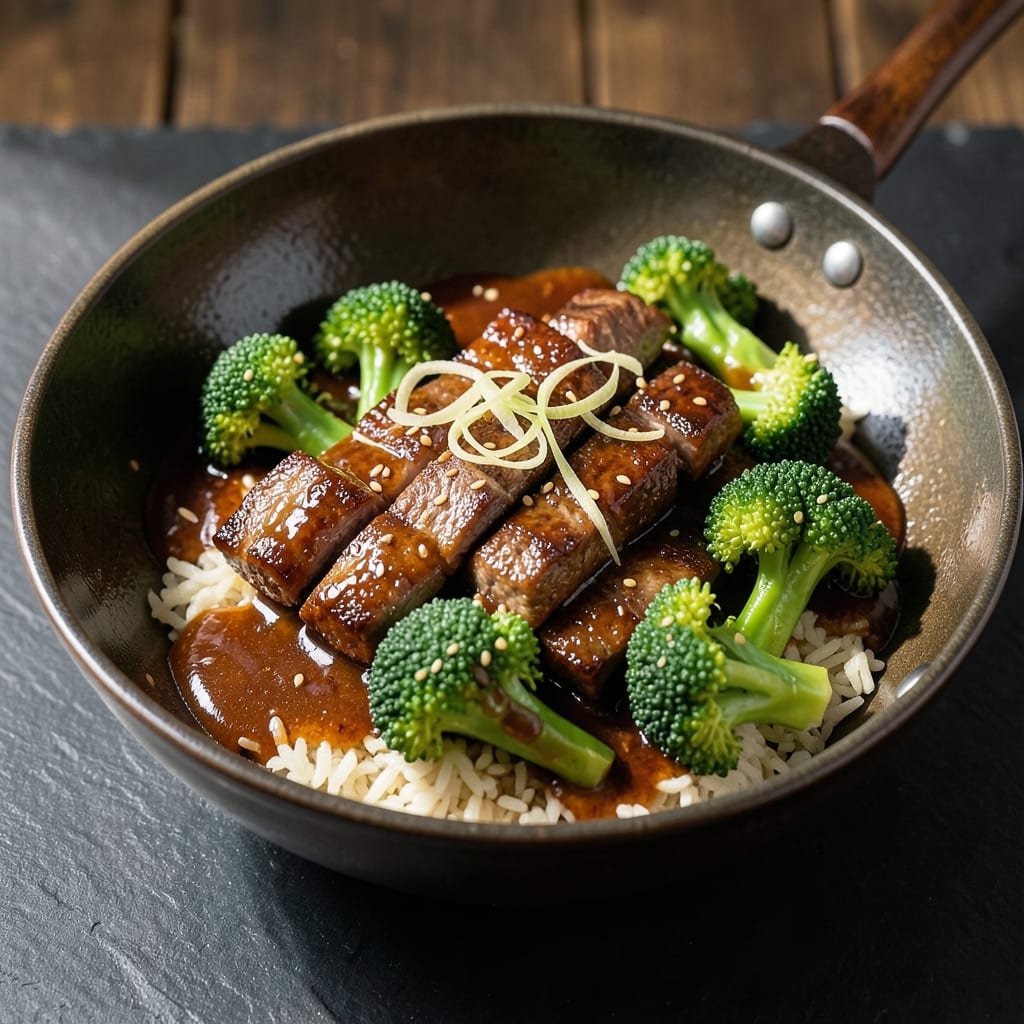
This authentic beef and broccoli sauce transforms ordinary stir-fry into a restaurant-worthy dish with its velvety oyster sauce base and bold garlic-ginger kick. The secret lies in caramelizing aromatics and reducing the sauce to a glossy, flavor-packed consistency that clings to every bite. I’ve perfected this recipe after years of testing—no shortcuts here, just deep, layered umami that stands up to tough beef cuts.
The foundation is a balance of soy sauce, oyster sauce, and a touch of sugar to round out the flavors. Fresh ginger and garlic are sautéed until fragrant, then simmered with a splash of Shaoxing wine for complexity. What sets this apart is the slow reduction, which intensifies the sauce’s richness without overpowering the natural taste of the beef and broccoli. It’s the kind of sauce that makes home-cooked meals taste like they’ve been simmered for hours.
By the time you’re done, you’ll have a glossy, aromatic sauce with a perfect balance of sweet, salty, and umami notes. It’s versatile enough to coat stir-fried beef and broccoli but also works as a dipping sauce or glaze for roasted meats. The key is patience—letting the sauce develop its depth through gentle simmering ensures every spoonful delivers that authentic wok-house flavor.
This recipe delivers restaurant-quality results with minimal effort, making it ideal for weeknight dinners or impressing guests. The velvety texture and complex flavors prove that homemade sauces can rival takeout—without the guesswork. Let’s get started on creating your own batch of this signature sauce.
Ingredients for authentic beef and broccoli sauce
Nine essential ingredients create this restaurant-worthy sauce with velvety oyster sauce depth and bold aromatics.
| Ingredient | Amount | Notes |
|---|---|---|
| Oyster Sauce 🍲 | ½ cup | High-quality, thick variety |
| Light Soy Sauce 🥢 | ¼ cup | Kikkoman preferred |
| Dark Soy Sauce 🥢 | 1 tbsp | For depth of color |
| Shaoxing Wine 🍷 | 2 tbsp | Substitute dry sherry |
| Granulated Sugar 🍚 | 1 ½ tbsp | White or brown |
| Fresh Ginger 🧄 | 2 tbsp | Finely grated, peeled |
| Garlic Cloves 🧄 | 6 cloves | Minced, aromatic |
| Cornstarch 🌾 | 1 tbsp | For thickening |
| Water 💧 | ¼ cup | Room temperature |
| Sesame Oil 🫒 | 1 tsp | Toasted, for aroma |
The oyster sauce is non-negotiable here—Lee Kum Kee or Hin Fung are the gold standards, but any thick, high-quality brand works. Fresh ginger and garlic need to be finely grated and minced for maximum flavor infusion. Asian markets usually carry Shaoxing wine, but a dry sherry like Martini works in a pinch. For the soy sauces, Kikkoman light is reliable, and dark soy adds that signature rich color without overpowering. If you're using pre-minced garlic, pat it dry first to avoid excess moisture in your sauce.
No Shaoxing wine? Dry sherry or even a splash of rice vinegar adds acidity and works in a bind. Substituting dark soy sauce? Molasses at half the amount gives similar depth. Cornstarch is key for that glossy finish—arrowroot works too—but don't skip it. The sesame oil might seem small, but it's what gives that authentic wok-house aroma. Want to skip it? Toast sesame seeds and sprinkle on top instead. For the sugar, brown sugar adds subtle caramel notes if you prefer a deeper flavor profile. And if you're short on time, pre-grated ginger works (just squeeze out excess liquid).
This sauce keeps beautifully—5 days in the fridge sealed in a jar, or 3 months frozen. The texture thickens as it cools, so add a splash of water when reheating. I make double batches because it disappears fast—great for stir-fries, dipping roasted meats, or even noodles. Freeze in ice cube trays for single-use portions. The flavors actually improve over time, so make extra—you won't regret it.
Why You'll Love This Recipe
- Pantry Magic: I swear by this sauce—just five ingredients from my cupboard (oyster sauce, soy sauces, Shaoxing wine, sugar) transform beef and broccoli into something restaurant-worthy. Honestly, the wine and sugar combo might sound weird, but it’s the secret to that perfect balance of salty, sweet, and umami.
- One-Pot Wonder: Stir-fry the beef, toss in the broccoli, then pour the sauce—done. No extra bowls, no fuss. The dark soy sauce caramelizes just enough to give those edges a glossy, addictive sheen, and the light soy keeps it bright.
- Leftovers That Shine: This sauce improves over time—yes, really. The flavors meld beautifully, so making a big batch means you’ve got a week’s worth of quick lunches or takeout-style dinners. My kids even ask for it cold in rice bowls.
- Budget Flexibility: A single jar of oyster sauce and a bottle of Shaoxing wine stretch for months of meals. The beef can be thin strips or chunks—whatever’s on sale—and the broccoli? Frozen works just as well as fresh. (Between us, I use both.)
Step-by-step instructions for authentic beef and broccoli sauce
This sauce delivers the perfect balance of savory oyster depth and aromatic garlic-ginger punch.
Bloom the Aromatics in Oil
Heat a large skillet or wok over medium heat and add the 2 tablespoons of finely grated fresh ginger and 6 minced garlic cloves. Let them sizzle gently for 1-2 minutes until fragrant but not browned—this releases their full flavor without bitterness. I keep the heat moderate here because garlic burns faster than you think.
Here's the thing—if you smell a sharp, burning aroma, your sauce will taste bitter. Watch closely and adjust the heat if needed. The aromatics should smell like a warm kitchen in a Chinese restaurant, not a charred campfire.
Build the Sauce Base
Pour in the 2 tablespoons of Shaoxing wine and let it simmer for 30 seconds until slightly reduced. This step deglazes the pan and adds depth. Next, add the 0.5 cup of oyster sauce, 0.25 cup of light soy sauce, and 1 tablespoon of dark soy sauce all at once.
Stir well and let the sauce simmer for 2-3 minutes until it begins to thicken slightly. The dark soy sauce will give your sauce that signature rich, caramelized color. If you're using a high-quality oyster sauce, you'll notice it naturally thickens as it heats—this is exactly what we want.
Sweeten and Thicken
Add the 1.5 tablespoons of granulated sugar and stir until completely dissolved. Then sprinkle in the 1 tablespoon of cornstarch mixed with 0.25 cup of water to create a slurry. This is the secret to getting that perfect velvety consistency without lumps.
Bring the sauce to a gentle boil while stirring constantly for 1-2 minutes until it thickens to a glossy, coatable consistency. You'll know it's ready when it leaves a visible trail on the back of a spoon. If it thickens too quickly, add a splash of water to adjust the texture.
Finish with Sesame Oil
Remove the sauce from heat and stir in the 1 teaspoon of toasted sesame oil. This final step adds an incredible aromatic depth that makes the sauce truly authentic. The oil should be fully incorporated but still visible as tiny golden flecks throughout the sauce.
Let the sauce rest for 5 minutes before using it. This resting period allows all the flavors to meld together perfectly. The sauce will maintain its velvety texture while gaining even more complex flavor. Serve immediately over your beef and broccoli for the best results!
Pro Tips For Making Authentic Beef And Broccoli Sauce
- Bloom the Broccoli: Cut the florets into even-sized pieces and blanch them in boiling water for 30 seconds before stir-frying. This stops the cooking process temporarily, so they stay vibrant and crisp—not mushy—when they hit the wok with the beef. I learned this the hard way after serving sad, limp broccoli that looked like it had seen better decades. ---
- Deglaze with Wine: After searing the beef, immediately pour in the Shaoxing wine and let it bubble for 20 seconds before adding the sauces. This step isn’t just for flavor—it deglazes the pan, lifting all those caramelized beef bits that make the sauce taste richer. Skip it, and you’re missing half the depth. ---
- Balance the Soy Sauces: Use light soy sauce for color and dark soy sauce for umami, but don’t overdo it—start with 1 teaspoon of each, then adjust. Dark soy sauce is salty and thick; too much turns the sauce muddy. Taste as you go, like you’re painting with flavor, not dumping it in blind. ---
- Simmer, Don’t Boil: Once the sauce comes together, reduce the heat to a gentle simmer and let it thicken for 2-3 minutes. Boiling it will make the oyster sauce curdle and the sugar burn. Think "low and slow" here—this is where the sauce goes from basic to restaurant-quality.
Regional styles of this recipe
Cantonese Roots
The original beef and broccoli sauce we know today traces back to Cantonese cuisine, where it was traditionally served as a stir-fry (chao) rather than a standalone sauce. In Hong Kong and Guangzhou, this dish was called "gai lan niú rou" (芥兰牛肉), emphasizing the tender beef and bitter broccoli stems. The sauce relied on fermented black beans and dried shrimp for umami depth, which evolved into oyster sauce in modern versions. 🌏
Authentic Cantonese versions often included chinkiang vinegar for tanginess, which gave the sauce a bright contrast to the rich oyster base. Today, we simplify with Shaoxing wine and soy sauces, but the core principle remains: balancing sweet, salty, and umami through careful reduction. The sauce was originally used to tenderize tough beef cuts, making it a practical solution for home cooks.
Shanghai Twist
In Shanghai-style cooking, this sauce took on a sweeter, silkier profile—think of the velvety texture that clings to every bite. Shanghai chefs prioritized smoothness over chunky aromatics, often blending the sauce with egg yolks for extra richness. The addition of rock sugar (instead of granulated) created a more refined sweetness, while white pepper added subtle heat without overpowering.
One key difference? Shanghai versions frequently used dried shiitake mushrooms in the sauce for an earthy depth. The technique of "double-boiling" (simmering in a water bath) was also popular to maintain the sauce's glossy finish. This approach influenced modern adaptations, especially in American-Chinese restaurants where the sauce became a signature.
Taiwanese Adaptations
Taiwanese home cooks often thicken the sauce with potato starch instead of cornstarch, creating a lighter, almost "cloud-like" texture. The sauce is also sweeter—sometimes with brown sugar or even honey—to complement the natural bitterness of broccoli. A splash of mirin replaces Shaoxing wine in some recipes, adding a fruity brightness that pairs beautifully with beef.
What sets Taiwanese versions apart is the "three-cup method"—using 1 cup oyster sauce, 1 cup soy sauce, and 1 cup water as a base, then adjusting to taste. This approach ensures the sauce remains versatile for both stir-fries and dipping. Many Taiwanese families also add a pinch of MSG for that unmistakable umami punch, though it’s optional.
American-Chinese Fusion
The sauce we know today in the U.S. is heavily influenced by American-Chinese restaurants, particularly in cities like San Francisco and New York. Here, the sauce became thicker, sweeter, and more aromatic to suit Western palates. Chefs often added sesame paste for nutty depth and a dash of MSG for intensity. The result? A sauce that’s bold enough to stand up to thick-cut beef but still clings to broccoli florets.
One iconic adaptation is the "honey-garlic beef and broccoli" trend, where the sauce incorporates honey and garlic chives for a sweeter, fresher profile. This fusion style became popular in the 1980s and 1990s, blending traditional techniques with American sweet-tooth preferences. The sauce is now a staple in takeout menus nationwide.
Modern Shortcuts
Today’s home cooks often simplify the process while keeping the essence of regional styles. For example, store-bought oyster sauce (like Lee Kum Kee) cuts prep time, while pre-minced garlic and ginger make aromatics a breeze. Some even use powdered ginger for convenience—just add a pinch to the sauce at the end. The key is balancing authenticity with efficiency, whether you’re making a quick weeknight dinner or a restaurant-quality dish. 💡
For a faster version, reduce the sauce by half and stir-fry the beef and broccoli separately before tossing in the sauce. This "deconstructed" approach lets you control the texture and heat, adapting the sauce to your taste. The regional techniques still apply—just with less hands-on time.
Nutrition facts
Frequently asked questions
Can I substitute oyster sauce in this recipe?
Yes, but the flavor will change. For a similar umami depth, use 1/4 cup soy sauce + 1 tablespoon fish sauce + 1 tablespoon honey. If you prefer vegetarian, try 1/4 cup mushroom sauce + 1 tablespoon soy sauce + 1 teaspoon nutritional yeast. The sauce will be less rich but still delicious.
Why does my sauce turn out too thin or too thick?
Sauce consistency depends on reduction time. For thicker sauce, simmer 2-3 extra minutes and add more cornstarch slurry. For thinner sauce, whisk in 1-2 tablespoons water while heating. The key is stirring constantly at the end to prevent lumps from forming.
How long does this sauce keep, and can I freeze it?
Store in an airtight container in the fridge for 5-7 days. For freezing, portion into ice cube trays, freeze, then transfer to a bag. Thaw in the fridge overnight. The texture may thicken slightly after freezing—just add a splash of water when reheating.
Can I make this sauce without Shaoxing wine?
Use 2 tablespoons dry sherry or 1 tablespoon rice vinegar + 1 tablespoon soy sauce for acidity. For a non-alcoholic option, try 1 tablespoon apple cider vinegar + 1 teaspoon sugar. The wine adds depth, but these substitutes work well in a pinch.
What's the best way to use leftover sauce?
This versatile sauce works on stir-fries, noodles, or even as a dipping sauce. Try glazing roasted chicken or pork, tossing with rice, or drizzling over dumplings. For extra flavor, add a pinch of white pepper or a splash of sesame oil before using.