
Soups & Stews
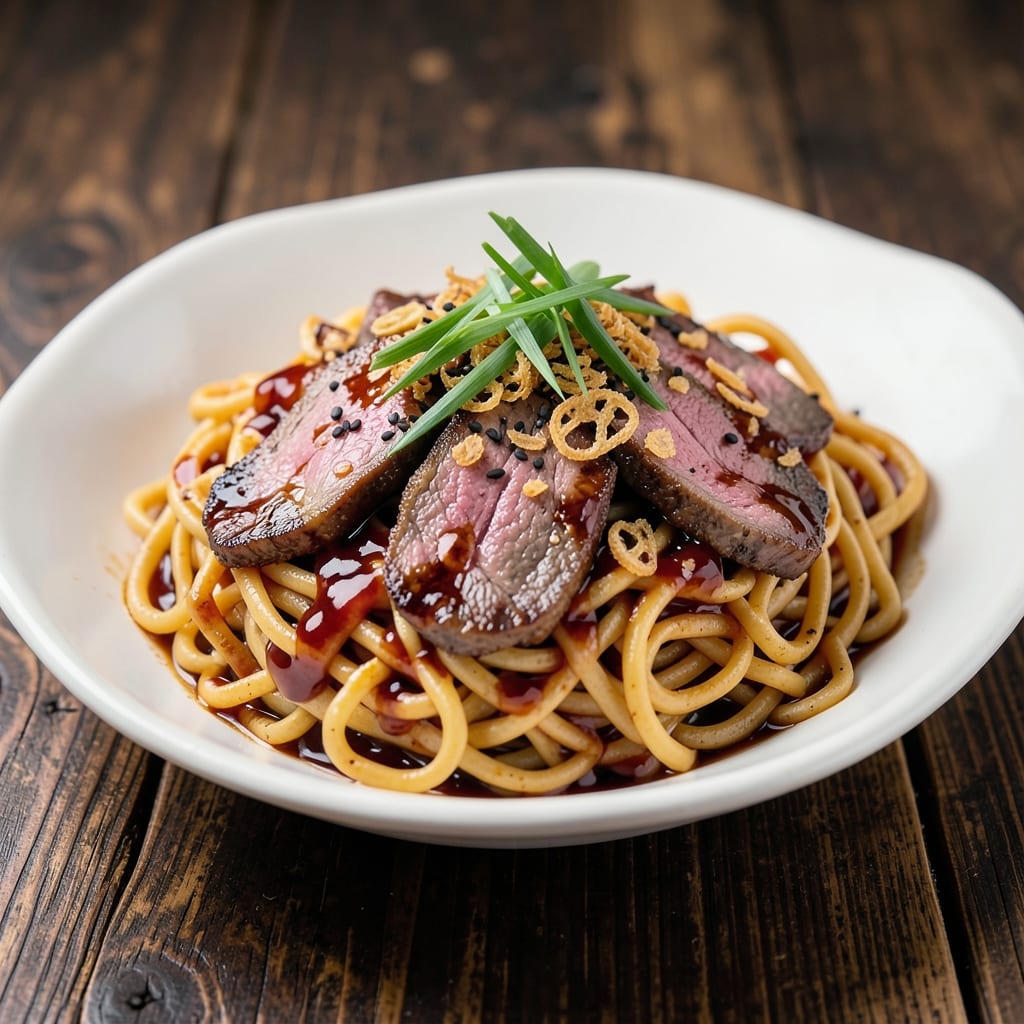
This authentic beef chow mein recipe delivers the perfect balance of wok-seared beef, silky egg noodles, and a rich, savory sauce with just the right amount of heat. The secret lies in proper stir-frying techniques and a sauce blend that captures the essence of traditional Chinese takeout—without the grease or shortcuts. I've refined this recipe over years of testing, ensuring every bite delivers that satisfying crunch and umami depth you crave.
The foundation starts with high-quality beef strips marinated in a simple soy and cornstarch mixture, which creates that signature tender-yet-crispy texture when seared in a hot wok. The sauce combines hoisin, oyster sauce, soy sauce, and a touch of chili paste for that classic sweet-spicy balance. Meanwhile, fresh egg noodles cook just until al dente, so they hold their shape while absorbing the flavorful sauce.
What makes this recipe truly authentic is the assembly—tossing everything together in the wok at the last moment preserves the texture and temperature, while traditional garnishes like chopped green onions and toasted sesame seeds add freshness and aroma. The result is a dish that tastes like your favorite takeout but with restaurant-quality technique you can recreate at home.
Perfect for weeknight dinners or weekend gatherings, this chow mein comes together in about 30 minutes with minimal cleanup. The wok method ensures maximum flavor development, while the sauce can be adjusted to suit your preferred level of spice. Let's get cooking!
Ingredients for authentic beef chow mein
High-quality beef, fresh noodles, and bold sauces—everything you need for restaurant-style chow mein at home.
| Ingredient | Amount | Notes |
|---|---|---|
| Flank Steak 🥩 | 1 ½ lb | Thinly sliced against grain |
| Egg Noodles 🍜 | 8 oz | Fresh or dried, al dente texture |
| Hoisin Sauce 🍶 | 2 tbsp | Thick, traditional Chinese |
| Oyster Sauce 🦪 | 2 tbsp | High-quality, no artificial colors |
| Light Soy Sauce 🥫 | 1 ½ tbsp | For authentic umami depth |
| Chili Garlic Sauce 🌶️ | 1 tbsp | Adjust for preferred heat |
| Cornstarch 🌾 | 2 tbsp | For crispy beef coating |
| Neutral Oil 🫒 | 3 tbsp | High smoke point, like avocado |
| Garlic Cloves 🧄 | 4 cloves | Minced, for sauce aroma |
| Green Onions 🧅 | ¼ cup | Thinly sliced, for garnish |
| Toasted Sesame Seeds 🌰 | 1 tbsp | For authentic garnish |
| Sesame Oil 🫒 | 1 tsp | For finishing aroma |
| White Pepper 🌶️ | ¼ tsp | Freshly ground for heat |
| Salt 🧂 | 1 tsp | Kosher salt for seasoning |
The beef is everything here. Flank steak gives you that signature chewy-yet-tender texture, but sirloin or ribeye work too—just slice against the grain. I grab mine from Whole Foods or the butcher counter at Trader Joe's, where they'll slice it thin for you. Look for good marbling—it keeps the beef juicy during that quick sear. If you're slicing it yourself, freeze it 20 minutes first for cleaner cuts. The cornstarch is non-negotiable; it creates that crispy crust when seared in the wok.
No hoisin sauce? Substitute with 1 tbsp soy sauce plus 1 tsp brown sugar—it won't be identical, but it'll get you close. The oyster sauce can be tricky to find—Lee Kum Kee is the gold standard, but Trader Joe's has a solid version too. Short on chili garlic sauce? Mix 1 tsp sriracha with 1 tsp soy sauce. The egg noodles should be fresh if possible (they hold their shape better), but dried works in a pinch—just cook them al dente. And if you're feeling fancy, rice noodles work too, though the texture changes.
This dish shines when made fresh, but the sauce components keep for 1 week in the fridge if you want to prep ahead. The beef marinade (soy + cornstarch) can sit for up to 4 hours before cooking. Store leftovers in an airtight container for 3-4 days, though it reheats best in a wok or skillet with a splash of water to revive the crispiness. Freezing isn't ideal for the noodles, but the beef and sauce freeze beautifully for 3 months—just thaw in the fridge overnight.
Why You'll Love This Recipe
- One-Pan Magic: I swear by this recipe—no chopping mountains of veggies, no separate stir-fry pan. Just the steak, noodles, and sauces all dancing together in one skillet. Honestly, the only prep is slicing the flank steak thin, and even that’s faster than waiting for takeout.
- Sauce Symphony: That trifecta of hoisin, oyster, and light soy? It’s the kind of balance that makes you close your eyes mid-bite. The hoisin adds sticky sweetness, the oyster sauce brings depth, and the soy ties it all together—like a flavor hug you didn’t know you needed.
- Lunchbox Hero: Between us, this is my go-to for packed lunches. The noodles stay warm (and slightly chewy) for hours, and the beef stays tender enough to cut with a fork. Toss in a handful of frozen peas or carrots for extra crunch, and suddenly you’ve got a meal that’s actually worth bringing to work.
- Budget Win: Flank steak stretches further than you’d think when sliced right, and the sauces? A few bucks at the Asian market go a long way. I made this twice last week—once for dinner, once for leftovers—and still had enough for a quick lunch. That’s money in my pocket.
Step-by-step instructions for authentic beef chow mein
Here's how to deliver that signature wok-seared crunch and silky noodles every time.
🍳 Step 1: Prep the Beef with Cornstarch Coating
Slice the 1.5 lb flank steak thinly against the grain into ¼-inch strips. This ensures tender bites that cook quickly in the wok. Transfer the sliced beef to a bowl and add 2 tbsp cornstarch, 1 tsp salt, and 0.25 tsp white pepper. Toss gently but thoroughly to coat evenly—the cornstarch creates that signature crispy texture when seared.
Let the coated beef rest for 10 minutes while you prep the rest. This resting period allows the cornstarch to adhere better, preventing it from falling off during cooking. I find this step makes all the difference between restaurant-quality chow mein and something that falls apart.
🍳 Step 2: Wok-Sear the Beef in Stages
Heat 3 tbsp neutral oil in a wok or large skillet over high heat until shimmering. Add half of the beef in a single layer—don't overcrowd—and let it sear undisturbed for 1-2 minutes until the edges turn deep golden brown. This initial sear locks in juices and creates that signature wok-hei flavor.
Once browned, stir-fry for another 30-45 seconds until the beef is 85% cooked. Remove to a plate and repeat with the remaining beef. The beef should be cooked through but still retain some pink—it'll finish cooking with the noodles. Keep the rendered beef fat in the wok; it's packed with flavor.
🍳 Step 3: Cook the Noodles Al Dente
In the same wok (no need to clean it—the beef fat adds depth), add 8 oz egg noodles and toss to coat in the residual fat. Add 1 cup hot water and stir immediately to prevent sticking. Cook for 2-3 minutes until the noodles are al dente—they should still have a slight bite when bitten.
Drain any remaining water but leave the noodles in the wok. The residual starch helps create that glossy finish. Here's the thing—overcooked noodles turn mushy when tossed with sauce. We want them firm enough to hold their shape but tender enough to soak up flavors beautifully.
🥘 Step 4: Build the Signature Sauce
Return the seared beef to the wok with the noodles. Add 2 tbsp hoisin sauce, 2 tbsp oyster sauce, 1.5 tbsp light soy sauce, 1 tbsp chili garlic sauce, and 4 cloves minced garlic. Stir-fry for 1-2 minutes until everything is well combined and the sauce begins to coat the noodles.
Taste and adjust seasoning—this is where the magic happens. You might need a splash of hot water (about 2 tbsp) to loosen the sauce if it's too thick. The sauce should cling to the noodles and beef without being overly watery. This balance creates that perfect silky texture we're after.
🍽️ Step 5: Finish and Garnish for Authentic Flavor
Turn off the heat and immediately stir in 1 tsp sesame oil. This adds that final aromatic punch that separates home cooking from restaurant-quality chow mein. Divide the chow mein among plates and garnish with 0.25 cup sliced green onions and 1 tbsp toasted sesame seeds.
Serve immediately while everything is hot and the noodles are still holding their shape. The contrast of crispy beef, silky noodles, and that glossy sauce is what makes this dish so irresistibly authentic. Don't skip the garnish—those toasted sesame seeds and green onions add both visual appeal and that final textural crunch.
Pro Tips For Making Authentic Beef Chow Mein
- Slice Against the Grain: Flank steak fights back when you cut it wrong—thin slices stay tough if they’re not sliced perpendicular to the muscle fibers. Grab a sharp knife and angle it against the grain, then slice after cooking, not before. (Yes, even if it looks like overkill—your noodles will thank you.)
- Prep Noodles Last: Egg noodles dry out fast, and no one wants sad, brittle strands in their chow mein. Cook them just before tossing with the beef, or keep them in a bowl of warm water with a splash of oil until ready. Trust me, the difference in texture is night and day.
- Balance the Sauces: Hoisin’s sweet, oyster’s salty, soy’s savory—mix them blindly and you’ll end up with a gloppy mess. Start with 2 parts hoisin to 1 part oyster to 1 part soy, then adjust to taste. (Pro move: Add a tiny splash of rice vinegar if the sauce tastes too heavy.)
- Stir-Fry in Batches: Crowd the pan and the beef steams instead of sears, turning your chow mein into a sad, greasy pile. Cook half the beef first, remove it, then finish the rest before tossing everything together. Your wok’s heat will stay where it belongs—on the food, not the smoke detector.
Pro cooking tips for great authentic beef chow mein
Wok Hei Mastery
That signature "wok hei" or "breath of the wok" flavor comes from intense, high-heat cooking. Use a carbon steel wok (like De Buyer) or a cast iron skillet—they retain heat better than stainless steel. Heat the wok until it's smoking hot before adding oil, then work quickly to maintain that high temperature. I crank my burner to maximum heat and let the wok sit for 2-3 minutes before cooking. This creates the perfect sear on the beef and prevents soggy noodles. 🔥
Beef Searing Secrets
Never overcrowd the wok—cook the beef in two batches to ensure proper browning. The key is that golden crust on the edges, which happens when you sear undisturbed for 1-2 minutes per batch. I use avocado oil for its high smoke point, but peanut oil works too. After searing, the beef should be 85% cooked—it'll finish in the wok with the noodles. This two-stage cooking prevents dry, rubbery meat.
Noodle Texture Control
Fresh egg noodles are ideal, but dried noodles work too—just undercook by 1 minute and finish in the wok. The magic happens when you cook them in the residual beef fat—this adds incredible flavor while preventing sticking. I add 1 cup hot water to the wok with the noodles, then stir constantly for 2-3 minutes until al dente. Overcooked noodles turn mushy when tossed with sauce, so test one piece early.
Sauce Consistency Tips
The sauce should coat the noodles like glossy silk—not watery, not thick. Start with 2 tbsp hoisin, 2 tbsp oyster sauce, and 1.5 tbsp soy sauce, then adjust with hot water if needed. I like to add the sauce after the beef and noodles are cooked together, letting everything meld for 1-2 minutes. Taste as you go—sometimes a pinch of white pepper or extra soy sauce brings it to perfection.
Garnish Like a Pro
Toast the sesame seeds in a dry pan over medium heat for 1-2 minutes until golden and fragrant—this amplifies their nutty flavor. Slice the green onions into ¼-inch pieces and add them last for freshness. I also drizzle a tiny bit of sesame oil directly on each serving just before eating—this adds that final aromatic punch that makes it taste restaurant-worthy. 🌟
Equipment Upgrades
Invest in a tongs set (like OXO Good Grips) for flipping beef without crowding the wok. A wok thermometer helps maintain high heat—aim for 500-600°F. If you don’t have a wok, a 12-inch cast iron skillet works in a pinch. And for extra flavor, keep a small bowl of ice water nearby to shock-cook any overcooked beef—it resets the texture instantly. These small upgrades make a huge difference in texture and flavor.
Nutrition facts
Frequently asked questions
Can I use a regular skillet instead of a wok? A 12-inch cast iron skillet works perfectly if you don't have a wok! Just
What's the best beef cut for chow mein?
Flank steak is ideal for its tenderness when sliced thinly, but sirloin or ribeye work too. Always slice against the grain into ¼-inch strips for maximum tenderness. Freeze the beef for 20 minutes before slicing for cleaner cuts.
How do I make the sauce less spicy?
Reduce or omit the chili garlic sauce completely, then add ½ tsp sugar to balance flavors. For extra mildness, substitute with 1 tbsp extra hoisin sauce, which has natural sweetness. Taste as you go—you can always adjust!
Can I make this ahead of time?
The sauce components keep for 1 week in the fridge, and the beef marinade can rest for 4 hours before cooking. For leftovers, store in an airtight container for 3-4 days. Reheat in a wok with a splash of water to revive crispiness. The noodles are best fresh, though!
Why does my beef turn out rubbery?
Overcooking is the usual culprit—beef should be 85% cooked before adding noodles. Cook in two batches for proper browning, and finish with the noodles to carry through. Also, never overcrowd the pan! A hot wok and quick cooking time are key.