
Main Courses
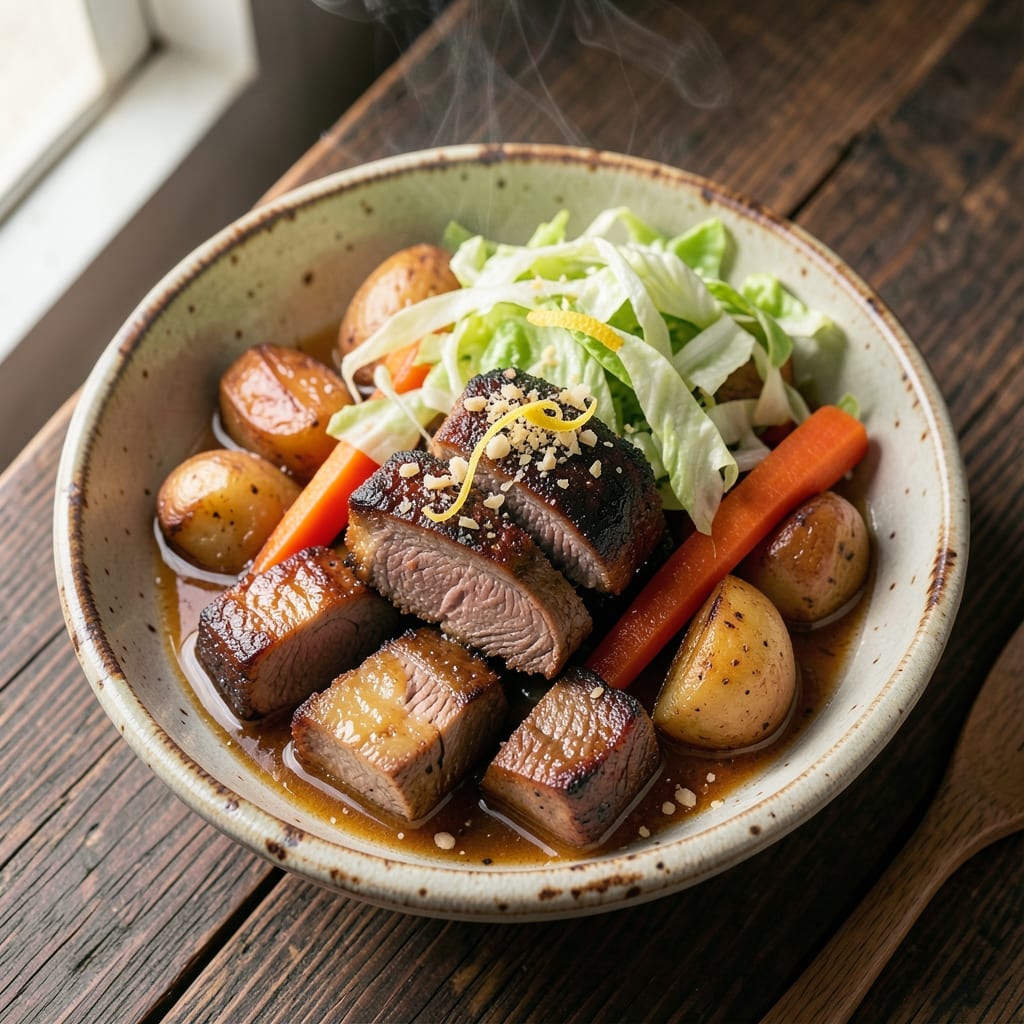
This authentic beef mami recipe delivers the rich, slow-braised tenderness that makes Filipino comfort food unforgettable. The secret lies in hours of gentle simmering, where beef transforms into melt-in-your-mouth perfection while absorbing a fragrant coconut broth infused with garlic, ginger, and tomatoes. I've perfected this dish through years of testing, ensuring every bite delivers that perfect balance of savory, sweet, and umami that defines true Filipino flavor.
The beauty of beef mami is in its simplicity—just a few quality ingredients working together over time. You'll start with beef chuck, tenderized through slow cooking until it practically falls apart, surrounded by potatoes, carrots, and cabbage that absorb the deeply flavorful broth. The coconut milk adds that signature richness, while vinegar and soy sauce create the perfect tangy depth. This isn't just a stew; it's a celebration of Filipino home cooking that tastes like home.
What makes this recipe truly authentic is the patience required—no shortcuts here. The long simmer develops complex flavors that you simply can't achieve with quick cooking methods. Each spoonful delivers layers of texture: tender beef, soft vegetables, and a velvety broth that coats every bite. The aroma alone will have your whole house anticipating dinner, while the taste will have everyone asking for seconds.
Serve this hearty stew with steamed rice to soak up every last drop of that precious coconut broth. For an extra touch, garnish with fresh green onions or a squeeze of calamansi if you can find it—though even without, this dish stands on its own as a testament to Filipino comfort food at its finest. Let's get cooking!
Ingredients for authentic beef mami
Just 14 ingredients transform simple beef and veggies into Filipino comfort food magic.
| Ingredient | Amount | Notes |
|---|---|---|
| Beef Chuck Roast 🥩 | 3 lb | Cut into 1.5-inch cubes |
| Russet Potatoes 🥔 | 3 medium | Peeled and quartered |
| Green Cabbage 🥬 | 1 small | Cut into wedges |
| Carrots 🥕 | 4 medium | Whole, scrubbed clean |
| Fresh Ginger 🌿 | 2 tbsp | Grated, finely chopped |
| Garlic Cloves 🧄 | 8 cloves | Minced, not pressed |
| Coconut Milk 🥥 | 2 cans | Full-fat, 13.5 oz each |
| Canned Tomatoes 🍅 | 1 can | 14.5 oz, crushed |
| White Vinegar 💧 | ½ cup | Distilled preferred |
| Soy Sauce 🍶 | ¼ cup | Dark soy preferred |
| Brown Sugar 🍚 | ¼ cup | Packed firmly |
| Bay Leaves 🌿 | 2 whole | Dried, standard size |
| Black Peppercorns 🌶️ | 1 tsp | Whole, crushed lightly |
| Salt 🧂 | 1 ½ tsp | Kosher or sea salt |
The beef is everything here—beef chuck with good marbling breaks down into melt-in-your-mouth pieces. Most grocery stores carry it pre-cut, but if buying whole, ask the butcher to cube it. Costco or Trader Joe's usually have it ready to go. For the potatoes, russets hold up best—they won't turn mushy like waxy varieties. The cabbage? Any green variety works, but savoy cabbage adds extra texture if you can find it. Fresh ginger and garlic are non-negotiable here—frozen works in a pinch, but fresh gives that bright, zesty punch that makes this dish authentic.
No coconut milk? Full-fat canned coconut cream works just as well—just shake the can before opening. Short on brown sugar? White sugar plus 1 tsp molasses mimics the depth. The soy sauce can be swapped for tamarind paste if you want to get fancy, though dark soy gives that classic Filipino color. Vinegar substitutes? Cane vinegar or lemon juice both work. For the tomatoes, San Marzano cans are ideal, but any good-quality crushed tomatoes will do. The bay leaves? Don't skip them—they add that subtle earthiness that rounds out the flavors.
This tastes even better the next day—honestly, the flavors meld overnight into something magical. Keeps 5-6 days in the fridge, though I usually make double batches because it disappears so fast. Freezes beautifully for 3 months—just thaw overnight in the fridge. For leftovers, reheat gently on the stove with a splash of water to revive the broth. The rice? Always serve it with extra—this stew soaks up every last drop.
Why You'll Love This Recipe
- One-Pot Magic: Honestly, I dump everything in one pot—beef, potatoes, cabbage, carrots—and walk away. The ginger and soy sauce do all the heavy lifting while you sip tea or scroll through your phone. (Yes, even on a Tuesday night.)
- Ginger-Glazed Goodness: That fresh ginger? It’s the star—caramelizing into a sticky, aromatic glaze that clings to the beef like a hug. Between us, the first bite makes you want to skip dessert. (Not that I’d judge.)
- Leftovers That Shine: This dish begs for reheating—better the next day, if you can believe it. Pack it for lunch or freeze portions; the flavors only deepen. My daughter picks out the beef chunks first, but still asks for seconds.
- Budget Feast: A whole chuck roast and a head of cabbage stretch for a week of meals. No fancy ingredients, just hearty, satisfying bites that make you feel like you’re feeding a crowd—without breaking the bank. (Not the prettiest, but the taste makes up for it.)
Step-by-step instructions for authentic beef mami
Let's create this rich, coconut-infused Filipino masterpiece that melts in your mouth.
Prepare the Beef and Vegetables
Cut the 3 lb beef chuck roast into 1.5-inch cubes—this size ensures even cooking and maximum tenderness. Pat each piece dry with paper towels to help the marinade cling better. In a large bowl, combine the beef with 2 tbsp finely grated fresh ginger, 8 minced garlic cloves, 0.5 cup white vinegar, 0.25 cup soy sauce, 0.25 cup packed brown sugar, 1.5 tsp salt, and 1 tsp lightly crushed black peppercorns. Mix gently but thoroughly, making sure every piece of beef absorbs the marinade.
While the beef marinates, peel and quarter the 3 medium russet potatoes, cut the 1 small green cabbage into wedges, and scrub the 4 medium carrots clean. Set them aside—they'll join the beef later in the cooking process. Let the beef marinate at room temperature for 30 minutes while you prepare everything else. This step develops deep, complex flavors that make this dish truly authentic.
Sear the Beef for Maximum Flavor
Heat a large, heavy-bottomed pot or Dutch oven over medium-high heat. Add the marinated beef in batches, allowing enough space between pieces so they don't steam. Sear for 2-3 minutes per side until the beef develops a deep golden-brown crust—this creates the rich, caramelized foundation for your sauce. Don't overcrowd the pot, or the beef will release moisture and steam instead of sear.
Once all the beef is browned, remove it from the pot and set it aside. In the same pot, add the 3 medium quartered russet potatoes, 1 small cabbage wedges, and 4 whole carrots. Cook them for 5 minutes, stirring occasionally, until they begin to soften slightly. This quick sauté helps them absorb the flavors that will develop in the sauce.
Build the Coconut-Tomato Base
Pour in the 1 can crushed canned tomatoes and all the remaining marinade from the beef. Stir well to combine, scraping up any browned bits from the bottom of the pot—these are packed with flavor. Bring the mixture to a gentle simmer over medium heat, then reduce the heat to low. Add the 2 whole bay leaves and stir in the 2 cans full-fat coconut milk. The sauce should be rich and slightly thick, but not clumpy.
Return the seared beef to the pot, along with the potatoes, cabbage, and carrots. The liquid should come about halfway up the sides of the beef cubes. If it looks too thin, add ¼ cup water to help the beef cook gently in the sauce. Cover the pot with a tight-fitting lid and let it simmer gently for 1 hour. This slow cook time is crucial—it allows the beef to become fork-tender while the vegetables absorb all the rich, coconut-infused flavors.
Braise Until Perfectly Tender
After 1 hour, check the tenderness of the beef. It should be fork-tender, meaning the fork slides in and out easily with minimal resistance. If the beef isn't tender yet, continue simmering for another 30-45 minutes, covered, until it reaches 203°F on an instant-read thermometer. The vegetables should also be soft but still hold their shape—potatoes should be tender when pierced with a fork, and carrots should be fork-tender.
Once the beef is perfectly tender, remove the 2 whole bay leaves and discard them. Taste the sauce and adjust the seasoning if needed—add a splash more soy sauce for saltiness, a pinch of salt for balance, or a bit of brown sugar if you want it sweeter. The sauce should be rich, slightly tangy, and deeply flavorful, with the coconut milk adding a velvety texture that makes every bite irresistible.
Serve with Steamed Rice
Transfer the beef and vegetables to a serving platter, spooning the sauce over the top. Serve immediately with steamed white rice—this dish is all about that perfect balance of tender beef, hearty vegetables, and creamy coconut sauce. The rice soaks up the extra sauce, making every bite even more delicious. This authentic Filipino beef mami is a celebration of slow-cooked tenderness and the magic of coconut milk.
Pro Tips For Making Authentic Beef Mami
- Sear the Chuck Roast First: I learned this the hard way—skipping the sear means flavor gets lost in the slow cook. Pat the beef dry, then hit it with a screaming-hot pan (cast iron if you have it) until it’s deep brown on all sides. That crust locks in juices and builds depth for the long simmer.
- Slice Ginger Paper-Thin: Thick ginger chunks taste like afterthoughts. Use a mandoline or sharp knife to shave it into matchsticks—no need to peel. Toss them in the pot early; they’ll dissolve into the broth and infuse every bite without bitterness.
- Don’t Overcrowd the Pot: I used to dump everything in at once, and the veggies turned to mush. Layer the potatoes and carrots in the bottom, then nestle the cabbage leaves around the beef. Add liquid gradually—you’ll need about 2 cups, but start with 1 and adjust.
- Rest the Beef Before Slicing: Cutting into that roast too soon sends all the juices pooling on your plate. Let it sit under foil for 10 minutes after cooking. Then slice against the grain—thin, even pieces so every bite melts in your mouth. (Yes, even if you’re impatient like me.)
Serving suggestions for authentic beef mami
Steamed Rice Pairing
This dish is all about the perfect harmony with steamed white rice—it soaks up every last drop of that rich coconut sauce, making each bite even more satisfying. Use jasmine rice for its delicate aroma that complements the beef's depth, or long-grain rice for a firmer texture. Cook about 1.5 cups rice per 3 servings—this hearty stew pairs beautifully with 1 cup rice per person, ensuring everyone has plenty to enjoy. 🍚
Garnish Like a Pro
Fresh green onions sliced thinly add a bright, crisp finish that cuts through the richness. I like to scatter them over the top just before serving. For an authentic Filipino touch, squeeze a little calamansi (Filipino lime) over each bowl—its tangy sweetness elevates the dish. If calamansi isn’t available, lemon or lime juice works in a pinch. A sprinkle of toasted sesame seeds adds a nutty crunch that balances the creamy sauce. ✨
Side Dish Ideas
Add a crisp, refreshing element with a simple cucumber salad. Toss 2 cups thinly sliced cucumbers with 1 tbsp rice vinegar, 1 tsp sugar, and a pinch of salt—it’s light enough to cleanse your palate between bites of rich beef mami. Another great option is garlic-fried string beans, which add a savory crunch that pairs perfectly with the tender beef. For something heartier, crispy lomi (Filipino-style fried plantains) brings a sweet contrast to the savory stew.
Beverage Pairings
Cool down the richness with a Filipino iced tea—steep black tea bags in hot water, add 1 tbsp honey, and chill with ice. For something stronger, a light beer like San Miguel or Red Horse complements the dish without overpowering it. If you prefer wine, a dry Riesling with its crisp acidity balances the coconut’s creaminess beautifully. Avoid heavy reds—they’ll clash with the dish’s delicate flavors. 🍺
Make It a Feast
Turn this into a full Filipino spread by adding atchara (pickled papaya) for its sweet-tangy crunch. Serve with dinuguan (pork blood stew) for a traditional combo, or keep it simple with sisig (sizzling pork) on the side. For dessert, halo-halo (shaved ice dessert) or leche flan rounds out the meal perfectly. The key is balance—rich stew, crisp sides, and refreshing drinks make this a complete celebration of Filipino flavors. 🌟
Nutrition facts
Frequently asked questions
Can I substitute chicken or pork for the beef in this recipe?
While beef is traditional, you can absolutely use chicken thighs (bone-in for best results) or pork shoulder. For chicken, reduce cooking time to 45-60 minutes until tender. Pork should simmer for 1.5-2 hours to achieve that melt-in-your-mouth texture. The key is patience—don't rush the cooking time or the meat won't be tender.
What's the secret to getting the beef perfectly tender?
The magic happens with three things: properly sized beef cubes (1.5-inch), slow simmering (at least 1.5 hours covered), and maintaining a gentle boil (not a rolling boil). The long cook time breaks down collagen in the meat, transforming it into fork-tender perfection. Never skip the marinade—it tenderizes the beef before cooking.
Can I make this recipe in an Instant Pot or slow cooker? For an Instant Pot, sear the beef first, then add all ingredients and cook on high pressure for 60 minutes, followed by a 15-minute natural release. For a slow cooker, combine everything and cook on low for 6-7 hours or high for 4-5 hours. The slow cooker method actually enhances the tenderness even more. Just
Why does my beef mami taste too sweet or sour?
Too sweet? You likely used too much brown sugar—start with 2 tbsp and adjust to taste. Too sour? The vinegar may have overwhelmed the flavors. Try adding 1 tsp soy sauce or a pinch of salt to balance it. The key is finding harmony between the sweet, sour, and savory elements. Taste as you go and adjust gradually.
How can I make this dish ahead of time?
Beef mami tastes even better the next day! Let it cool completely, then store in an airtight container in the fridge for up to 5-6 days. For freezing, portion into meal-sized containers and freeze for up to 3 months. Thaw overnight in the fridge and reheat gently on the stove with a splash of water to revive the sauce. The flavors actually meld and deepen over time.