
Main Courses
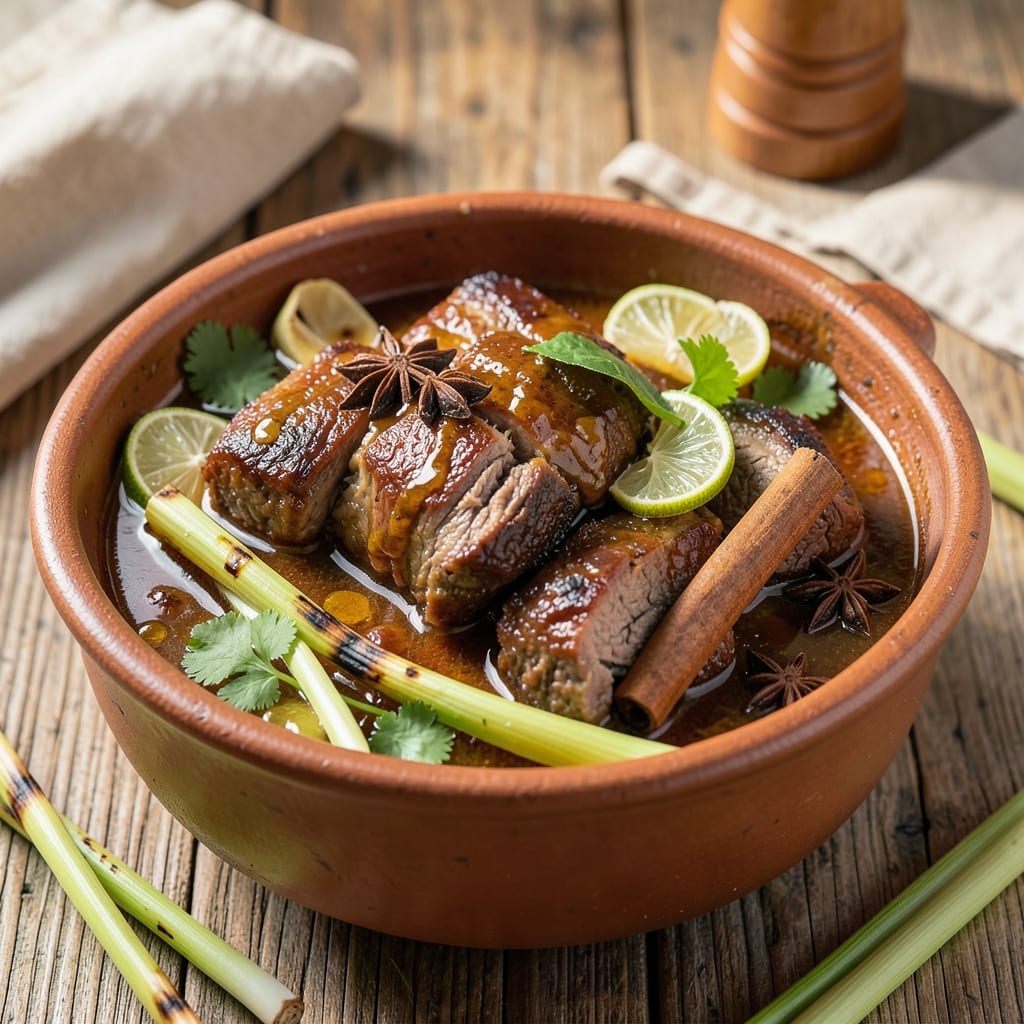
This authentic beef rendang recipe brings the rich, aromatic flavors of Indonesia straight to your kitchen with its signature slow-cooked spice blend and velvety coconut depth. The key to perfect rendang lies in the balance of spices—cinnamon, lemongrass, galangal, and kaffir lime leaves—that develop into a fragrant, caramelized paste over hours of simmering. I've perfected this technique after years of experimenting, ensuring every bite delivers that complex harmony of sweet, spicy, and savory notes.
The process begins with marinating tender beef in a paste of pounded spices and coconut milk, which tenderizes the meat while infusing it with flavor. Then, it slow-cooks until the sauce reduces to a thick, glossy glaze that clings to each piece of beef. This dish isn't just about the taste—it's about the experience of creating something that feels like a piece of Indonesian home cooking. The result is fall-apart-tender beef swimming in a rich, aromatic sauce that's perfect for feeding a crowd or savoring over a week.
What makes this rendang truly special is how the spices transform during cooking. The lemongrass and galangal soften into sweet, earthy notes, while the coconut milk caramelizes into a deep, golden sauce. The beef becomes so tender it practically melts in your mouth, and the aroma alone will have everyone gathered around your table. This is the kind of dish that turns a simple meal into a memorable feast—ideal for special occasions or when you want to impress with authentic flavors.
Serve this beef rendang with steamed jasmine rice to soak up every last bit of that fragrant sauce, and pair it with a side of sambal for those who crave extra heat. The slow-cooking process means you can prepare it ahead of time, letting the flavors deepen even more. Let's get started on creating this Indonesian classic in your own kitchen.
Ingredients for authentic beef rendang
Sixteen ingredients, hours of slow cooking, and a symphony of Indonesian spices for this unforgettable dish.
| Ingredient | Amount | Notes |
|---|---|---|
| Beef Chuck Roast 🥩 | 3 lb | Cut into 2-inch cubes |
| Coconut Milk 🥥 | 2 cans | Full-fat, 13.5 oz each |
| Galangal 🌿 | 1 piece | About 3 inches long |
| Lemongrass 🌿 | 4 stalks | Bruised, tough ends trimmed |
| Kaffir Lime Leaves 🍋 | 4 whole | Fresh, outer leaves only |
| Cinnamon Sticks 🌶️ | 2 whole | 2-inch pieces |
| Turmeric Powder 🧂 | 1 tbsp | Freshly ground preferred |
| Coriander Seeds 🌿 | 1 tbsp | Toasted for aroma |
| Star Anise 🌶️ | 2 whole | Lightly crushed |
| Shallots 🧅 | 6 whole | Peeled, halved |
| Garlic Cloves 🧄 | 8 cloves | Peeled, lightly crushed |
| Brown Sugar 🍯 | ½ cup | Packed lightly |
| Salt 🧂 | 1 ½ tsp | Kosher or sea salt |
| Black Peppercorns 🌶️ | 1 tsp | Crushed lightly |
| Vegetable Oil 🫒 | 2 tbsp | For searing beef |
The spices are the soul of rendang, so don't skip sourcing them right. Galangal and kaffir lime leaves are the hardest to find—Asian markets are your best bet, or order online from Penzeys. If you can't find fresh galangal, ginger is a decent substitute (use half the amount). Lemongrass should be firm and pale—avoid anything yellow or wilted. For the coconut milk, full-fat, no additives is critical. The 3 lb chuck roast should have good marbling; ask your butcher to cube it if they won't pre-cut it. Toast your whole spices (coriander, star anise) in a dry pan for 30 seconds before grinding—they'll add incredible depth.
No galangal? Ginger plus a pinch of cardamom mimics the earthy notes. Running out of kaffir lime leaves? Double the lemongrass and add a splash of lime juice. The brown sugar can be swapped for coconut sugar or palm sugar if you're feeling authentic. For the shallots, yellow onions work in a pinch, but they'll be slightly sweeter. If you're making this ahead, prep the spice paste a day early—it'll deepen in flavor. The beef cubes should be even-sized so they cook uniformly; trim any large fat caps before searing.
This rendang tastes even better the next day as the sauce reduces further. Store in an airtight container in the fridge for up to 5 days, or freeze for 3 months. The sauce thickens as it cools, so add a splash of water or coconut milk when reheating. I always make a double batch—half goes in the freezer for lazy weeknights. Serve with steamed jasmine rice to soak up every last bit of that fragrant sauce. The aroma alone will have your whole house gathering around the table.
Why You'll Love This Recipe
- One-Pot Magic: I swear by this—just throw everything in a single pot and let it simmer. No chopping mountains of veggies, no fussing with multiple pans. The beef practically melts into the coconut milk while the galangal and lemongrass work their flavor magic on their own.
- Deep, Slow Love: That first bite? Rich, caramelized beef with layers of spice and coconut cream—it’s the kind of dish that makes you slow down. The slow cooking turns tough chuck roast into something tender, and the kaffir lime leaves add a bright, citrusy finish that cuts through the richness. Honestly, it’s the kind of flavor that lingers.
- Leftovers That Win: Between us, this recipe begs for seconds—and thirds. The sauce thickens beautifully over time, making it perfect for lunchboxes or quick reheats. I’ve had it cold the next day, and it’s still just as satisfying. Plus, it freezes like a dream, so you’re always covered.
- Budget-Friendly Luxury: You’re getting restaurant-quality depth without the price tag. Chuck roast is affordable, and the spices—galangal, lemongrass, lime leaves—stretch far. I’ll be real: this is the kind of dish that makes you feel fancy without breaking the bank, and it’s way more impressive than takeout.
Step-by-step instructions for authentic beef rendang
This traditional Indonesian dish delivers rich, caramelized beef with layers of aromatic spices.
Prepare the Spice Paste
In a food processor, combine the peeled and halved shallots, peeled and lightly crushed garlic cloves, the 1 piece galangal, 4 stalks lemongrass (bruised and trimmed), 4 whole kaffir lime leaves, 2 whole cinnamon sticks, 1 tablespoon turmeric powder, 1 tablespoon coriander seeds, and 2 whole star anise. Pulse until you achieve a coarse paste - about 5-7 pulses. This aromatic foundation will infuse the beef with authentic Indonesian flavors.
Transfer the spice paste to a large, heavy-bottomed pot. Add the 2 tablespoons vegetable oil and stir to coat. Place the pot over medium heat and cook for 5-7 minutes, stirring constantly, until the spices release their oils and become deeply fragrant. This step develops the complex flavor profile that makes rendang so distinctive.
Sear the Beef and Build the Base
Increase the heat to medium-high and add the 3 lb beef chuck roast cut into 2-inch cubes. Cook for 8-10 minutes, stirring occasionally, until the beef develops a deep golden brown crust. This searing step creates the Maillard reaction that forms the rich, caramelized flavor at the heart of authentic rendang.
Once the beef is well-browned, add the spice paste mixture and stir to combine. Cook for an additional 3-4 minutes, allowing the spices to toast slightly and adhere to the beef. This creates a flavorful crust on each piece that will intensify during the long cooking process.
Simmer in Coconut Milk
Pour in the 2 cans coconut milk, scraping up any browned bits from the bottom of the pot. Add the 0.5 cup brown sugar, 1.5 teaspoons salt, and 1 teaspoon crushed black peppercorns. Stir well to combine all ingredients, then reduce the heat to low.
Bring the mixture to a gentle simmer, then partially cover the pot and let it cook for 2-2.5 hours. The liquid should gradually reduce, creating a thick, glossy sauce that coats the beef. Stir occasionally to prevent the spices from sticking to the bottom. The aroma that fills your kitchen will be worth the wait - this is where the magic happens.
Reduce and Caramelize
After the initial simmering, increase the heat to medium and continue cooking uncovered for another 1-1.5 hours. This final reduction phase is crucial - it allows the sauce to thicken dramatically and develop a deep, caramelized color. The beef should be fork-tender, and the sauce should coat the back of a spoon.
As the sauce reduces, you'll notice it becomes increasingly concentrated and develops a rich, amber hue. This is the signature look of authentic rendang. The longer you cook it, the more intense the flavors become. The beef should be falling apart slightly when pierced with a fork, indicating perfect tenderness.
Rest and Serve
Once the sauce has reached the desired consistency and the beef is tender, remove the pot from heat. Let the rendang rest for 10-15 minutes before serving. This resting period allows the flavors to meld completely and the juices to redistribute throughout the beef.
Serve the beef rendang with steamed jasmine rice to soak up the rich, spiced sauce. The authentic version should have a balance of sweet, spicy, and savory flavors with a deep, caramelized aroma. Each bite should deliver tender beef with a complex interplay of spices that dance on your palate.
Pro Tips For Making Authentic Beef Rendang
- BROWN THE BEEF FIRST: Skip the slow start—sear your chuck roast in batches over high heat until deep brown. I learned this the hard way: skipping this step means your rendang will taste more like stew than the rich, caramelized masterpiece it should be. Use about 2 tablespoons of oil per batch, and don’t crowd the pan—this isn’t a rush job.
- PEEL GALANGAL THINLY: Galangal’s tough outer skin won’t soften, so slice it paper-thin before adding it to the paste. I used to toss in whole chunks and wondered why the aroma never hit the right notes. A sharp knife or mandoline makes this easier—just don’t skip it, or your rendang will taste one-dimensional.
- LOW AND SLOW Wins: After the paste cooks off, drop the heat to a gentle simmer—think tiny bubbles, not rolling. I once left mine at medium and ended up with a watery, underflavored mess. Cover the pot and let it bubble away for 3+ hours; the longer, the better. Patience here separates good rendang from unforgettable rendang.
- USE FULL-FACTORY COCONUT MILK: Cheap coconut milk separates and ruins the sauce. Splurge on a can labeled "full-fat" or "cream of coconut" (like Aroy-D or Thai Kitchen). I was skeptical until I tried it—now I refuse to go back. Stir in the second can only after the first reduces by half, or you’ll dilute the depth of flavor.
Make-ahead tips for this recipe
Prep Ahead Strategy
Start your spice paste the night before—it develops deeper flavor overnight. Store it in an airtight container in the fridge. This 24-hour head start transforms ordinary spices into aromatic magic. Trust me, the difference is noticeable! 🌿
Slow Cooker Adaptation
For hands-off cooking, transfer the seared beef and spice paste to a 6-quart slow cooker. Add coconut milk and simmer on low for 8 hours or high for 5 hours. The slow cooker maintains consistent heat, perfect for tenderizing beef while reducing the sauce. Just stir occasionally to prevent sticking.
Freezer-Friendly Prep
Prepare the full rendang up to Step 4, then cool completely before transferring to freezer-safe containers. Label with dates—it keeps for 3 months. When ready to serve, thaw overnight in the fridge, then reheat gently on the stovetop with 2 tbsp water or coconut milk to restore moisture. The flavors only get better after freezing! ❄️
Sauce Thickening Hack
If your sauce isn't thick enough after cooking, remove the beef and reduce the sauce uncovered on medium-high heat for 10-15 minutes. Stir frequently to prevent burning. For extra richness, whisk in 1 tbsp cornstarch mixed with 2 tbsp water—this creates a glossy, restaurant-quality finish without altering the authentic taste.
Beef Tenderizing Tip
For even more tender beef, add 1 tbsp apple cider vinegar when searing. The acid helps break down collagen faster during cooking. I also recommend using a meat thermometer—pull the beef when it hits 205°F for maximum tenderness. The long cook time makes this worth the investment! 💡
Flavor Boosting Trick
Add 1-2 slices of toasted pandan leaves (found in Asian markets) during the final 30 minutes of cooking. They infuse a subtle floral aroma that elevates the dish. If unavailable, a pinch of vanilla bean paste works in a pinch. The aroma alone will transport you to Indonesia! 🌺
Nutrition facts
Frequently asked questions
Can I use regular ginger instead of galangal?
Yes, but with adjustments! Use half the amount of fresh ginger (about 1.5 inches) and add a pinch of cardamom powder to mimic galangal's earthy depth. Galangal has a citrusy, peppery kick that ginger lacks, so the dish will taste slightly different but still delicious. For authentic flavor, track down fresh galangal at Asian markets.
How do I know when the beef is tender enough?
Use a fork to test - the beef should easily shred apart with gentle pressure. For extra accuracy, use a meat thermometer: pull the beef at 205°F (well-done). The long cooking time ensures tenderness, but checking at 3 hours total is wise. If still firm, cook another 30-45 minutes uncovered to reduce the sauce further.
Why does my rendang sauce look too thin?
This happens when the sauce hasn't reduced enough. Remove the beef and simmer the sauce uncovered on medium-high heat for 10-15 minutes, stirring frequently. For a quicker fix, whisk in 1 tbsp cornstarch mixed with 2 tbsp water to thicken without altering flavor. The sauce should coat the back of a spoon when done.
What's the best way to reheat leftover rendang?
Gently reheat on the stovetop with 2 tbsp water or coconut milk to restore moisture. Cover and simmer for 5-7 minutes—never microwave, as it makes the sauce greasy. For extra richness, add a splash of fresh coconut milk. Reheated rendang tastes even better the next day as flavors meld further!
Can I make this in an Instant Pot?
Sear the beef first, then cook on high pressure for 45 minutes with all ingredients. After pressure releases, remove the lid and simmer on sauté mode for 30 minutes to reduce the sauce. The Instant Pot cuts cooking time but requires extra reduction for authentic texture. Stir occasionally to prevent sticking.