Main Courses
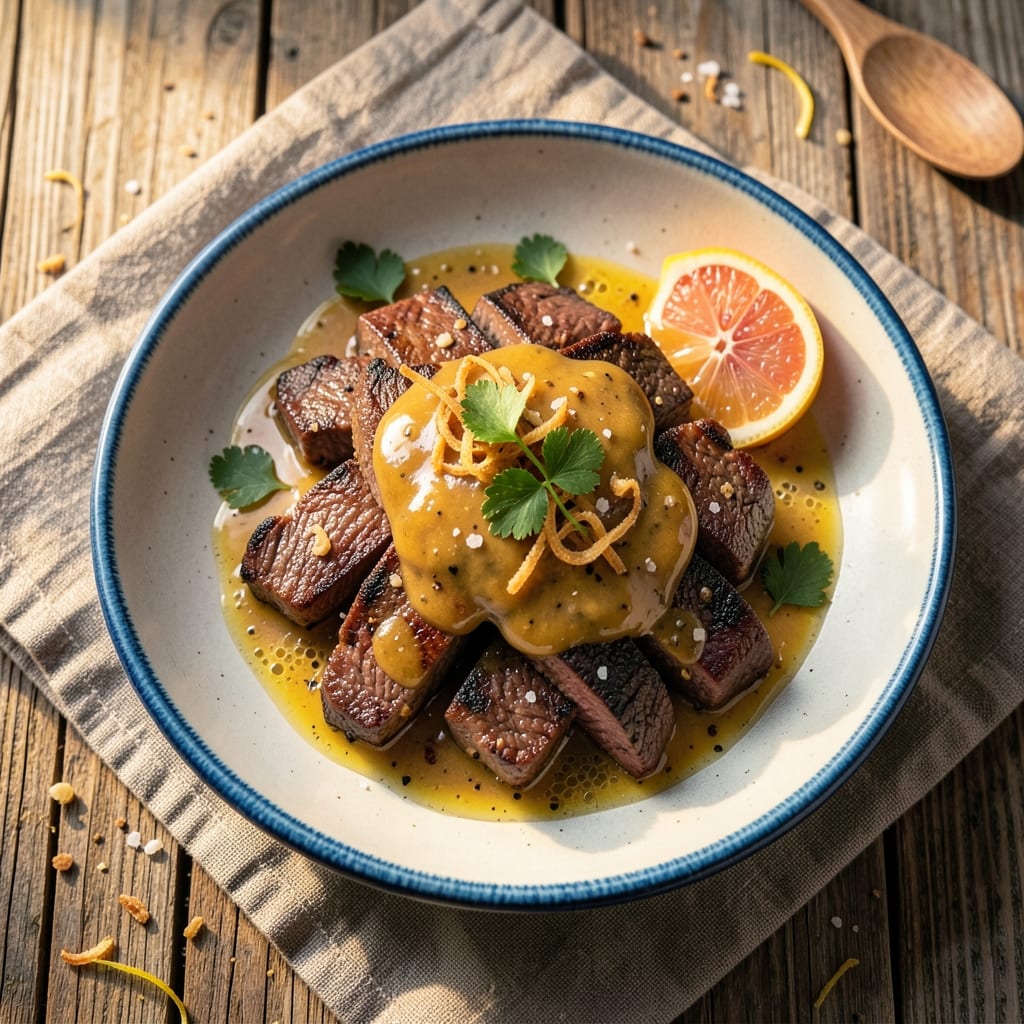
This authentic beef souvlaki recipe delivers the charred, smoky flavor of a Greek street food classic, straight from a Greek taverna grill to your backyard. The secret lies in the marinade—a bold blend of olive oil, lemon, garlic, and oregano—that tenderizes the beef while infusing it with vibrant Mediterranean flavors. After years of perfecting this technique, I’ve cracked the code for juicy, caramelized skewers that hold their shape and pack a punch of flavor in every bite.
The process starts with thinly sliced beef (traditionally sirloin or pork shoulder) marinated for at least 4 hours—overnight is even better. Skewering the meat properly ensures even cooking and that signature charred crust, while grilling over high heat transforms the dish into a smoky, savory masterpiece. The result? Tender, flavorful bites that are crispy on the outside and juicy within, perfect for serving with warm pita, tzatziki, and a sprinkle of fresh herbs.
What makes this recipe truly authentic is the attention to detail—from the marinade ratios to the grilling technique. The lemon and garlic brighten the beef, while the olive oil and oregano create a rich, aromatic crust. Whether you're hosting a Greek-themed dinner or simply craving a taste of the Mediterranean, this recipe delivers restaurant-quality souvlaki with minimal effort.
Serve with classic sides like lemon wedges, crusty bread, and a generous dollop of tzatziki for the full experience. The leftovers reheat beautifully, making this a great meal prep option for busy weeks. Let’s get started on creating your own Greek grill masterpiece!
Ingredients for authentic beef souvlaki
Nine essential ingredients transform simple beef into restaurant-quality Greek grill masterpieces.
| Ingredient | Amount | Notes |
|---|---|---|
| Beef Sirloin 🥩 | 1 ½ lb | Thinly sliced against grain |
| Extra-Virgin Olive Oil 🫒 | ½ cup | High quality, fruity variety |
| Fresh Lemon Juice 🍋 | ¼ cup | Freshly squeezed preferred |
| Garlic Cloves 🧄 | 6 cloves | Minced for marinade |
| Dried Oregano 🌿 | 2 tsp | Greek oregano preferred |
| Ground Black Pepper 🌶️ | 1 tsp | Freshly ground preferred |
| Sea Salt 🧂 | 1 ½ tsp | Kosher or fine grain |
| Wooden Skewers 🪵 | 8 whole | Soaked in water 30 mins |
| Fresh Parsley 🌿 | ¼ cup | Chopped for garnish |
| Red Wine Vinegar 🍷 | 1 tbsp | For marinade brightness |
| Honey 🍯 | 1 tbsp | For caramelized crust |
The beef is non-negotiable—sirloin gives you that perfect balance of tenderness and flavor. Look for well-marbled cuts at Whole Foods or your local butcher. The extra-virgin olive oil should be fruity and peppery, not bitter. I grab mine from Trader Joe's or Costco for the best quality at reasonable prices. The Greek oregano makes all the difference—Penzeys sells the real stuff, but any Mediterranean market will have it too. Thinly slice the beef against the grain for maximum tenderness, and don't skip the marinating time—at least 4 hours, overnight if possible.
No Greek oregano? Italian oregano at half the amount works in a pinch, but you'll miss that authentic flavor. Short on lemon juice? Substitute lime juice, though it'll be slightly different. The honey adds a beautiful caramelization—if you're avoiding sugar, agave nectar works too. For the skewers, soak them in water for at least 30 minutes to prevent burning. If you can't find wooden skewers, metal or soaked bamboo skewers are great alternatives. The marinade can be made a day ahead and stored in the fridge, so prep it first thing in the morning for stress-free grilling later.
Marinated beef keeps for 2 days in the fridge, but use it within 24 hours for best texture. The skewers are best grilled fresh, but you can assemble them up to 4 hours ahead and refrigerate. Leftovers reheat beautifully—just warm them on the grill or in a skillet for 2-3 minutes. Store any unused marinade in an airtight container for up to 1 week. For extra authenticity, serve with warm pita, tzatziki, and a sprinkle of fresh parsley. The leftovers make amazing sandwiches the next day—just slice the skewers off and pile them high.
Why You'll Love This Recipe
- No-Fuss Skewers: The beef sirloin stays juicy even when grilled—no fancy marinating overnight, just 30 minutes of slicing and tossing with olive oil, lemon, and garlic. Honestly, my kids think I’m a hero for dinner this fast.
- Herb-Packed Punch: That bright lemon juice cutting through the tender beef? Combined with the oregano and minced garlic, it’s the kind of flavor that makes you reach for seconds without even thinking. Between us, it’s the closest I’ve gotten to a Greek taverna at home.
- Weeknight to Party Fix: Same recipe, endless uses—skewer them for a quick weeknight meal or bulk them up for a summer BBQ. I’ve served these on pita with tzatziki, in salads, or even as tacos when I’m feeling wild. (Yes, even on a Tuesday night.)
- Budget-Friendly Protein: Sirloin stretches further than you’d think, and the ingredients cost pennies compared to takeout. Plus, leftovers reheat like a dream—just a quick sizzle in the pan, and they taste fresh again. My wallet and my family thank me every time.
Step-by-step instructions for authentic beef souvlaki
Master the traditional Greek technique for perfectly charred, juicy skewers every time.
Marinate the Beef for Maximum Flavor
In a large bowl, combine the 1.5 lb beef sirloin, sliced thinly against the grain. Add the 0.5 cup extra-virgin olive oil, 0.25 cup fresh lemon juice, 6 cloves minced garlic, 2 tsp dried oregano, 1 tsp ground black pepper, 1.5 tsp sea salt, 1 tbsp red wine vinegar, and 1 tbsp honey. The lemon juice and vinegar brighten the marinade while the honey adds subtle sweetness that caramelizes beautifully on the grill.
Mix everything thoroughly with your hands, ensuring the beef is fully coated. Cover the bowl and refrigerate for at least 4 hours, preferably overnight. This long marinating time is essential for authentic souvlaki—it tenderizes the beef and infuses it with deep, complex flavors. The longer it marinates, the more flavorful your skewers will be.
Prepare the Skewers for Even Cooking
Soak the 8 wooden skewers in water for 30 minutes to prevent burning on the grill. Drain them well before using. Thread the marinated beef onto the skewers, alternating pieces to create even cooking surfaces. Leave a small gap between each piece to allow the grill's heat to penetrate fully.
Don't overcrowd the skewers—this ensures each piece cooks evenly and develops that perfect char. If your beef pieces vary in size, arrange them with the thickest pieces toward the center of the skewer so they cook through while the thinner edges char quickly. This step is crucial for achieving the authentic Greek restaurant texture.
Grill Over High Heat for Charred Perfection
Preheat your grill to high heat, around 450°F, and clean the grates thoroughly. Place the skewers directly on the grates to maximize contact with the heat source. Cook for 3-4 minutes per side, turning only once. The goal is to create a deep char while keeping the interior juicy.
Watch for the telltale signs of doneness: the beef should develop a dark, caramelized crust with grill marks, while the internal temperature reaches 145°F when measured with a meat thermometer. Avoid moving the skewers too frequently—this prevents them from developing the proper char. If you notice the skewers are burning before the beef is cooked through, move them to a cooler part of the grill temporarily.
Rest and Garnish for Restaurant-Quality Results
Once the beef reaches the perfect doneness, transfer the skewers to a cutting board and let them rest for 5 minutes. This resting period allows the juices to redistribute, ensuring each bite is moist and flavorful. While they rest, chop the 0.25 cup fresh parsley for garnish.
Serve the souvlaki immediately, garnished with the chopped parsley. The charred exterior should contrast beautifully with the tender, juicy interior. For an authentic touch, serve with warm pita bread, tzatziki sauce, and a Greek salad. The combination of smoky, charred beef with the bright lemon and garlic marinade creates the perfect balance of flavors that defines traditional souvlaki.
Pro Tips For Making Authentic Beef Souvlaki
- Trim the Fat First: Cut off all visible fat and silver skin from the sirloin before slicing—it burns fast and ruins the marinade’s balance. I used to leave it on, and the first bite always tasted greasy instead of bright. ---
- Marinate Cold, Not Room Temp: Keep the beef in the fridge while marinating for 4–6 hours—never at room temperature. Warm meat absorbs flavors unevenly and can turn mushy when grilled. (Yes, even if you’re impatient like me.) ---
- Sear Skewers High and Fast: Cook the souvlaki over direct flame at max heat for the first 30 seconds—this locks in juices before the garlic and lemon take over. After that, pull back to medium heat to avoid charring. I learned this the hard way after serving bitter, overcooked bites. ---
- Squeeze Lemon Last: Add fresh lemon juice after the skewers come off the grill, not before. The acid breaks down the meat too early, making it tough and watery. A quick squeeze at the end keeps it tender and tangy—no extra work, just better flavor.
Regional styles of these flavors
Greek Taverna Style
In Athens, souvlaki is served as a quick street food bite with a focus on bold flavors and simplicity. The key is using thinly sliced sirloin marinated in olive oil, lemon, and oregano—just like you'd find at Oinomageiremata in Psiri. Greeks often serve it with warm pita bread, tzatziki, and a squeeze of lemon. The marinade here includes red wine vinegar and honey for that authentic tangy-sweet balance you taste in every taverna. 🌟
Cypriot Grill Mastery
Cyprus takes souvlaki to the next level by incorporating fresh mint into the marinade alongside the traditional oregano. The Cypriot version often uses lamb instead of beef, but this beef adaptation works perfectly. Look for Cyprus-grown oregano at specialty stores for an extra layer of flavor. In Cyprus, souvlaki is grilled over charcoal for a smokier taste, and it's common to see it served with halloumi cheese on the side. The high heat and quick cook time keep the meat incredibly tender.
Modern Greek-American Fusion
In the US, souvlaki has evolved with local ingredients while keeping the core technique intact. Many Greek restaurants here use beef blends (like sirloin mixed with chuck) for affordability, but stick with sirloin for the best texture. A popular American twist is adding feta cheese to the marinade or serving it in pita pockets with hot sauce and pickled onions. The Kalamata olive garnish is a must—it adds that briny Mediterranean touch. This version is perfect for game day or backyard BBQs. 🏈
Island-Inspired Variations
On the Greek islands like Santorini and Mykonos, souvlaki is often lighter, using leaner cuts of meat and more lemon and herbs. The islanders prefer grilling over wood for a subtle smoky flavor. Try adding a pinch of cinnamon to the marinade for a unique island twist—it pairs surprisingly well with the beef. On Mykonos, it's common to see souvlaki served with grilled eggplant and roasted potatoes for a heartier meal. The high heat and quick cook time ensure the meat stays juicy even when grilled over open flames.
Restaurant-Quality Shortcuts
For a restaurant-style shortcut, use pre-marinated beef from the deli section (look for Greek-style blends). Many Greek markets sell ready-made souvlaki marinades—just add the beef and grill. If you're short on time, broil the skewers in the oven at broil/high heat for 5-6 minutes per side instead of grilling. For extra authenticity, finish the skewers with a drizzle of extra-virgin olive oil right off the grill. This method works perfectly for weeknight dinners when you crave that smoky flavor without the grill. 💡
Nutrition facts
Frequently asked questions
Can I use chicken or pork instead of beef for souvlaki?
Traditional Greek souvlaki often uses pork shoulder, but chicken breast works beautifully too. For chicken, marinate for at least 6 hours since it's leaner, and cook at 375°F for 2-3 minutes per side to avoid drying out. Pork should be marinated 4-6 hours and cooked to 145°F internal temp. The key is adjusting marinade time and heat to match the meat's texture.
How do I prevent the skewers from falling apart when grilling?
Use soaked wooden skewers (soak for 30 minutes) and thread the beef tightly but not overcrowded. For extra security, brush the skewers with olive oil before threading. If using metal skewers, ensure they're long enough to pierce the meat securely. The beef should be thinly sliced against the grain—this creates more surface area for flavor and better skewer stability.
What's the best way to make souvlaki indoors without a grill?
Use a cast-iron skillet or grill pan over high heat for that charred flavor. Cook for 2-3 minutes per side until caramelized. For broiling: preheat to broil/high heat, place skewers on a rack, and broil 4-5 minutes per side. Finish with a quick drizzle of olive oil and fresh parsley for authenticity. The goal is high heat and quick cooking to mimic grill marks.
Can I make the marinade ahead of time?
Yes! The marinade keeps for up to 1 week in the fridge. For best results, add the beef to the marinade 4-6 hours before cooking (or overnight). Store unused marinade in an airtight container. If you're prepping ahead, marinate the beef, then refrigerate it in the marinade for up to 2 days. The longer it marinates, the more tender and flavorful the beef becomes.
What sides pair best with beef souvlaki?
Serve with warm pita bread, tzatziki sauce, and a Greek salad for the full experience. For extra flavor, add lemon wedges, pickled onions, and Kalamata olives. On the island of Mykonos, souvlaki is often paired with grilled eggplant and roasted potatoes. For a heartier meal, serve with fresh feta and warm crusty bread.