
Main Courses
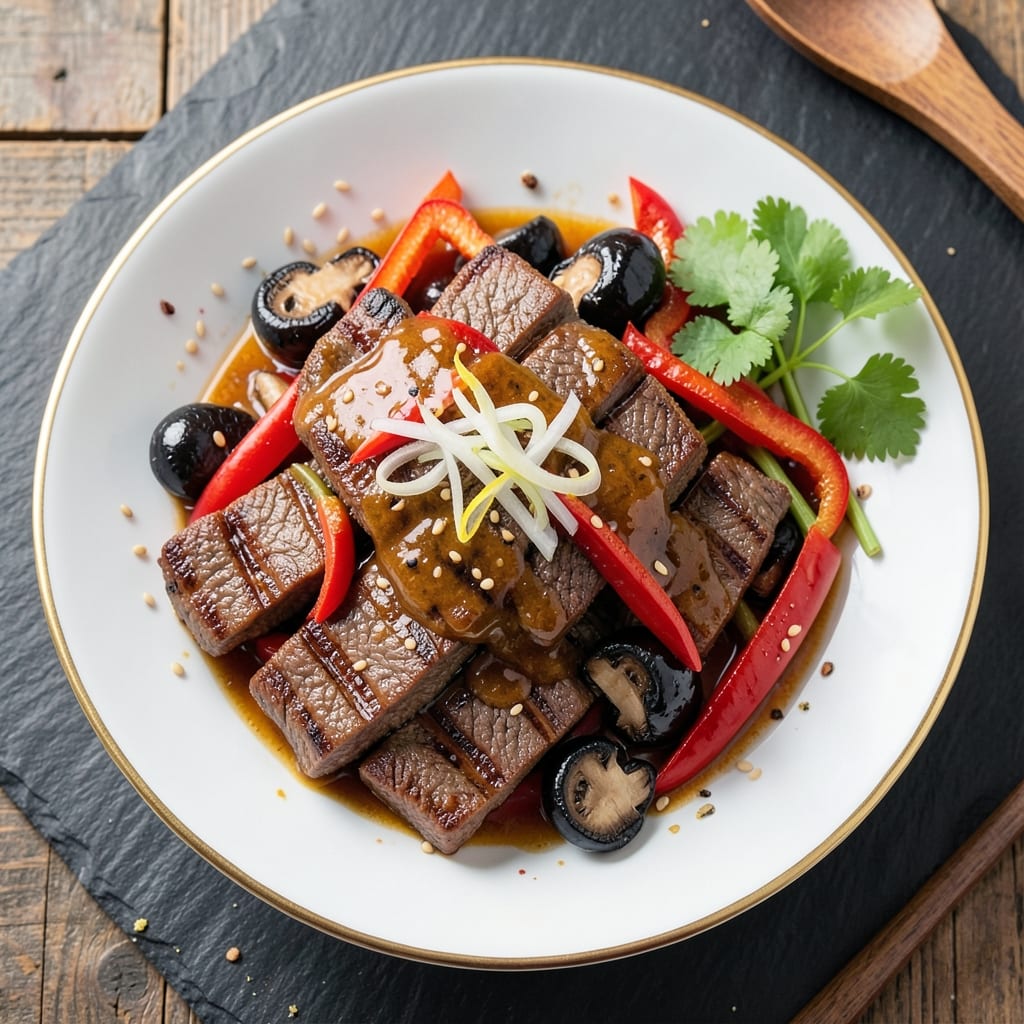
This authentic Chinese beef stir-fry delivers the smoky umami crunch of a Cantonese wok-heated classic—right in your home kitchen. The secret lies in high-heat searing, precise ingredient ratios, and a marinade that tenderizes while building deep flavor layers. I've refined this recipe over years of testing, balancing authenticity with home-cook practicality.
What sets this dish apart is the technique: thinly sliced beef marinated in a blend of oyster sauce, soy sauce, and Shaoxing wine, then stir-fried in batches to avoid overcrowding. The vegetables—bell peppers, bok choy, and scallions—are added at just the right moment to maintain their crisp texture while absorbing the savory sauce. Every bite should deliver that signature wok-hei (breath of the wok) aroma and tender yet slightly chewy beef.
The result is a restaurant-quality stir-fry with vibrant colors, complex flavors, and that satisfying crunch from quick-cooked vegetables. Serve over steamed jasmine rice to soak up every last drop of the rich, glossy sauce. This isn't just a recipe—it's an experience that brings the energy of a bustling Chinese kitchen to your stovetop.
For those craving regional variations, the Sichuan version would call for chili oil and Sichuan peppercorns, while the Cantonese style emphasizes light, fresh flavors. Either way, this method ensures you'll achieve professional results without specialized equipment. Let's get cooking!
Ingredients for authentic chinese beef stir fry
Thinly sliced beef, aromatic vegetables, and precise marinade ratios create this authentic Cantonese stir-fry experience.
| Ingredient | Amount | Notes |
|---|---|---|
| Flank Steak 🥩 | 1 ½ lb | Thinly sliced against grain |
| Oyster Sauce 🍜 | 3 tbsp | High-quality brand preferred |
| Light Soy Sauce 🥄 | 2 tbsp | For authentic umami depth |
| Shaoxing Wine 🍷 | 2 tbsp | Dry Chinese cooking wine |
| Cornstarch 🌾 | 1 tbsp | For wok-hei texture |
| Red Bell Pepper 🌶️ | 1 whole | Thinly sliced, seeds removed |
| Bok Choy 🥬 | 2 whole | Baby variety preferred |
| Scallions 🧅 | 4 whole | Cut into 1-inch pieces |
| Garlic Cloves 🧄 | 6 cloves | Minced for aromatic base |
| Sesame Oil 🫒 | 1 tbsp | Toasted for nutty aroma |
| Vegetable Oil 🫒 | 3 tbsp | High smoke point preferred |
| White Pepper 🌶️ | ½ tsp | Freshly ground for heat |
| Jasmine Rice 🍚 | 1 ½ cups | Uncooked, for serving |
| Sesame Seeds 🌱 | 1 tsp | Toasted for garnish |
The beef selection is critical—flank steak delivers that signature chewy texture when sliced against the grain. Look for well-marbled cuts at Whole Foods or your local Asian market, where they'll often slice it for you. Kung Fu brand oyster sauce is my go-to for authentic umami, but any quality brand will work. Shaoxing wine can be found in the international aisle of most grocery stores, though Trader Joe's carries it at a reasonable price. The cornstarch isn't just for thickening—it creates that signature wok-hei aroma when properly toasted. For the vegetables, baby bok choy holds up best to stir-frying, and scallions should be crisp—avoid any with wilted whites.
No Shaoxing wine? Dry sherry at half the amount works in a pinch, though it lacks the same depth. Substituting low-sodium soy sauce requires reducing the light soy sauce by 1 tbsp. The bell pepper can be swapped for green cabbage or snap peas, though texture will differ slightly. For the garlic, garlic powder at one-third the amount is acceptable if fresh isn't available, but the flavor won't be as vibrant. The sesame oil is non-negotiable for authentic flavor—never use the cooking variety. If you're avoiding gluten, substitute tamari for the soy sauce, though the texture will be slightly different. For the rice, jasmine rice is essential—long-grain white rice won't provide the same fragrant aroma.
Prep the beef and vegetables immediately before cooking to maintain crispness. The marinade can be made up to 24 hours ahead and stored in an airtight container in the fridge. For optimal wok-hei, work in batches—overcrowding steams the beef instead of searing. Leftovers keep for 3 days in the fridge, though the texture softens with reheating. For a restaurant-quality finish, always toast the sesame seeds in a dry pan for 30 seconds before sprinkling. The dish reheats best gently in a steamer basket to preserve that signature crunch.
Why You'll Love This Recipe
- One-Pan Magic: That cornstarch slurry? Total game-changer—it gives the flank steak that perfect crispy-tender bite without frying. Honestly, I’ve made stir-fries that needed three pans and a deep clean; this one’s one pan, one spatula, done while you chop veggies (if you’re feeling fancy).
- Umami Bomb: The combo of oyster sauce, light soy, and Shaoxing wine is ridiculously good—deep, savory, with just a hint of sweetness that makes your taste buds sit up. I’ll be real: my first batch had me reaching for seconds before the plate was empty, and that’s saying something after my family’s seen me burn noodles.
- Meal Prep MVP: This keeps brilliantly for days—taste stays bold, not soggy—and reheats like a dream. Between us, I make a double batch on Sundays, freeze half, and pull it out for lazy nights when takeout menus feel like too much effort. (Yes, even on a Tuesday night.)
- Budget Flex: Flank steak stretches far, and the sauce costs pennies—no fancy ingredients here, just real flavor. I’ve fed four people for under $15, and the leftovers? Better than delivery. Not the prettiest, but the taste makes up for it every time.
Step-by-step instructions for authentic Chinese beef stir fry
Master the wok-hei technique and balance of textures that define this classic dish.
Prepare the Flank Steak for Maximum Tenderness
Slice the 1.5 lb flank steak thinly against the grain using a sharp knife. The slices should be about ¼-inch thick—this ensures they cook quickly and remain tender. Place the sliced beef in a bowl and add 1 tbsp cornstarch, tossing gently to coat evenly. This creates a light crust that helps achieve that signature wok-hei texture.
Next, add 2 tbsp light soy sauce, 2 tbsp Shaoxing wine, and 0.5 tsp white pepper to the bowl. Mix thoroughly and let the beef marinate for at least 15 minutes at room temperature. This step develops deep umami flavor and prevents the meat from drying out during the high-heat stir-fry. The marinade should cling to the beef rather than pool at the bottom of the bowl.
Stir-Fry the Beef with Precision Timing
Heat a wok or large skillet over high heat until it's smoking hot. Add 3 tbsp vegetable oil and swirl to coat the surface evenly. Once the oil shimmers, add the marinated beef in a single layer, spreading it out to avoid overcrowding. Stir-fry for 1-2 minutes until the edges turn a beautiful deep golden brown—this indicates proper searing and flavor development.
Remove the beef from the wok and set it aside on a plate. This two-step cooking method prevents steaming the beef, which would make it tough. The beef should be 80% cooked at this stage—it will finish cooking when combined with the vegetables. Keep the wok on high heat; you'll need it immediately for the next step.
Build Layers of Flavor with Vegetables and Sauce
In the same wok, add 1 tbsp vegetable oil and swirl to coat. Add 6 cloves minced garlic and stir for 10 seconds until fragrant—don't let it brown, or it will turn bitter. Immediately add 1 whole red bell pepper (sliced) and 2 whole bok choy (chopped), stirring constantly for 2-3 minutes until the vegetables soften but retain their crunch. The high heat should create visible smoke—this is essential for authentic wok-hei flavor.
Return the beef to the wok and pour in 3 tbsp oyster sauce. Stir everything together for 1-2 minutes until the sauce coats the beef and vegetables evenly. The mixture should look glossy and well-combined. Taste and adjust seasoning if needed—the oyster sauce should provide rich umami depth, while the soy sauce adds saltiness. Remove from heat immediately to preserve the bright, smoky flavors.
Finish with Aromatics and Garnish
Transfer the stir-fry to a serving platter and drizzle with 1 tbsp sesame oil. This adds a nutty aroma and helps distribute the flavors evenly. Sprinkle with 4 whole scallions (cut into 1-inch pieces) and 1 tsp toasted sesame seeds for texture and visual appeal. The dish should have a balance of tender beef, crisp-tender vegetables, and glossy sauce with visible wok marks.
Serve immediately over 1.5 cups cooked jasmine rice to soak up the flavorful sauce. The rice should be hot and slightly sticky, providing a neutral base that lets the stir-fry shine. Each bite should deliver juicy beef, crunchy vegetables, and complex umami from the sauce—this is the hallmark of an authentic Chinese beef stir-fry.
Pro Tips For Making Authentic Chinese Beef Stir Fry
- Slice Thin, Slice Even: I learned this the hard way—uneven slices mean some beef gets overcooked while others stay chewy. Use a sharp knife and cut the flank steak against the grain into ¼-inch strips, no thicker. If you’re impatient like me, freeze the meat for 20 minutes first—it tightens the fibers and makes slicing cleaner.
- Marinate, Don’t Just Season: Skip the quick salt-and-pepper approach. Toss the beef with 1 tablespoon Shaoxing wine, 1 teaspoon light soy sauce, and ½ teaspoon cornstarch (yes, even before cooking). Let it sit for at least 15 minutes—this tenderizes the meat and helps the sauce cling later. I used to skip this, and the beef always felt dry.
- High Heat, Then Back Off: Crank the wok or pan to maximum heat before adding oil. Once the beef hits the pan, stir-fry for 30 seconds—you’ll see it sear instantly—then lower to medium-high. Too much heat too long turns the edges tough; too little means soggy beef. Sounds weird, but it works: the initial sear locks in juices, and the lower heat finishes it perfectly.
- Deglaze with Wine First: After removing the beef, wipe the pan clean and add 1 tablespoon Shaoxing wine before tossing in oyster sauce. Let it sizzle for 10 seconds—this removes burnt bits and adds depth. Then add the sauce and any veggies (if using). I was skeptical until I tried it: the flavor is richer, and the sauce doesn’t taste one-note.
Serving suggestions for this authentic chinese beef stir fry
Rice Pairings
Serve your beef stir-fry over steamed jasmine rice—its delicate floral aroma complements the dish's rich umami perfectly. For extra authenticity, use short-grain Japanese rice like Koshihikari, which absorbs the sauce beautifully. I like to cook 1.5 cups uncooked rice (about 3 cups cooked) to ensure enough for all diners. For a lighter option, try brown rice—just increase cooking time by 20 minutes. 🍚
Garnish Essentials
Finish with toasted sesame seeds (heat 1 tsp in a dry pan for 30 seconds) and sliced scallions for freshness. For a Sichuan twist, add chili oil drizzle—just ½ tsp for heat lovers. I also sprinkle crushed peanuts (about 2 tbsp) for crunch. These garnishes elevate presentation and add texture contrast. 🌶️
Side Dish Harmony
Pair with steamed bok choy or Chinese broccoli to mirror the stir-fry's vegetables. For a heartier meal, add egg fried rice—use leftover rice and scramble with 1 egg and 1 tbsp soy sauce. A simple cucumber salad (tossed with rice vinegar and sesame oil) cuts through the richness. 🥗
Dipping Sauces
Offer hoisin sauce for dipping—its sweet-savory profile balances the stir-fry's umami. Mix 1 tbsp hoisin with 1 tsp rice vinegar and a pinch of sugar for a quick homemade version. For spice lovers, serve Sichuan chili crisp on the side. These sauces let guests customize their experience. 🍜
Beverage Pairings
Sip jasmine tea (hot or iced) to complement the dish's delicate flavors. For alcohol, try dry Riesling—its citrus notes cleanse the palate. A light lager like Tsingtao works too. Avoid heavy wines or dark beers, which can overpower the dish. 🍷
Presentation Tips
Use a white platter to make the stir-fry's vibrant colors pop. Arrange the beef and vegetables in a swirl pattern for visual appeal. Garnish with extra sesame seeds and scallion ribbons for a restaurant-worthy finish. Serve family-style in the center of the table for sharing. ✨
Nutrition facts
Frequently asked questions about authentic Chinese beef stir fry
Can I substitute flank steak with another cut of beef?
Yes, but choose thinly cut, well-marbled options like sirloin or ribeye. Flank steak is ideal because its grain direction creates that signature chewy texture when sliced properly. If using ribeye, trim excess fat first—it can make the sauce greasy. Never use tough cuts like chuck roast, as they won't tenderize properly with quick stir-frying.
What's the secret to achieving wok-hei at home?
Three key factors: high heat, proper oil, and timing. Use a wok or heavy skillet on maximum heat until smoking, then add high-smoke-point oil (like peanut or avocado oil). Cook in batches—never overcrowd—to maintain that smoky aroma. The cornstarch coating also helps create the signature crust.
How do I adjust this recipe for fewer/more servings?
Scale all ingredients proportionally. For 2 servings, halve everything (including marinade). For 6 servings, double the recipe but use two woks or cook in 3 batches to maintain texture. The beef-to-vegetable ratio should stay 1:1.5—too much beef makes the dish dry, while too many veggies dilute the flavor.
Why did my beef turn out tough instead of tender?
Most likely, you either sliced against the grain incorrectly or overcooked it. Always cut perpendicular to the muscle fibers, and stir-fry for only 1-2 minutes total—beef should be 80% cooked before adding vegetables. Another common mistake is using thick beef slices (>¼-inch). For extra tenderness, marinate for 30+ minutes or add ½ tsp baking soda to the marinade (rinse before cooking).
Can I make this stir-fry ahead of time?
Yes, but with adjustments. Assemble the dish (without sesame oil/garnish) and refrigerate for up to 24 hours. Reheat gently in a steamer basket over boiling water for 3-4 minutes—microwaving destroys the wok-hei. For best results, cook fresh and store components separately: marinate beef ahead, chop veggies same day, and cook within 2 hours of serving.