
Main Courses
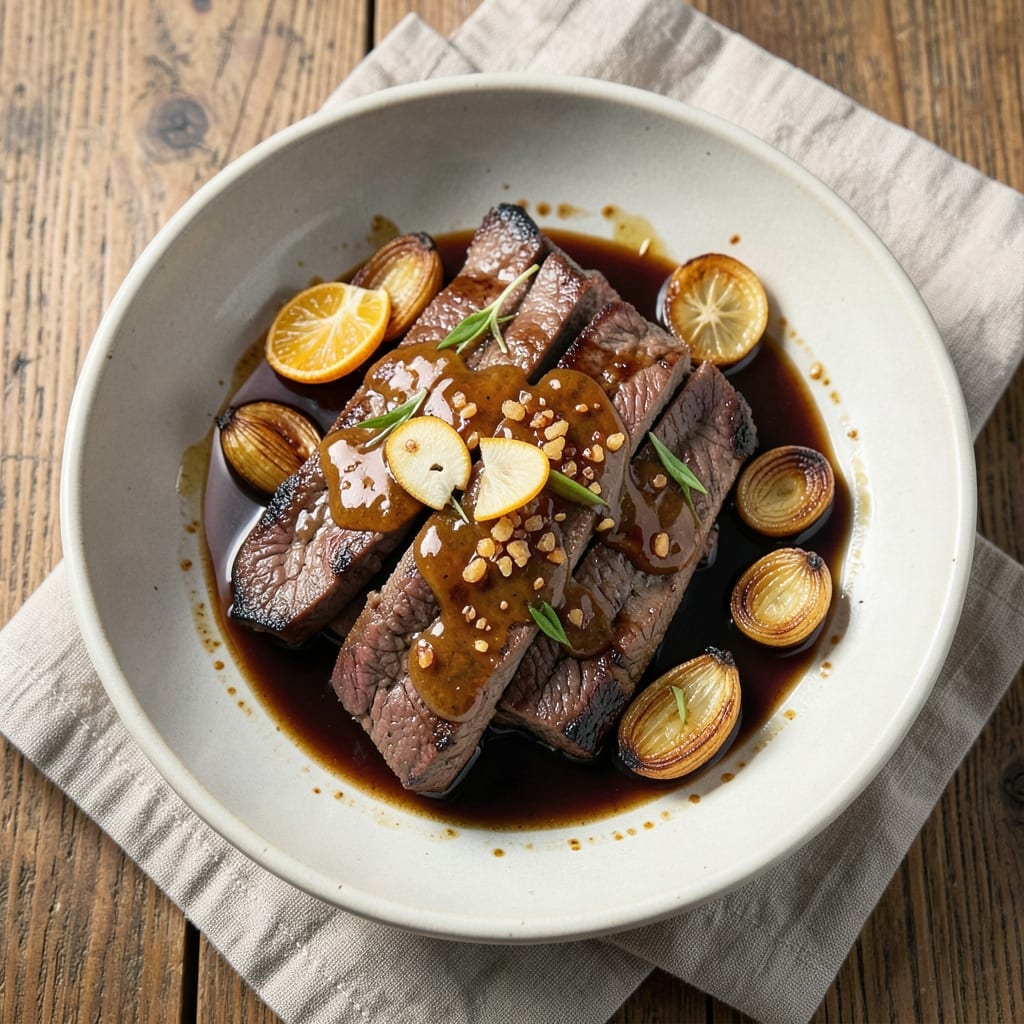
This authentic ginger beef recipe delivers the bold, aromatic flavors of traditional Chinese stir-fry in just 20 minutes—no shortcuts, just technique. The key lies in marinating thinly sliced beef with fresh ginger, garlic, and a touch of soy sauce, allowing the spices to penetrate deeply before a quick wok sear creates that signature caramelized crust. What sets this apart is the balance: ginger’s sharp bite is softened by a hint of sweetness, while aromatics like scallions and sesame oil elevate every bite.
The beauty of this dish is its foolproof simplicity—no complicated steps, just a few essential ingredients working in harmony. Thinly sliced beef cooks in minutes, absorbing the marinade’s flavors while developing a tender yet slightly chewy texture. The wok’s high heat ensures a perfect sear, locking in juices and creating that irresistible aroma that fills your kitchen. This isn’t just a recipe; it’s a taste of home-cooked authenticity, restaurant-quality in your own pan.
Serve it over steamed jasmine rice or noodles, garnished with fresh cilantro and a drizzle of homemade hoisin sauce for the full experience. The dish is rich yet balanced, with ginger’s zing cutting through the beef’s natural richness. Each forkful delivers layers of flavor—spicy, sweet, umami—making it a weeknight favorite that feels special. Ready to master this classic?
For extra depth, let the beef marinate for up to 30 minutes before cooking, but don’t overdo it—ginger’s potency shines brightest when fresh. The wok’s heat is critical; if you lack one, a cast-iron skillet works just as well. This recipe proves authenticity doesn’t require complexity—just the right technique and a willingness to savor the process.
Ingredients for authentic ginger beef
Thinly sliced beef meets aromatic ginger and garlic in this restaurant-quality stir-fry.
| Ingredient | Amount | Notes |
|---|---|---|
| Flank Steak 🥩 | 1 lb | Thinly sliced against grain |
| Fresh Ginger Root 🌿 | 3 tbsp | Finely grated, aromatic |
| Garlic Cloves 🧄 | 4 cloves | Minced, aromatic |
| Light Soy Sauce 🍶 | 3 tbsp | Kikkoman preferred |
| Dark Soy Sauce 🍶 | 1 tbsp | For color depth |
| Sesame Oil 🫒 | 1 tbsp | Toasted, aromatic |
| Cornstarch 🌾 | 1 tbsp | For tenderizing |
| Scallions 🧅 | 3 whole | Thinly sliced, fresh |
| Green Onions 🧅 | ¼ cup | Chopped, for garnish |
| Neutral Oil 🫒 | 2 tbsp | Avocado or vegetable |
| White Sugar 🍚 | 1 tbsp | Balances ginger's heat |
| Red Chili Flakes 🌶️ | ½ tsp | Adjust to taste |
| Salt 🧂 | 1 tsp | Diamond Crystal preferred |
| Black Pepper 🌶️ | ½ tsp | Freshly ground |
| Jasmine Rice 🍚 | 1 ½ cups | Uncooked, for serving |
The flank steak is non-negotiable—its lean yet tender texture absorbs marinades beautifully. Look for well-marbled cuts at your butcher or specialty markets like Whole Foods or Costco. Slice it against the grain for that signature chewy-yet-tender texture. Fresh ginger root (not powder) delivers the most vibrant flavor—Trader Joe's and Asian grocery stores carry the best quality. For garlic, the fresher the better; whole bulbs from the produce section keep longer than pre-minced jars.
No light soy sauce? Tamari works perfectly, though the flavor will differ slightly. Dark soy sauce can be substituted with a touch of molasses for color, though it won’t replicate the depth. Sesame oil should be toasted—unrefined varieties like Kadoya or La Choy add the most aroma. For cornstarch, ensure it’s pure (not tapioca blends) to avoid gummy textures. Scallions can be swapped for green onions, but the milder flavor means you’ll need slightly more. Neutral oil is critical—avocado oil has a high smoke point, ideal for wok searing.
Store fresh ginger and garlic in a cool, dark place for up to 2 weeks. Flank steak should be used within 3 days of purchase for optimal tenderness. Sesame oil keeps indefinitely in the pantry, but soy sauces last 1 year unopened. Jasmine rice stays fresh 6 months in the pantry; cook it ahead for convenience. This dish reheats beautifully—cast-iron skillets preserve the best texture, while microwaving works in a pinch for leftovers.
Why You'll Love This Recipe
- No-Fuss Prep: I swear by this one—just slice the steak thin, mince the ginger (no peeling!), and toss it all in a bowl. Ten minutes of active work, and the rest is hands-off simmering. (Yes, even if you burn dinner sometimes.)
- Umami Bomb: That combo of light and dark soy sauce? It’s like a flavor explosion—sweet, salty, and funky all at once. The fresh ginger cuts through the richness, and the garlic? Oh, it’s the cherry on top—crisp and punchy.
- Lunchbox Hero: Between us, this keeps perfectly for days. Pack it in rice bowls for work, toss it in wraps, or serve it over noodles—it’s my go-to when I’m too tired to think. (Pro tip: the beef gets even more tender the next day.)
- Budget Power Move: Flank steak’s affordable, and a pound stretches across three meals easily. I’ll be real: I’ve made this for date nights, family dinners, and solo “I don’t wanna cook” nights—same recipe, zero guilt. The soy sauces add depth without breaking the bank.
Step-by-step instructions for authentic ginger beef
Master this classic wok technique for restaurant-quality ginger beef every time.
Marinate and Tenderize the Flank Steak
Slice the 1 lb flank steak thinly against the grain into ¼-inch thick strips. Transfer to a bowl and add the 1 tbsp cornstarch, 1 tsp salt, and 0.5 tsp black pepper. Toss gently to coat evenly—this creates a delicate crust while tenderizing the meat. Let it sit for 15 minutes at room temperature while you prepare the remaining ingredients.
I always use cornstarch here because it breaks down during cooking, creating a silky texture rather than a thick coating. The flank steak's lean nature benefits from this quick marinade, which also helps distribute the seasoning uniformly. Don't skip the room temperature step—cold meat releases less moisture during cooking, leading to tougher results.
Prepare the Ginger-Garlic Sauce Base
In a small bowl, combine the 3 tbsp light soy sauce, 1 tbsp dark soy sauce, 1 tbsp white sugar, 0.5 tsp red chili flakes, 3 tbsp finely grated fresh ginger root, and 4 minced garlic cloves. Mix thoroughly until the sugar dissolves completely. This sauce carries the authentic flavors while balancing the ginger's heat with sweetness.
The dark soy sauce adds that signature mahogany color while deepening the umami profile. I prefer freshly grated ginger over powdered—it releases more aromatic oils during cooking. Let this mixture sit for 5 minutes while you heat your wok, allowing the ginger to soften slightly and release its essential oils for maximum flavor impact.
Wok-Sear the Beef for Maximum Flavor
Heat a wok or large skillet over high heat until smoking, then add the 2 tbsp neutral oil. Once shimmering, add the cornstarch-coated beef in a single layer. Let it sear undisturbed for 1-2 minutes until the edges turn deep golden brown—this creates the signature wok hei flavor. Stir-fry vigorously for 2-3 minutes until the beef is 80% cooked but still slightly pink in the center.
Here's where it matters: don't overcrowd the pan. If your wok isn't large enough, work in batches. The high heat and quick cooking preserve the beef's tenderness while developing that characteristic wok-seared aroma. You'll know it's ready when the beef releases easily from the pan—this indicates proper doneness without overcooking.
Combine and Finish the Dish
Return the seared beef to the wok along with the ginger-garlic sauce. Stir-fry for 1-2 minutes until the sauce thickens slightly and coats the beef evenly. Add the 1 tbsp sesame oil and toss everything together for 30 seconds to infuse the aromatic oil. Remove from heat and let it rest for 1 minute—this allows the flavors to meld without overcooking the beef.
The sesame oil should sizzle slightly when added, releasing its nutty aroma. If the sauce appears too thin, you can thicken it further by mixing 1 tsp cornstarch with 1 tbsp water and stirring it into the wok. Garnish with 3 thinly sliced scallions and 0.25 cup chopped green onions for freshness and visual appeal.
Serve Over Jasmine Rice
Divide the 1.5 cups cooked jasmine rice among serving plates and top generously with the ginger beef. The rice should be fluffy and slightly sticky to complement the beef's rich flavors. Serve immediately while the beef is still sizzling hot—this dish tastes best straight from the wok when the aromatics are at their peak.
For authentic presentation, I like to arrange the beef in a circular pattern on top of the rice, with the scallions and green onions scattered artistically. The contrast between the warm beef, fragrant rice, and fresh garnishes creates a balanced bite that highlights each component's texture and flavor. This method delivers that perfect balance of spicy, sweet, and umami that defines authentic ginger beef.
Pro Tips For Making Authentic Ginger Beef
- SLICE THINLY AGAINST THE GRAIN: Flank steak’s muscle fibers run long—cutting perpendicular to them (against the grain) turns tough chews into tender bites. I used to ignore this and ended up with a forkful of rubbery disappointment. Grab your knife and angle those slices diagonally for the real deal.
- PEEL GINGER LIKE A PRO: Skip the peeler—it wastes good ginger. Instead, use a spoon to scoop off the skin in one clean motion, then slice thinly (about 1/8-inch). Thick chunks burn and leave you with bland, watery paste. Thin slices caramelize beautifully and pack more punch.
- MARINATE JUST 30 MINUTES: You don’t need hours—30 minutes in the fridge is enough for the soy and ginger to work their magic. Any longer and the steak turns mushy. Toss it in a zip-top bag, slap it on the counter, and walk away. (Yes, even if you’re impatient like me.)
- USE BOTH SOY SAUCES RIGHT: Light soy adds brightness; dark soy deepens color and flavor. Mix them in a 3:1 ratio (light to dark) for balance. I used to skip the dark soy—my dish looked pale and tasted flat. Now I measure it like a pro.
Perfect pairings for this dish
Rice Pairings
Serve this ginger beef over steamed jasmine rice for that classic Chinese restaurant experience—the fragrant, slightly sticky grains soak up the sauce beautifully. For extra authenticity, cook 1.5 cups uncooked jasmine rice (about 3 cups cooked) using a 1:1.5 rice-to-water ratio in a rice cooker or pot. Let it sit covered for 10 minutes after cooking to achieve that perfect fluffiness. 🍚
Noodle Alternatives
For a lighter option, pair with egg noodles or rice noodles—toss the cooked beef with 4 oz cooked noodles and a splash of beef broth for a quick stir-fry bowl. I love udon noodles for their chewy texture, which contrasts nicely with the tender beef. Garnish with extra green onions and a drizzle of hoisin sauce to elevate the dish.
Vegetable Sides
Add steamed bok choy or baby bok choy for a fresh, slightly bitter contrast that balances the beef’s richness. Sauté 1 lb bok choy in 1 tbsp sesame oil with a pinch of salt for just 2 minutes until wilted but still crisp. Another great option is stir-fried snap peas—toss 1 cup snap peas with 1 tsp soy sauce and ½ tsp ginger for a sweet, crunchy side.
Sauce Enhancements
Drizzle with homemade hoisin sauce for extra depth—mix 2 tbsp hoisin, 1 tsp rice vinegar, and ½ tsp sesame oil for a glossy, slightly sweet finish. For heat lovers, add sriracha or chili crisp at the table. A sprinkle of toasted sesame seeds adds texture and aroma, while lime wedges brighten each bite with citrusy freshness.
Beverage Pairings
Cool down with a jasmine tea—its floral notes complement the ginger’s sharpness. For something stronger, try a light lager like Asahi or a dry Riesling, which cuts through the dish’s richness. If you prefer coffee, a strong black coffee with a splash of oat milk balances the meal perfectly. 🍶
Garnish Finishes
Fresh cilantro adds a bright, herbal note—chop ¼ cup and sprinkle over the dish right before serving. For extra crunch, toast 1 tsp sesame seeds in a dry pan for 30 seconds until golden, then scatter over the top. A final drizzle of sesame oil just before eating enhances the aroma and ties all the flavors together.
Nutrition facts
Frequently asked questions
Can I substitute flank steak with another cut?
Yes! For best results, use sirloin or ribeye—slice thinly against the grain for tenderness. Avoid tough cuts like chuck; they won’t achieve the same wok-seared texture. If using pre-sliced beef (like for pho), reduce cooking time by 30-45 seconds—it’s already tenderized.
How do I adjust the ginger heat level?
For milder flavor, reduce fresh ginger to 2 tbsp and add ½ tsp honey to balance. For extra kick, increase to 4 tbsp ginger and add ½ tsp red pepper flakes. Always taste before serving—ginger’s potency varies by root freshness.
What if I don’t have a wok?
Use a cast-iron skillet or heavy-bottomed pan—they retain heat well. Preheat on medium-high until smoking, then sear beef in batches. A nonstick pan works too, but avoid overcrowding to prevent steaming instead of searing. The key is high heat and quick cooking!
Can I make this recipe ahead?
Cooked beef keeps for 3 days in the fridge—store in an airtight container. Reheat gently in a pan with 1 tsp water to prevent drying. For best texture, serve fresh, but the flavors improve overnight as ginger and garlic mellow. Freeze for 1 month (without sauce) for longer storage.
Why is my beef tough after cooking?
Overcooking or slicing with the grain causes toughness. Always slice against the grain and cook until 80% done (slightly pink center). For extra tenderness, marinate for 30 minutes instead of 15, or use 1 tbsp baking soda in the marinade (rinse before cooking).