Main Courses
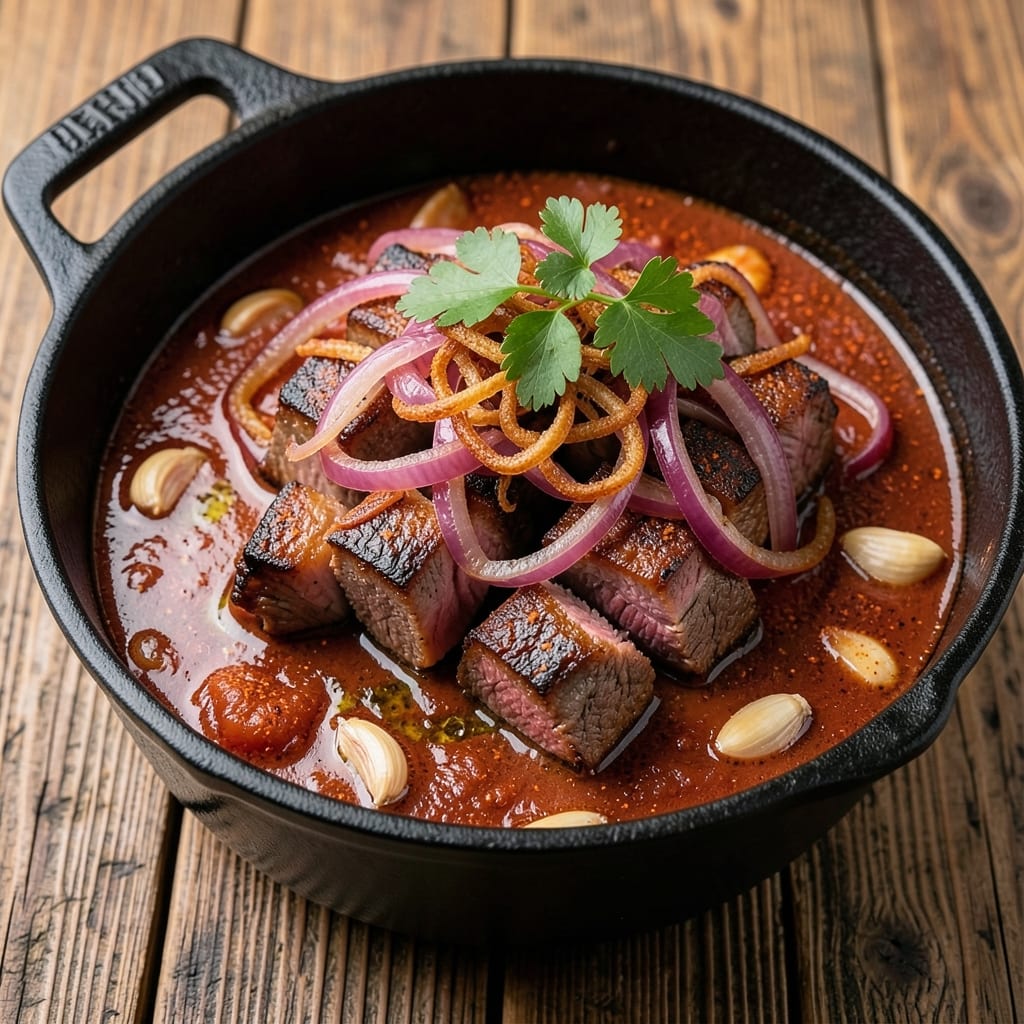
This authentic Hungarian beef goulash recipe brings the heart of Budapest to your kitchen with its deep, paprika-infused richness. The secret lies in slow-cooked beef, caramelized onions, and a blend of sweet and hot paprika that creates layers of flavor. I've perfected this one-pot wonder over years of testing, ensuring every spoonful delivers that comforting, smoky taste of traditional Hungarian cuisine.
The beauty of this recipe is its simplicity—just a few key ingredients transform into a deeply satisfying meal. Start with searing the beef for maximum flavor, then let the spices and tomatoes meld together over 2-3 hours of simmering. The result? A thick, velvety stew where tender beef floats in a sauce so rich it coats every bite. This is comfort food at its finest, perfect for chilly evenings or family gatherings.
What makes this goulash truly authentic is the balance of sweet and hot paprika, which gives it that signature Hungarian depth. The slow cooking process allows the flavors to develop fully, creating a dish that's hearty, aromatic, and impossible to resist. Serve it with crusty bread or egg dumplings to soak up every last drop of that flavorful sauce.
This recipe isn't just about the taste—it's about the experience. The aroma alone will have your kitchen smelling like a Budapest restaurant, and the first bite will transport you straight to Hungary. Whether you're cooking for a crowd or a cozy weeknight dinner, this goulash delivers restaurant-quality results with minimal effort. Let's get started!
Ingredients for authentic hungarian beef goulash
Just 13 ingredients bring Budapest's rich flavors to your pot—paprika, beef, and slow simmering do the magic.
| Ingredient | Amount | Notes |
|---|---|---|
| Beef Chuck Roast 🥩 | 2 ½ lb | Cut into 1.5-inch cubes |
| Yellow Onions 🧅 | 3 whole | Medium-sized, sliced thin |
| Sweet Paprika 🌶️ | 2 tbsp | Hungarian or Spanish preferred |
| Hot Paprika 🌶️ | 1 tbsp | For authentic Hungarian heat |
| Tomato Paste 🍅 | ½ cup | Smooth, not chunky |
| Garlic Cloves 🧄 | 6 cloves | Minced for depth |
| Beef Broth 💧 | 3 cups | Low-sodium preferred |
| Red Wine 🍷 | 1 cup | Bold dry red like Cabernet |
| Bay Leaves 🌿 | 2 whole | Fresh for best flavor |
| Allspice Berries 🌶️ | ½ tsp | Crushed for aroma |
| Ground Black Pepper 🌶️ | 1 tsp | Freshly cracked |
| Salt 🧂 | 1 ½ tsp | Kosher or sea salt |
| Olive Oil 🫒 | 2 tbsp | For searing beef |
The beef is non-negotiable—chuck roast gives you that melt-in-your-mouth texture. Costco or butcher shops usually have it pre-cubed, which saves time. Look for good marbling if you're cutting your own. For paprika, Hungarian or Spanish brands like Rosenstein or Pimentón de la Vera make all the difference. The sweet and hot versions together create that signature Hungarian depth. I always grab extra paprika—half goes in the pot, half gets sprinkled on top at the end for color.
No red wine? Beef broth with a splash of balsamic works in a pinch. Fresh garlic is ideal, but jarred minced garlic at half the amount gets you close. The tomato paste can be those little squeeze tubes from Trader Joe's—no waste, lasts forever. For allspice, if you can't find whole berries, ground allspice at one-third the amount is fine. The onions? Yellow or red work, but yellow caramelizes slightly better. If you're in a hurry, frozen chopped onions are a lifesaver.
This goulash tastes even better the next day—honestly, the flavors meld overnight. Keeps in the fridge for 5 days or freezes for 3 months. I double the recipe and freeze half. When reheating, just add a splash of water or broth if it gets too thick. Serve with crusty bread or egg noodles—your kitchen will smell like a Budapest café.
Why You'll Love This Recipe
- One-Pot Magic: I swear by this recipe—just brown the beef, toss in onions and paprika, and let it simmer. No extra pans, no fuss, and honestly, the slow cooker makes it even better.
- Paprika Powerhouse: That mix of sweet and hot paprika? It’s what turns this into something special. Deep, smoky, and just a little spicy—like a warm hug in a bowl.
- Budget Beef Boost: A chuck roast stretches for days, and the flavors only get richer. I’ll be real: my freezer is packed with portions, and it’s never a waste.
Step-by-step instructions for authentic Hungarian beef goulash
Here's how to make this hearty Hungarian classic with deep paprika flavor and tender beef.
Sear the Beef Chuck Roast for Maximum Flavor
Heat the 2 tablespoons olive oil in a large, heavy pot over medium-high heat until shimmering. Working in batches to avoid crowding, add the 2.5 lb beef chuck roast cut into 1.5-inch cubes and sear for 3-4 minutes per side until deeply browned. This step creates the rich foundation for your goulash—don't skip it.
As you sear, you'll notice the beef releasing juices and developing a golden crust. This crust, called the Maillard reaction, is what gives goulash its deep, complex flavor. Once all the beef is browned, remove it from the pot and set it aside on a plate.
Build the Paprika Base with Onions and Spices
In the same pot (no need to wipe it clean—those browned bits are flavor gold), reduce heat to medium and add the 3 whole yellow onions sliced thin. Cook them for 5-6 minutes until softened and translucent, stirring occasionally. You'll smell their sweetness intensify as they caramelize.
Now it's time for the paprika magic. Add 2 tablespoons sweet paprika and 1 tablespoon hot paprika, stirring constantly for 1 minute until the spices bloom and fill your kitchen with their warm, earthy aroma. This is where the authentic Hungarian flavor comes alive—don't rush this step. Then add the 0.5 cup tomato paste and cook for another 2 minutes, stirring frequently.
Deglaze and Simmer with Wine and Broth
Pour in the 1 cup red wine and scrape up all those delicious browned bits from the bottom of the pot with a wooden spoon. This deglazing step captures all the meaty flavor that would otherwise go down the drain. Let the wine simmer for 3-4 minutes until reduced by half, then add the 3 cups beef broth, 2 whole bay leaves, 0.5 teaspoon crushed allspice berries, 1 teaspoon ground black pepper, and 1.5 teaspoons salt. Stir well to combine.
Return the seared beef to the pot, along with any accumulated juices from the plate. Bring everything to a gentle boil, then reduce heat to low, cover, and let it simmer for 2-2.5 hours. You'll know it's ready when the beef is fork-tender and easily pulls apart with minimal resistance.
Finish with Garlic and Adjust Seasoning
About 30 minutes before the goulash is done, add the 6 cloves minced garlic to the pot. This late addition ensures the garlic infuses its delicate flavor without burning. Stir well and let it cook until fragrant—about 5-10 minutes before removing from heat.
Taste and adjust seasoning if needed. You might need a bit more salt or pepper to balance the flavors, especially if you're using low-sodium broth. The goulash should be rich and deeply flavored, with the paprika's warmth shining through. If it's too thick, add a splash of water or broth to reach your desired consistency.
Rest and Serve with Traditional Sides
Let the goulash rest for 10-15 minutes off the heat before serving. This resting period allows the flavors to meld and the juices to redistribute throughout the beef. Serve it hot with crusty bread, egg noodles, or mashed potatoes to soak up that delicious sauce.
The result should be tender beef swimming in a rich, paprika-infused sauce with layers of flavor from the wine, broth, and spices. Each bite should deliver the authentic Hungarian taste that makes this dish so special—deep, warming, and completely satisfying.
Pro Tips For Making Authentic Hungarian Beef Goulash
- Sear the Chuck First: That beef needs a deep, dark crust before you even think about adding liquid. I learned this the hard way—skipping the sear means flavor hiding in the sauce instead of clinging to the meat. Use a heavy pot (Dutch oven if you’ve got one) and let those onions caramelize until they’re golden brown before adding the paprika.
- Use Equal Parts Paprikas: Sweet and hot paprika aren’t just flavor—they’re the soul of goulash. Split the difference: if your recipe calls for 2 tablespoons of paprika total, use 1 of each. The sweet mellows the heat, and the hot adds depth. (Yes, even if you’re not a fan of spice—it balances the richness.)
- Deglaze with Wine, Not Water: After searing the onions and beef, don’t grab the water. A splash of dry red wine (or even a little vinegar in a pinch) lifts the browned bits off the bottom, turning them into a rich, flavorful base. Water just makes sad, thin sauce. (And no, you don’t need expensive wine—just something cheap and dry.)
- Simmer Slow and Low: Goulash isn’t a race. After everything’s in the pot, reduce heat to the lowest setting that keeps a gentle bubble. I’ve seen people rush it, and the meat turns out dry or the sauce separates. Cover it and let it work—2.5 to 3 hours minimum. (Your future self will notice the difference.)
Essential equipment for perfect results
Heavy-Duty Dutch Oven
This is my non-negotiable piece of equipment for authentic Hungarian beef goulash. A 5-6 quart Dutch oven with a tight-fitting lid is perfect for searing beef and slow-simmering the sauce. I recommend the Le Creuset Stoneware or Lodge Cast Iron—both distribute heat evenly and handle temperature changes beautifully. The cast iron version adds extra depth of flavor over time. 🔥
Wooden Spoon
A heat-resistant wooden spoon (like OXO Good Grips) is essential for stirring without scratching your pot. Wood helps prevent the sauce from sticking and releases flavors gradually. I keep one dedicated to my goulash pot—it becomes seasoned with the dish's paprika aroma over time. Avoid metal utensils during simmering to protect your pot's finish.
Meat Thermometer
Invest in a thermometer with a probe (I use Thermoworks Smoke) to ensure your beef reaches 203°F internal temperature—this guarantees tender, melt-in-your-mouth texture. The probe also helps monitor the pot's temperature during simmering. No more guessing! This is especially helpful for beginners who might worry about overcooking the beef.
Fine-Mesh Strainer
For straining your broth and removing bay leaves before serving, a fine-mesh strainer (like OXO Good Grips) is indispensable. I use it to create a smoother sauce if you prefer a cleaner presentation. It also helps remove any unwanted particles if you're using store-bought broth. Keep one handy in your kitchen—it's useful for countless other recipes too. ✨
Chef's Knife
A sharp 8-inch chef's knife (like Wüsthof or Victorinox) is crucial for evenly slicing onions and mincing garlic. Proper knife skills make all the difference in even cooking and flavor distribution. I recommend investing in a quality knife—it'll last for years and make prep work a breeze. A honing steel keeps it sharp for consistent cuts every time.
Paprika Dispenser
While not strictly necessary, a small spice dispenser for paprika (like Penzeys Spice Shaker) makes measuring and adding spices more precise. Hungarian paprika is expensive, so controlling portions is key. I keep mine near my cooking station for quick access. The shaker also helps prevent spills when adding those crucial 2 tablespoons sweet paprika and 1 tablespoon hot paprika to your goulash. 🌶️
Nutrition facts
Frequently asked questions
Can I substitute beef chuck roast with another cut?
For best results, stick with chuck roast—it's the traditional choice with just the right fat-to-meat ratio for tender, flavorful goulash. If needed, brisket or stew meat work well, but avoid lean cuts like sirloin, which can dry out during the long simmer. For a budget option, try beef stew meat from the butcher section.
Why does my goulash taste bitter?
Bitterness usually comes from overcooking the onions or burning the paprika. Always cook onions over medium heat until soft (not brown), and stir constantly when adding paprika to prevent scorching. If it's too late, balance the flavor with a splash of red wine or a pinch of sugar to mellow the bitterness.
How do I make this goulash spicier?
Start with 1 extra tablespoon hot paprika and add ½ teaspoon cayenne pepper when simmering. For heat lovers, stir in 1-2 diced jalapeños during the last 30 minutes of cooking. Remember, you can always add more heat later, but you can't remove it!
Can I make this goulash in a slow cooker?
Brown the beef first in a skillet, then transfer everything to a 6-quart slow cooker. Cook on low for 8 hours or high for 4-5 hours. The slow cooker's gentle heat enhances the paprika flavors beautifully. Just add the garlic 30 minutes before serving to prevent burning.
What's the best way to reheat leftover goulash?
Reheat gently on the stovetop over low heat with a splash of beef broth to restore moisture. Avoid microwaving—it can make the sauce watery. For best results, reheat just until warmed through (5-10 minutes) and let it sit covered for 5 minutes before serving. Leftovers taste even better the next day!