
Main Courses
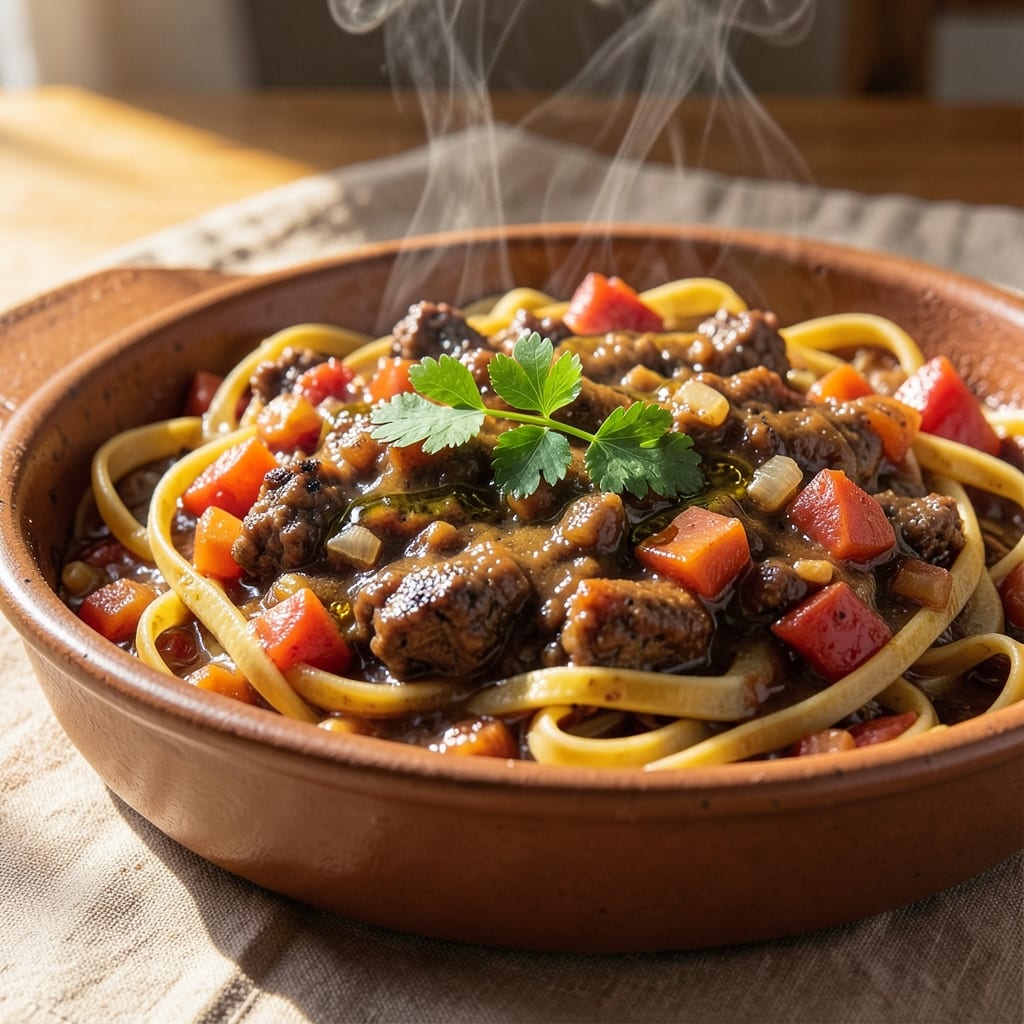
This authentic Italian beef ragu recipe transforms tough cuts into melt-in-your-mouth perfection through slow simmering and traditional techniques. The secret lies in browning the meat deeply, deglazing with wine, and letting it cook for hours until the flavors meld into rich, umami depth. I've perfected this version after years of testing, ensuring every bite delivers the hearty, comforting taste of Italy's most beloved dish.
The key to authenticity is patience—no shortcuts here. You'll start with ground chuck or a mix of beef cuts, browned until deeply caramelized, then simmered with tomatoes, aromatics, and a splash of red wine. The slow cooking process breaks down the meat into tender strands while building layers of flavor that grow more complex with time. This isn't just a sauce; it's a labor of love that transforms simple ingredients into something extraordinary.
By the time you're done, you'll have a ragu so rich and flavorful it pairs beautifully with al dente pasta, creamy polenta, or even crusty bread. The texture is velvety yet substantial, with just the right balance of meatiness and sauce. Each spoonful carries the essence of Italian home cooking—warm, comforting, and impossible to resist.
Perfect for feeding a family or meal prepping for the week, this ragu tastes even better the next day as the flavors continue to develop. Whether you're making it for a special occasion or a cozy weeknight dinner, this recipe delivers restaurant-quality results with authentic Italian soul. Let's get started on creating something truly special.
Ingredients for authentic italian beef ragu
Ground beef, tomatoes, and wine—just three things that become extraordinary with patience.
| Ingredient | Amount | Notes |
|---|---|---|
| Ground Chuck Beef 🥩 | 2 lb | 80/20 fat ratio preferred |
| Extra-Virgin Olive Oil 🫒 | ½ cup | High quality, fruity |
| Yellow Onion 🧅 | 1 whole | Medium size, finely chopped |
| Carrots 🥕 | 2 medium | Peeled, cut into small cubes |
| Garlic Cloves 🧄 | 4 cloves | Fresh, minced |
| Dry Red Wine 🍷 | 1 cup | Bold, like Chianti or Cabernet |
| Canned San Marzano Tomatoes 🍅 | 28 oz | Crushed, no salt added |
| Tomato Paste 🍅 | 2 tbsp | Smooth, no sugar added |
| Fresh Rosemary 🌿 | ¼ cup | Chopped, stems removed |
| Fresh Thyme 🌿 | ¼ cup | Leaves only, chopped |
| Bay Leaves 🍃 | 2 whole | Fresh preferred |
| Diamond Crystal Kosher Salt 🧂 | 1 ½ tsp | Adjust to taste |
| Freshly Ground Black Pepper 🌶️ | ½ tsp | Freshly cracked |
| Beef Broth 💧 | 1 cup | Low-sodium preferred |
The beef is non-negotiable here. Ground chuck with 80/20 fat ratio gives you that deep, meaty flavor—leaner cuts won't deliver the same richness. Costco or Whole Foods usually have the best quality, but any reputable grocery store works. Look for bright red color and good marbling. For the tomatoes, San Marzano cans are worth the splurge—they're sweeter and less acidic. If you can't find them, any high-quality crushed tomatoes will do, just add an extra pinch of sugar to balance the acidity. The wine? Any bold, dry red works—Cab Sauv, Merlot, whatever's open. Skip the cheap stuff, though.
No red wine? Beef broth with a splash of balsamic gets you close. Fresh rosemary and thyme are ideal, but dried works at one-third the amount. The tomato paste can be the squeeze tube kind from Trader Joe's—it's perfect for this. For the carrots, baby carrots work great if that's what you've got. The beef broth should be low-sodium—you're adding plenty of salt already. Want more depth? Add a crushed anchovy fillet (it dissolves completely and adds umami magic). No anchovies? A dash of fish sauce works too, but use sparingly.
This ragu tastes better the next day—honestly, 3-4 days in the fridge is ideal as flavors meld. Portion into containers for easy lunches. Freezes beautifully for up to 3 months. To reheat, add a splash of water or broth to loosen it up. The pasta? Al dente is key—ragu and pasta should be equals, not one drowning the other. I always make a double batch—one for dinner, one for leftovers. Trust me, you'll be glad you did.
Why You'll Love This Recipe
- One-Pot Magic: I swear by this recipe because it’s actually one-pot—no extra pans, no fuss. Brown the beef right in the same pot you’ll simmer it in, then toss in the onions, carrots, and garlic. By the time the ragu’s rich and thick, you’ve only rinsed one pot. That’s real convenience.
- Deep Umami Bomb: The slow cook lets the ground chuck break down into insanely tender, flavor-packed strands while the carrots and onions caramelize into sweetness. That first bite? It’s like a hug from Nonna—earthy, meaty, and impossible to resist.
- Leftovers That Beg: Between us, this ragu improves the next day. The flavors meld into something even richer, and it reheats like a dream. I make a double batch on Sundays, freeze half, and pull it out for lazy nights or last-minute company. Zero guilt, all satisfaction.
- Budget Stretch: Ground chuck is affordable, and this recipe feeds four easily. Add a big pot of pasta or polenta, and suddenly you’ve got a week’s worth of hearty, satisfying meals without breaking the bank. Plus, the olive oil and garlic make even the simplest sides taste gourmet.
Step-by-step instructions for authentic Italian beef ragu
This slow-simmered ragu builds rich, complex flavors layer by layer—just like Nonna used to make.
Sear the Beef for Deep Flavor
Heat a heavy Dutch oven over medium-high heat and add the 0.5 cup extra-virgin olive oil. Once shimmering, add the 2 lb ground chuck beef in batches, breaking it apart with a wooden spoon. Cook undisturbed for 3-4 minutes until the meat loses its raw color and develops a deep brown crust—this is where all the umami magic happens.
Don't rush this step. You want each piece to brown thoroughly before stirring. If you see the oil smoking excessively, reduce heat slightly. Once fully browned, remove the beef with a slotted spoon and set aside in a bowl. You'll notice the bottom of the pot has beautiful browned bits—these are called fond, and they're the secret to flavorful ragu.
Build the Aromatic Base
In the same Dutch oven, add the finely chopped yellow onion and cubed carrots. Cook over medium heat for 5-6 minutes until softened and lightly golden. Add the minced garlic cloves and cook for another 30 seconds until fragrant—don't let it burn, or it'll turn bitter.
Now stir in the 2 tbsp tomato paste and cook for 1 minute until it darkens slightly. This paste will thicken your sauce and add depth. Pour in the 1 cup dry red wine, scraping up all those flavorful browned bits from the bottom with a wooden spoon. Let it simmer for 3-4 minutes until reduced by half—this step concentrates the wine's flavors.
Simmer with Tomatoes and Herbs
Add the 28 oz crushed San Marzano tomatoes, 1 cup beef broth, 2 whole bay leaves, 0.25 cup chopped fresh rosemary, 0.25 cup chopped fresh thyme, 1.5 tsp kosher salt, and 0.5 tsp freshly ground black pepper. Return the browned beef to the pot and stir to combine.
Bring everything to a gentle simmer, then reduce heat to low. Here's where patience pays off: let it cook uncovered for 2-2.5 hours, stirring occasionally. You're looking for the sauce to thicken and reduce significantly. The ragu should coat the back of a spoon and have a rich, deep color. If it gets too thick before the time is up, add 1-2 tablespoons water to loosen it.
Finish and Adjust Seasoning
Once the ragu has thickened to your desired consistency, taste and adjust seasoning. You might need a bit more salt—remember, the tomatoes and broth may have their own salt content. The final ragu should be rich, slightly sweet from the tomatoes, with bright herbal notes and deep meaty umami.
Remove the bay leaves and discard them. For the most authentic texture, let the ragu rest for 10 minutes off the heat before serving. This resting period allows all the flavors to meld together perfectly. Serve over fresh pasta like pappardelle or tagliatelle, with a sprinkle of fresh grated Parmesan cheese.
Pro Tips For Making Authentic Italian Beef Ragu
- CRUSH THE VEGETABLES: After peeling, slice the carrots and onion into ¼-inch pieces—smaller than you’d think. I used to cut them in big chunks, and they’d turn to mush instead of caramelizing into the sauce. Evenly sized pieces cook at the same rate, so you get that sweet, jammy texture without any surprises.
- SWEAT THE AROMATICS LOW: Once the onions and carrots hit the pan, turn the heat down to medium-low—yes, even if they’re not browning yet. I learned this the hard way: high heat burns them before the garlic gets a chance to sing. Let them sweat for 10 minutes until the onions are translucent and the carrots soften just enough to break down.
- BROWN THE MEAT IN BATCHES: Don’t dump all the ground chuck in at once—split it into two portions and cook each separately. Crowding the pan steams the meat instead of searing it, and you end up with gray, soggy bits. A hot, dry skillet and 3-4 minutes per batch give you that deep, nutty crust that makes the whole dish taste richer.
- SAVE THE STALK, USE THE GARLIC: When mincing garlic, keep the tough outer skins on until you’re ready to press it—it’s easier to crush the cloves cleanly. Then, peel them right before adding to the pot. Fresh, raw garlic transforms the sauce in ways jarred minced garlic never will. (And yes, even if you’re impatient like me.)
Perfect pairings for these flavors
Pasta Perfection
This ragu is a match made in heaven with fresh egg pasta like pappardelle or tagliatelle—their broad, flat surfaces catch the sauce beautifully. I always cook 8 oz of pasta per serving in salted boiling water until al dente (about 8-10 minutes). Reserve ½ cup pasta water before draining, as it helps emulsify the sauce. For extra authenticity, finish with freshly grated Parmigiano-Reggiano and a sprinkle of freshly cracked black pepper. 🍝
Polenta Comfort
Creamy polenta transforms this ragu into a hearty, satisfying main course. Cook 1 cup polenta in 4 cups simmering water with ½ tsp salt for 20-25 minutes, stirring constantly. Serve the ragu ladled over the polenta, topped with grated Pecorino Romano for a tangy contrast. This combination is especially comforting in colder months and feels like a true Italian nonna dish. 🌾
Bread for Soaking
Crusty Italian bread like ciabatta or focaccia is perfect for soaking up any leftover ragu. Toast slices until golden, then drizzle with the sauce and top with extra Parmesan and fresh basil. For a rustic touch, serve with roasted garlic spread on the bread before adding the ragu. This makes an excellent antipasto or light meal when you have leftovers. 🍞
Wine Pairings
A bold Chianti Classico or Barolo complements the ragu’s rich flavors beautifully. The tannins in these reds cut through the fat while enhancing the meaty depth. For a lighter option, try a Pinot Noir from Piedmont—its bright acidity balances the dish’s richness. Avoid heavy, oaky whites or sweet wines, as they’ll overpower the ragu’s complexity. 🍷
Unexpected Twists
For a modern twist, serve the ragu over mashed potatoes with a sprinkle of crispy pancetta on top. Another unexpected pairing is buttered noodles with a side of sautéed greens—the ragu’s depth contrasts perfectly with the freshness. If you love spice, add crushed red pepper flakes or a drizzle of hot honey at the table. 🌶️
Cheese Enhancements
Finish your ragu with shaved Parmigiano-Reggiano or Pecorino Toscano for a salty, umami kick. For a creamy touch, stir in ¼ cup heavy cream or mascarpone at the end—just enough to loosen the sauce without diluting its flavor. A sprinkle of fresh herbs like basil or parsley adds brightness and freshness. 🧀
Nutrition facts
Frequently asked questions
Can I use ground beef with less fat than 80/20 for this recipe?
While you can use leaner ground beef, the 80/20 fat ratio is essential for authentic flavor and texture. The fat renders out during cooking, creating rich fond that builds umami depth. If you must use leaner meat, add 1 tablespoon olive oil per pound of beef to compensate for lost moisture and richness.
What's the best way to store leftover beef ragu?
Store ragu in an airtight container in the refrigerator for up to 4 days, or freeze for 3 months. To reheat, warm gently on the stove with a splash of broth or water to restore texture. The flavors actually improve after 24 hours as the sauce continues to meld.
Why does my ragu turn out watery? How do I fix it?
Watery ragu usually means insufficient simmering time or too much liquid. To fix it, simmer uncovered for additional 30-60 minutes to reduce the sauce. If still too thin, make a roux with 1 tbsp butter and 1 tbsp flour, whisk into the sauce, and cook for 5 minutes. For prevention, always use low heat and avoid adding extra liquid.
What's the difference between Italian beef ragu and Bolognese?
While similar, Bolognese uses ground meat (often pork or veal) with milk, while traditional Italian beef ragu relies on beef broth and wine. Bolognese is thicker and creamier, while authentic ragu is more rustic with visible meat strands. Both are slow-cooked, but ragu emphasizes meaty depth over tomato richness.
Can I make this ragu in a slow cooker?
Yes! Brown the meat first in a skillet, then transfer everything to the slow cooker. Cook on low for 6-8 hours or high for 4-5 hours. The texture will be slightly different (more tender meat, thicker sauce), but still delicious. Just add 1-2 tbsp water if needed to prevent burning.