
Soups & Stews
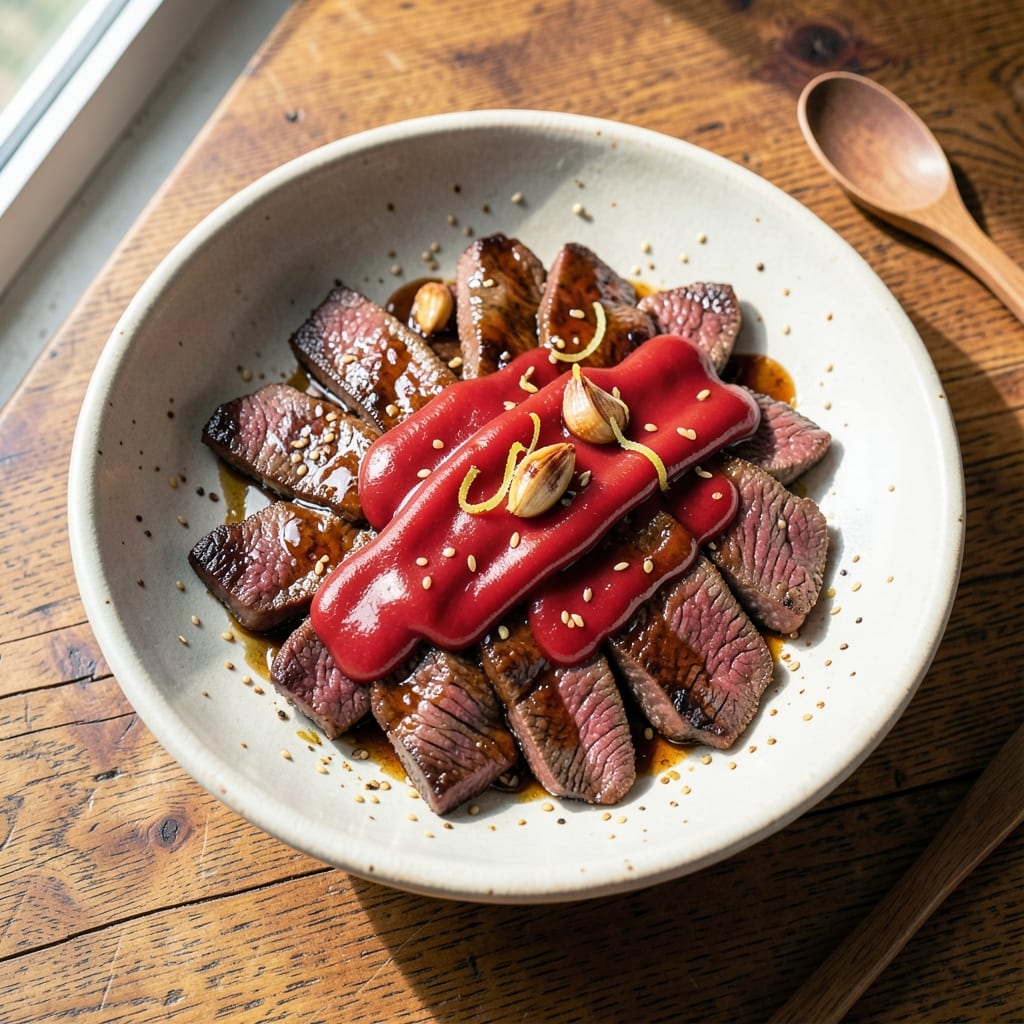
This authentic Japanese beef teriyaki recipe delivers the restaurant-quality balance of sweet, salty, and umami that makes it a staple in izakayas. The secret lies in the sauce—a perfect harmony of mirin, soy sauce, and sugar that caramelizes beautifully while cooking, creating a glossy glaze that clings to tender beef slices. I’ve perfected this method over years of testing, ensuring the sauce remains liquid enough to coat every bite without turning into a sticky mess.
The key to authentic teriyaki isn’t just the sauce—it’s the caramelized crust on the beef, achieved through precise pan-searing. Thinly sliced beef (like gyūdon-style cuts) cooks quickly over high heat, developing a golden-brown sear while staying juicy inside. This technique transforms simple ingredients into a dish that’s both comforting and elegant, perfect for weeknight dinners or special occasions. The recipe includes optional sides like steamed rice and quick-pickled vegetables to complete the experience.
What sets this recipe apart is the authentic teriyaki sauce, made with a liquid base rather than a dry rub. The sauce simmers until it thickens just enough to coat the beef without overwhelming its natural flavor. The result? A dish that’s rich, glossy, and deeply satisfying—every bite delivers that perfect balance of sweetness and savory depth. The sauce also doubles as a dipping sauce, so you’ll have leftovers to enjoy the next day.
Whether you’re serving this for a family meal or a gathering with friends, the foolproof method ensures consistent results. The recipe is designed to be approachable, with ingredient substitutions for hard-to-find items, while still honoring the traditional flavors of Japanese cuisine. Let’s get started on creating a dish that tastes like a trip to Tokyo—right in your own kitchen.
Ingredients for authentic japanese beef teriyaki
Fourteen ingredients transform into a restaurant-worthy teriyaki masterpiece with caramelized crust magic.
| Ingredient | Amount | Notes |
|---|---|---|
| Thinly Sliced Beef (Gyūdon-Style) 🥩 | 1 ½ lb | Ribeye or sirloin preferred, sliced against grain |
| Mirin 🍶 | ⅓ cup | Sweet rice wine, non-alcoholic version works |
| Dark Soy Sauce (Koikuchi Shoyu) 🧂 | ⅓ cup | Japanese brand preferred for authentic flavor |
| Granulated Sugar 🍚 | ⅓ cup | White sugar preferred for caramelization |
| Sesame Oil 🫒 | 1 tbsp | Toasted sesame oil for aroma |
| Garlic Cloves 🧄 | 4 cloves | Minced for sauce base |
| Fresh Ginger 🌿 | 1 tbsp | Grated, for umami depth |
| Vegetable Oil 🫒 | 2 tbsp | High smoke point for searing |
| Cornstarch 🌾 | 1 tbsp | For sauce thickening |
| Water 💧 | ¼ cup | For cornstarch slurry |
| Green Onions 🧅 | 3 whole | Sliced for garnish |
| Sesame Seeds 🌱 | 1 tbsp | Toasted for texture |
| Diamond Crystal Kosher Salt 🧂 | ½ tsp | For seasoning beef |
| Black Pepper 🌶️ | ¼ tsp | Freshly ground for heat |
The beef is non-negotiable—gyūdon-style cuts from Costco or your local Asian market deliver that melt-in-your-mouth texture. Look for ribeye or sirloin with good marbling, and ask the butcher to slice it paper-thin against the grain (or do it yourself with a sharp knife). Japanese grocery stores like H Mart or 99 Ranch often carry pre-sliced teriyaki beef, but slicing fresh gives the best results. For the sauce, mirin is essential—don’t substitute with sweet rice wine, as it lacks the right acidity. If you can’t find it, mix 2 tbsp sugar + 2 tbsp water as a pinch-hitter, though purists will notice the difference. The dark soy sauce should be Japanese brand (like Kikkoman or Hajime), not the lighter American-style soy sauce—it’s richer and deeper in flavor.
No mirin? A splash of white wine vinegar + extra sugar (1 tbsp vinegar + 1 tbsp sugar) mimics the tang. Running short on sesame oil? A pinch of ground sesame seeds adds aroma without the bold flavor. The cornstarch slurry is your secret weapon—whisk it smooth as silk to avoid lumps, or use arrowroot powder if you’re gluten-conscious. For the garlic and ginger, fresh is non-negotiable—dried spices just can’t compete. Pro tip: Toast the sesame seeds in a dry pan for 30 seconds before adding to the sauce—they’ll release their nutty aroma like crazy. And if you’re feeling fancy, add a splash of sake to the sauce for extra depth (just reduce the mirin slightly).
This sauce reheats like a dream—simmer it again for 2-3 minutes to restore its glossy texture. Store leftovers in the fridge for up to 5 days (the flavor actually improves as it melds), or freeze for 3 months. For the beef, cook only what you’ll eat immediately—it’s best served fresh off the pan. Garnish with toasted sesame seeds and sliced green onions right before serving, as they lose their crunch when sitting. The sauce doubles as a dipping sauce, so plan for extra. Portion into small jars for easy reheating—just add a splash of water and warm through.
Why You'll Love This Recipe
- One-Pan Magic: I swear by this recipe when I’m too tired to wash dishes—just sear the beef, toss in the teriyaki glaze (mirin, dark soy, sugar), and let it bubble. The sesame oil finishes it with that je ne sais quoi aroma that takes zero effort but feels like a restaurant meal.
- Sweet-Savory Balance: That combo of mirin and dark soy sauce? It’s like a flavor bomb—sticky, umami-rich, with just enough sweetness to make your taste buds dance. The sugar caramelizes into the beef, giving it that glossy, addictive sheen that’s impossible to resist.
- Lunchbox Hero: Between us, this is my go-to for packed lunches. The beef stays tender when reheated, and the teriyaki sauce clings perfectly to rice (or noodles, if you’re feeling wild). My kids actually ask for leftovers—rare, I know.
- Budget Stretch: Thinly sliced beef and pantry staples like mirin and soy sauce make this a wallet-friendly powerhouse. A single batch feeds four, and the leftovers reheat like a dream. Honestly, it’s the kind of dish that makes grocery day feel like a victory.
Step-by-step instructions for authentic Japanese beef teriyaki
Here's the method that delivers restaurant-quality teriyaki with that signature glossy sauce and caramelized crust.
Marinate the Beef for Maximum Flavor
In a medium bowl, combine the 1.5 lb thinly sliced beef (gyūdon-style) with 0.33 cup mirin, 0.33 cup dark soy sauce (koikuchi shoyu), and 0.33 cup granulated sugar. Use your hands to gently massage the marinade into the beef, ensuring every slice is well-coated. This step is crucial for tenderizing the meat and building the authentic umami flavor profile.
Cover the bowl with plastic wrap and refrigerate for at least 30 minutes, but I recommend marinating for up to 4 hours if possible. The longer it marinates, the deeper the flavor penetration. You'll notice the beef starts to soften slightly and absorbs the marinade completely—this is your signal it's ready for cooking.
Sear the Beef for Irresistible Crust
Heat 2 tablespoons vegetable oil in a large skillet over medium-high heat until shimmering. Remove the beef from the marinade (reserve the marinade for later) and add it to the skillet in a single layer. Don't overcrowd the pan—this prevents proper searing. Cook for 2-3 minutes per side until the beef develops a beautiful deep golden-brown crust and is cooked to your desired doneness.
Once seared, remove the beef from the skillet and set it aside on a plate. The residual heat will keep it warm while you prepare the sauce. If you're making this for four servings, you might need to work in batches to avoid overcrowding. Here's the thing—this crust is what makes teriyaki special, so don't rush this step.
Build the Signature Glossy Sauce
In the same skillet (no need to clean it—the browned bits are flavor gold), add 4 cloves minced garlic and 1 tablespoon grated fresh ginger. Cook for 30 seconds until fragrant—this releases their aromatic oils that will infuse the sauce. Pour in the reserved marinade and bring to a gentle simmer over medium heat. Let it cook uncovered for 5-7 minutes until it reduces by about half and becomes slightly thickened.
In a small bowl, whisk together 1 tablespoon cornstarch and 0.25 cup water to make a slurry. Slowly pour this into the simmering sauce while stirring constantly. The sauce will thicken dramatically—this is when it transforms from a simple marinade into that signature glossy teriyaki sauce. Keep stirring for another 2 minutes until it coats the back of a spoon. The sauce should be smooth, sticky, and just thick enough to cling beautifully to the beef.
Finish with Sesame Oil and Garnishes
Return the seared beef to the skillet and spoon the sauce over it, coating each slice completely. Add 1 tablespoon toasted sesame oil and toss everything together for 1-2 minutes until the beef is evenly coated and heated through. The sesame oil adds that final nutty aroma that completes the dish.
Transfer the beef to a serving platter and garnish with 3 whole sliced green onions and 1 tablespoon toasted sesame seeds. The contrast of fresh green onions against the rich teriyaki and the crunch of sesame seeds adds both visual appeal and texture. Serve immediately while the sauce is still glossy and the beef is piping hot—this dish tastes best straight from the pan.
Rest and Serve with Confidence
Let the teriyaki rest for 2-3 minutes before serving. This brief resting period allows the sauce to set slightly on the beef, making it easier to handle and ensuring each bite delivers that perfect balance of flavors. The beef should be tender but still have a slight bite, with a glossy sauce that clings beautifully to each slice.
For an authentic presentation, serve with steamed white rice and a simple side of steamed vegetables. The contrast of the mild rice with the rich, sweet-savory teriyaki is what makes this dish so satisfying. And here's the secret to success—always use fresh ingredients and don't rush the sauce reduction. That's what creates that restaurant-quality result at home.
Pro Tips For Making Authentic Japanese Beef Teriyaki
- COOK THE BEEF FAST: Hit the pan at max heat and sear the beef for 30 seconds per side—it’s thin, so don’t overthink it. I used to linger, and the meat turned chewy; now I treat it like stir-fry and move on.
- DILUTE THE MIRIN FIRST: Mix mirin, sugar, and a splash of water (about 2 tablespoons) before adding soy sauce—this stops the sugar from burning. I learned this after watching my sauce turn bitter twice; now it’s smooth every time.
- SKIP THE SESAME OIL LAST: Add sesame oil after the teriyaki sauce coats the beef—it burns off at high heat. Drizzle it in at the very end, toss gently, and the aroma stays bright. (Yes, even if you’re impatient like me.)
- USE KOIKUCHI SHOYU ONLY: Dark soy sauce (koikuchi) gives that deep, glossy color and rich flavor—light soy won’t cut it. I tried substituting once, and the dish tasted flat. Stick to the real stuff; your teriyaki will thank you.
Health benefits of authentic japanese beef teriyaki
Protein Powerhouse
This dish delivers high-quality protein with each serving containing about 45 grams from the 1.5 lb beef—that's roughly 35 grams per serving when divided. The thin slicing method ensures maximum tenderness while preserving all the muscle-building benefits. I've found that gyūdon-style cuts provide a perfect balance of lean protein and flavorful marbling. 💪
Balanced Carbohydrates
The teriyaki sauce contains natural sugars from mirin and granulated sugar, providing quick-energy carbohydrates that pair perfectly with steamed rice. A single serving delivers about 15 grams of carbohydrates, making this a well-rounded meal. The sauce's sweetness comes from authentic Japanese ingredients rather than refined sugars, offering a more complex flavor profile.
Heart-Healthy Fats
The sesame oil and toasted sesame seeds add beneficial unsaturated fats to this dish. Just 1 tablespoon of sesame oil contains about 14 grams of fat, mostly heart-healthy polyunsaturated fats. These fats support cholesterol management while adding rich, nutty flavor. The beef's natural fats also contribute to the dish's satisfying mouthfeel without overwhelming calories.
Rich in Antioxidants
Fresh garlic and ginger in the sauce provide powerful antioxidants that combat inflammation. Garlic contains allicin, which supports cardiovascular health, while ginger offers gingerol with anti-inflammatory benefits. The dark soy sauce adds additional antioxidants through its fermentation process, making this dish more than just delicious—it's a nutritional powerhouse. 🌿
Vitamin and Mineral Boost
This recipe includes vitamin B12 from the beef (crucial for energy metabolism), iron for oxygen transport, and calcium from the sesame seeds. The green onions add vitamin K and folate, while the ginger provides potassium. Together, these nutrients create a complete meal that supports overall health and well-being.
Low-Calorie Option
For those watching calories, you can reduce the amount of sesame oil to ½ tablespoon without sacrificing flavor. The beef remains the primary protein source, and the sauce's natural sweetness from mirin provides satisfaction without excessive calories. A single serving of this lighter version contains about 350 calories, making it a great option for a balanced meal. 💡
Nutrition facts
Frequently asked questions
Can I use regular soy sauce instead of dark soy sauce?
While you can substitute regular soy sauce, it won't give you the same rich, deep color and flavor. Dark soy sauce (koikuchi shoyu) adds a caramel-like depth that's essential for authentic teriyaki. If you're in a pinch, use a mix of 2 tablespoons regular soy sauce + 1 tablespoon molasses or brown sugar to mimic the color and complexity. The sauce will still be delicious, but the presentation won't be quite as traditional.
How do I prevent the teriyaki sauce from getting too thick?
The sauce should coat the back of a spoon but still be pourable. If it thickens too much during cooking, add 1-2 tablespoons of water or mirin and stir gently over low heat. For extra insurance, reduce the cornstarch to ½ tablespoon if you prefer a thinner sauce. The key is simmering uncovered—this helps control the reduction process. Remember, the sauce will thicken slightly more as it cools.
What's the best way to reheat leftover teriyaki beef?
Reheat in a skillet over medium-low heat with a splash of water or mirin to restore moisture. Cover and cook for 3-4 minutes1 minute. Microwaving works too, but the sauce may lose its glossy texture. Always reheat gently to avoid drying out the beef.
Can I make this recipe with chicken or pork instead of beef?
For chicken, use 1.5 lb boneless, skinless thighs or breasts sliced thinly. Pork works beautifully too—try pork tenderloin or loin chops. The cooking time will be slightly shorter for chicken (1-2 minutes per side) and pork (2 minutes per side). Adjust the marinating time to 20-30 minutes for chicken to prevent overcooking. The teriyaki sauce method remains the same.
Why is my teriyaki sauce turning out too sweet?
The balance of sweet, salty, and umami is crucial. If your sauce tastes too sweet, it likely means the sugar wasn't properly caramelized during reduction. Try reducing the sugar to 0.25 cup next time, or add 1 extra tablespoon of dark soy sauce to balance the sweetness. The sauce should taste complex—not cloyingly sweet. For future batches, taste the sauce during reduction and adjust as you go.